If you’ve read the blog with 6 great destinations for wreck divers, you may have noticed that many locations have Japanese wrecks that sunk during World War II. In this blog, we explain exactly how this is and where you can find many of these wrecks.
Why are there so many Japanese wrecks?
The main reason is the battle in the Pacific (also called Pacific) during the Second World War. Japan had conquered vast territory in Asia and the Pacific at the beginning of the war. To supply all those islands and bases required large transport fleets with oil, planes, ammunition and vehicles.
Beginning in 1943 and especially in 1944, the United States began a major counterattack. In the process, Japanese ports, lagoons and supply routes were systematically attacked by aircraft from aircraft carriers. Instead of attacking individual ships at sea, they often targeted entire anchorages where many ships were moored at once. As a result, several ships sank at once during some attacks. As a result, today there are clusters of wrecks.
A few well-known examples:
In Truk Lagoon dozens of ships were sunk during Operation Hailstone.
At Coron Bay Japanese supply ships were attacked by American aircraft in September 1944.
Around Solomon Islands Many ships were lost during the fighting around Battle of Guadalcanal.
Destinations such as Truk and Coron often called “underwater museums of World War II.”
Because Japan used transport and supply ships on many islands, many of the wrecks we dive today are also cargo ships or tankers.
Were the ships sunk around the same time?
Yes, many were sunk around the same time period. Most wrecks that divers visit in the Pacific were sunk between 1942 and 1945, with a sharp spike in 1944. That was when the U.S. Navy and Air Force took control in the Pacific and attacked major Japanese fleet bases.
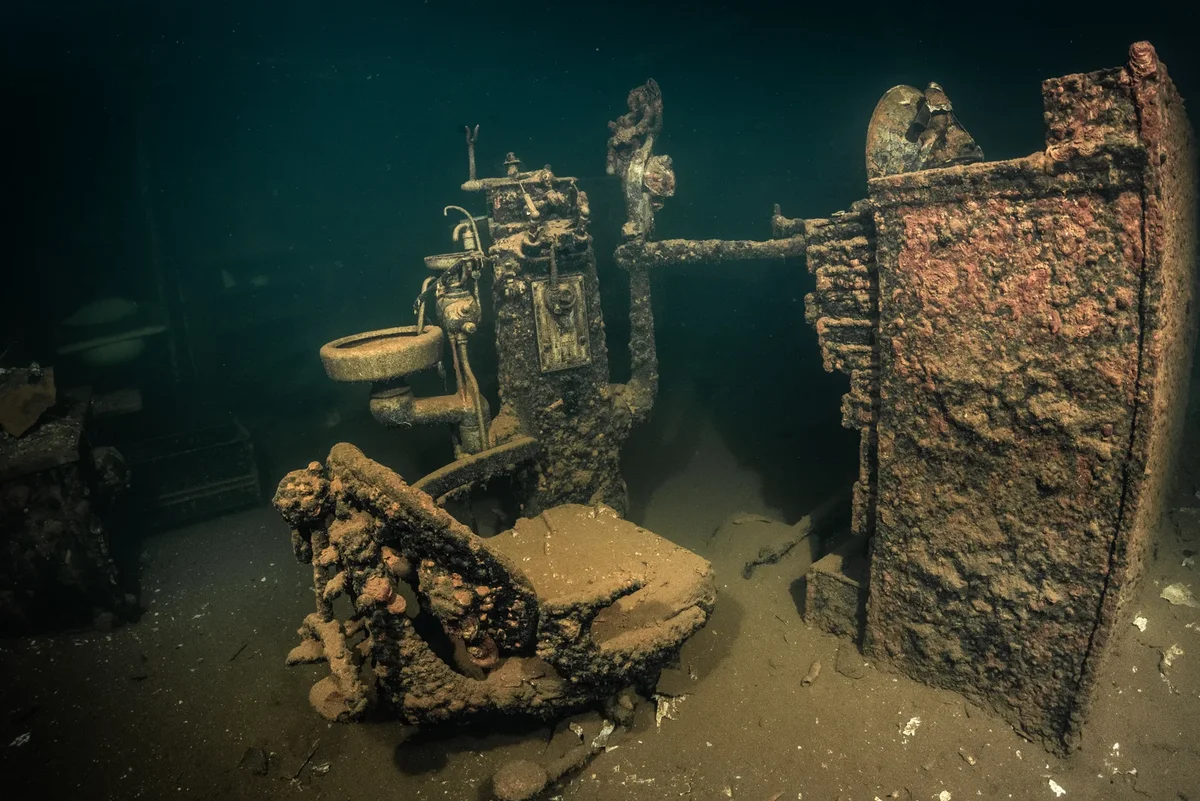
That is also why you see that many wrecks are from the same period, are Japanese transport ships or naval vessels and often still have cargo on board such as aircraft, vehicles, ammunition or oil. Many of the ships you dive today were supply ships. For example, they carried vehicles, aircraft, ammunition or fuel to Japanese bases on islands. Because the ships were suddenly attacked, some of that cargo is still in the holds. That’s what makes many wrecks so special to explore.
This is exactly what makes wreck diving in this region so special. Many ships are literally frozen in time and provide a unique view of history underwater.
How is it that the wrecks are often still so well intact?
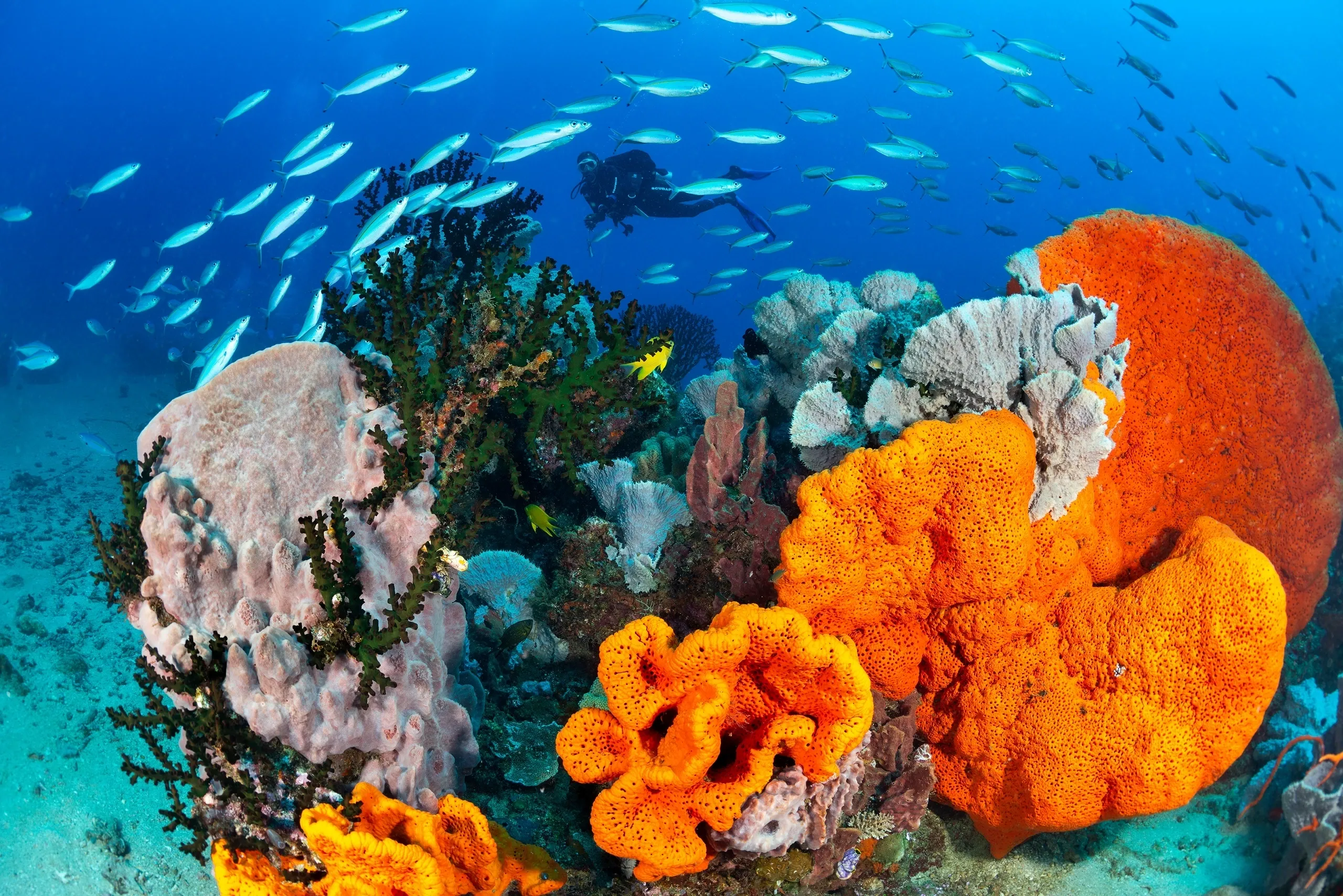
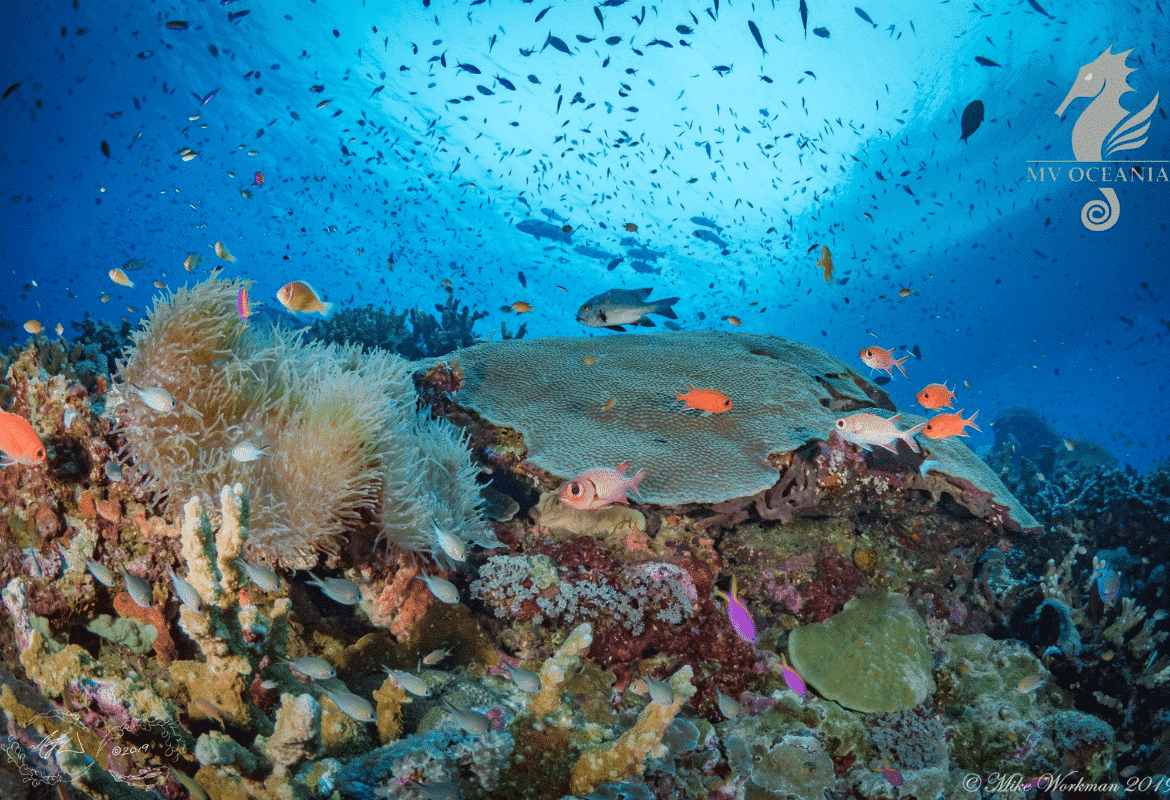
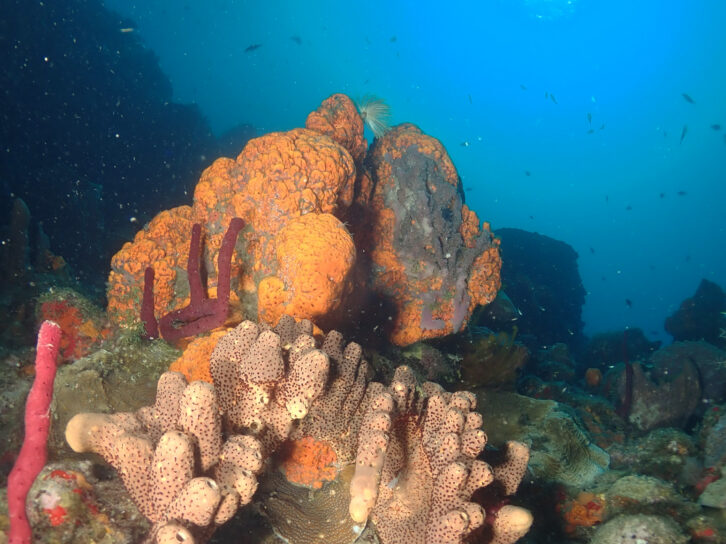
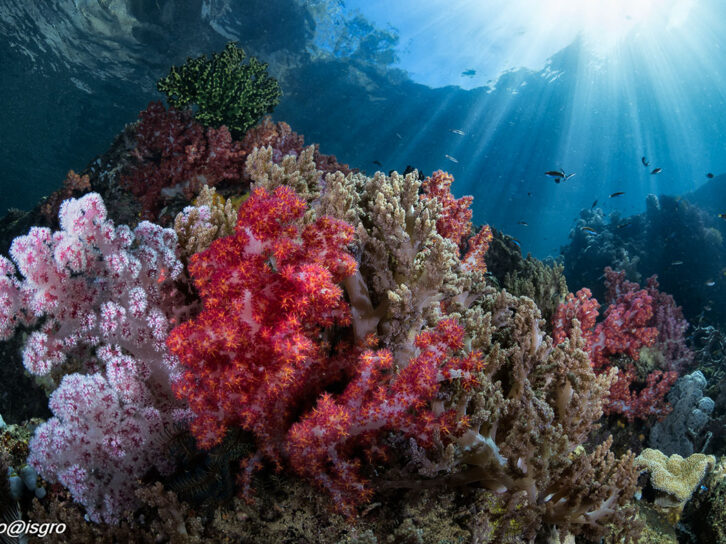
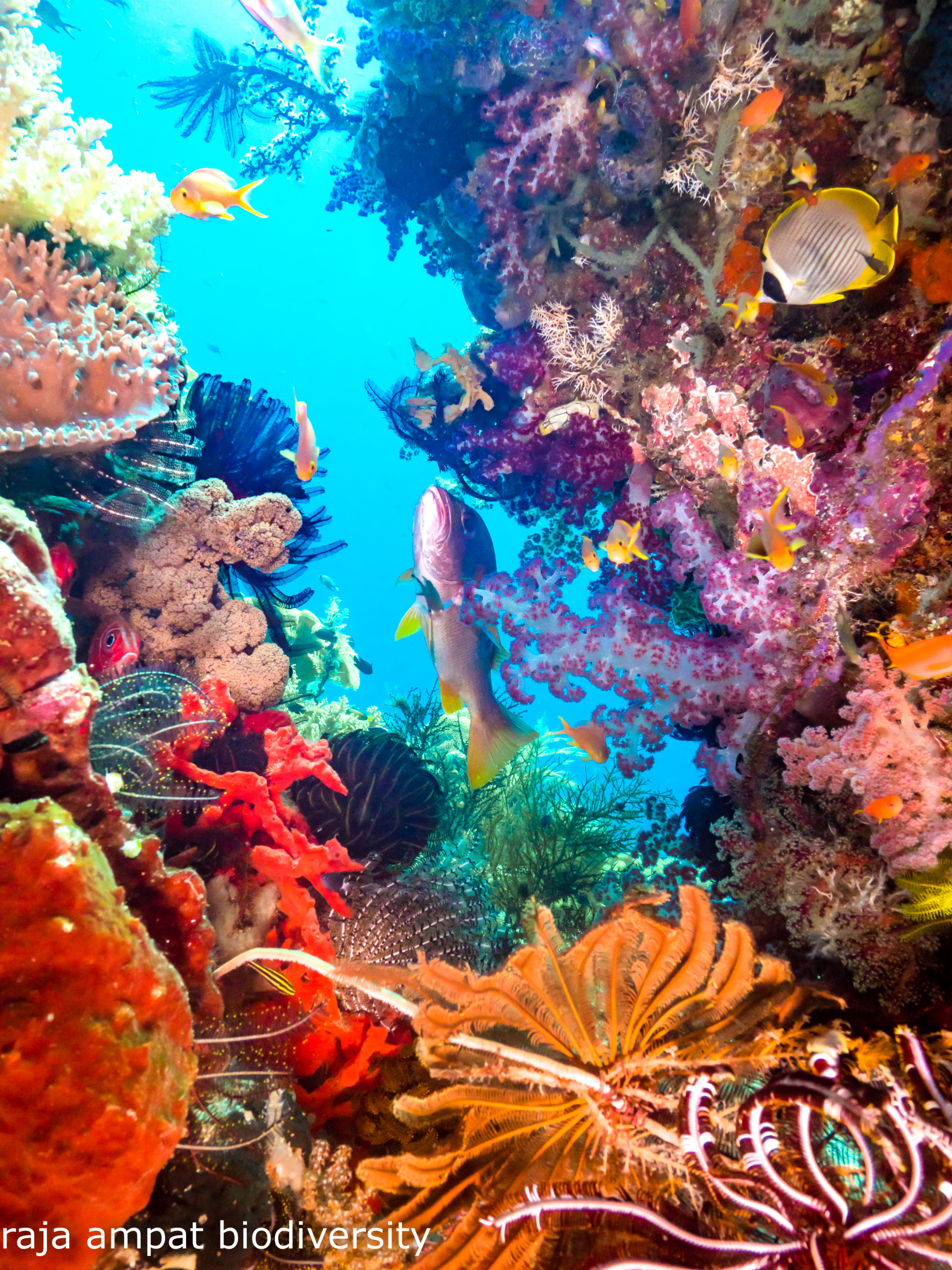
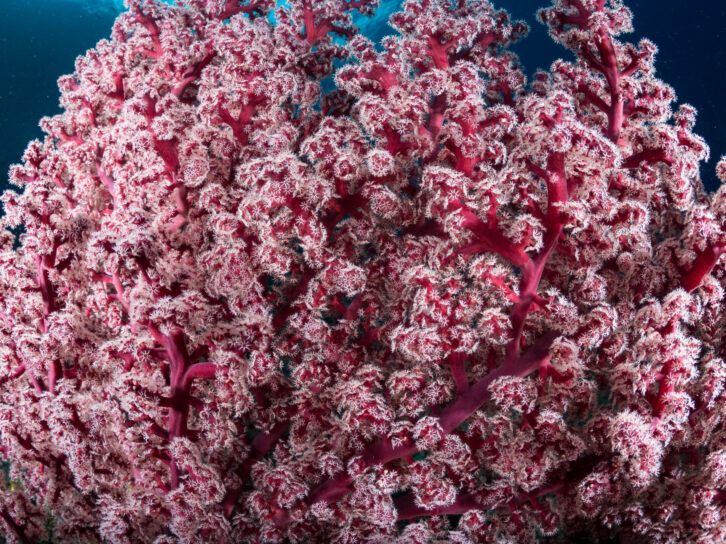
Many wrecks are located in lagoons or sheltered bays. As a result, there is less wave action and current, so ships often remain relatively intact. In tropical areas, they are also overgrown with soft corals and sponges, making wrecks biologically interesting as well.
Types of wrecks you encounter
During wreck dives, you often encounter different types of ships. Cargo and supply ships carried vehicles, ammunition and other supplies for the war. Oil tankers are sometimes still full of cargo on the bottom and are impressive in size. Naval ships such as cruisers and battleships are among the largest wrecks you can explore. You will also find seaplanes and bombers that crashed during battles and now lie on the bottom. Some wrecks are exceptionally large, making it feel like you are discovering an entire underwater complex and requiring several dives.
War Wrecks
Many of these wrecks are officially war graves. On some ships, crew members perished. Therefore, it is important for divers to treat the wrecks respectfully and not take anything with them.