Diving in Kenya: a complete guide
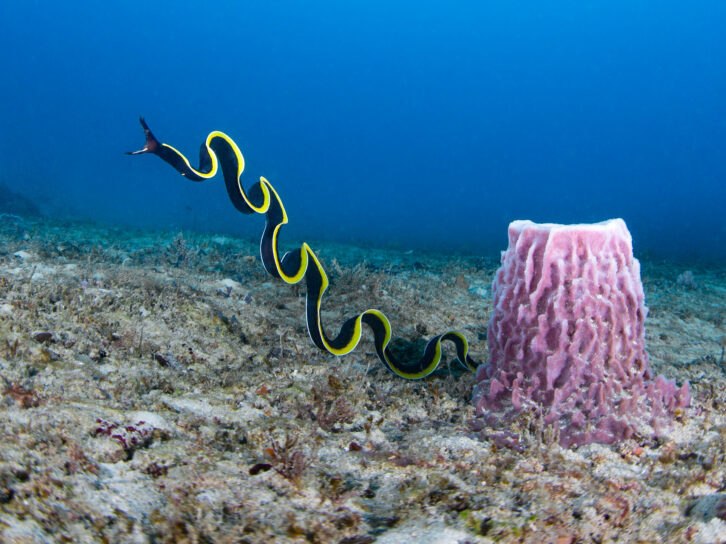
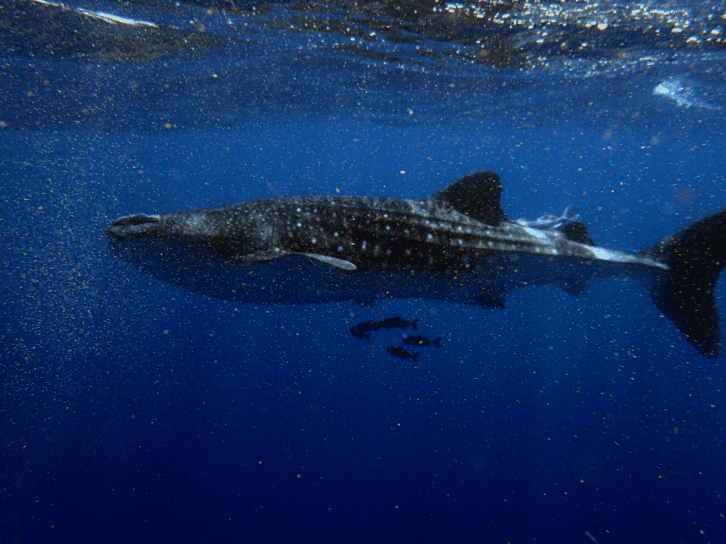
When you think of Kenya, the first thing that comes to mind is wildlife safaris, vast savannahs, Masai warriors and endless, white sandy beaches. But also when you go diving in Kenya you get to see something unexpected: lots of macro! But of course also dolphins, versatile reefs, macro and sometimes the giant whale shark.
Table of contents
General information about Kenya
Located in East Africa on the Indian Ocean, Kenya is a leading safari destination with Nairobi as its capital. The country is known for the Masai Mara, wildlife, diverse landscapes and a rich culture. English and Swahili are the official languages. The climate is tropical, with dry and wet seasons.
Kenya is world famous for the “Big Five” (lion, leopard, elephant, rhino, buffalo). Well-known parks include the Masai Mara (known for migration), Amboseli (views of Kilimanjaro in neighboring Tanzania) and Tsavo.
Why dive in Kenya?
Kenya may not be the first destination you think of when considering a diving vacation, but it is a hidden gem for divers of all levels. The combination of pristine coral reefs, enormous biodiversity and the chance to see impressively large marine life makes diving in Kenya a unique experience.
Pristine reef and rich biodiversity
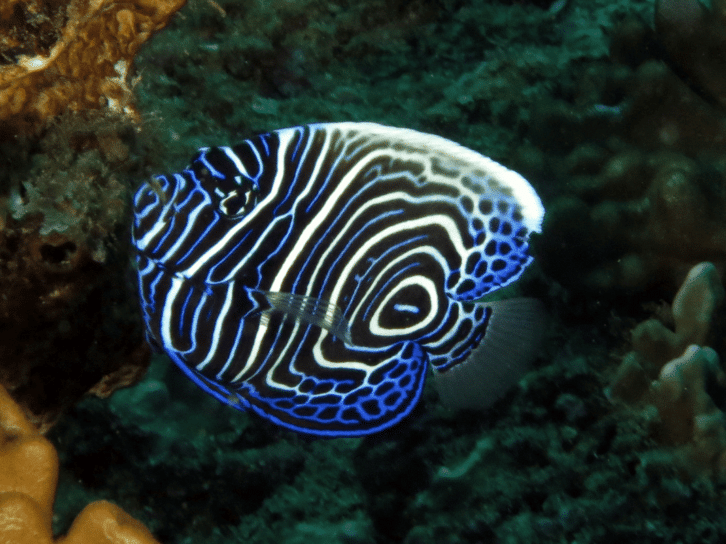
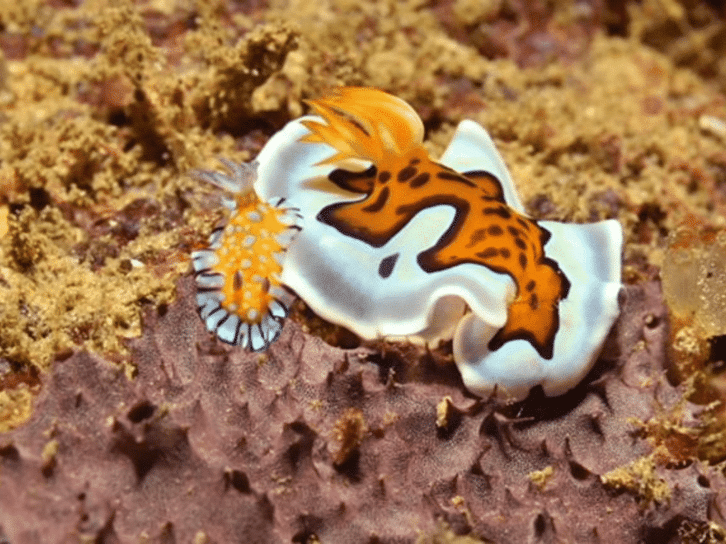
Kenya’s coast is home to more than 400 species of nudibranchs, ranking it fourth worldwide after Australia, Indonesia and the Philippines. In addition to these colorful little inhabitants, you will find countless reef fish, turtles, rays, moray eels and reef sharks. Especially for underwater photographers and macro enthusiasts, Kenya is a paradise.
Great marine life and seasonal highlights
Between November and February, you can spot whale sharks with luck, especially around Chale Island and Shimoni. Humpback whales are also active in offshore waters from July to October. Dolphins are seen regularly throughout the year, and the large schools of snappers, groupers and mackerel at the wrecks sunk especially for divers make the underwater world extra lively. Just keep in mind that January and February are less ideal for diving due to reduced visibility.
Diverse dive sites
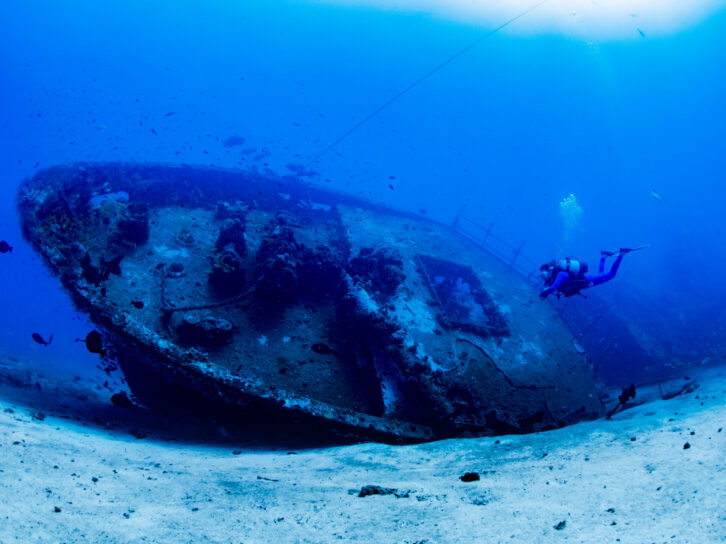
Popular dive areas like Diani Beach, Watamu and Malindi offer a wide range of experiences: from colorful coral gardens and reef walls to caves like the Vuma Caves and wrecks like the Alpha Funguo Wreck.
Ideal conditions and protected parks
The water temperature is comfortably between 26°C and 30°C year-round. During the high season (October to March), visibility can be as high as 30 meters. The presence of well-managed marine parks, such as the Kisite-Mpunguti Marine National Park and the Watamu Marine Park, protects the reefs and marine life, allowing divers to enjoy a healthy and vibrant underwater world.
A unique combination of land and sea
A diving vacation in Kenya can be perfectly combined with a famous wildlife safari. Thus you experience an unforgettable “bush to beach” trip, in which you discover both the underwater world and the savanna.
Where to dive in Kenya?
Along the coast of Kenya there are several diving destinations, including Diani Beach, Watamu, Malindi and Mombasa. For us, especially jump out Diani Beach in the south and Watamu in the north stand out. These areas offer the most beautiful reefs, the most impressive marine life and excellent diving conditions.
Diani Beach and Chale Island
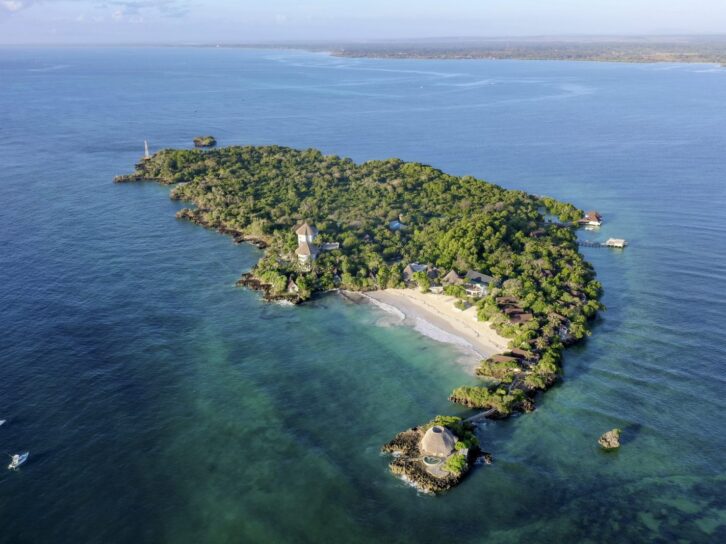
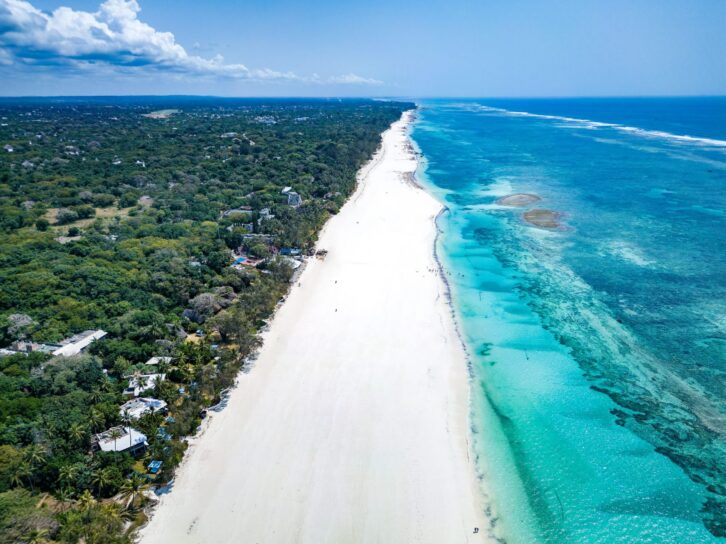
Diani Beach, south of Mombasa, is known for its vast coral gardens, clear waters and huge variety of marine life. Around Chale Island, you can regularly spot whale sharks, dolphins and large schools of reef fish. The combination of pristine reefs and macro life makes this a favorite spot for underwater photographers. In addition, there are interesting wrecks and small caves that make the diving experience varied and exciting.
Watamu and the Watamu Marine National Park
Watamu, north of Mombasa, is part of the Watamu Marine National Park, a protected area that guarantees healthy reefs and a rich ecosystem. Here you will find colorful coral gardens, reef walls and a great diversity of fish, from small reef dwellers to larger pelagic species. The combination of a national park and quiet dive sites makes Watamu ideal for divers seeking biodiversity and safety.
Both areas offer excellent diving conditions year-round and are also easily accessible, making them perfect for beginners and experienced divers alike.
Best travel time for a diving trip to Kenya
The best time to dive is between October and April, when the water is warmest and visibility is best. Between November and February is whale shark season, between May and August you can see baby turtles on the beach and between July and September humpback whales migrate along the coast.
Still want to go in other months? The diving school in Diani Beach & Chale Island is open all year, and it is possible to dive all year round.
The ideal travel time for a tour of Kenya with diving and safari is from October to February. The sea is calmest between October & March, so this is also when you have the best visibility underwater.
January & February are dry, warm months, perfect for safaris with clear days. March through May have “long rains,” when the sea is rough and it is more difficult to spot safari animals. From June to October it is hot and dry; the great migration in July brings a nature show, but also crowds. The “short rains” in November and December are mild, with quieter safaris.
| Period | Diving conditions | Wetsuit Advice | Details |
|---|---|---|---|
| October – April | Good visibility, mild current, water 26-30°C | 3 mm shorty or full | Busiest dive period, ideal conditions for all dives, healthy reefs |
| May – August | Quieter dive period, visibility 20-30 m, current mild | 3 mm shorty or full | Turtles hatch on the beach, calm diving conditions, less crowds |
| February | Visibility 20-30 m, mild current | 3 mm shorty or full | Highest chance of whale sharks around Chale Island & Shimoni |
| July – September | Visibility 20-30 m, current mild to moderate | 3 mm shorty or full | Migration of humpback whales along the coast, dolphins regularly present |
Safari in Kenya
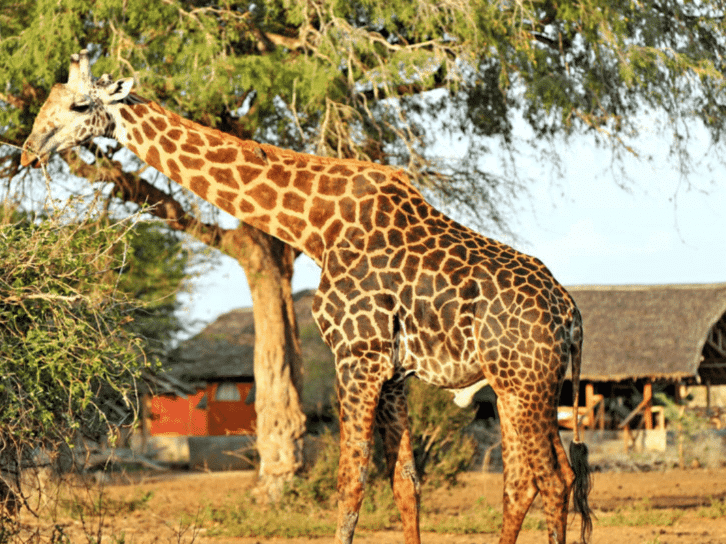
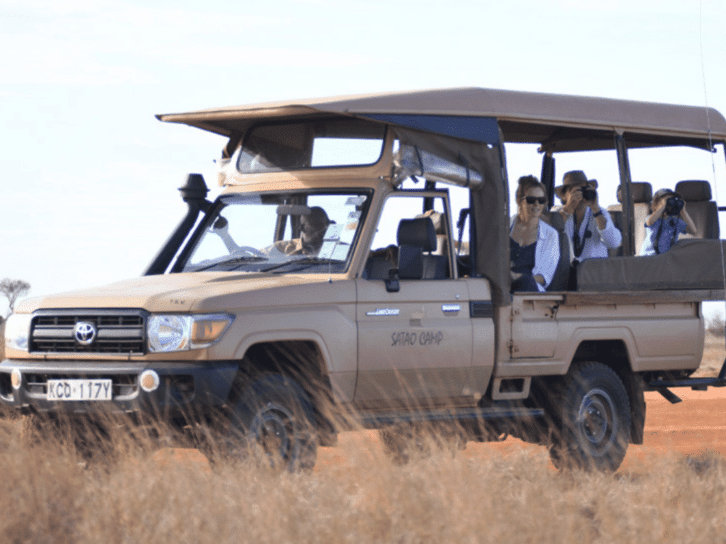
Going on safari in Kenya is an unforgettable experience that immerses you in the beautiful nature of Africa. The country is known for its abundant wildlife, including the Big Five: lions, elephants, buffalo, rhinos and leopards. But there is much more to see, including giraffes, zebras, gazelles and numerous bird species. Therefore, a safari is the perfect way to get acquainted with these fascinating animals and their habitats. At EWDR, we are happy to arrange a safari through Kenya as an extension of a beautiful diving vacation.
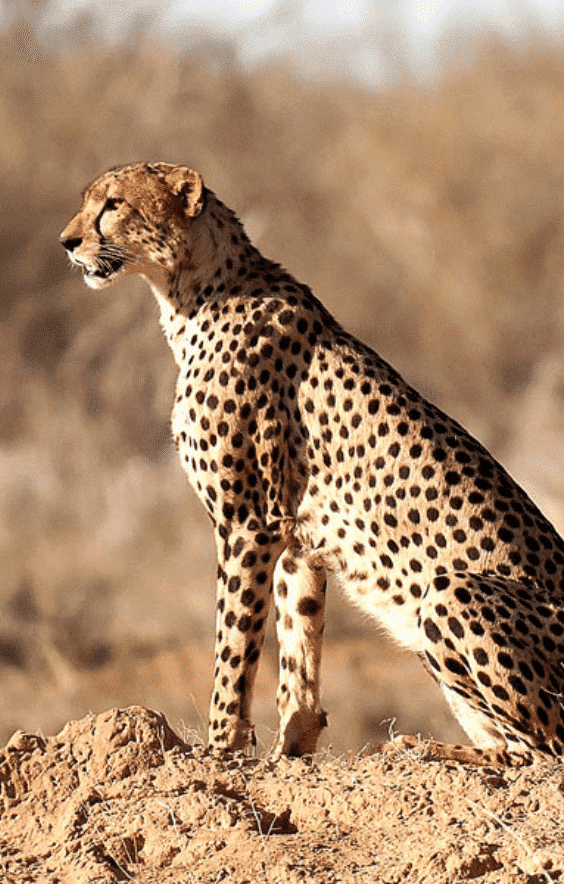
In the safari areas of Tsavo West and East, you can spot a wide variety of wildlife, including elephants, giraffes, lions, buffalo, leopards, hippos, crocodiles and several antelope species. Both parks also have beautiful scenery with mountains, rivers and vast plains. In Amboseli, elephants take center stage and you’ll have stunning views of Kilimanjaro from the vast savannahs. Other animals you can see in Amboseli include lions, cheetahs, hyenas, buffalo, gazelles and various bird species.
Also experience this diving trip?
Diving trip Kenya – Diani Beach & private island Chale Island
Experience the tropical reefs of Diani Beach and private Chale Island, dive with whale sharks, discover colorful marine life and...
Combination trip Kenya – Diving in Watamu National Park & on safari
Journey from the coast to the wilderness. From the rich marine life to Tsavo’s wildlife, experience it all in Kenya!
Also perhaps interesting
Where can you see manta rays in Indonesia?
Indonesia is one of the best destinations in the world for seeing manta rays. Komodo, Raja Ampat, and Nusa Penida each offer a unique manta ray experience.
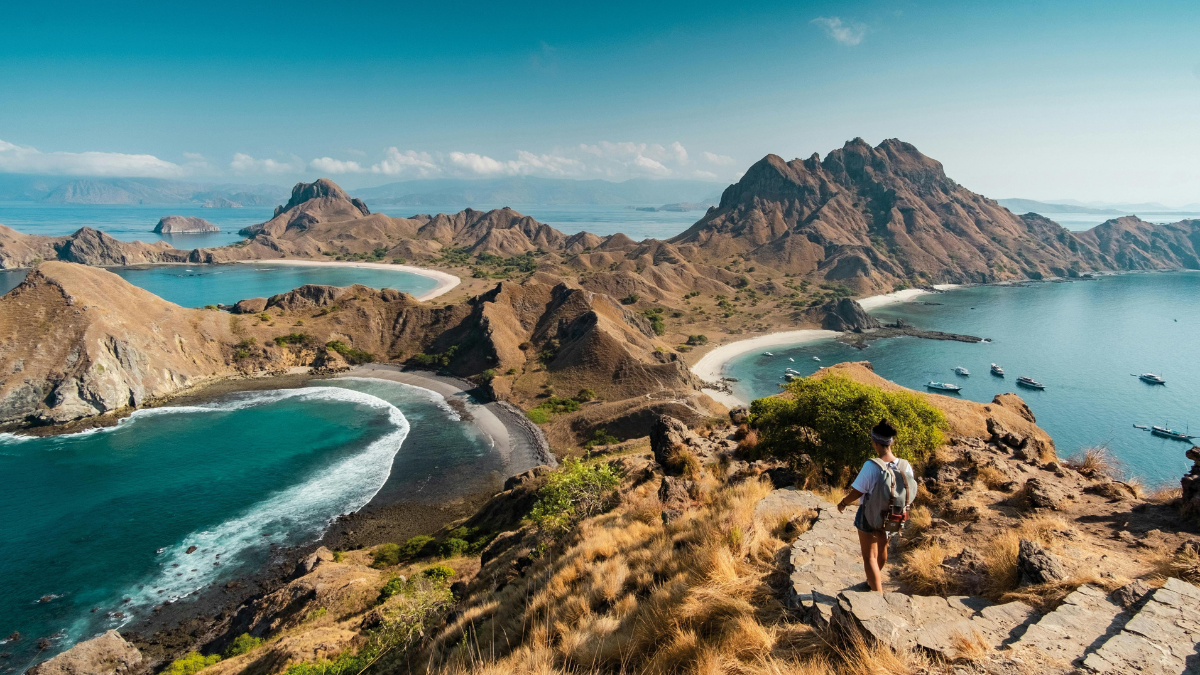
Diving in the Komodo Islands in Indonesia
Komodo is a spectacular diving destination for those looking for manta rays, abundant marine life, and challenging currents. Discover the best time to visit, diving options, accommodations, and itineraries with EWDR.
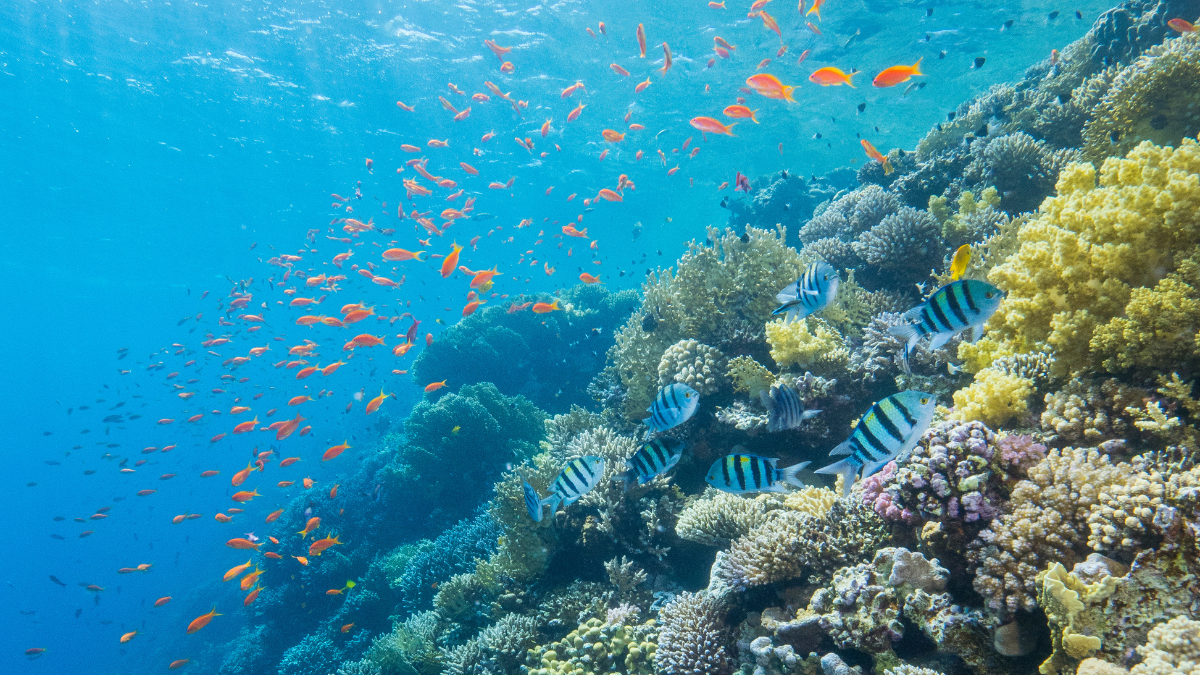
Tips from Underwater Photographer Thomas Van Puymbroeck
Discover the best tips for underwater photography from photographer Thomas Van Puymbroeck and learn more about our annual photography trips.
Philippines trip report • Looking back on a diving trip in the Visayas
A special travelogue by Sebastiaan and Robbert, who went on an unforgettable diving trip together sixteen years ago. Old photos and memories bring those special underwater encounters back to life.
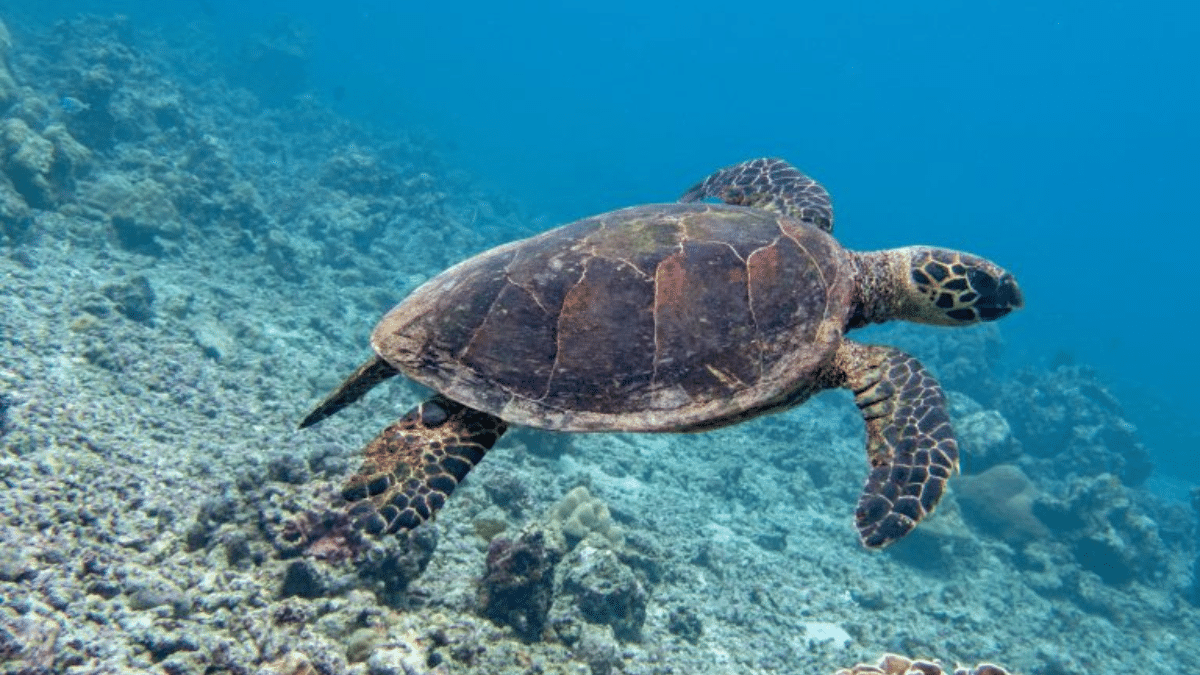
Diving in Sumatra: a complete guide
Diving in Sumatra combines colorful coral reefs with impressive natural scenery above water. Discover Pulau Weh, the Mentawai Islands, and the most beautiful spots for a complete diving trip.
10 Unique encounters every diver wants to experience at least once
The underwater world is full of extraordinary encounters. Discover which underwater encounters you shouldn’t miss and where you’re most likely to experience them for yourself.
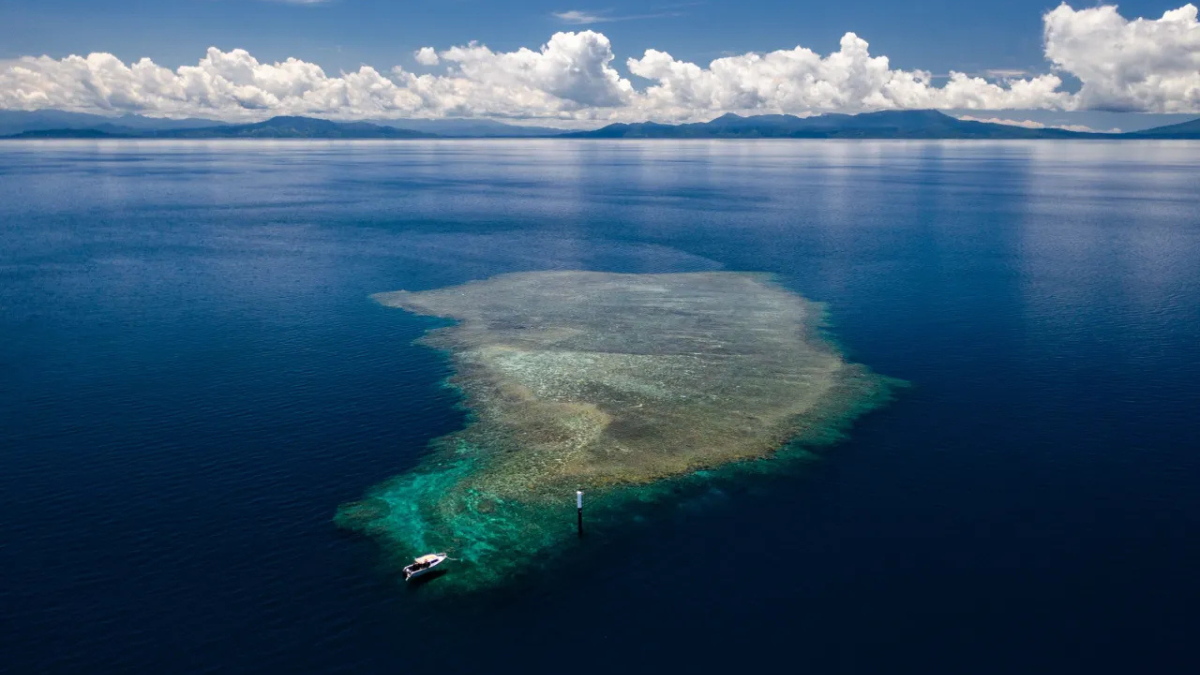
Diving destinations where you’ll feel like you’re the only person in the world
At some diving destinations, you’ll practically have the reef all to yourself. Discover six remote destinations where peace and quiet are still the norm.
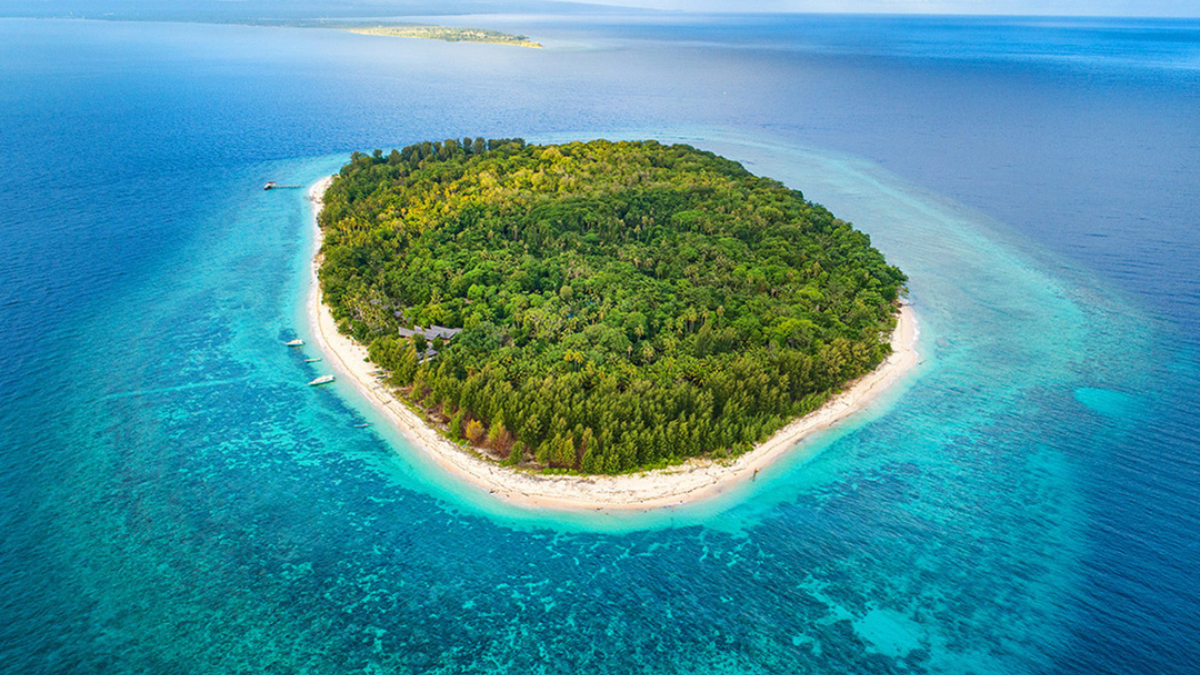
Diving in Morotai & Metita: a complete guide
Wondering what makes Morotai and Metita so special? In this blog, you’ll discover everything about this unspoiled diving destination in North Maluku.
Diving in Papua New Guinea: a complete guide
Diving in Papua New Guinea is a unique experience in the heart of the Coral Triangle. Discover colorful reefs, extraordinary marine life, historic shipwrecks, and pristine dive sites.
Diving with hammerhead sharks: What are the best destinations?
Discover the best destinations in the world for diving with hammerhead sharks. Find out where you’re most likely to encounter them, when the best time to travel is, and what diving certification is required.
Diving Trip to Raja Ampat: Resort or Liveaboard?
Are you trying to decide between a liveaboard and a dive resort in Raja Ampat? In this blog, we’ll explain the differences and help you determine which type of trip best suits your needs.
Diving in Mauritius: A Complete Guide
Mauritius offers colorful coral reefs, impressive shipwrecks, and a surprisingly diverse array of marine life. In this guide, you’ll find everything you need to know for a diving vacation in Mauritius.
Diving in Iceland: a complete guide
Diving in Iceland is all about the unique combination of the Silfra Gorge and rugged sea diving along volcanic shores. On a round-trip tour, you will not only discover the underwater world, but also one...
Read moreWhales, sharks, and manta rays: Key insights from the BCSS Impact Report 2025
The BCSS Impact Report 2025 highlights the rich marine life around the Bazaruto Archipelago in Mozambique. From humpback whales and manta rays to endangered sharks, the study confirms why this area is one of Africa’s...
Read moreDiving vacation with a non-diving partner? These destinations are perfect for both of you
Not every diving vacation has to revolve entirely around diving. These destinations offer plenty of above-water activities so divers and non-divers alike can have a great trip.
Diving with wild dolphins: where do you have the best chance?
Encounters with wild dolphins are among the most beautiful experiences you can have as a diver. Find out where worldwide you have the greatest chance of encountering these intelligent marine mammals in their natural habitat.
Diving with (tiger) sharks: how to prepare?
Diving with tiger sharks is less scary than many people think, provided you enter the water well prepared. With the right experience, calm demeanor and respect for the animals, these encounters often become unforgettable dives.
Our favorite diving destinations in the Caribbean
Not every Caribbean destination is known as a true diving hotspot. In this blog you’ll discover which islands are best suited for diving, where exactly you should be for big animals, wrecks or macro, and...
Read moreDiving destinations in the Caribbean
The Caribbean offers much more variety than just tropical reefs and clear water. In this blog you will discover which destination best suits your needs: from pelagic life and unique dives to adventure above water...
Read moreWhy some dive destinations fill up years in advance
Some dive destinations and liveaboards fill up quickly due to limited capacity, short peak seasons and high international demand. Especially popular itineraries and high-end liveaboards in destinations such as Raja Ampat, Galápagos, Socorro and Egypt...
Read moreDiscounted admission to Socorro: this is what you need to know about the new park fees
As of Jan. 1, 2025, park fees for Socorro doubled, but thanks to new exceptions and discounts, many travelers can save big. And that’s good news, because Socorro, with its manta rays, sharks and spectacular...
Read moreMetric vs imperial system in diving: what are the differences?
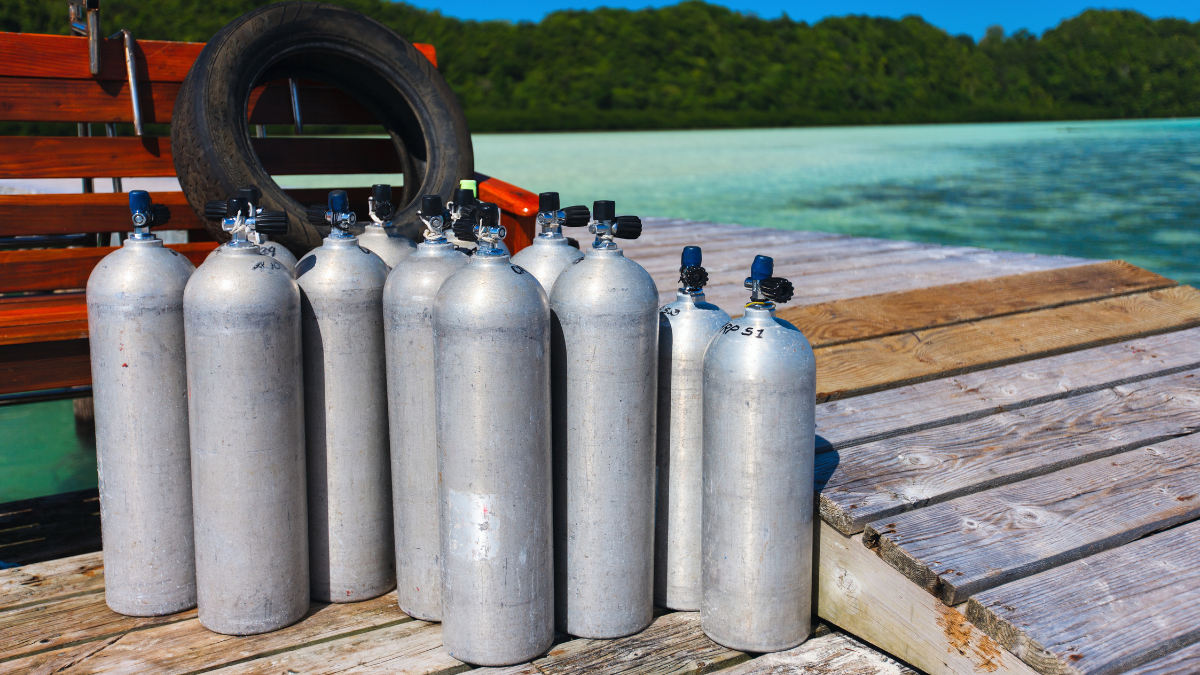
In Europe we usually dive with the metric system (BAR, meters and liters), while many American and Caribbean dive destinations work with the imperial system (PSI, feet and cubic feet). Especially in Florida, Mexico and...
Read moreDiving with hammerhead sharks in Mikomoto, Japan
Mikomoto Island in Japan is known for spectacular encounters with large schools of hammerhead sharks. In this blog you will read what to expect underwater, when you have the best chance and why this dive...
Read moreDiving in Japan: the different regions
Japan is a surprisingly diverse diving destination with huge differences between its regions. From hammerhead sharks and manta rays to ice diving and unique underwater landscapes, each region has its own character.


