
Diving in French Polynesia: a complete guide
French Polynesia consists of 118 islands divided into five beautiful island groups: the Society Islands, the Tuamotu Archipelago, the Marquesas Islands, the Gambier Islands and the Austral Islands. These islands are spread over a vast area in the Pacific Ocean and offer a huge variety of dive sites. From pristine coral reefs and crystal clear lagoons to impressive marine life and tropical fish species – French Polynesia is undoubtedly a diving paradise.
The question, however, is: where can you do the best diving in French Polynesia? And what season is best for diving, given the variations in climate between the different island groups? In this blog you will read all about the best diving destinations and explore the ideal season for each island, so you can enjoy your diving experience to the fullest!
The best season for diving in French Polynesia
French Polynesia has a tropical climate, but the islands vary in climate depending on their location relative to the equator and the South Pole. The dry season from May to October is generally the best time for diving, when the weather is cooler, drier and more pleasant for divers. However, the ideal travel time can vary by island group depending on their specific climate. Below is an overview for each island group:
Society Islands (Îles de la Société) – Diving in Tahiti, Bora Bora and Moorea
The Society Islands, including the famous islands of Tahiti, Moorea and Bora Bora, are relatively close to the equator and have a tropical climate. The dry months from May to October offer the best weather for diving, with clear waters and pleasant temperatures.
Popular dive sites:
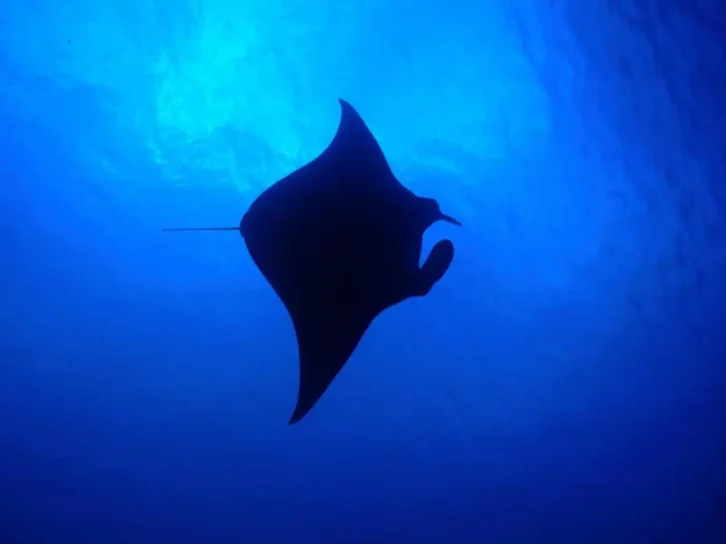
- Bora Bora: This island is known for its impressive blue lagoon and fantastic dive sites with manta rays, sharks and colorful coral reefs.
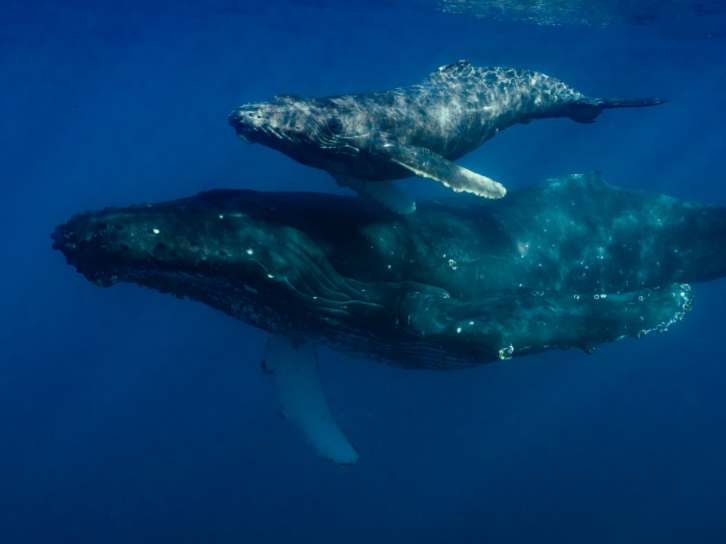
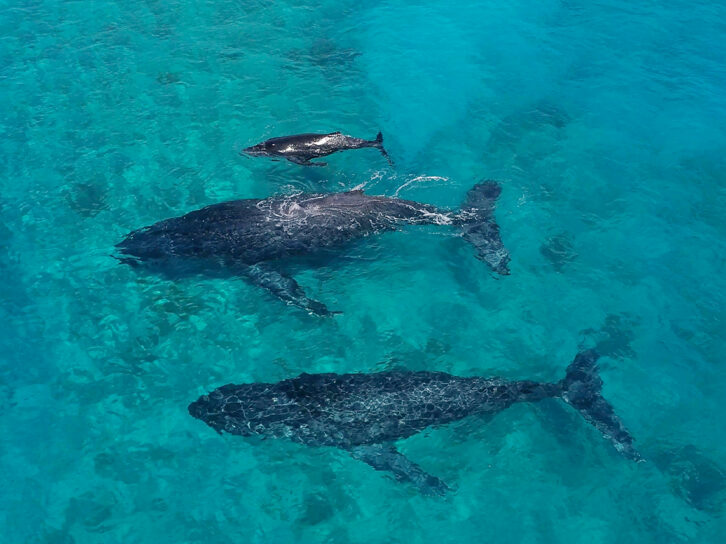
- Moorea: An excellent destination for divers, with pristine coral reefs and the opportunity to spot whales from July to October. Moorea is a popular location for whale watching, but Rurutu is the best destination for swimming with whales.
- Tahiti: The largest island of the Society Islands offers a variety of dive sites, from wreck diving to shark spotting and exploring underwater caves.
Tuamotu Archipelago (Îles Tuamotu) – Diving in Rangiroa and Fakarava
The Tuamotu Archipelago, with more than 70 atolls, is close to the equator and has a tropical climate. The dry season from May to October is the best time to dive, when the weather is most stable and the water is clear.
Popular dive sites:
- Rangiroa: One of the largest atolls in the world, famous for its dive sites such as Tiputa Pass, where you can dive with sharks, dolphins and manta rays. Rangiroa is also known as the largest natural aquarium in the world and offers incredible pelagic encounters.
- Fakarava: This UNESCO Biosphere Reserve is famous for the “garlands of sharks” and a huge biodiversity of marine life, including hammerhead sharks, lemon sharks, and whitetip sharks. Garuae Pass and Tumakohua Pass offer spectacular dives with the chance to see hundreds of sharks and schools of fish.
Marquesas Islands (Îles Marquises)
The Marquesas Islands are further north and have a tropical climate, with short rainy periods. The best time to dive is during the dry season from May to October, when the weather is more stable and the waters clearest.
Popular dive sites:
- The Marquesas Islands are ideal for adventurous divers seeking pristine and tranquil dive sites. Here you can dive in a more remote environment, away from the hustle and bustle of the more famous islands.
Gambier Islands (Îles Gambier)
The Gambier Islands, located further south, have a subtropical climate. The dry season from May to October offers the best conditions for diving, with less rain and ideal weather for snorkeling and scuba diving.
Popular dive sites:
- The Gambier Islands offer calm, pristine coral reefs and are perfect for divers seeking a more isolated experience. The islands are also famous for their pearl farms, adding a unique experience to your trip.
Austral Islands (Îles Australes) – Diving in Rurutu and Tubuai
The Austral Islands are further south and have a cooler climate than the other islands of French Polynesia. The dry season from May to October is the best time to visit the islands, with pleasant temperatures and less rain.
Popular dive sites:
- Rurutu: This island is famous worldwide for swimming with humpback whales, especially from July to October. The island also offers calm diving conditions in pristine waters.
- Tubuai: This island is ideal for divers looking for quiet and secluded dive sites, perfect for an authentic experience in a serene environment.
Diving in French Polynesia: what to expect by island
Because French Polynesia consists of so many different islands, there is also quite a bit of variety in the dive sites and experiences underwater. There are several drift dives to be made in Fakarava, but also, for example, calm dives in the lagoon near Bora Bora. Of course, it always depends on your own level and experience. Here we highlight the highlights of diving per island.
Fakarava (Tuamotu archipelago)
Fakarava is famous for its pristine waters and impressive dive sites. Novice divers can enjoy independent dives below 20 meters, while experienced divers can make drift dives between 20 and 30 meters. You can see up to 100 sharks on one dive.
Rangiroa (Tuamotu archipelago)
Rangiroa is a must-visit for experienced divers. It offers drift dives in the famous Tiputa Pass and Avatoru Pass, where you can see hammerhead sharks, dolphins and Napoleon fish.
Bora Bora (Society Islands)
Ideal for beginning divers, Bora Bora offers a tranquil lagoon. Advanced divers can explore the passages, where they may encounter lemon sharks and manta rays.
Moorea (Society Islands)
Moorea offers great dive sites for both novice and experienced divers. Beginners can explore the lagoon, while advanced divers can explore the Canyons of Opunohu and Le Tiki, where they can see sharks and stingrays.
Tikehau (Tuamotu archipelago)
Tikehau is perfect for beginner divers, but also offers exciting dive sites for the advanced diver, with the possibility of encountering manta rays and other pelagic species.
Te Moana Diving Pass: diving on multiple islands
The Te Moana Diving Pass allows for flexible diving on several islands in French Polynesia. One pass gives you access to dive centers on islands such as Tahiti, Moorea, Bora Bora, Fakarava, and more. This system offers the freedom to travel from island to island and explore different dive sites without having to make new bookings each time.
Affiliated dive centers to the Te Moana Diving Pass:
Society Islands:
- Bora Bora, Tahiti, Raiatea & Tahaa, Moorea, Huahine, Maupit, Nuku Hiva
Tuamotu Archipelago:
- Fakarava, Rangiroa, Tikehau
Benefits of the Te Moana Diving Pass:
- Flexibility to dive on multiple islands with one pass.
- Cost savings through fixed prices at affiliated dive centers.
- Various dive sites from the Society Islands to the Tuamotu Archipelago.
- Easy planning without having to make new bookings all the time.
- Extra baggage: You are allowed 5 kg of extra checked baggage on the flights, upon presentation of your diving certificate.
Traveling to French Polynesia?
Do you have any questions or would like to receive travel suggestions for your diving vacation in French Polynesia? If so, please feel free to contact us. We are happy to help you plan the ultimate diving experience!
Diving trip French Polynesia – Island hopping in paradise
Discover the versatility of French Polynesia on a journey through Bora Bora, Rangiroa, Fakarava and Rurutu. A combination of world-famous...
Liveaboard Aqua Tiki II – Discover the Fakarava and Taumotu atolls in French Polynesia
During this unique liveaboard you will discover the world-famous dive sites of the Tuamotu archipelago, including Fakarava and Toau. In...
Also perhaps interesting
Diving destinations where you’ll feel like you’re the only person in the world
At some diving destinations, you’ll practically have the reef all to yourself. Discover six remote destinations where peace and quiet are still the norm.
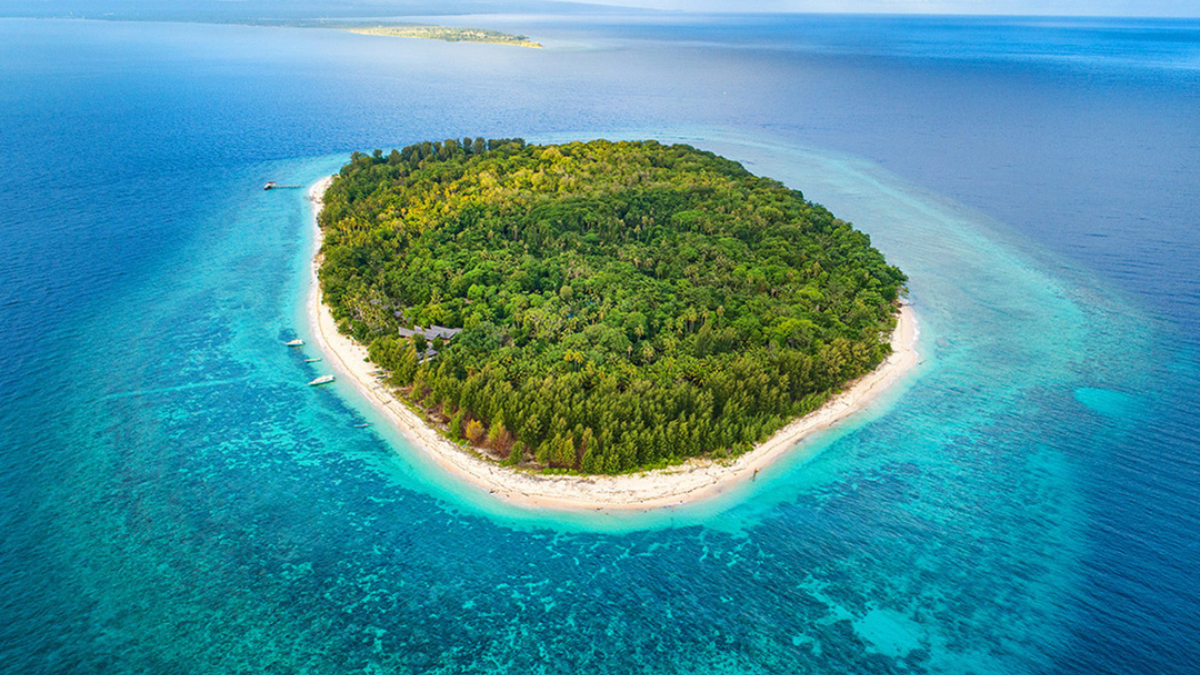
Diving in Papua New Guinea: a complete guide
Diving in Papua New Guinea is a unique experience in the heart of the Coral Triangle. Discover colorful reefs, extraordinary marine life, historic shipwrecks, and pristine dive sites.
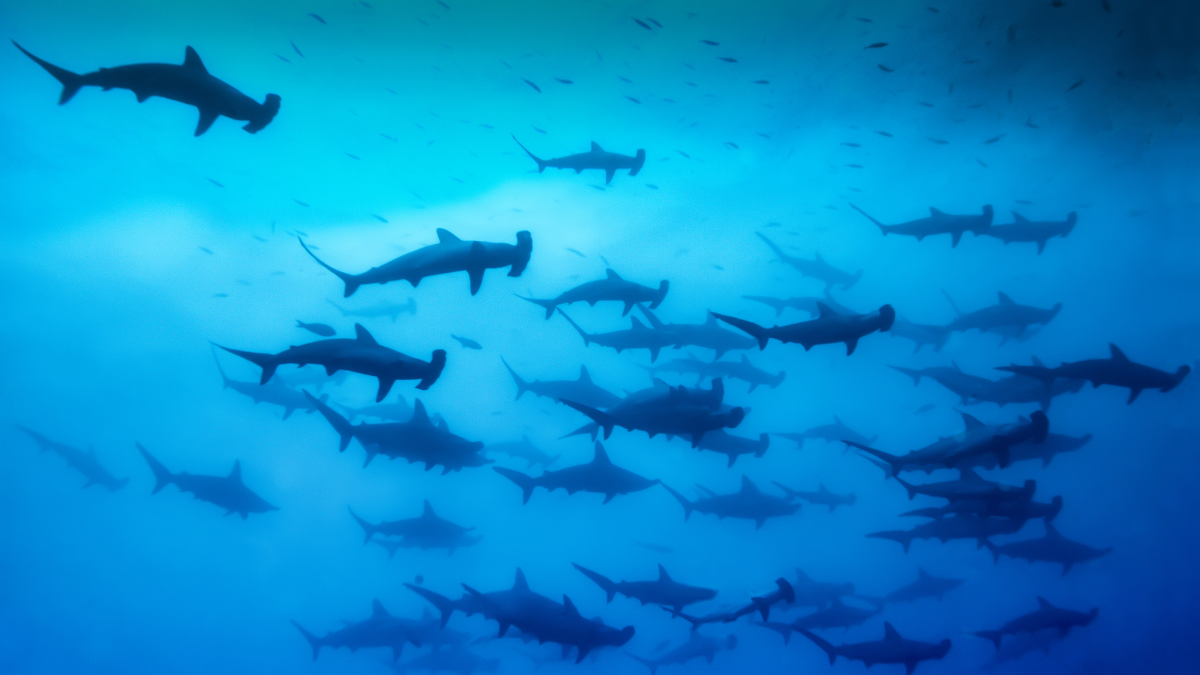
Diving with hammerhead sharks: What are the best destinations?
Discover the best destinations in the world for diving with hammerhead sharks. Find out where you’re most likely to encounter them, when the best time to travel is, and what diving certification is required.
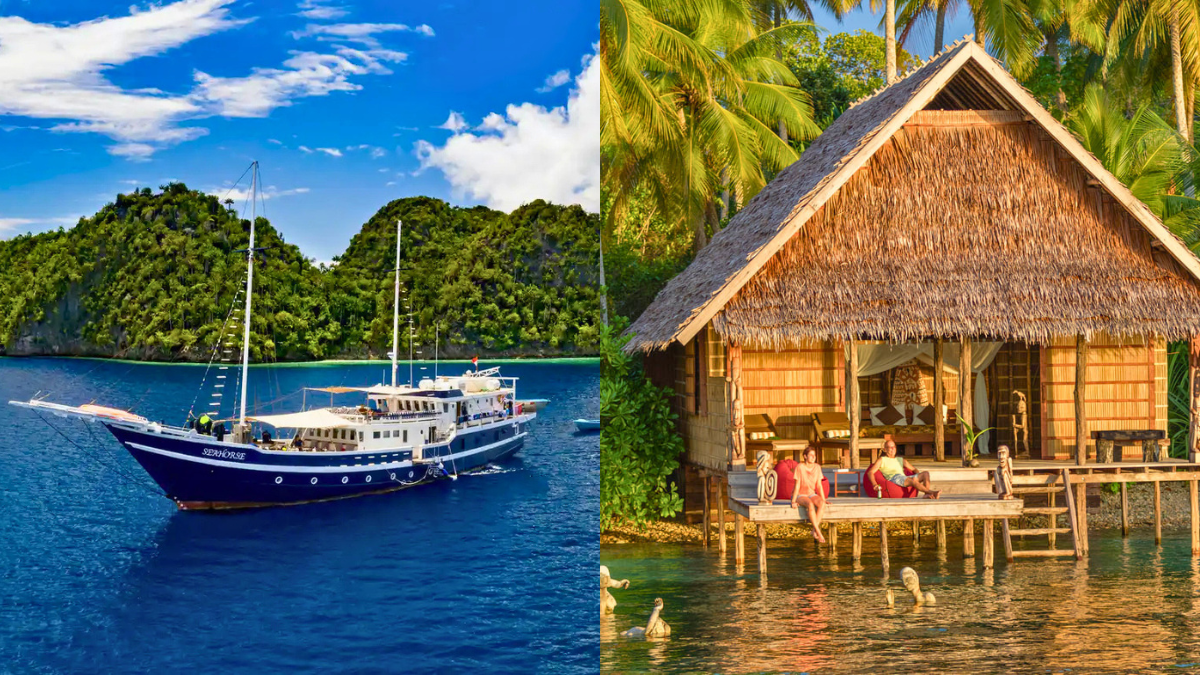
Diving Trip to Raja Ampat: Resort or Liveaboard?
Are you trying to decide between a liveaboard and a dive resort in Raja Ampat? In this blog, we’ll explain the differences and help you determine which type of trip best suits your needs.
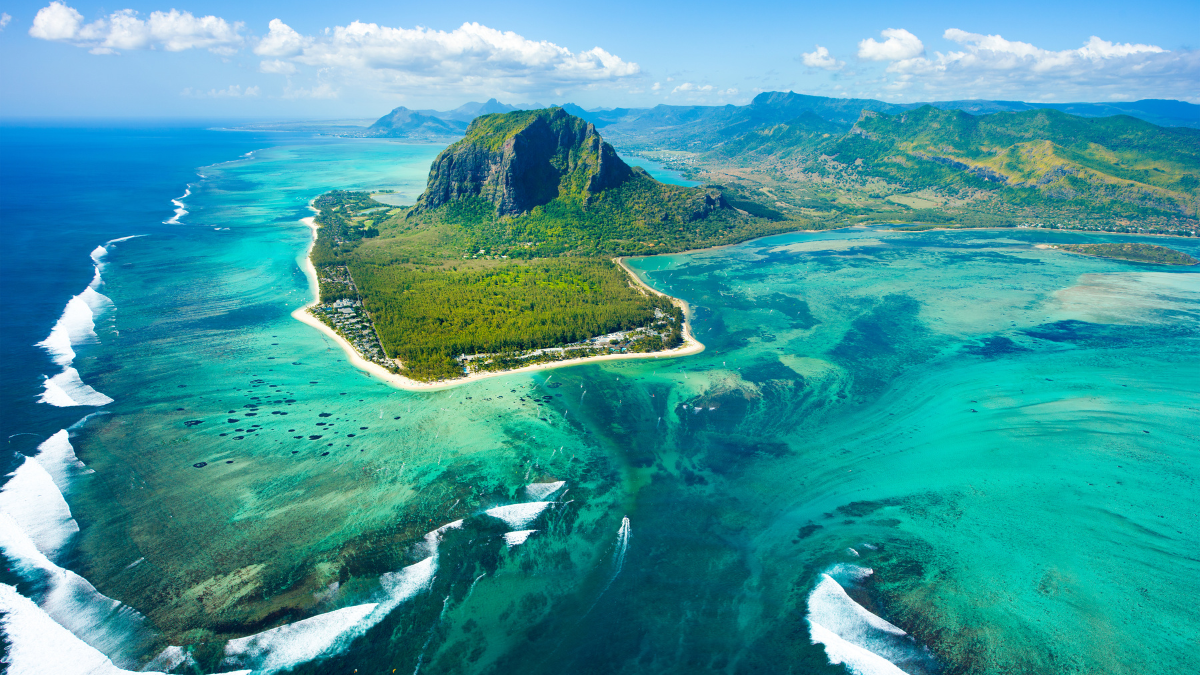
Diving in Mauritius: A Complete Guide
Mauritius offers colorful coral reefs, impressive shipwrecks, and a surprisingly diverse array of marine life. In this guide, you’ll find everything you need to know for a diving vacation in Mauritius.
Diving in Iceland: a complete guide
Diving in Iceland is all about the unique combination of the Silfra Gorge and rugged sea diving along volcanic shores. On a round-trip tour, you will not only discover the underwater world, but also one...
Read moreWhales, sharks, and manta rays: Key insights from the BCSS Impact Report 2025
The BCSS Impact Report 2025 highlights the rich marine life around the Bazaruto Archipelago in Mozambique. From humpback whales and manta rays to endangered sharks, the study confirms why this area is one of Africa’s...
Read moreDiving vacation with a non-diving partner? These destinations are perfect for both of you
Not every diving vacation has to revolve entirely around diving. These destinations offer plenty of above-water activities so divers and non-divers alike can have a great trip.
Diving with wild dolphins: where do you have the best chance?
Encounters with wild dolphins are among the most beautiful experiences you can have as a diver. Find out where worldwide you have the greatest chance of encountering these intelligent marine mammals in their natural habitat.
Diving with (tiger) sharks: how to prepare?
Diving with tiger sharks is less scary than many people think, provided you enter the water well prepared. With the right experience, calm demeanor and respect for the animals, these encounters often become unforgettable dives.
Our favorite diving destinations in the Caribbean
Not every Caribbean destination is known as a true diving hotspot. In this blog you’ll discover which islands are best suited for diving, where exactly you should be for big animals, wrecks or macro, and...
Read moreDiving destinations in the Caribbean
The Caribbean offers much more variety than just tropical reefs and clear water. In this blog you will discover which destination best suits your needs: from pelagic life and unique dives to adventure above water...
Read moreWhy some dive destinations fill up years in advance
Some dive destinations and liveaboards fill up quickly due to limited capacity, short peak seasons and high international demand. Especially popular itineraries and high-end liveaboards in destinations such as Raja Ampat, Galápagos, Socorro and Egypt...
Read moreDiscounted admission to Socorro: this is what you need to know about the new park fees
As of Jan. 1, 2025, park fees for Socorro doubled, but thanks to new exceptions and discounts, many travelers can save big. And that’s good news, because Socorro, with its manta rays, sharks and spectacular...
Read moreMetric vs imperial system in diving: what are the differences?
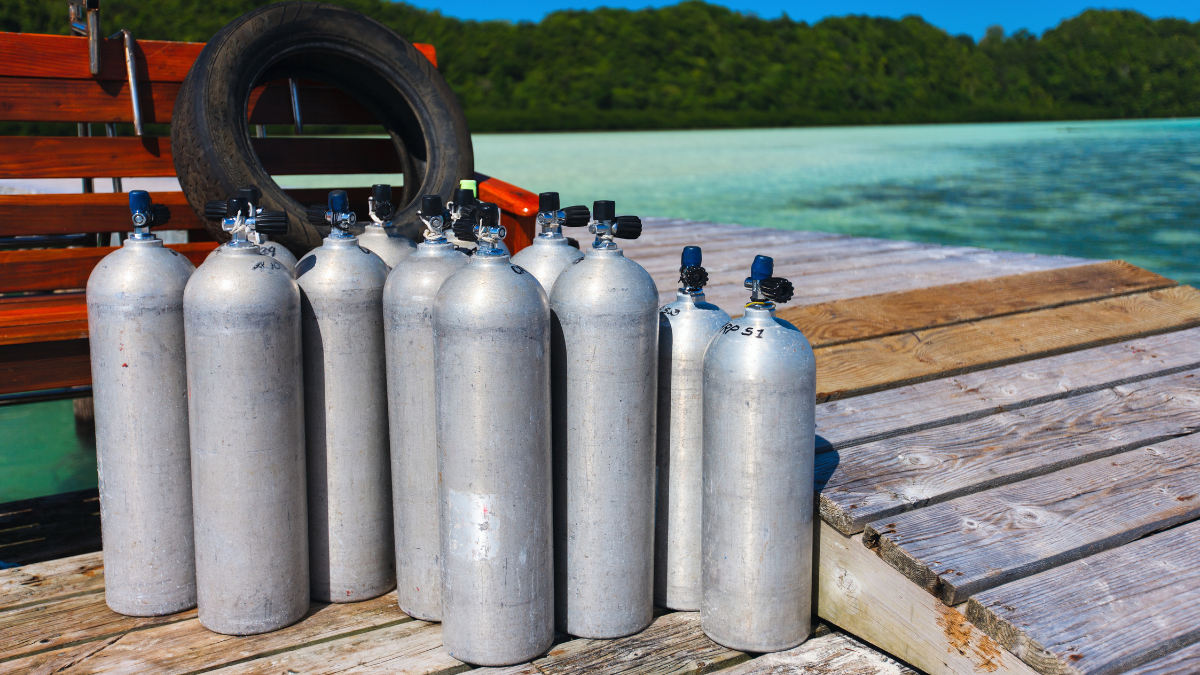
In Europe we usually dive with the metric system (BAR, meters and liters), while many American and Caribbean dive destinations work with the imperial system (PSI, feet and cubic feet). Especially in Florida, Mexico and...
Read moreDiving with hammerhead sharks in Mikomoto, Japan
Mikomoto Island in Japan is known for spectacular encounters with large schools of hammerhead sharks. In this blog you will read what to expect underwater, when you have the best chance and why this dive...
Read moreDiving in Japan: the different regions
Japan is a surprisingly diverse diving destination with huge differences between its regions. From hammerhead sharks and manta rays to ice diving and unique underwater landscapes, each region has its own character.
Bahamas trip report – Diving with sharks with the Bahamas Aggressor II
The Bahamas is one of the best destinations in the world for shark diving. Read what her trip to Tiger Beach was like in Margriet’s travelogue.
Diving in Dominica: a complete guide
Dominica offers a unique diving experience with volcanic landscapes, pristine reefs and impressive marine life. In addition, the combination of nature above and below the water and the presence of sperm whales makes this destination...
Read moreTrip report – Bram’s liveaboard trip in Egypt: Brothers, Daedalus & Elphinstone
Bram takes you along the iconic NDE route in Egypt, with strong currents, deep blue dives and encounters with large pelagic species. An honest and inspiring account that gives you a good idea of what...
Read more6 places to spot humpback whales
Humpback whales are one of the largest and friendliest marine animals you can encounter. At these five destinations, you’ll get a chance to see them up close – and sometimes even snorkel with them.
Why ecological excursions are essential for sustainable diving and wildlife tours
What are ecological excursions and why do they matter? Learn how to consciously choose to dive sustainably and protect whale sharks and coral reefs.
Best dive destinations by month (July to December)
Discover the best diving destinations from July to August. Per month 4 top dive sites and why you should go there during that period.
Best dive destinations by month (January to June)
Discover the best diving destinations from January to June. Per month 4 top dive sites with ideal conditions and unique underwater experiences.