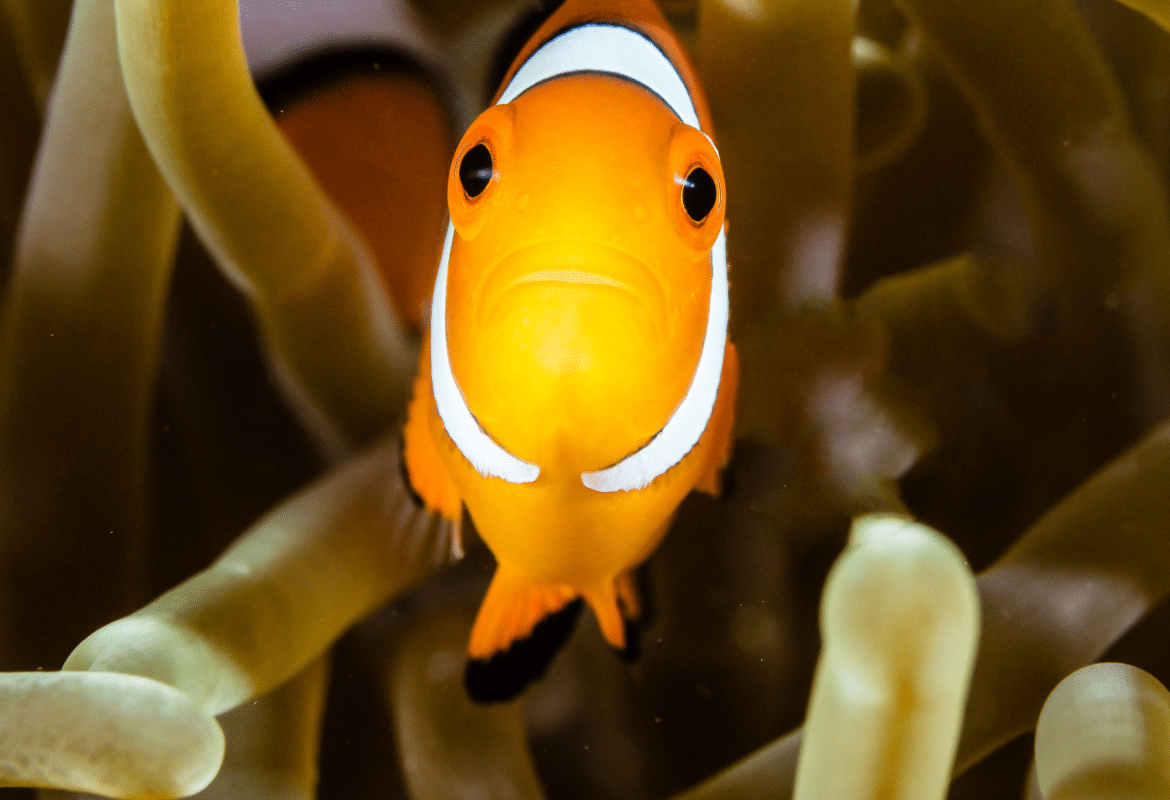
Everything you need to know about liveaboards

Are you an avid diver and planning your next diving vacation? Then a liveaboard might be for you. In this blog we explain everything about liveaboards: what to expect, what to bring and what to look out for. That way, you’ll know exactly whether a liveaboard suits you.

What is a liveaboard?

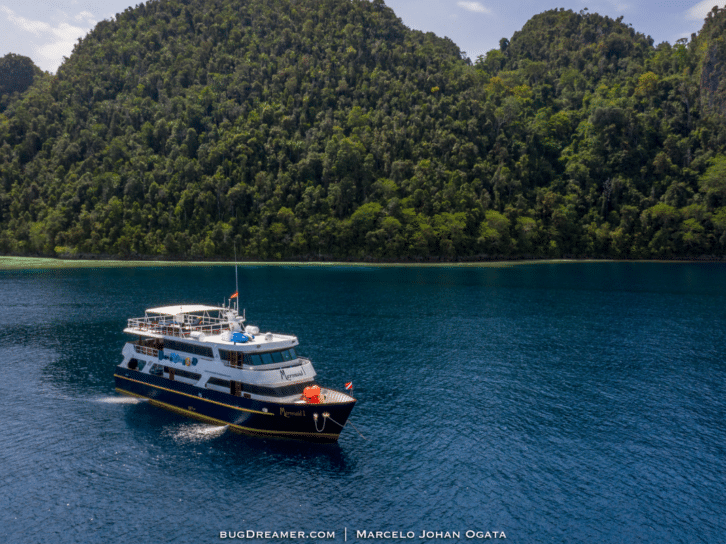
A liveaboard is a boat fully equipped for divers, where you stay on board for several days to dive, sleep and live. With a liveaboard, you can often reach remote dive areas because the boat does not return to port every day. The boat sails a specific route and allows you to make several dives during the day, usually 3, but sometimes up to 5 per day.

How to choose the right liveaboard?
The range of liveaboards and itineraries available is enormous, which can sometimes make it difficult to choose. The most important thing is to choose a boat where safety comes first. In addition, it is good to look at your own experience: what certification level do you have and which route fits that? Your personal preferences also play a role: do you want to dive wrecks, spot sharks or discover special reefs? We are happy to help you find the liveaboard trip that suits you perfectly.

Is a liveaboard expensive?

The price of a liveaboard depends greatly on where you go. Trips to Egypt are often a bit cheaper than to the Galapagos Islands, where you pay for the special destination. With many trips, everything is all-in: food, accommodation and diving are included. Additional charges may be for alcoholic beverages, tips or sometimes a marine fee. The type of boat also plays a role in the price. The most important thing is to never compromise on safety: always choose a reliable boat.

How do you make a good price comparison?

When comparing liveaboards, don’t just pay attention to the price you see. Additional fees you have to pay locally, such as marine park fees or gratuities, can significantly affect the final price. It’s also important to look at what is included in the price: are Nitrox, dive equipment or special dives such as night dives included, or do they come on top? So sometimes a particular boat seems cheaper, but you still have to pay quite a bit locally.

In the Maldives, it is also the case that you pay an additional fee when you pay by credit card and there are local taxes. So it can be quite expensive if you still pay things locally there.

The biggest differences between boats are often precisely in these extras. We’re happy to help by sorting it all out for you, so you know exactly what you’re getting. Be careful when comparing prices: cheap can sometimes be expensive if important costs or services are not included.

The different options: budget, mid-range and luxury

Liveaboard boats can be roughly divided into three categories: budget, mid-range and luxury. The main difference is in the size and comfort of the cabins, the quality and variety of the food, the service on board and the extra facilities, such as a spa, jacuzzi or spacious lounges. The size of the boat also varies, which can affect the atmosphere and how many fellow divers you meet.

Whatever your boat, in terms of diving you won’t compromise. The itineraries lead you to the same beautiful dive sites and the guides are always experienced and professional. This allows you to fully enjoy the diving, regardless of whether you choose a more basic or luxury experience. Moreover, a luxury boat often offers just a little extra comfort between dives, while a budget boat focuses on efficiency and an intimate atmosphere.

Below we give you 3 examples of the different categories for boats in the Maldives.

Budget option
Budget option

A good example of an affordable liveaboard in the Maldives is the Princess Dhonkamana. You will stay on board here for seven nights and can make up to eighteen dives. The stay is on a full board basis, including coffee, tea and water, so you don’t have to worry about anything. The boat is small and comfortable, with cozy social areas and cabins with private bathrooms and air conditioning. Despite being one of the more affordable options, you don’t compromise on the diving: you are accompanied by experienced guides and sail to the same beautiful dive sites as on larger and more expensive boats.

Mid-range option

The Carpe Novo is a fine mid-range liveaboard for those seeking comfort without a luxury price. You will stay on board for seven nights and make up to seventeen dives, with full board included. One evening there is even a special beach BBQ. Cabins are comfortable with private bathrooms and air conditioning, and on board there are spacious lounges and a sundeck to relax between dives. This way you combine intensive diving with a pleasant stay at sea.

Luxury option

The White Pearl offers a comfortable seven-night liveaboard trip with up to 17 dives. You stay on a full board basis, so you don’t have to worry about anything. The boat is elegantly designed and has stylish air-conditioned cabins with private bathrooms. On board, you’ll find a lounge area, camera room and sun deck to relax between your dives. Thanks to professional guides and extensive diving frequency, you combine your underwater adventure with peace and quality on board.

What does a day on a liveaboard look like?

A day aboard a liveaboard revolves entirely around diving. Herewith a sample daily program:

  • 06:00 Wake up
  • 06:30 Dive briefing 1 & dive 1
  • 08:30 Breakfast
  • 09:30 Dive briefing 2 & dive 2
  • 12:00 Lunch
  • 13:30 Dive briefing 3 & dive 3
  • 15:00 Snack
  • 16:00 Dive briefing 4 & dive 4
  • 18:30 Supper
Daily schedule liveaboard Maldives White Pearl

Other frequently asked questions about a liveaboard

Where can you take a liveaboard trip?

You can take a liveaboard trip in a surprising number of places around the world. Egypt, the Maldives and the Galapagos Islands are perhaps the best-known destinations, but certainly not the only ones. The Bahamas, the Philippines, Indonesia, Oman and Belize also offer wonderful trips where you dive from the water every day. In total, you will find liveaboards in about 20 countries on our website, all with their own character and underwater world. You can find the liveaboard destinations here.

You can take a liveaboard trip even with an Open Water certification. Because you do a lot of diving in a short time, you often find that your underwater skills improve quickly. On some boats you can also take follow-up courses, although you have to arrange this in advance.

There are additionally liveaboards for which you must be at least Advanced Open Water certified and require at least fifty logged dives. This is because the dive profiles are more challenging. Think deeper dives, currents or diving with sharks. For the safety of the entire group, it is important that everyone has sufficient experience.

However, we do recommend having made at least 20 dives before going on a liveaboard trip. You will not truly enjoy a trip like this until you are comfortable in the water. Together we can look at a boat and/or itinerary that best suits your level of experience.

During a liveaboard, you often make several dives a day. That’s exactly why nitrox is recommended. Because of the higher oxygen content and lower nitrogen content in the air you breathe, you build up nitrogen less quickly. As a result, you can usually maintain slightly longer zero times and often feel less tired during such an intensive week of diving.

It is not an obligation, but it is a fine way to dive more comfortably if you make many consecutive dives.

You can also take the nitrox specialty on many boats.

The duration of a liveaboard trip depends on the destination and itinerary. In Egypt, most trips last about 7 days. In Thailand, there are also shorter itineraries where you spend 4 days on board. Each destination has its own options, ranging from a few days to a full week or longer.

During a liveaboard, you usually make at least 3 dives per day. Depending on the destination and itinerary, it can sometimes be 4 or even 5. Often you start with a dive before breakfast, and on many trips a night dive is also included. Whether that is possible depends very much on where you are going. In areas with sharks, for example, there is usually no night dive.

Every liveaboard has a dedicated deck for dive gear. Often you have your own spot for the week and get a crate where you can put the loose gear. Your trim vest is left around the bottle and the regulator is removed from the bottle. That way, the crew can easily fill your bottle.

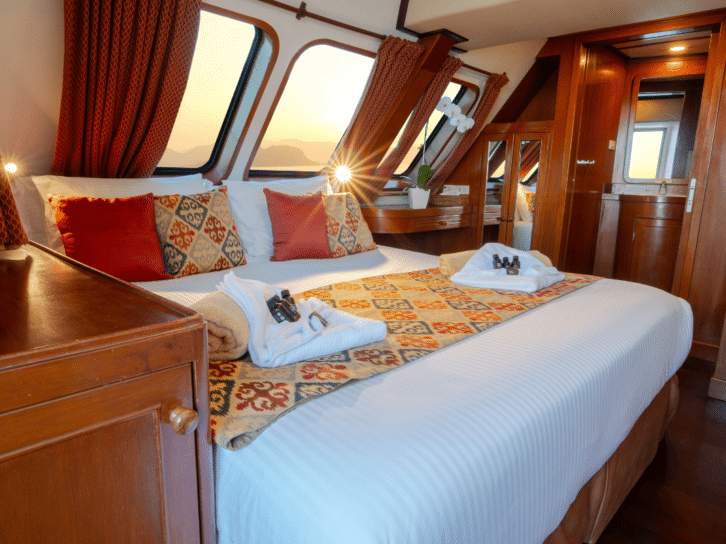
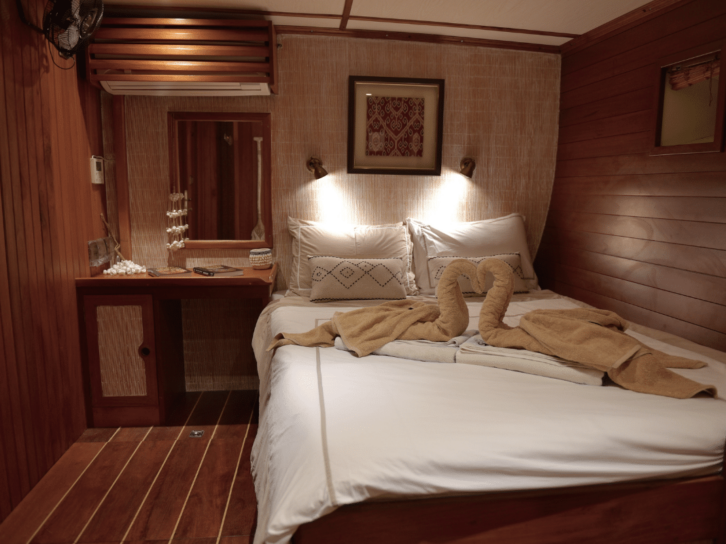
During a liveaboard, you live aboard the ship and stay in a comfortable cabin. You can usually choose whether you want a cabin at the bottom of the ship or prefer to sleep on the first deck. The main difference is in the amount of natural light and space in the room. Each cabin has a private bathroom. How luxurious it all feels depends on the boat you choose and the country you are sailing in.

Most boats have about 12 cabins, thus accommodating about 24 divers. This can vary from boat to boat. There are larger liveaboards that take more than 30 travelers and smaller boats where you are on board with a more intimate group.

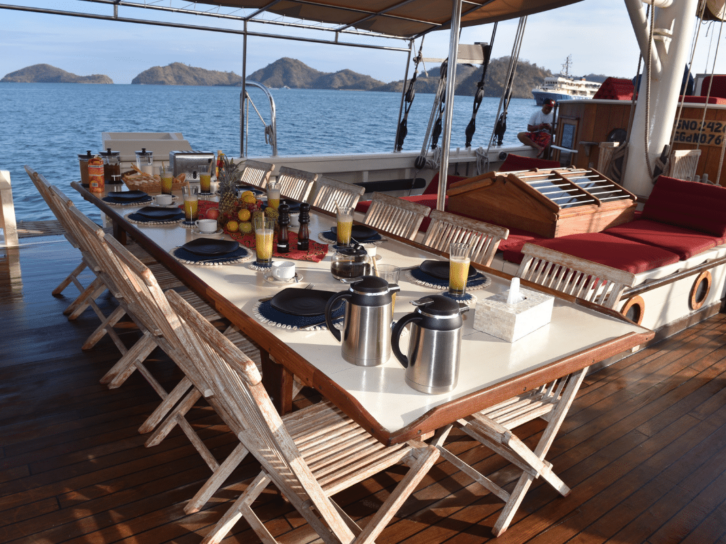
The food on board is often of excellent quality. Exactly how it is depends on the boat you choose. Some boats even have snacks available throughout the day.

Some liveaboards offer wine and beer with meals, and the Aggressor boats even offer table service. Other boats work with a buffet. For example, you can enjoy an omelet or other dish of your choice in the morning after your first dive.

Besides your scuba gear, you actually need surprisingly little. You walk on almost all boats without shoes, so you really only need to bring the pair of shoes you already wear on the outward journey.

In addition, it is good to check what is already present on the boat. Towels, bathrobes and sometimes even shampoo may already be there. Consider further:

  • Sunscreen (reef safe)
  • Cap or hat
  • Sunglasses
  • Easy clothes in which you are comfortable
  • Clothing that is warm in the evening
  • Games or books (sometimes there is no internet)
  • Medication for seasickness
  • Spare parts for your diving equipment
  • Chargers

Why choose a liveaboard?

There are lots of reasons to choose a liveaboard, but these are our reasons to choose a liveaboard trip!

Lots of diving

On a liveaboard, your entire vacation revolves around diving, so you’re often in the water. You will make at least three dives a day, but often it will be four or even five. Exactly how many dives you make depends on the itinerary you choose, so you can influence this in advance. It is the ideal way to quickly improve your diving experience and see a lot of the underwater world.

DCIM100GOPROGOPR1084.JPG

Remote areas

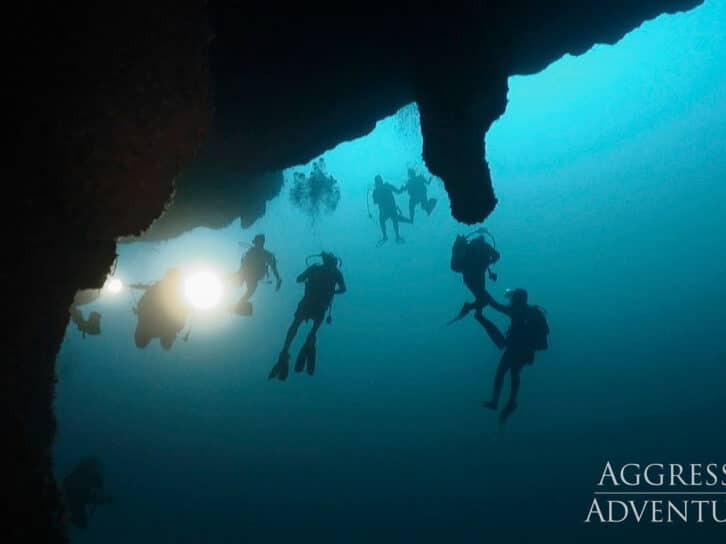
With a liveaboard, you can reach dive sites that are too far for a day trip. Consider Wolff and Darwin near the Galapagos Islands or the Cocos Islands. These remote locations often offer spectacular underwater experiences with rich biodiversity and few other divers around you. On a liveaboard, you can spend several days diving in the same spot, giving you the chance to really dive the area and not miss special encounters with large marine animals or unique coral formations. It is a perfect way to discover places that would otherwise be almost inaccessible.

Just divers around you

During a liveaboard, you spend a week surrounded by other divers. Even though you come from different countries, you always have something to talk about: diving. It’s the perfect way to exchange experiences, get tips and find new dive buddies, all while sharing the same passion.

Relaxing on board

Between dives you don’t have to worry about anything. Everything is taken care of for you: your food, your sleeping place and transportation to the dive sites. That means you can fully concentrate on diving and enjoy the surroundings. Between dives you can relax on the deck, read a book or just enjoy the view of the sea. The rhythm of the day is all about diving and relaxation.

On some boats you can do other water sports besides diving, such as supping or kayaking. And there are even boats with a jacuzzi on deck!

Unique underwater experiences

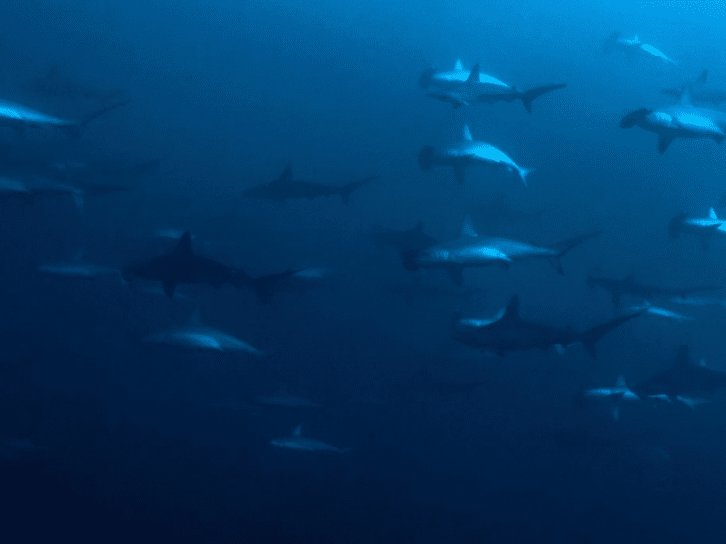
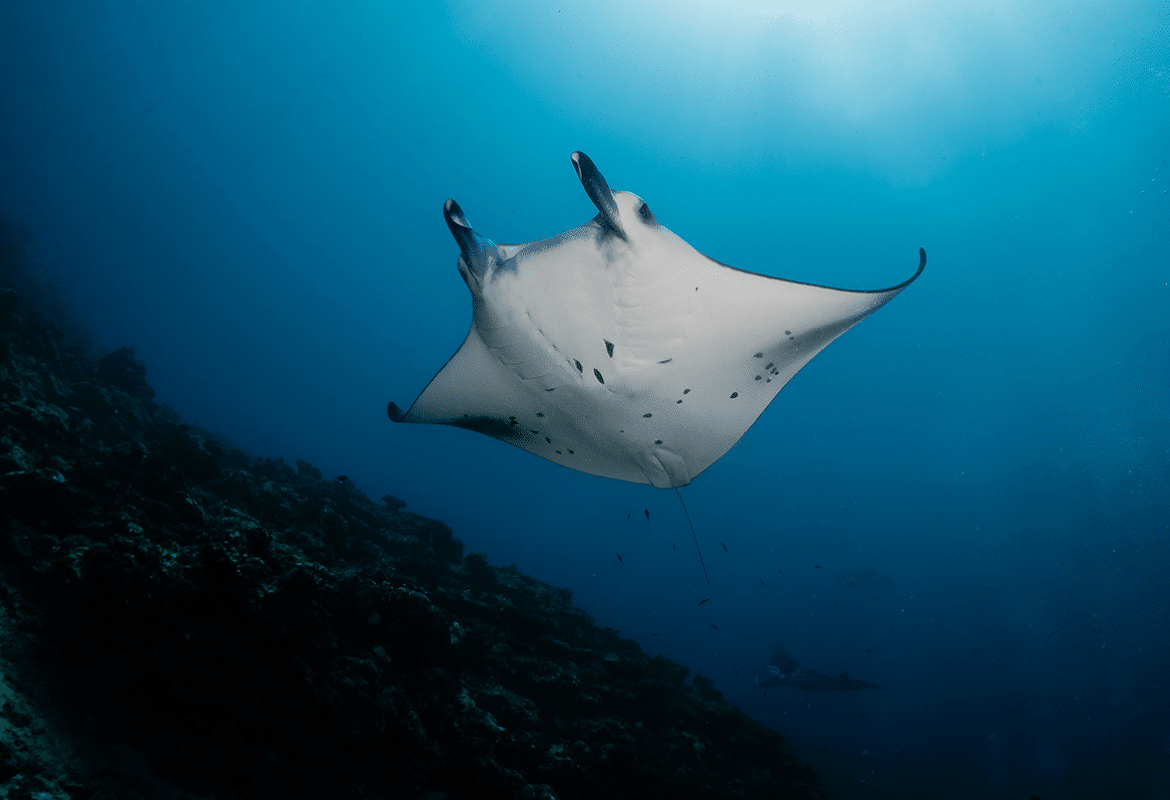
Liveaboards often offer dives you won’t make on a regular day trip. Think night dives where the underwater world comes alive in a totally different way, or encounters with large marine animals such as sharks, manta rays or even whale sharks. Moreover, because you can dive in the same spots for several days, you have the chance to spot unusual species and explore your favorite dive sites quietly, without the crowds of other divers.

Travelogue of a liveaboard trip in the Bahamas

Margriet was recently in the Bahamas aboard a liveaboard to dive with tiger sharks. In addition to tiger sharks, you will also see Caribbean reef sharks, lemon sharks and nurse sharks during the dives. Wondering what the trip was like? You can read about it in her trip report.
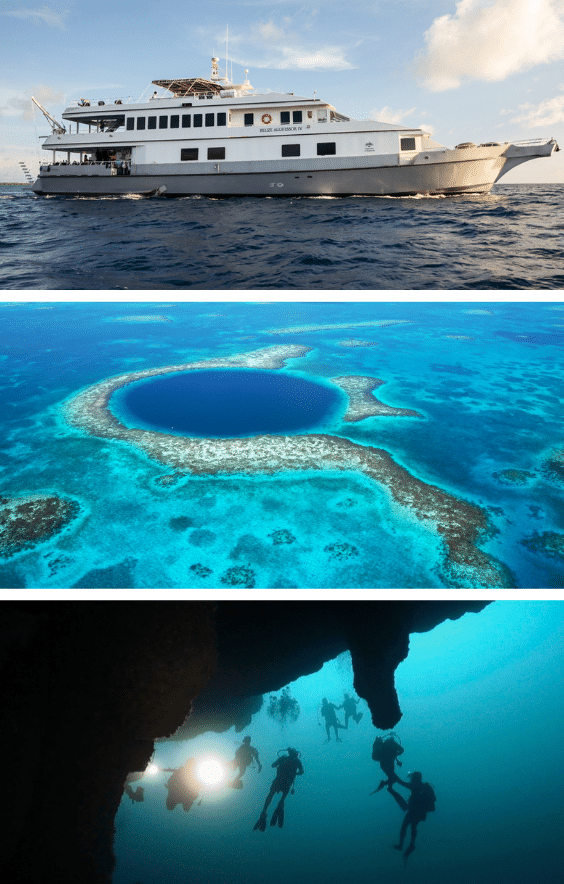
Our favorite boats

There are so many beautiful liveaboards that it is sometimes hard to choose, but a few boats really stand out for us because of their unique experience, service and atmosphere:

  • Mermaid – Known for the perfect diving experience, with super experienced local guides and delicious food. The cabins are basic, but the diving makes up for that.
  • Aggressor – Excellent service and all-inclusive. Ideal for those who want to concentrate fully on diving without worrying about additional costs.
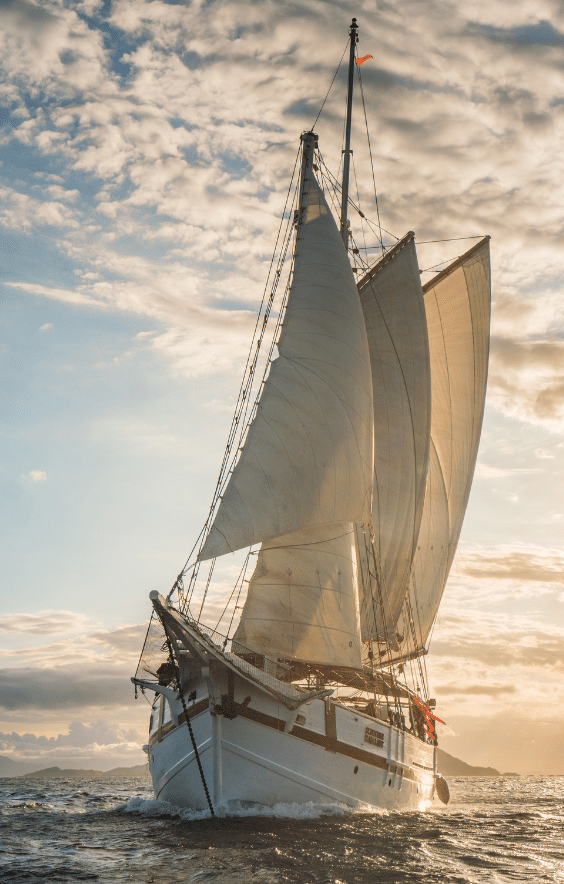
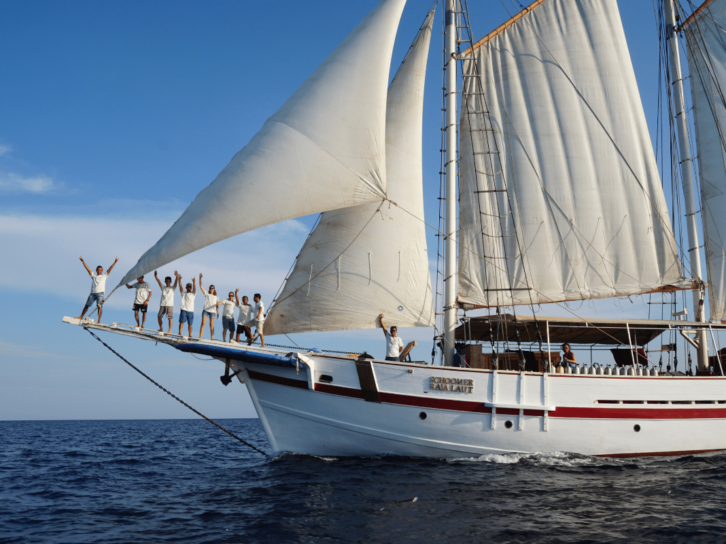
  • Emperor Raja Laut – A charming sailing ship with an intimate atmosphere. Perhaps a little less luxurious, but a special experience you won’t soon forget.
  • Galaxy Divers II – Perfect for those visiting the Galápagos. Experienced guides and the best itineraries ensure an unforgettable underwater experience.

Want to read more?

Komodo Indonesia Mantas

Where can you see manta rays in Indonesia?

Indonesia is one of the best destinations in the world for seeing manta rays. Komodo, Raja Ampat, and Nusa Penida each offer a unique manta ray experience.
Read more
Komodo Indonesia Mantas

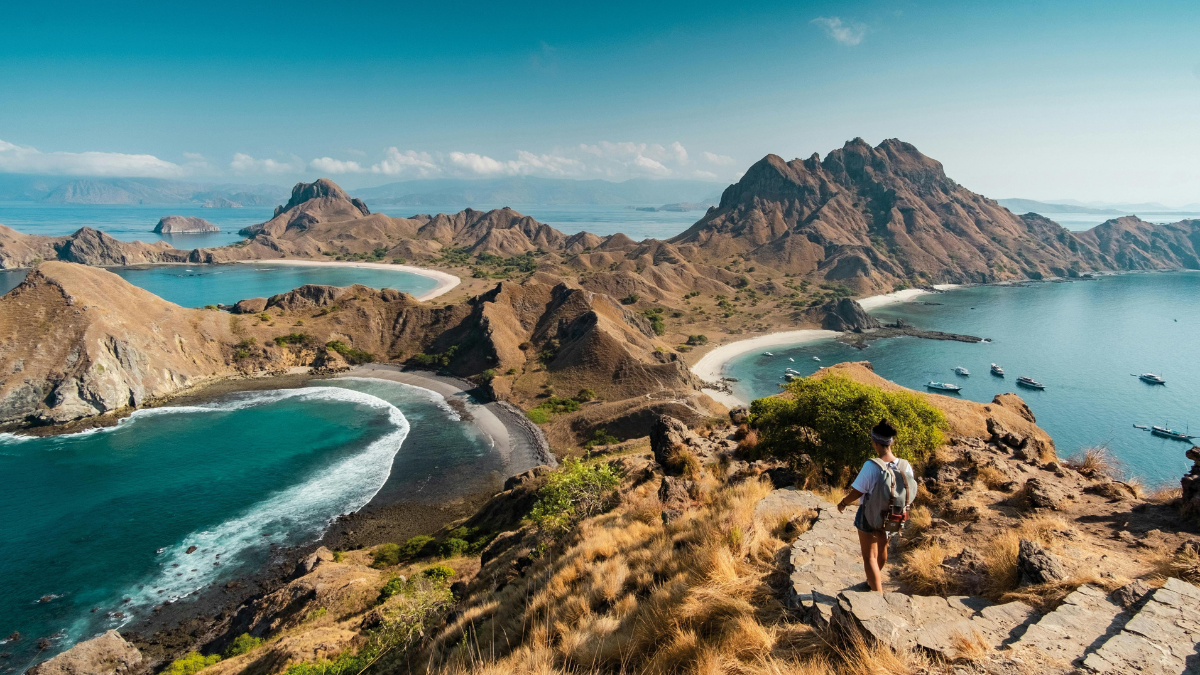
Diving in the Komodo Islands in Indonesia

Komodo is a spectacular diving destination for those looking for manta rays, abundant marine life, and challenging currents. Discover the best time to visit, diving options, accommodations, and itineraries with EWDR.
Read more
Underwater Photography

Tips from Underwater Photographer Thomas Van Puymbroeck

Discover the best tips for underwater photography from photographer Thomas Van Puymbroeck and learn more about our annual photography trips.

Read more
Visayas Philippines Round trip

Philippines trip report • Looking back on a diving trip in the Visayas

A special travelogue by Sebastiaan and Robbert, who went on an unforgettable diving trip together sixteen years ago. Old photos and memories bring those special underwater encounters back to life.
Read more
Sumatra Coral reefs

Diving in Sumatra: a complete guide

Diving in Sumatra combines colorful coral reefs with impressive natural scenery above water. Discover Pulau Weh, the Mentawai Islands, and the most beautiful spots for a complete diving trip.

Read more
Boat Dives

10 Unique encounters every diver wants to experience at least once

The underwater world is full of extraordinary encounters. Discover which underwater encounters you shouldn’t miss and where you’re most likely to experience them for yourself.
Read more
Boat Dives

Diving destinations where you’ll feel like you’re the only person in the world

At some diving destinations, you’ll practically have the reef all to yourself. Discover six remote destinations where peace and quiet are still the norm.
Read more
Moluccas Coral reefs

Diving in Morotai & Metita: a complete guide

Wondering what makes Morotai and Metita so special? In this blog, you’ll discover everything about this unspoiled diving destination in North Maluku.

Read more
Papua New Guinea Coral reefs

Diving in Papua New Guinea: a complete guide

Diving in Papua New Guinea is a unique experience in the heart of the Coral Triangle. Discover colorful reefs, extraordinary marine life, historic shipwrecks, and pristine dive sites.
Read more
Boat Dives Hammerheads

Diving with hammerhead sharks: What are the best destinations?

Discover the best destinations in the world for diving with hammerhead sharks. Find out where you’re most likely to encounter them, when the best time to travel is, and what diving certification is required.
Read more
Indonesia Liveaboard

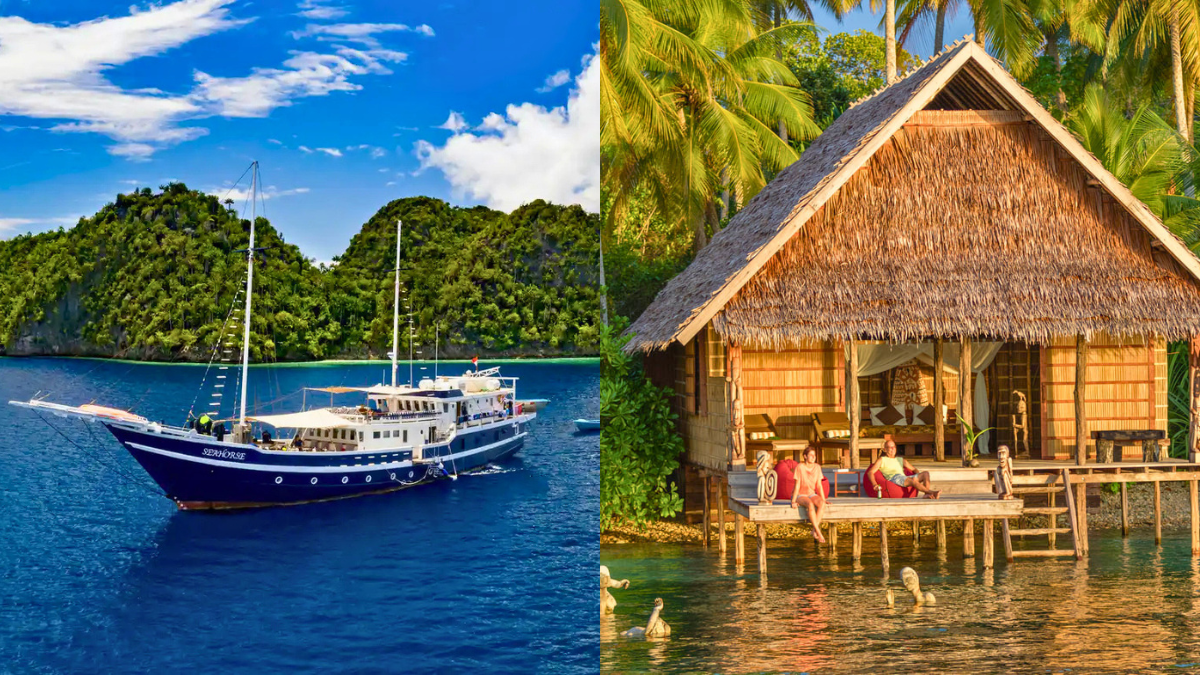
Diving Trip to Raja Ampat: Resort or Liveaboard?

Are you trying to decide between a liveaboard and a dive resort in Raja Ampat? In this blog, we’ll explain the differences and help you determine which type of trip best suits your needs.
Read more
Mauritius Drive & Dive Round trip

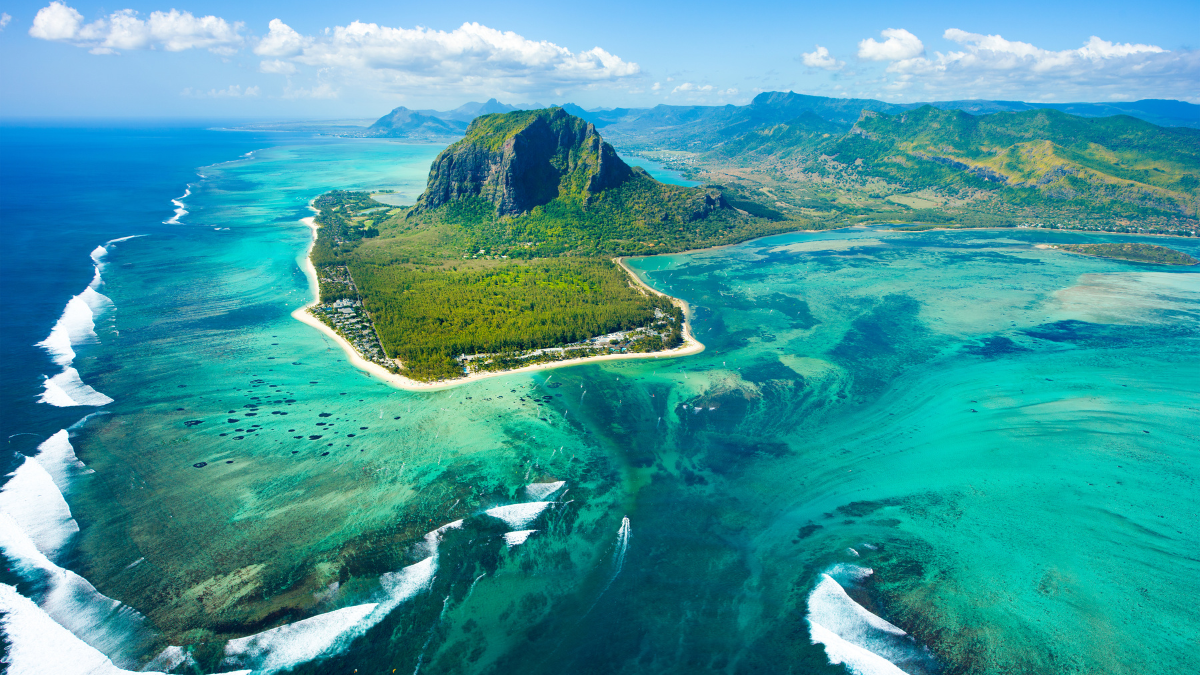
Diving in Mauritius: A Complete Guide

Mauritius offers colorful coral reefs, impressive shipwrecks, and a surprisingly diverse array of marine life. In this guide, you’ll find everything you need to know for a diving vacation in Mauritius.

Read more
Iceland Drive & Dive Round trip

Diving in Iceland: a complete guide

Diving in Iceland is all about the unique combination of the Silfra Gorge and rugged sea diving along volcanic shores. On a round-trip tour, you will not only discover the underwater world, but also one...

Read more
Mozambique Vilanculos Whales Unique Encounters

Whales, sharks, and manta rays: Key insights from the BCSS Impact Report 2025

The BCSS Impact Report 2025 highlights the rich marine life around the Bazaruto Archipelago in Mozambique. From humpback whales and manta rays to endangered sharks, the study confirms why this area is one of Africa’s...

Read more
Combination Trip

Diving vacation with a non-diving partner? These destinations are perfect for both of you

Not every diving vacation has to revolve entirely around diving. These destinations offer plenty of above-water activities so divers and non-divers alike can have a great trip.

Read more
Boat Dives Dolphins

Diving with wild dolphins: where do you have the best chance?

Encounters with wild dolphins are among the most beautiful experiences you can have as a diver. Find out where worldwide you have the greatest chance of encountering these intelligent marine mammals in their natural habitat.

Read more
Bahamas Tiger Sharks Sharks Liveaboard

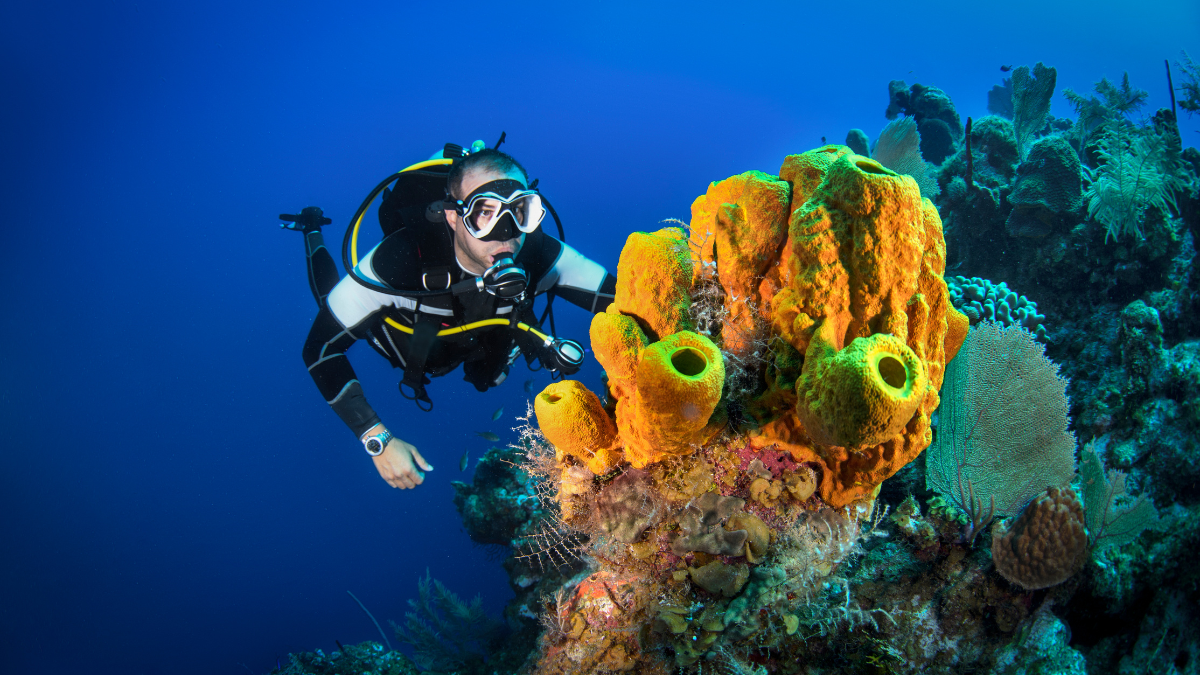
Diving with (tiger) sharks: how to prepare?

Diving with tiger sharks is less scary than many people think, provided you enter the water well prepared. With the right experience, calm demeanor and respect for the animals, these encounters often become unforgettable dives.
Read more
Caribbean region

Our favorite diving destinations in the Caribbean

Not every Caribbean destination is known as a true diving hotspot. In this blog you’ll discover which islands are best suited for diving, where exactly you should be for big animals, wrecks or macro, and...

Read more
Caribbean region

Diving destinations in the Caribbean

The Caribbean offers much more variety than just tropical reefs and clear water. In this blog you will discover which destination best suits your needs: from pelagic life and unique dives to adventure above water...

Read more
Liveaboard Resort Unique Encounters

Why some dive destinations fill up years in advance

Some dive destinations and liveaboards fill up quickly due to limited capacity, short peak seasons and high international demand. Especially popular itineraries and high-end liveaboards in destinations such as Raja Ampat, Galápagos, Socorro and Egypt...

Read more
Socorro Liveaboard Unique Encounters

Discounted admission to Socorro: this is what you need to know about the new park fees

As of Jan. 1, 2025, park fees for Socorro doubled, but thanks to new exceptions and discounts, many travelers can save big. And that’s good news, because Socorro, with its manta rays, sharks and spectacular...

Read more
Europe North and South America

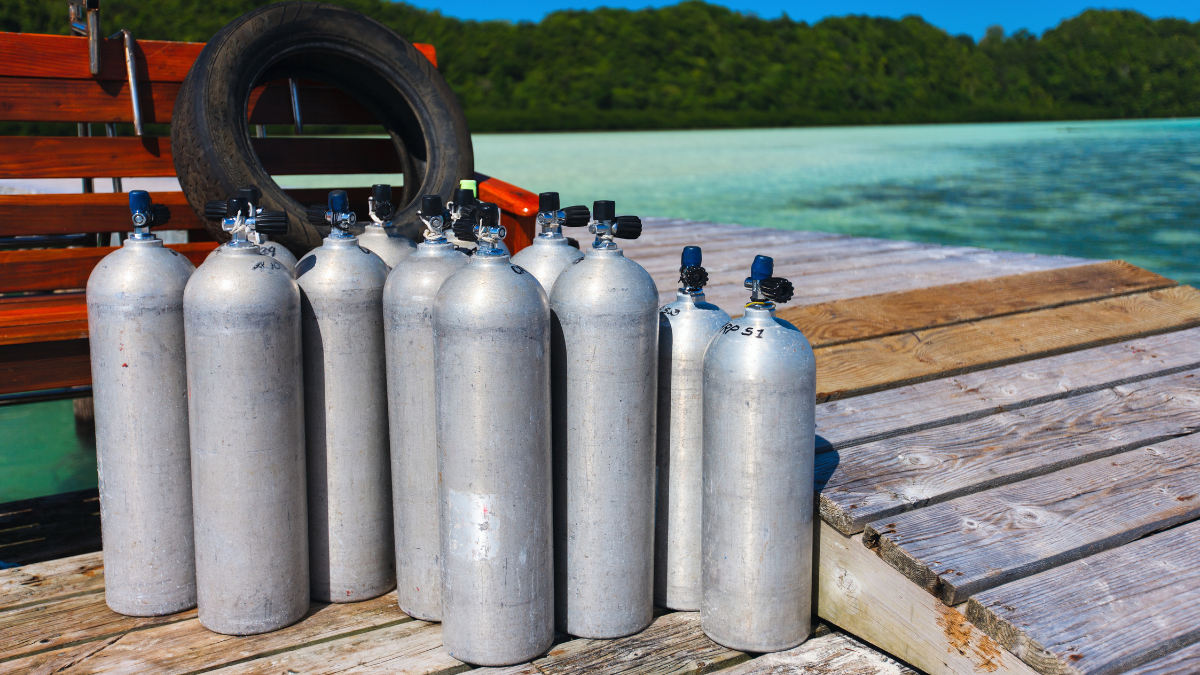
Metric vs imperial system in diving: what are the differences?

In Europe we usually dive with the metric system (BAR, meters and liters), while many American and Caribbean dive destinations work with the imperial system (PSI, feet and cubic feet). Especially in Florida, Mexico and...

Read more
Japan Izu Hammerheads

Diving with hammerhead sharks in Mikomoto, Japan

Mikomoto Island in Japan is known for spectacular encounters with large schools of hammerhead sharks. In this blog you will read what to expect underwater, when you have the best chance and why this dive...

Read more
Japan Asia Hammerheads Coral reefs

Diving in Japan: the different regions

Japan is a surprisingly diverse diving destination with huge differences between its regions. From hammerhead sharks and manta rays to ice diving and unique underwater landscapes, each region has its own character.

Read more