Diving in Komodo: A Complete Guide
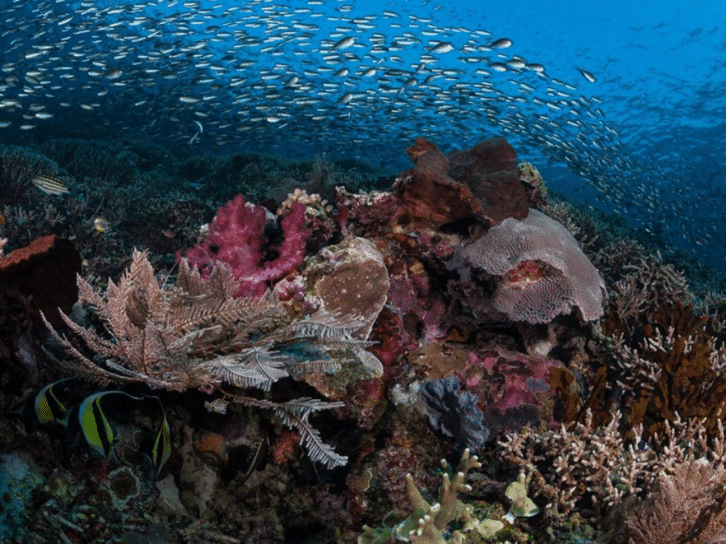
Rugged, wild, and full of adventure: those words perfectly describe Komodo. This destination in Indonesia is especially suited for divers who aren’t afraid of a bit of current and who want to come face-to-face with manta rays. Surrounding the islands are spectacular dive sites with colorful reefs, steep walls, and a wide variety of marine life. From enormous manta rays and reef sharks to tiny macro creatures: when diving in Komodo, you never know exactly what you’ll encounter.
But Komodo has more to offer than just impressive diving. Above water, you’ll find a rugged landscape with arid hills, deserted beaches, and, of course, the famous Komodo dragons. It is precisely this combination of adventurous diving and a unique environment that makes Komodo such a versatile diving destination.

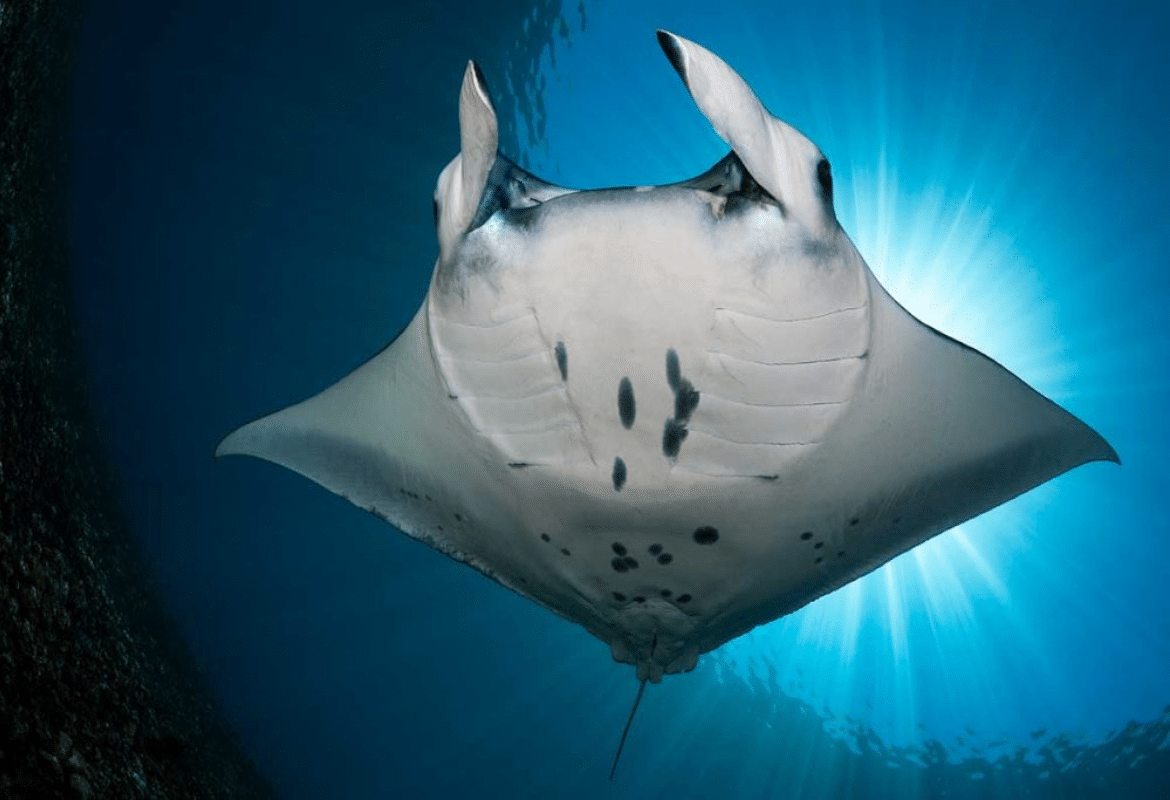
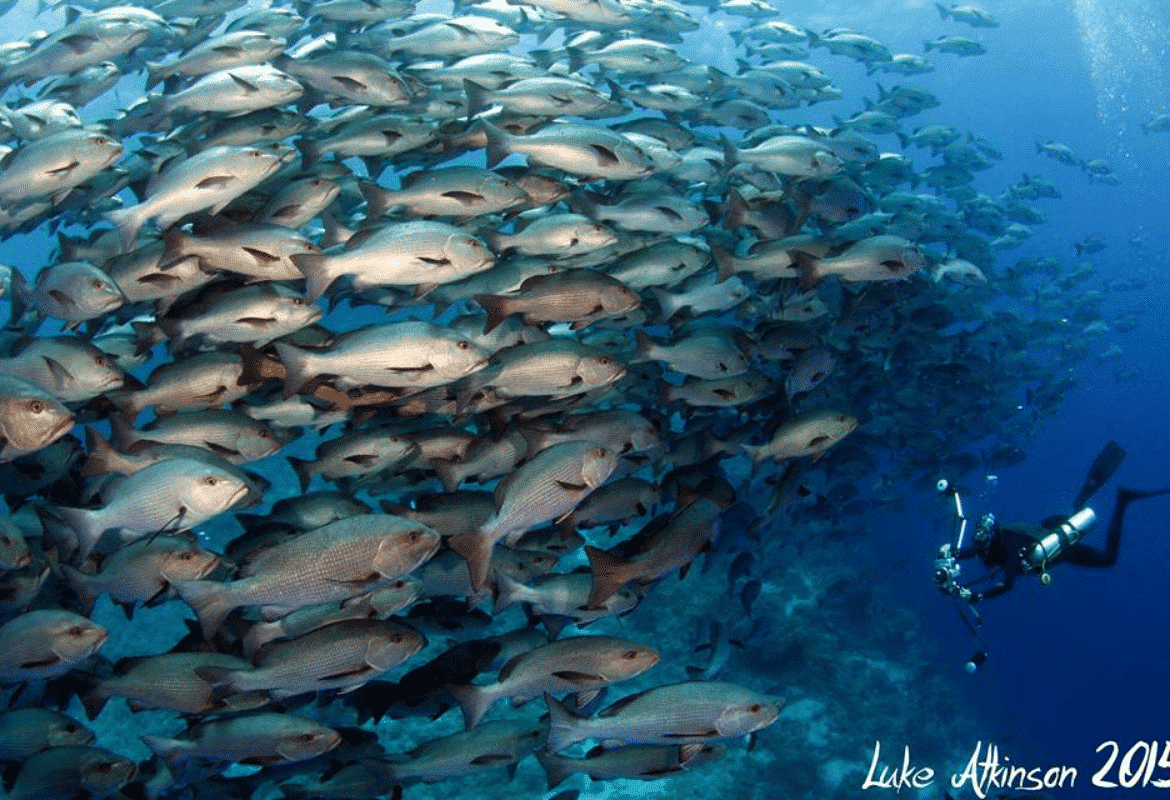
Table of contents
General Information About Komodo
Komodo is located in the Indonesian province of East Nusa Tenggara, between the islands of Sumbawa and Flores. The region consists of dozens of islands, of which Komodo, Rinca, and Padar are the best known. The area is part of Komodo National Park, which was established in 1980 to protect the unique natural environment and the Komodo dragon.
Komodo is known for its dry, rugged landscape. Unlike many other islands in Indonesia, the hills here are yellow and barren for much of the year. This gives the area a very different character than, for example, Bali or Sulawesi. Wild Komodo dragons inhabit several islands, and during guided excursions, you can observe these impressive animals under the supervision of a ranger.
Komodo has a tropical climate, but because it is located in the relatively dry region of eastern Indonesia, it receives less rainfall than many other parts of the country. The islands have distinct dry and wet seasons. Conditions at sea can vary greatly depending on the season and location, which is particularly important for divers.
How do you get to Komodo?
Komodo does not have its own airport. The nearest airport is in Labuan Bajo, on the island of Flores. There are direct flights to Labuan Bajo from Bali and Jakarta. From the airport, it takes about 10 to 15 minutes to reach the harbor, where boats depart for Komodo National Park.
Labuan Bajo is the main hub for visiting Komodo and also the departure point for most diving trips and liveaboards. If you’re not going on a liveaboard, you can take various day trips by boat from Labuan Bajo. A speedboat will get you to the islands in the national park relatively quickly, but the exact travel time depends on the destination and sea conditions. The trip to Komodo Island itself takes about 2 to 2.5 hours by speedboat. With a slower boat, the crossing can take about 4 hours or longer.
What makes Komodo so special?
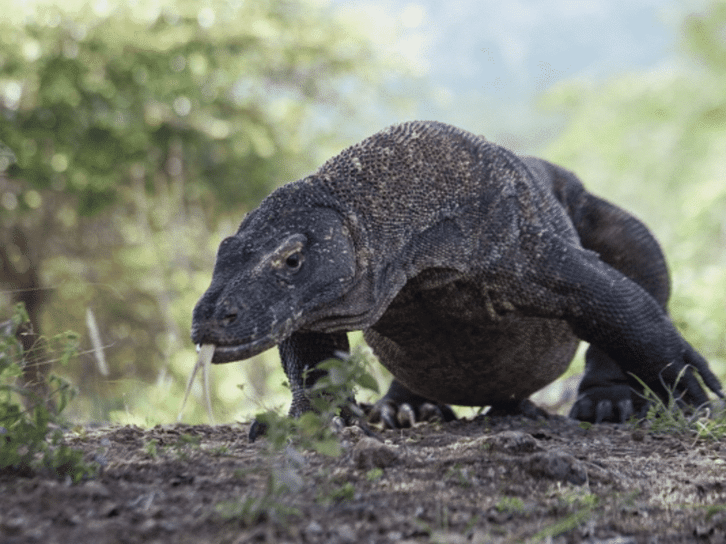
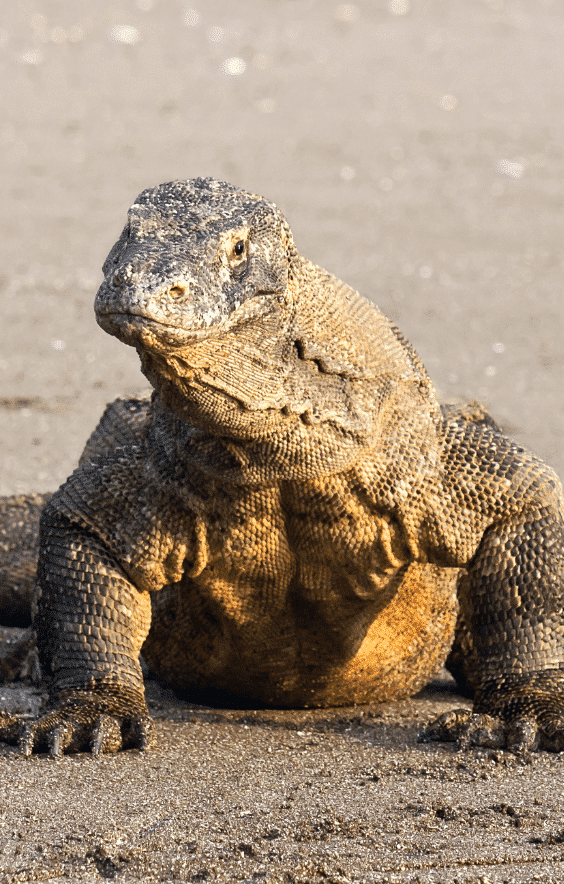
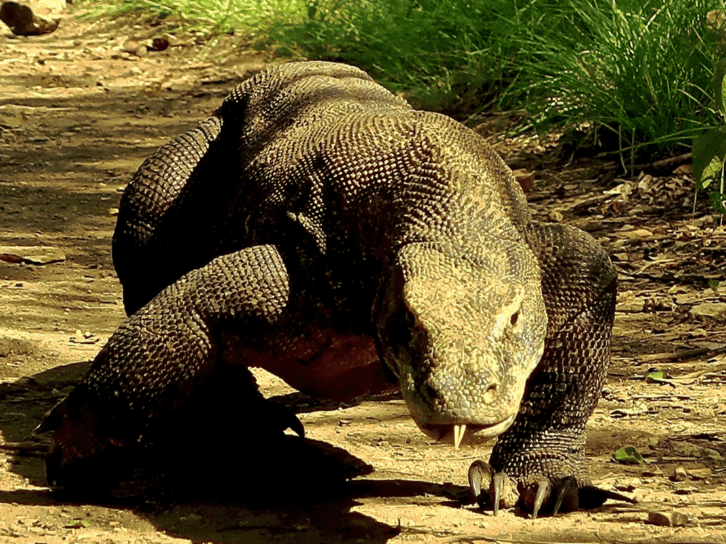
First and foremost, of course, is the Komodo dragon. Komodo is one of the few places in the world where you can see these impressive animals in the wild. During an excursion on Komodo or Rinca, you’ll set out with a ranger to search for the animals while exploring the unique, arid landscape of the national park.
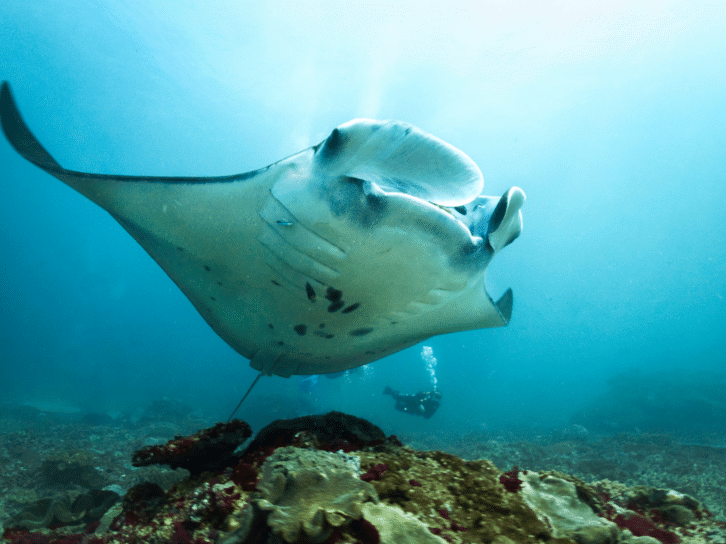
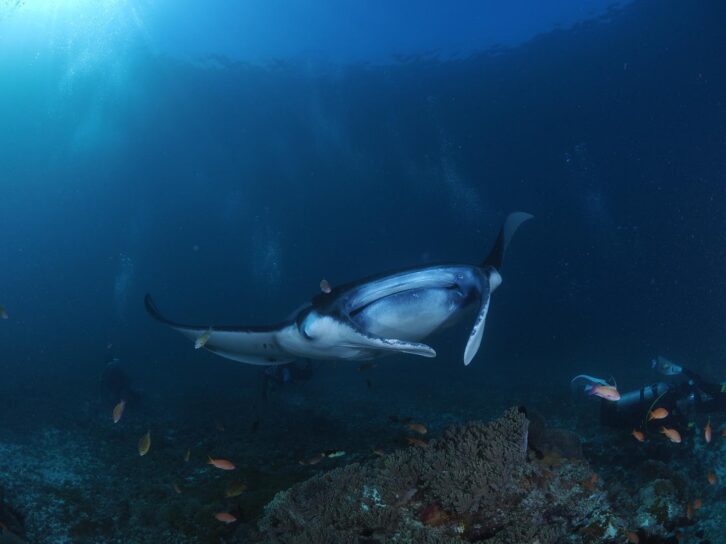
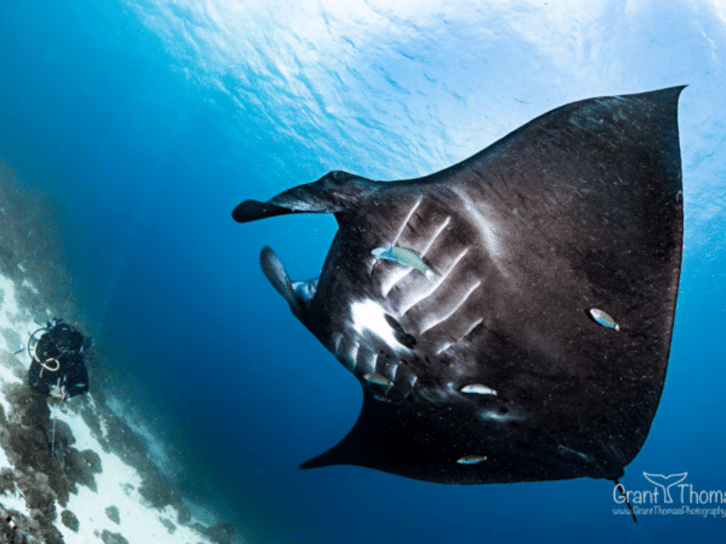
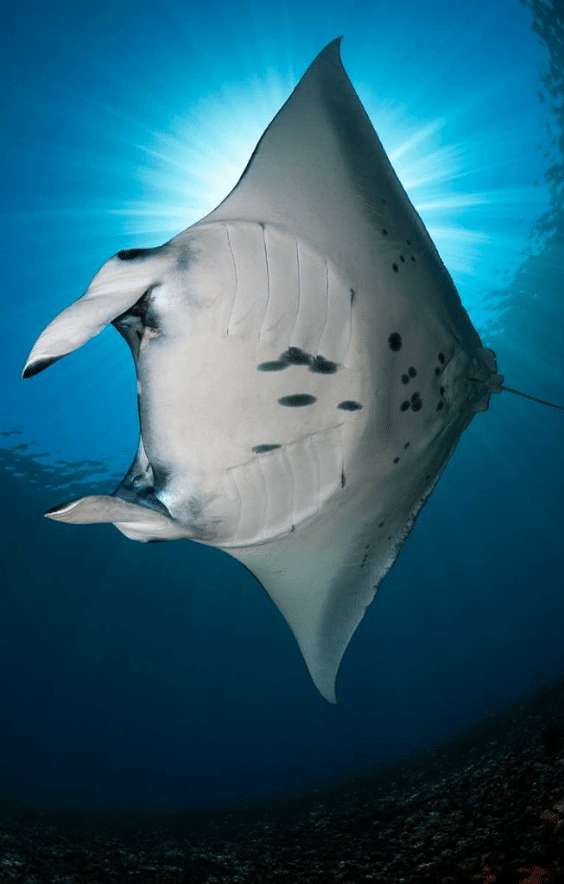
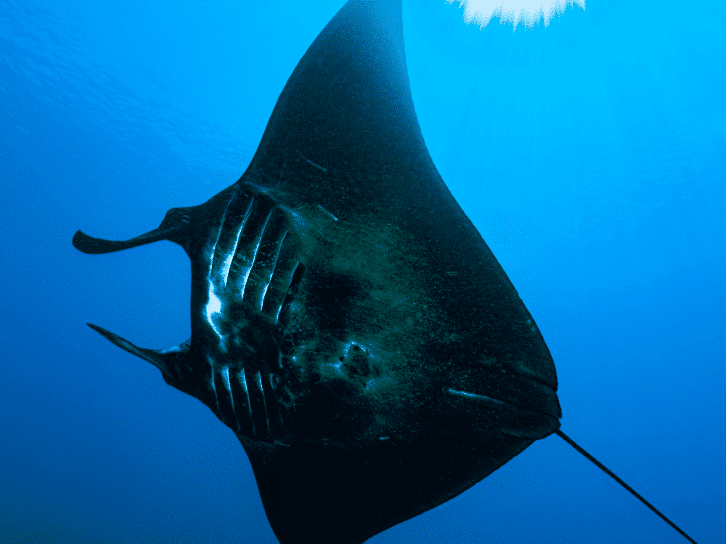
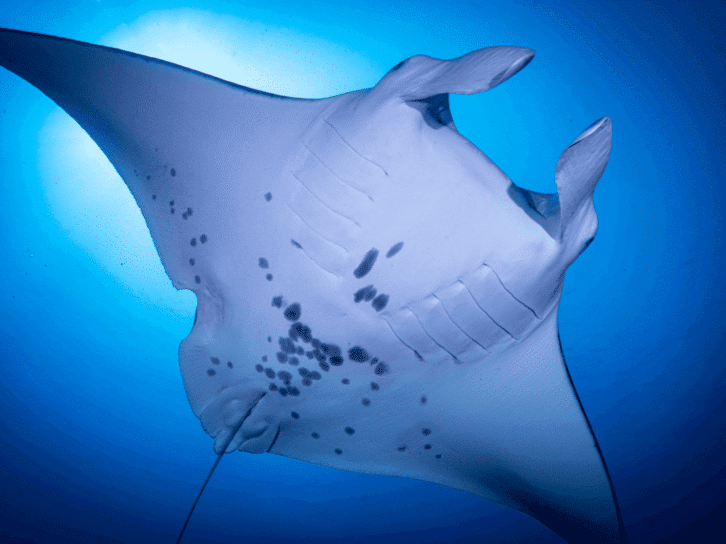
But for divers, there’s an even bigger reason to travel to Komodo: manta rays. Manta rays are found around the islands year-round, and at various dive sites, there’s a good chance you’ll encounter them during a dive. Sometimes you’ll see just one, but it’s also possible to see several manta rays circling above the reef at the same time.
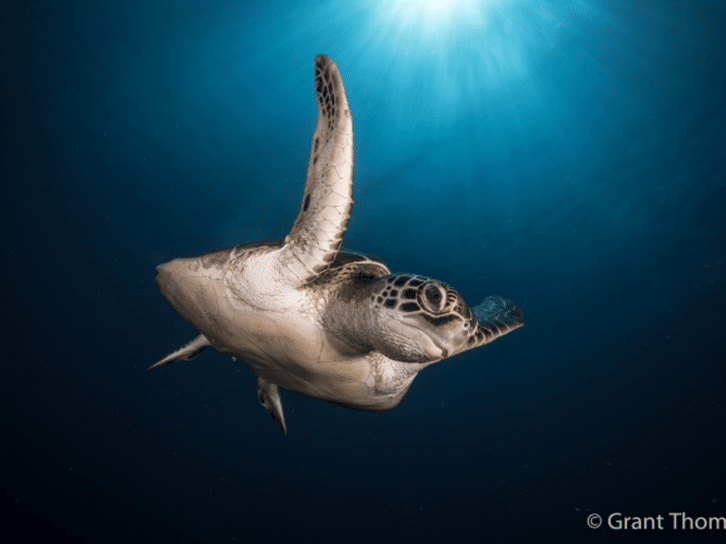
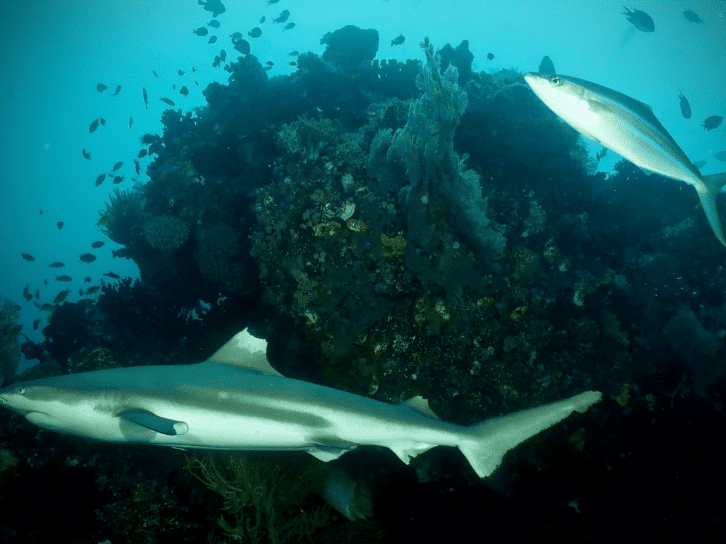
Add to that the underwater landscape. Komodo is located where the warm and cold ocean currents of the Indian Ocean converge. These currents carry plenty of nutrients and support an enormous amount of marine life. In addition to manta rays, you may encounter reef sharks, sea turtles, large schools of fish, and plenty of colorful reef life.
It is precisely the combination of manta rays, strong currents, spectacular dive sites, and the rugged landscape above water that makes Komodo so special. It is a destination for divers who enjoy a bit more adventure and don’t mind when a dive is a little more challenging.
Why dive in Komodo?
Komodo is one of Indonesia’s most extraordinary diving destinations. The combination of strong currents, nutrient-rich waters, and tremendous biodiversity makes for spectacular dives. The chance to encounter manta rays, in particular, is a major reason to add Komodo to your diving bucket list.
What can you expect?
- Manta Rays: Komodo is known for its large populations of manta rays. At various dive sites, you can see them swimming, feeding, or getting cleaned.
- Abundant marine life: The nutrient-rich currents attract large schools of fish, reef sharks, sea turtles, and other large animals.
- Spectacular reefs: From colorful coral reefs and steep walls to vast slopes and underwater plateaus.
- Strong currents: Currents are actually one of the reasons why Komodo is so rich in marine life. They make the dives more challenging, but also exceptionally dynamic.
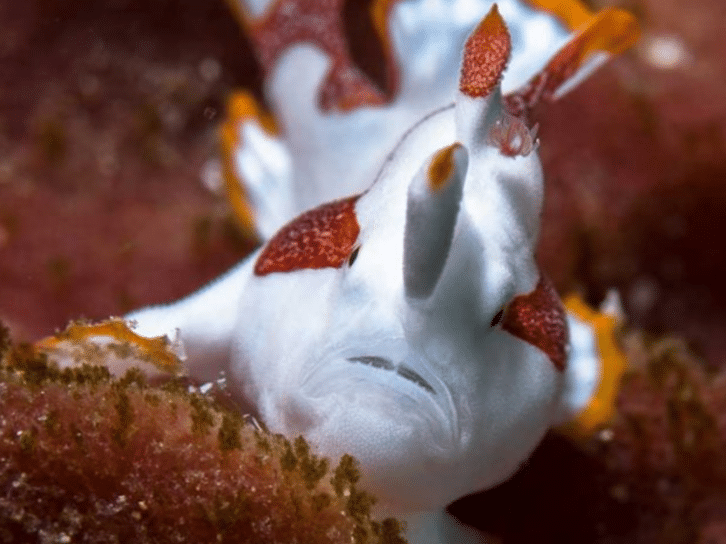
- A wide variety: In addition to large animals, there are also plenty of smaller species to be found. With a good guide, you can discover nudibranchs, pygmy seahorses, frogfish, and other macro creatures, among other things.
- Adventure above and below the water: After a dive, you’ll sail past rugged islands, deserted beaches, and impressive landscapes. And, of course, there’s the chance to see the famous Komodo dragon during an excursion.
Where to stay in Komodo?
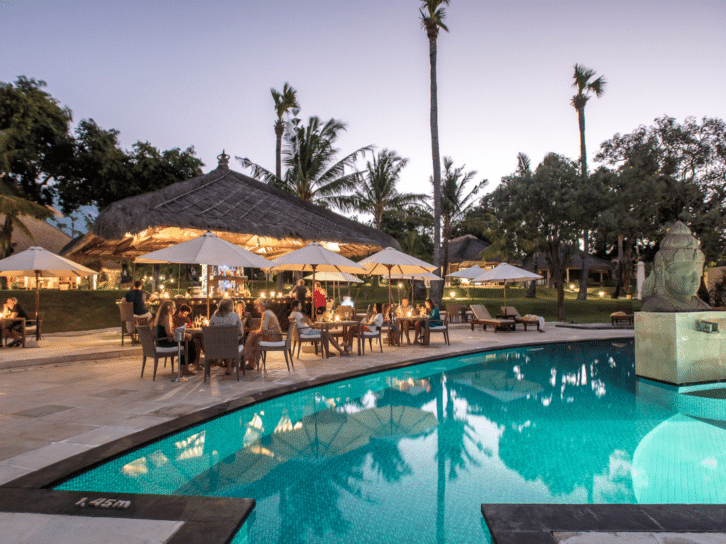
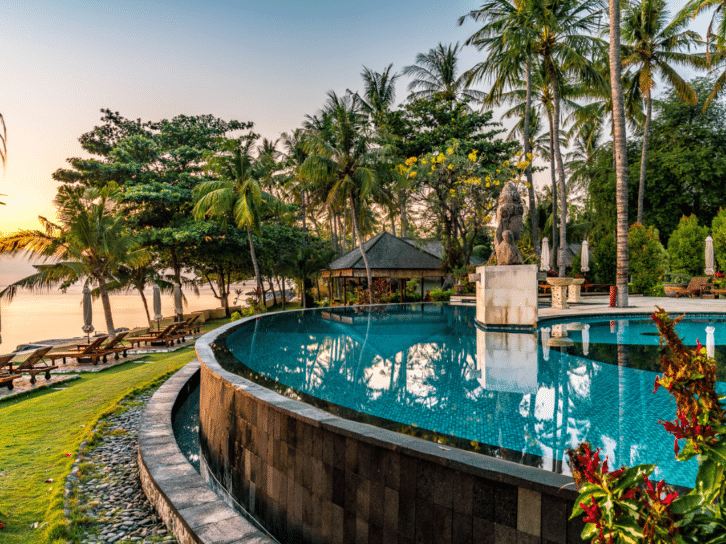
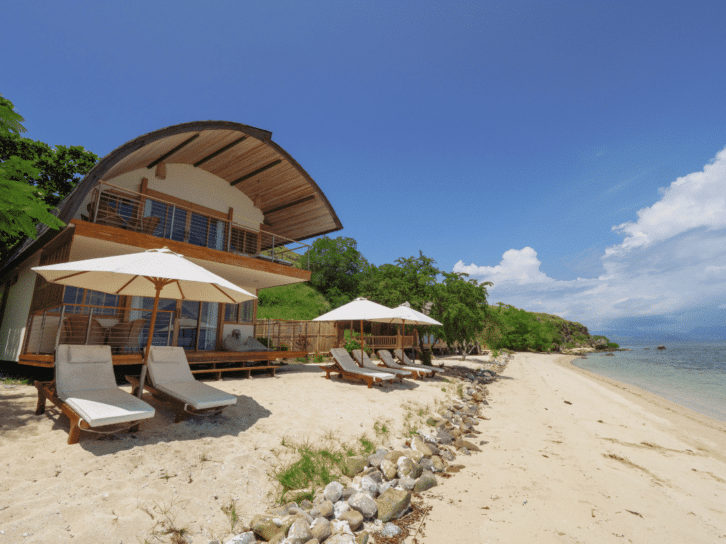
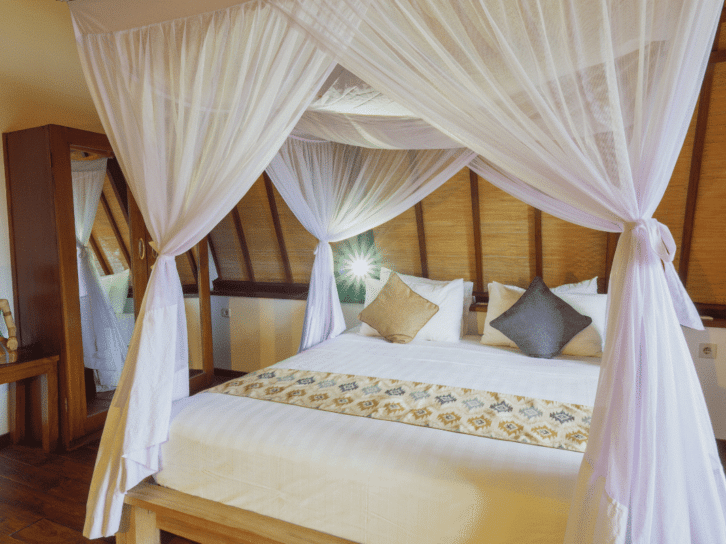
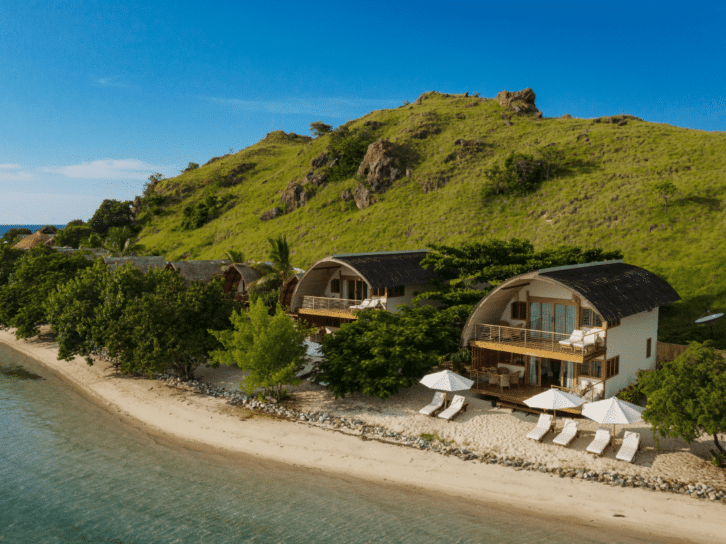
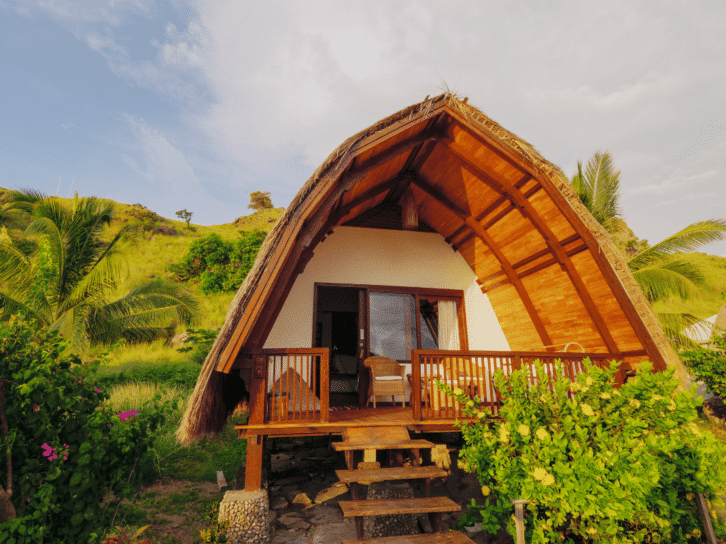
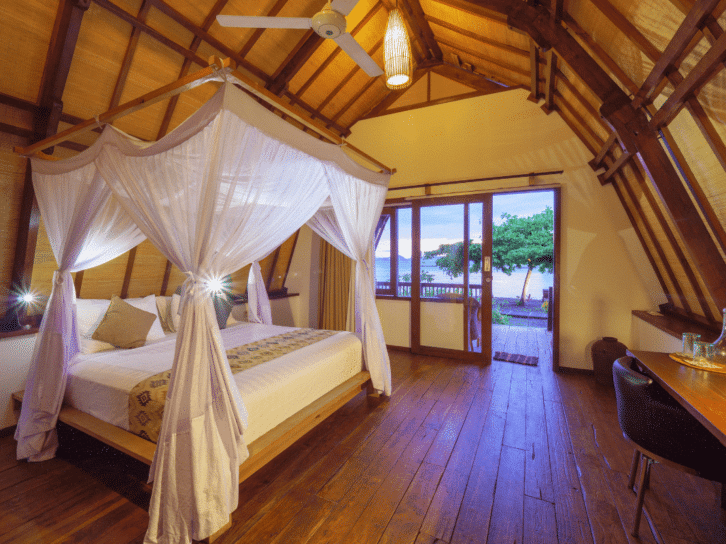
For divers, a liveaboard is a popular way to explore Komodo—we’ll tell you more about that later. Would you rather stay on the island itself? Then the Komodo Resort on Sebayur Island is a special place, right in the heart of Komodo National Park. The resort is situated right on a sheltered bay and consists of 22 bungalows scattered along the beach. Here, you’ll be surrounded by nature, with the beach and the sea literally right outside your door. After diving, you can relax at the Sebayur Spa, enjoy a drink at the Beach Bar, or dine at the Sunset Restaurant.
For divers, the location is particularly appealing. The Sebayur Dive center is located right next to the resort and organizes daily boat dives in the national park. The dive sites are about a 5-minute to 1.5-hour boat ride away. You’ll dive in small groups, with your experience level taken into account. In seven days, for example, you can make 14 dives here, with well-known dive sites such as Manta Point, Batu Bolong, Castle Rock, and Crystal Rock on the itinerary.
The big advantage of staying at the Komodo Resort is that you can combine diving with the comfort of a resort. You don’t have to travel long distances from Labuan Bajo every day—you’re already right in the middle of the national park. In addition to diving, you can go snorkeling, kayaking, or take an excursion to places like Padar, Rinca, or Komodo. This way, you can discover the best of Komodo—both above and below the water—all in one trip.
Liveaboard Diving in Komodo
A liveaboard is perhaps the best way to discover as much of Komodo’s underwater life as possible. You sleep on board, sail from dive site to dive site during the day, and don’t have to keep returning to a fixed place to stay. This allows you to reach more distant dive sites and explore different parts of Komodo National Park for several days in a row.
Another major advantage is the number of dives. On a liveaboard, you’ll make multiple dives each day, allowing you to spend plenty of time underwater. And because you wake up in a different spot every day, no two dive days are the same. From manta rays and large schools of fish to sharks, sea turtles, and colorful coral: Komodo offers incredible variety. Another great thing about Komodo is that there’s always a shore excursion. There’s always an afternoon set aside to go ashore and look for the Komodo dragon. It really enriches the trip!
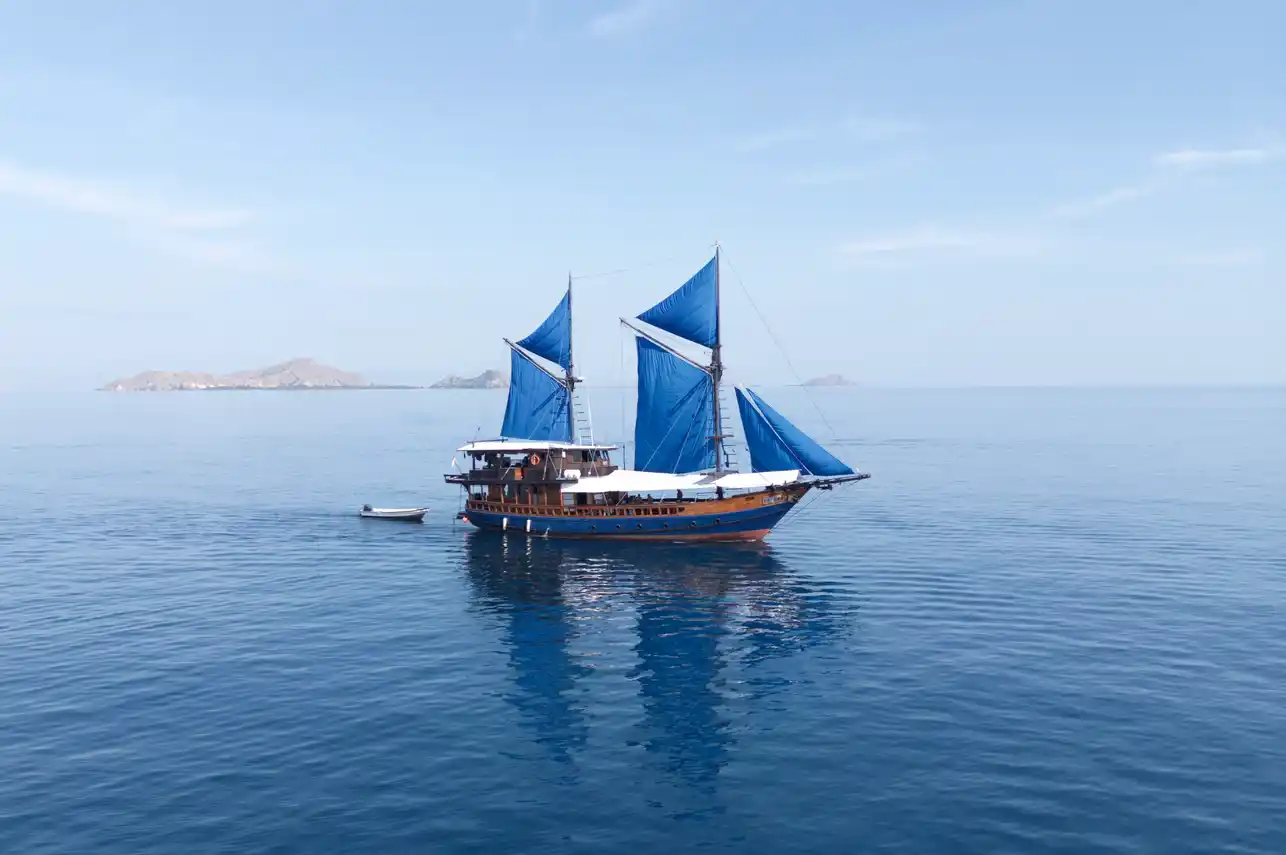
At EWDR, you can explore Komodo aboard the Moana and the Mermaid II, among other options. The Moana is a small-scale, traditional Indonesian phinisi with room for up to 10 guests. The atmosphere on board is intimate and relaxed, and the “Best of Komodo” itinerary takes you to famous dive sites such as Manta Point, Batu Bolong, Castle Rock, and Crystal Rock.
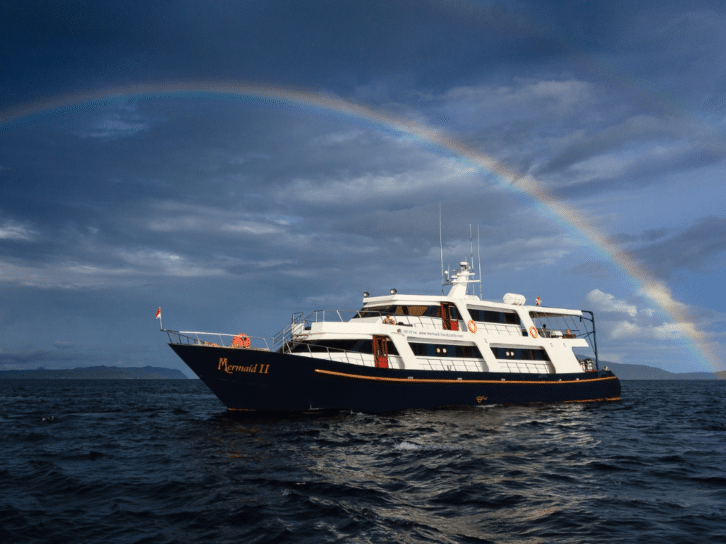
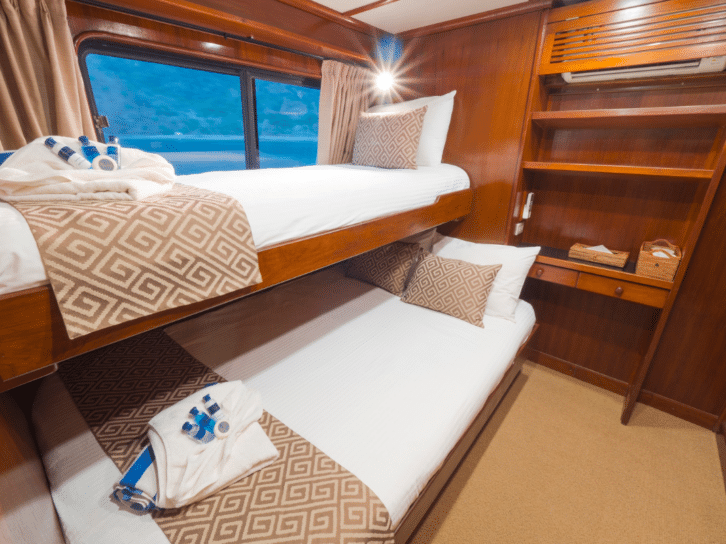
The Mermaid II is a larger and very comfortable liveaboard that accommodates up to 18 guests. The route from Bali to Komodo and back combines various dive areas along the way with the famous dive sites of Komodo. During this trip, you’ll make about 20 dives and visit sites such as Manta Alley and Batu Bolong.
Which liveaboard is best for you depends, among other things, on your preferred itinerary, trip duration, group size, and desired level of comfort. We can help you compare the different options for Komodo and put together the trip that best suits your needs.
Best Time to Visit Komodo
The best time to take a diving trip to Komodo is generally between April and November. During this period, the weather is drier, sea conditions are often good, and you can fully enjoy the dives and the scenery above water.
June through October is a popular time for divers. Conditions are generally good, and this is also an excellent time to see manta rays. Keep in mind, however, that currents and visibility can vary greatly from one dive site to another. It is precisely these currents that bring plenty of food into the water around Komodo, resulting in an abundance of marine life.
December through March largely falls within the rainy season. There may be more wind and rain, and conditions at sea can become rougher. That doesn’t mean you can’t travel to Komodo during this period, but the weather can affect sailing routes and diving opportunities. As a result, many liveaboards do not operate during this period and are active elsewhere in Indonesia.
One advantage of Komodo is that you can spot manta rays year-round. The best time of year can vary by location, so when planning your trip, it’s important to consider the specific dive sites you want to visit.
Komodo Above Water
Komodo is also a unique destination above water. The landscape is rugged and arid, with green hills that turn into golden-yellow savannas during the dry season. Nestled among the hills are white beaches and clear blue water. From various vantage points, you can enjoy impressive views of the islands and the many bays of the national park.
Komodo’s most famous inhabitants are, of course, the Komodo dragons. These impressive lizards can grow to more than three meters in length and are found in the wild only on a few islands in this region. Komodo and Rinca, in particular, are known for their populations.
A visit to Komodo National Park isn’t complete without going in search of a Komodo dragon. You’ll explore the island accompanied by a local ranger, who will tell you more about the animals and their habitat. During a hike through the park, you may see several monitor lizards, but they are wild animals, and an encounter can never be guaranteed.
In addition to the Komodo dragons, there are many other animals on the islands, including deer, wild boars, monkeys, and various bird species. If you combine a diving trip with a visit to Komodo, a hike to a lookout point or an excursion in search of the monitor lizards offers a nice change of pace from your days on the water.
Our Trips in Komodo
Komodo pairs well with other destinations in Indonesia. That’s why we’ve put together several itineraries, allowing you to choose between a short diving trip that includes Bali, an extensive tour of Flores, or a trip focused entirely on diving for several days. Below are some of our favorite combinations.
2 Weeks: Bali & Komodo on the Moana
Over the course of two weeks, you’ll combine the relaxed atmosphere of Bali with an adventurous liveaboard trip through Komodo. You’ll start with a stay near Tulamben, where you’ll enjoy beautiful dives on the famous USAT Liberty wreck and at various muck diving sites. There are also wonderful dives to be had around Amed. After a few days of diving, there’s plenty of time to relax, enjoy good food, and soak up the island life. Then you’ll fly to Labuan Bajo and board the Moana for several days of diving in Komodo National Park, searching for manta rays and other large marine life. Check out the trip here.
3 Weeks: Bali, Flores, and Komodo Resort
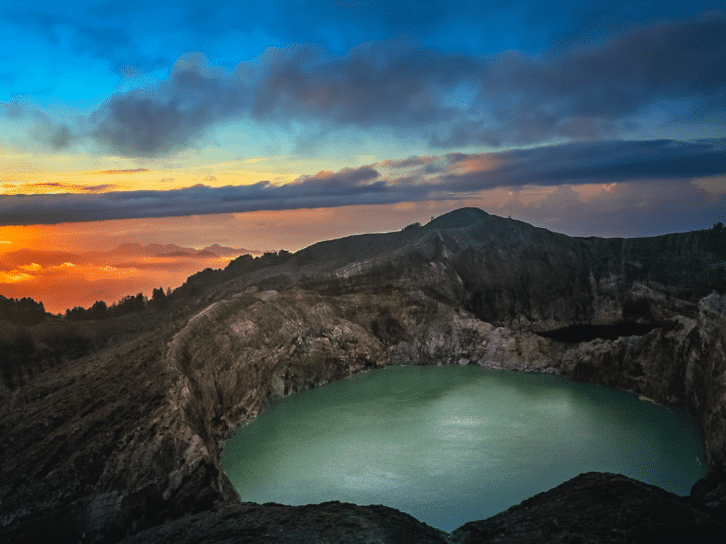
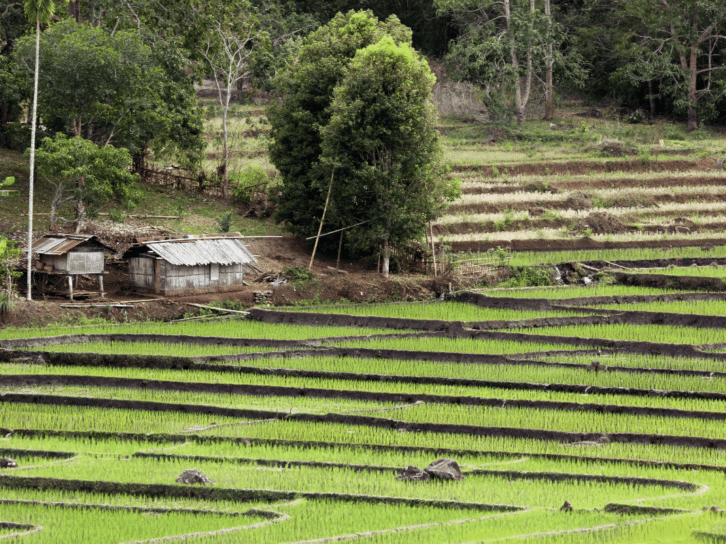
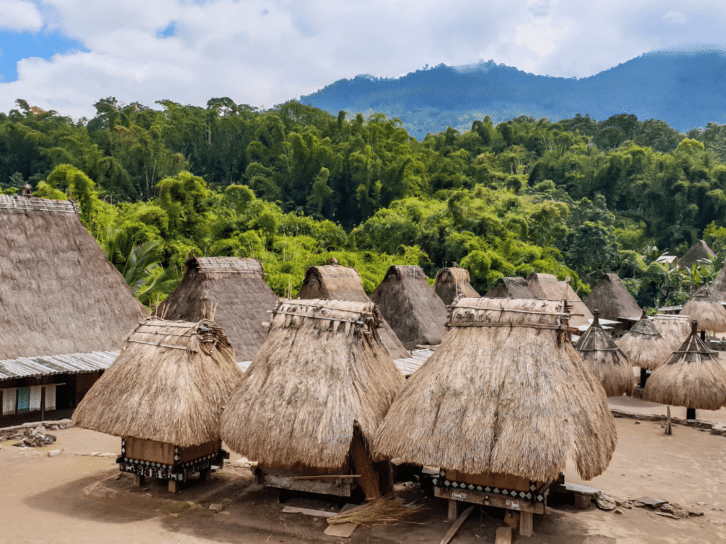
This three-week trip combines diving with an extensive tour of Flores. You’ll start in Bali and spend a few days diving around Tulamben and Amed. Then you’ll fly to Maumere on Flores, where a fantastic tour of the island begins. You’ll travel through Moni and the Kelimutu volcanoes, Bajawa, and Ruteng, among other places, and go on a trek to the unique village of Wae Rebo. After the tour, you’ll continue on to the Komodo Resort, where you’ll stay right in the heart of Komodo National Park. From the resort, you’ll go on several dives in the national park and have plenty of time to explore Komodo both above and below the water. Check out the trip here.
17 days: Flores & Moana liveaboard
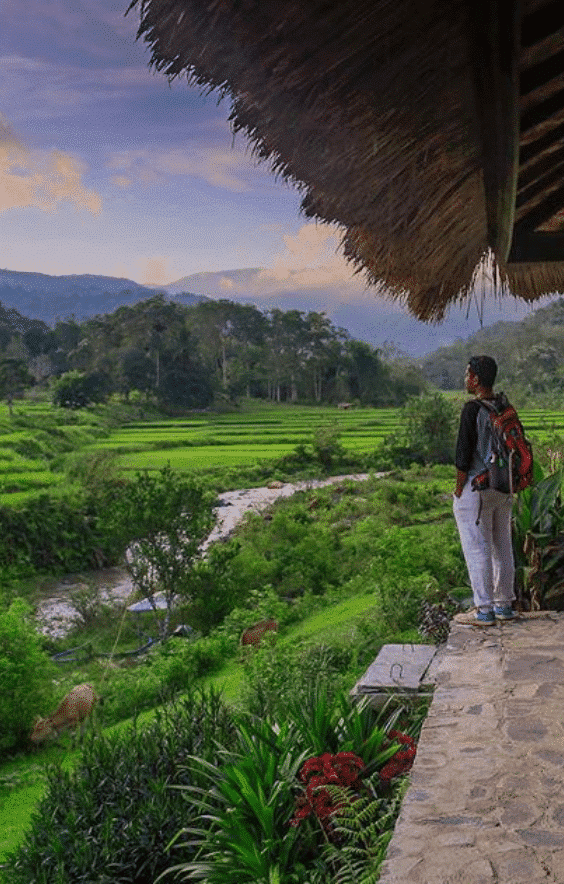
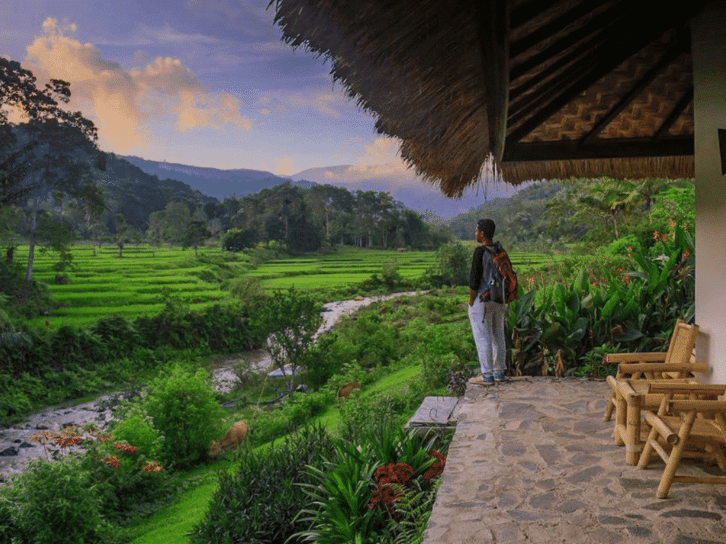
On this trip, you’ll combine a tour of Flores’ highlights with a liveaboard trip in Komodo. You’ll start in Maumere and travel through central and western Flores toward Labuan Bajo. Along the way, you’ll discover the island’s diverse landscapes and cultures, including a visit to Kelimutu and a trek to Wae Rebo. In Labuan Bajo, you’ll board the Moana for the second part of the trip. From there, the focus shifts entirely to diving in Komodo National Park, where you’ll spend several days exploring various dive sites and, of course, searching for manta rays. Check out the trip here.
Mermaid II Liveaboard: Bali – Komodo – Bali
With the Mermaid II, you’re choosing a trip where diving takes center stage right from the start in Bali. The liveaboard sails from Bali to Komodo and back, allowing you to visit various dive sites along the way. So you don’t have to fly to Komodo first to start diving: plenty of dives are scheduled even during the journey to the national park. Once you arrive in Komodo, you’ll dive at famous sites and have the chance to see manta rays and other large marine life. During certain times of the year, you might even encounter whale sharks along the way. After diving in Komodo, you’ll sail back to Bali, giving you a complete diving itinerary with plenty of variety along the way. Check out the trip here.
Frequently Asked Questions About Komodo
Is Komodo suitable for beginner divers?
Komodo is best suited for divers with some experience. Strong and sometimes variable currents can occur at various dive sites. Good control of your buoyancy and experience with currents are therefore important. There are also calmer dive sites, making Komodo a great destination for divers of all levels. But you’re coming to Komodo for the manta rays, so it’s definitely recommended that you only head out there once you have the necessary experience, so you don’t miss out on a dive!
How strong are the currents in Komodo?
The current in Komodo can be quite strong and is a key part of the dive at some dive sites. At the same time, the current brings nutrient-rich water, which attracts large numbers of marine life. The dive guide will determine which dive site is most suitable based on the conditions and your experience.
When is the best time to see manta rays in Komodo?
Manta rays can be found in Komodo year-round. There’s a good chance of seeing them at various spots, but since they’re wild animals, an encounter can never be guaranteed. Manta Point and Manta Alley are among the best-known spots to look for these impressive creatures.
How many dives can you do on a trip to Komodo?
That depends on the type of trip you choose. When staying at a resort, you can decide for yourself how many days you want to dive. On a liveaboard, you typically make several dives a day, which means you can log a large number of dives in just a few days.
Can you also go diving from a resort in Komodo?
Yes. The Komodo Resort on Sebayur Island organizes daily boat dives to various dive sites in the national park. This is a great option if you want to combine diving with a comfortable stay on an island.
Is a liveaboard in Komodo right for me?
A liveaboard is especially appealing if you want to see as much of Komodo’s underwater life as possible. You can dive for several days in a row and also reach dive sites that are less easily accessible from a resort or during a day trip. You’ll be staying on board for the entire trip, which makes a liveaboard especially suitable for those who want to plan their trip entirely around diving.
How long does it take to plan a diving trip to Komodo?
For your first visit to Komodo, we recommend spending at least a week there. This will give you plenty of time to dive for several days and also explore the national park above water. A liveaboard trip allows you to do a lot of diving in a shorter period of time, while a longer stay gives you more time to relax and go on excursions.
Can you combine a trip to Komodo with a trip to Bali?
Yes, Komodo pairs well with Bali. There are direct flights from Bali to Labuan Bajo, making it relatively easy to include both destinations in a single trip. For example, you could first relax in Bali and then spend a few days diving in Komodo.
Can you combine a trip to Komodo with other destinations in Indonesia?
Absolutely. Komodo can be combined with Bali, for example, but a tour of Flores is also a great option.
Diving in Komodo with EWDR
A diving trip to Komodo requires careful planning. You can choose to stay at a resort and explore the dive sites from there, or spend several days aboard a liveaboard. You can also easily combine this trip with, for example, a tour of Flores or a few days of staying (and diving) in Bali.
Our travel specialists are happy to help you choose the right way to explore Komodo. Whether you choose to stay at the Komodo Resort on Sebayur Island, take a liveaboard like the Moana or Mermaid II, or combine Komodo with another destination in Indonesia, we’ll tailor the entire trip to your preferences.
Are you wondering which type of diving in Komodo is best for you? Feel free to contact us. We’d be happy to help you figure it out and put together a diving trip that fits your experience level, travel group, and travel plans.






Bali & Komodo – Tulamben diving trip & liveaboard Moana
Travel to two amazing destinations in Indonesia: Bali & Komodo. Dive in Tulamben from a resort and in Komodo from...

From Volcanoes to Coral – Bali, Flores & Komodo
Diving and excursions in Bali, followed by a tour of Flores and then relaxing and diving in Komodo National Park.
Liveaboard Mermaid II – Bali – Komodo – Bali
Board the boat in Bali and sail east to Komodo. Dive with manta rays & meet Komodoans on Rinca. A...


Round trip through Flores & diving in Komodo from liveaboard Moana
Discover Flores’ cultural richness and dive into Komodo’s stunning underwater world. An unforgettable combination of land & sea in Indonesia.
Between the Dragons & Manta Rays – Komodo Resort
Experience the perfect mix: Diving in Komodo with Manta Rays and staying in a luxury, exclusive beachfront resort with spa.