Diving in Papua New Guinea: a complete guide
A diving trip to Papua New Guinea is therefore much more than just a vacation. It’s a journey to one of the most biodiverse marine ecosystems on Earth, where colorful coral gardens, volcanic reefs, historic shipwrecks, and an impressive array of macro life alternate. Because tourism is limited and relatively few divers visit, virtually every dive feels like a new discovery.
Anyone looking for a destination off the beaten path, where nature, culture, and exceptional diving come together, will find one of the most extraordinary diving destinations in the world in Papua New Guinea.
Table of contents
General information about Papua New Guinea
Papua New Guinea is located just north of Australia and covers the eastern half of the island of New Guinea, along with hundreds of smaller islands, including New Britain, New Ireland, and the Duke of York Islands. Geographically, the country belongs to Melanesia and is known for its impressive natural beauty, vast rainforests, active volcanoes, and rugged mountain landscapes.
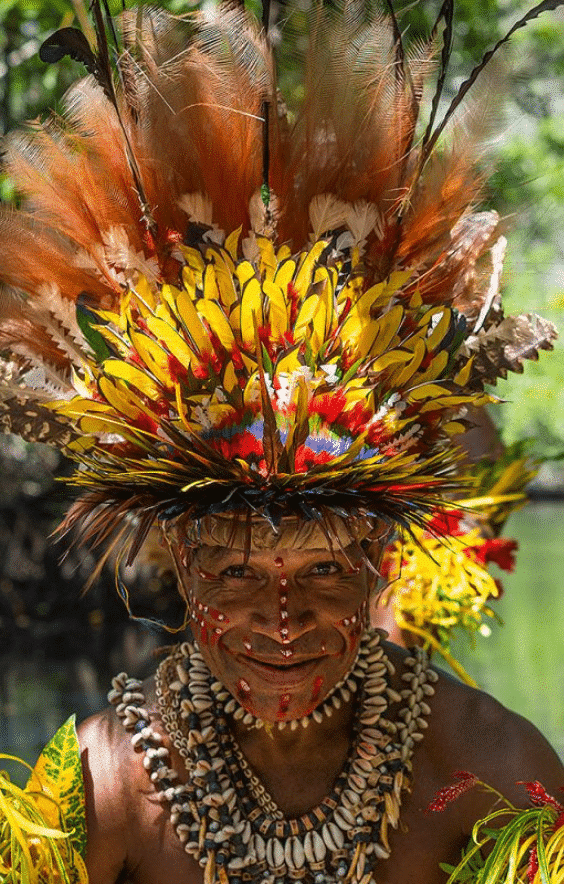
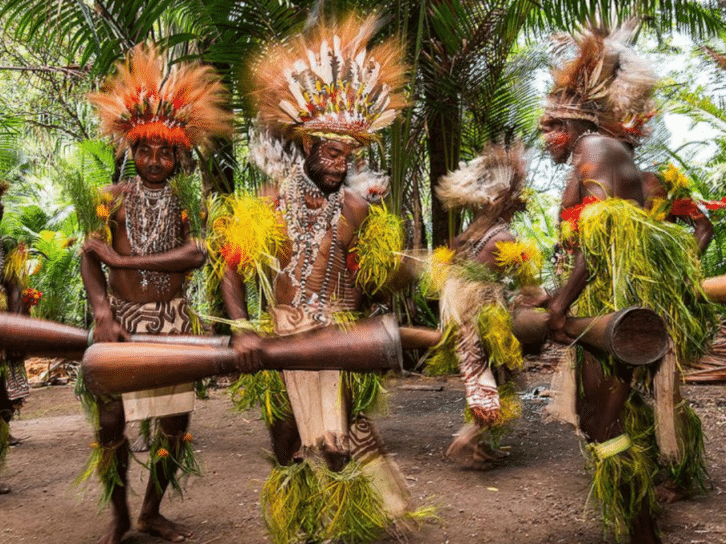
With more than 800 different languages, Papua New Guinea is the most linguistically diverse country in the world. Many villages have remained relatively isolated for centuries, allowing unique traditions and cultures to be preserved. During your trip, you’ll have the opportunity to encounter colorful tribes, local markets, and a hospitable population that takes pride in its culture and environment.
There’s also plenty to discover above water. Take a walk through the tropical rainforest, visit traditional villages, admire volcanic landscapes, or sail past deserted islets where you’ll often encounter no one else. The combination of spectacular nature, rich culture, and a sense of adventure makes Papua New Guinea a destination you won’t soon forget.
Although the trip there takes a little longer than to many other diving destinations, you’ll be rewarded with one of the most authentic and unspoiled destinations in the world.
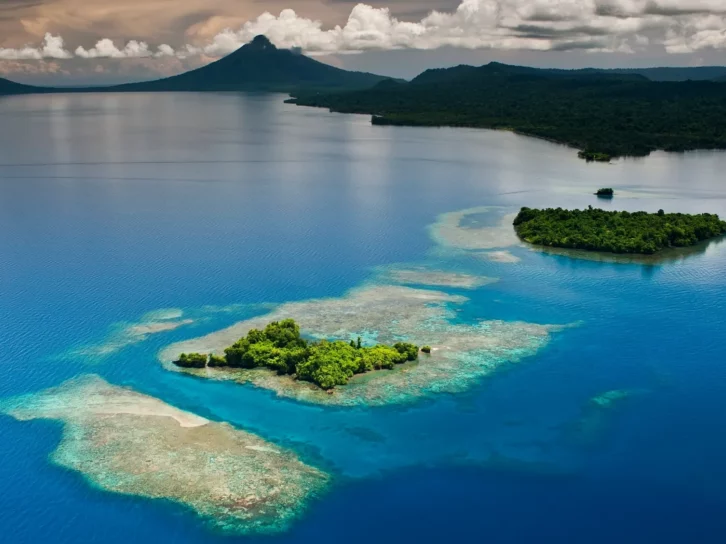


Travel Advice for Papua New Guinea from the Foreign Affairs Department
Before booking your trip, we always recommend checking the latest travel advice issued by your country’s foreign affairs department.
In many countries, the travel advisory is yellow. This does not mean you should avoid travelling. A yellow advisory generally means that you should be aware of potential risks, stay informed, and prepare well before your departure. Normal travel is still possible, and many of the world’s most popular holiday and diving destinations have the same status.
Travel advisories are often issued for an entire country, even though the regions visited by tourists are far removed from any areas of concern. That’s why it’s always worth reading the full travel advice instead of relying solely on the colour code.
If you have any questions about the current travel advice for your destination, we’re happy to explain what it means in practice and how it may (or may not) affect your travel plans.
Why dive in Papua New Guinea?
For many divers, Papua New Guinea is high on their bucket list. And for good reason. The waters surrounding the country are part of the famous Coral Triangle, the area with the greatest marine biodiversity in the world. On a single dive, you can encounter colorful soft corals, enormous schools of reef fish, pygmy seahorses, nudibranchs, sea turtles, and reef sharks.
What makes Papua New Guinea truly special is its incredible diversity. Around Kimbe Bay, you’ll find vast coral gardens, steep walls, and volcanic seamounts teeming with life. In Milne Bay, the focus is on muck diving, macro photography, and unique creatures such as flamboyant moray eels, mandarin fish, and various species of anglerfish. Near Tufi, colorful reefs alternate with impressive fjords and World War II shipwrecks.
Wreck diving enthusiasts will also find plenty to enjoy here. Scattered across the country are dozens of Japanese airplanes, cargo ships, and other remnants from World War II, many of which are now completely covered in soft corals and sponges.
Another major advantage is that you often share the dive sites with just a handful of other divers. While popular destinations are getting more and more crowded, in Papua New Guinea you can still experience the feeling of true discovery diving. It is precisely this combination of pristine reefs, exceptional biodiversity, historic shipwrecks, and tranquility that makes this destination unique.
Where to dive in Papua New Guinea?
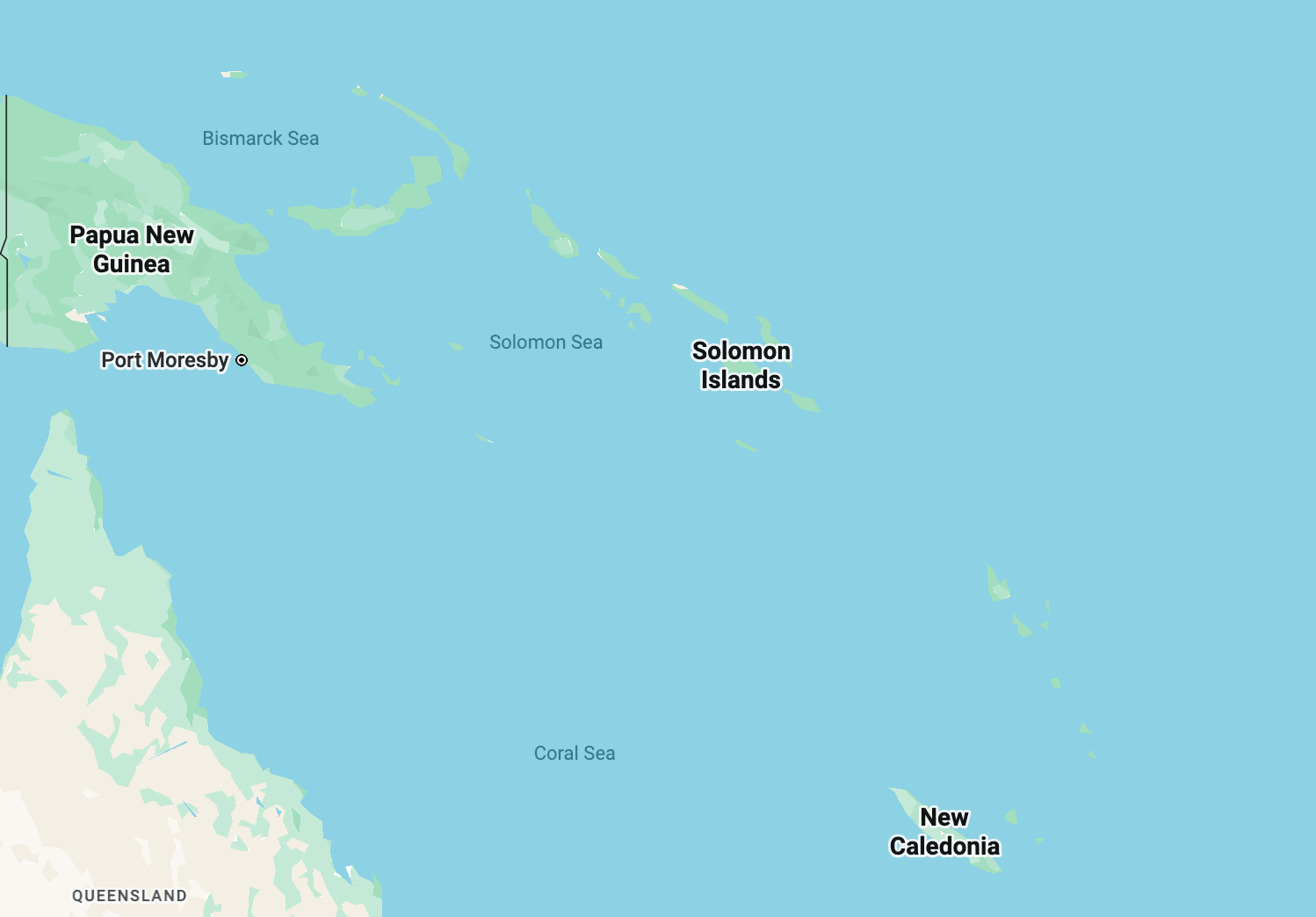
Papua New Guinea’s dive sites are spread across two of the most impressive seas in the western Pacific: the Bismarck Sea and the Coral Sea. Both seas are part of the Coral Triangle, the region with the greatest marine biodiversity in the world. Thanks to the nutrient-rich currents and the volcanic origins of many of the islands, you’ll find an enormous variety of healthy coral reefs, steep walls, seamounts, lagoons, and World War II wrecks here.
The Bismarck Sea, north of the mainland and surrounding the islands of New Britain and New Ireland, is known for its spectacular coral gardens, underwater volcanic landscapes, and large schools of reef fish. Here you’ll find well-known dive sites such as Kimbe Bay and Kavieng, where you can expect colorful reefs, reef sharks, sea turtles, and exceptional biodiversity.
On the southeastern side of Papua New Guinea lie the Coral Sea and the adjacent Solomon Sea. Here you’ll find a completely different kind of diving, with sheltered bays, impressive fjords, colorful reefs, muck diving, and historic shipwrecks. Destinations such as Tufi and Milne Bay are popular with underwater photographers because of the enormous variety of macro life, but they also offer beautiful coral reefs and steep walls.
Kimbe Bay
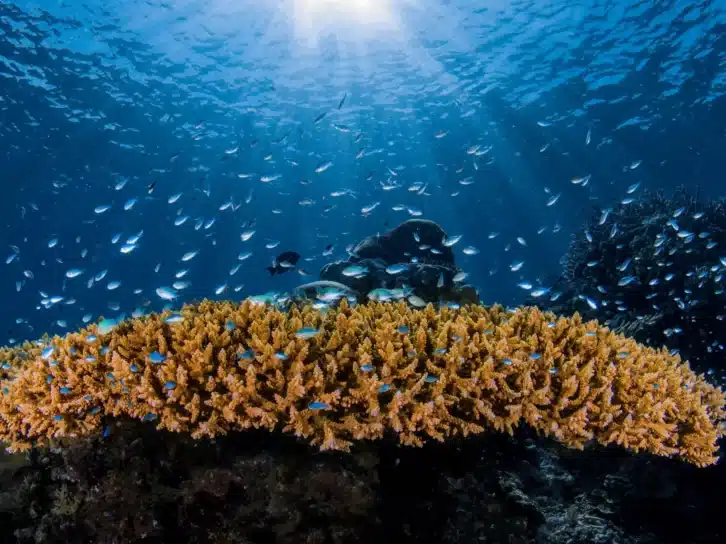
Kimbe Bay, located on the north coast of New Britain Island, is one of Papua New Guinea’s most famous diving destinations. The bay is home to more than two hundred reefs and dozens of volcanic seamounts rising from the depths. Here you’ll find expansive hard and soft corals, large schools of barracuda and snappers, reef sharks, sea turtles, and an enormous variety of reef fish. Thanks to its excellent visibility and healthy coral reefs, Kimbe Bay is a favorite destination for underwater photographers.
Witu Islands
To the northwest of Kimbe Bay lie the remote Witu Islands, an archipelago visited by the MV Oceania only at select times of the year. The combination of volcanic seamounts, black sand bottoms, and colorful reefs offers a unique mix of diving experiences. During a single trip, you can encounter pelagic species such as sharks, rays, and large schools of fish, while on the black sand bottoms you’ll search for unique critters and other macro life.
Milne Bay
Milne Bay is located in the southeast of Papua New Guinea and is one of the country’s most diverse diving areas. Although the region is internationally renowned for its excellent muck diving and unique critters, Milne Bay has much more to offer. Here, you’ll dive along colorful coral reefs, steep walls, swim-throughs, overhangs, and World War II wrecks. Drift dives, remote reef systems, and tropical islets with pristine fringing reefs are also part of the experience.
Macro photography enthusiasts can encounter pygmy seahorses, mandarin fish, anglerfish, various species of nudibranchs, and countless other unique creatures here. At the same time, the offshore reefs offer plenty of opportunities to spot pelagic species. Moreover, some of the most beautiful dive sites are accessible exclusively by liveaboard—including the MV Oceania—allowing you to dive in places where very few other divers venture. The trips are offered only in February and March. Very exclusive, indeed!
Fathers Reef
The Fathers Reefs are a series of volcanic offshore reefs known for their spectacular underwater landscape. Steep walls, arches, swim-throughs, and impressive rock formations make every dive unique. Because of their location in the open sea, these reefs attract many pelagic species. Reef sharks, rays, sea turtles, barracudas, and schools of horse mackerel are regularly spotted here, and the coral is in excellent condition.
Rabaul
Above water, Rabaul is best known for its World War II history and active volcanoes. Underwater, however, lies a surprising macro paradise. The jetty dives, in particular, are famous among underwater photographers. On the sandy bottom, you’ll find an impressive variety of unique species, including various anglerfish, harlequin ghost pipefish, mandarin fish, coconut octopuses, boxer crabs, scorpionfish, shrimp, and countless species of nudibranchs.
This is another destination that can only be explored by liveaboard.
Tufi
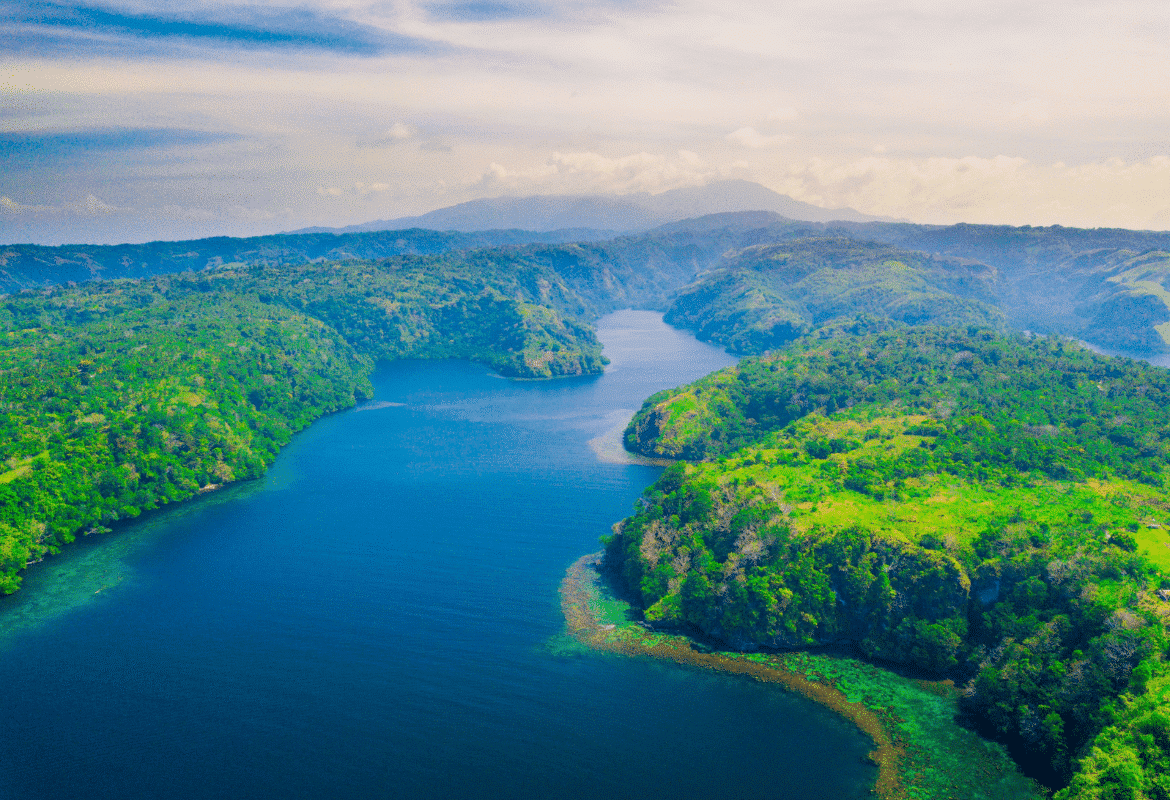
Located on the east coast of the mainland is Tufi, a destination best known for its spectacular fjords. These deep inlets, formed by volcanic activity, provide a unique backdrop for a diving vacation. Beyond the fjords lie colorful reefs, steep walls, and pinnacles teeming with soft coral. In addition, there are several World War II shipwrecks to explore, and the area is rich in macro life.
Kavieng
In the north of New Ireland Island lies Kavieng, a region where drift diving, shipwrecks, and pelagic species come together. The dive sites consist of steep walls, passages, seamounts, and reefs where reef sharks, eagle rays, and large schools of fish are frequently spotted. In addition, there are several World War II wrecks, making Kavieng an interesting destination for both wreck enthusiasts and experienced divers.
Port Moresby (capital of PNG)
Port Moresby is the capital of Papua New Guinea and, for many travelers, their first introduction to the country. You almost always fly to the capital before taking a domestic flight to another island. It’s also the capital with the best diving in the world. Here you’ll find a mix of reefs, wrecks, and muck dive sites, with a wide variety of macro life. For those on a round-trip or looking to add a few more days to their trip, Port Moresby is an interesting addition to a diving vacation. It’s the capital with the best diving in the world.

Where to stay in Papua New Guinea?
In Papua New Guinea, you can choose between staying at a dive resort or on a liveaboard. Which option suits you best depends on what you want to see during your trip. If you choose a resort, you’ll explore one region in depth and also have time to explore the surrounding area above water. With a liveaboard, on the other hand, you’ll cover greater distances and dive at remote reefs that are inaccessible from the mainland.
A liveaboard: exploring as much of Papua New Guinea as possible
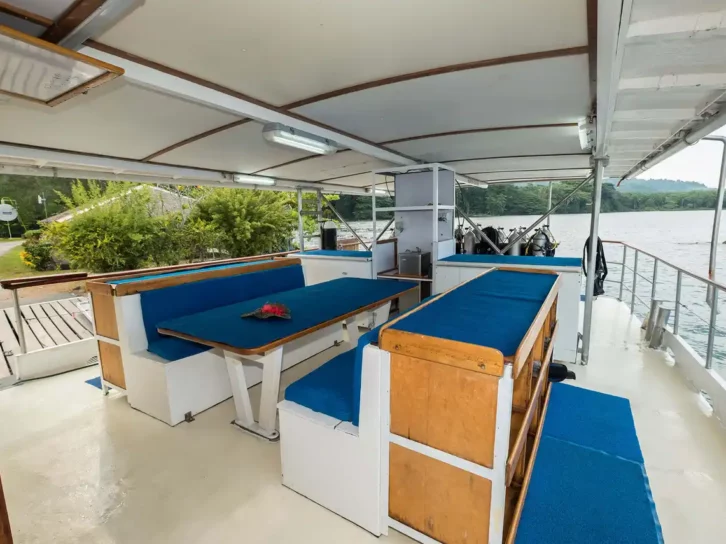
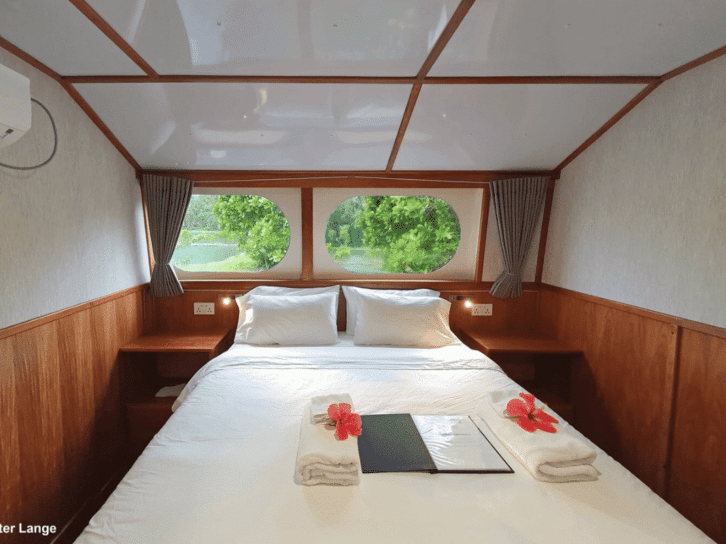
Papua New Guinea has only two liveaboards, both of which sail in the Bismarck Sea: the MV Oceania and the MV FeBrina. Although they share the same cruising area, they follow different routes and each visits its own dive sites. A liveaboard is the ideal way to explore a large part of Papua New Guinea’s underwater world. You’ll dive on remote reefs, volcanic seamounts, wrecks, and sites where virtually no one else goes. The liveaboards belong to the same fleet and have therefore agreed not to be at the same dive sites at the same time.
The so-called exploratory trips that FeBrina organizes several times a year are particularly special. During these expeditions, the group visits lesser-known or even virtually unexplored areas. In a country where much of the coastline and reefs remain largely unexplored, every dive feels like a new discovery.
A major advantage of the liveaboards is that they are closely connected to the Walindi Plantation Resort in Kimbe Bay. Many trips therefore combine a stay at the resort with a liveaboard. This way, you can first enjoy the relaxed atmosphere and the beautiful house reefs of Walindi, and then board the liveaboard to explore the more remote dive sites. Of course, this combination can also be planned the other way around.
Staying at a dive resort
Papua New Guinea has a small number of dive resorts. Unlike many other dive destinations, the selection is intentionally small-scale. As a result, the resorts are intimate, are located in unique settings, and guests often share the dive sites with just a handful of other divers.
One of our favorite destinations is Tufi Resort. Tufi is located on the Coral Sea and offers a completely different diving experience than the Bismarck Sea. The impressive fjords, colorful coral reefs, steep walls, and shipwrecks make this one of the most extraordinary areas in Papua New Guinea.
The trip to Tufi is also an experience in itself. From Port Moresby, you’ll fly in less than an hour on a small plane to the remote airstrip in Tufi. The gravel runway is right next to the resort, so you can check in almost immediately upon arrival. In fact, the airline’s check-in counter is actually located inside the resort.
Next to Walindi and Tufi , there are a few other dive resorts scattered throughout Papua New Guinea. The number of accommodations is limited, but that is precisely one of the reasons why this destination is so special. Small-scale operations, tranquility, and unspoiled dive sites remain the focus here.
Best time to visit Papua New Guinea
Papua New Guinea is a diving destination that can be visited almost year-round. Because it’s located on the equator, water temperatures are pleasant all year long, and the underwater life is always impressive. However, weather conditions and the best diving seasons vary by region. For example, Kimbe Bay offers excellent conditions throughout most of the year, while Tufi and Milne Bay experience the driest and most stable conditions between approximately April and November.
Visibility: Underwater visibility varies depending on the region and weather conditions, but averages between 20 and 40 meters. Around Kimbe Bay, the clear, blue waters often provide excellent visibility, while visibility can sometimes be somewhat more limited during muck dives in Milne Bay or Rabaul. This is actually ideal for spotting rare macro species.
Water temperature: The water remains at a pleasant temperature of about 27 to 30°C year-round. A 3-mm wetsuit is sufficient for most divers, although some divers prefer a 5-mm wetsuit when doing multiple dives a day.
Currents: Currents vary greatly depending on the dive site. Sheltered reefs and bays are often calm, while offshore reefs and seamounts can experience stronger currents. It is precisely these currents that bring nutrient-rich water and attract large schools of reef fish, sharks, rays, and other pelagic life. Thanks to this wide variety, Papua New Guinea offers dive sites for both beginners and experienced divers.
- Kimbe Bay: year-round
- Witu Islands: October through May
- Fathers Reef: October through May
- Raboul: all year round
- Tufi: April through November
- Milne Bay: April through November
- Kavieng: April through November
Underwater Life in PNG: What can you expect during your dive?
Papua New Guinea is located in the heart of the Coral Triangle, the world’s most biodiverse marine region. With thousands of fish species and hundreds of species of hard and soft corals, no two dives are ever the same. Whether you love colorful reefs, unique macro species, large schools of fish, or historic shipwrecks, Papua New Guinea has it all.
Colorful coral reefs
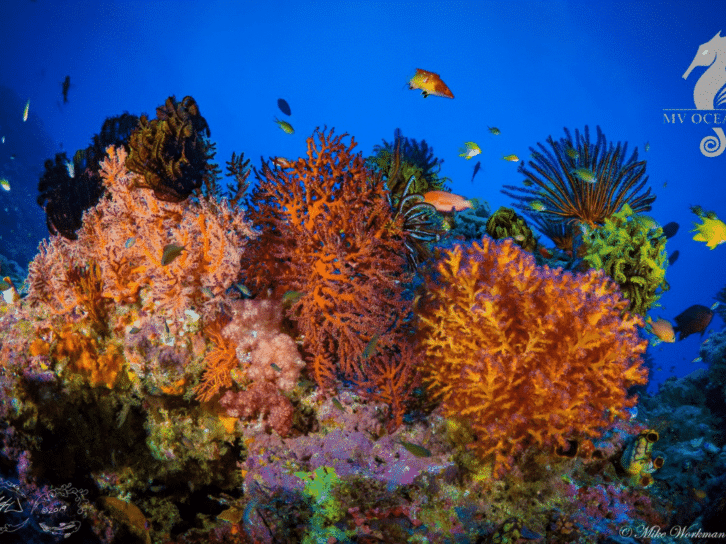
The reefs of Papua New Guinea are among the healthiest in the world. In Kimbe Bay in particular, you’ll find vast expanses of hard corals, enormous gorgonians, and colorful soft corals covering virtually every dive site. The combination of volcanic seamounts, steep walls, and shallow reefs creates an impressive underwater landscape teeming with life.
Macro and unusual creatures
Countless unique species live on sandy bottoms, among the coral, and at muck dive sites. These include pygmy seahorses, various species of anglerfish, harlequin ghost pipefish, mandarin fish, coconut octopuses, boxer crabs, nudibranchs, shrimp, and leaf scorpionfish. Milne Bay and Rabaul, in particular, are known for their exceptional macro life.
Large schools of reef fish
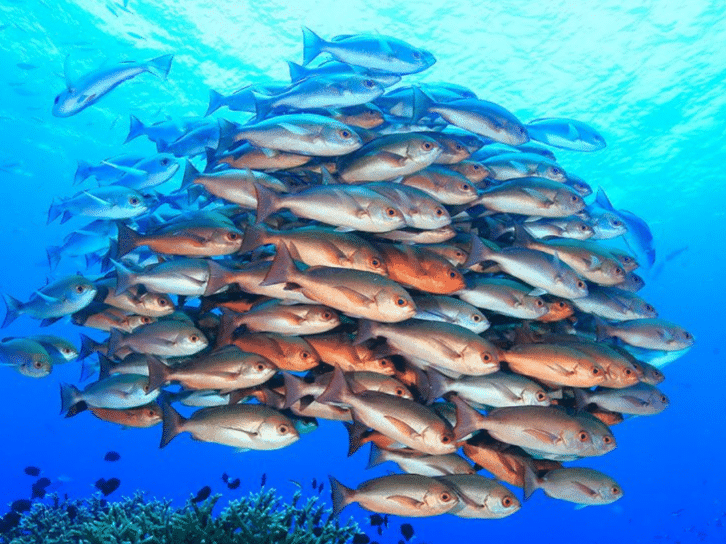
Almost every dive is accompanied by large schools of reef fish. Barracudas, snappers, fusiliers, horse mackerel, and sweetlips often form impressive swarms above the reefs. Thanks to the nutrient-rich currents, the fish population is exceptionally healthy, and you’ll constantly encounter new species.
Sharks, rays, and other pelagic life
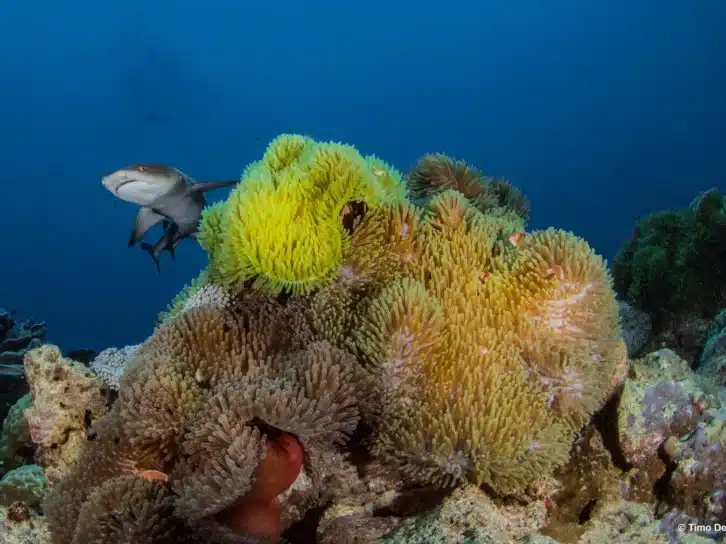
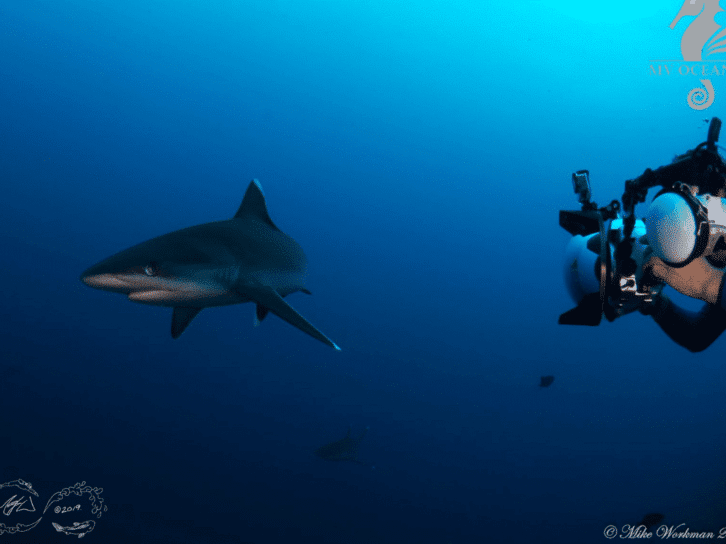
On the offshore reefs and seamounts, you’re likely to encounter reef sharks, whitetip reef sharks, blacktip reef sharks, and gray reef sharks. Eagle rays, various species of rays, and the occasional manta ray are also regularly spotted. In areas with stronger currents, tuna and other pelagic species also pass by.
Turtles and other aquatic life
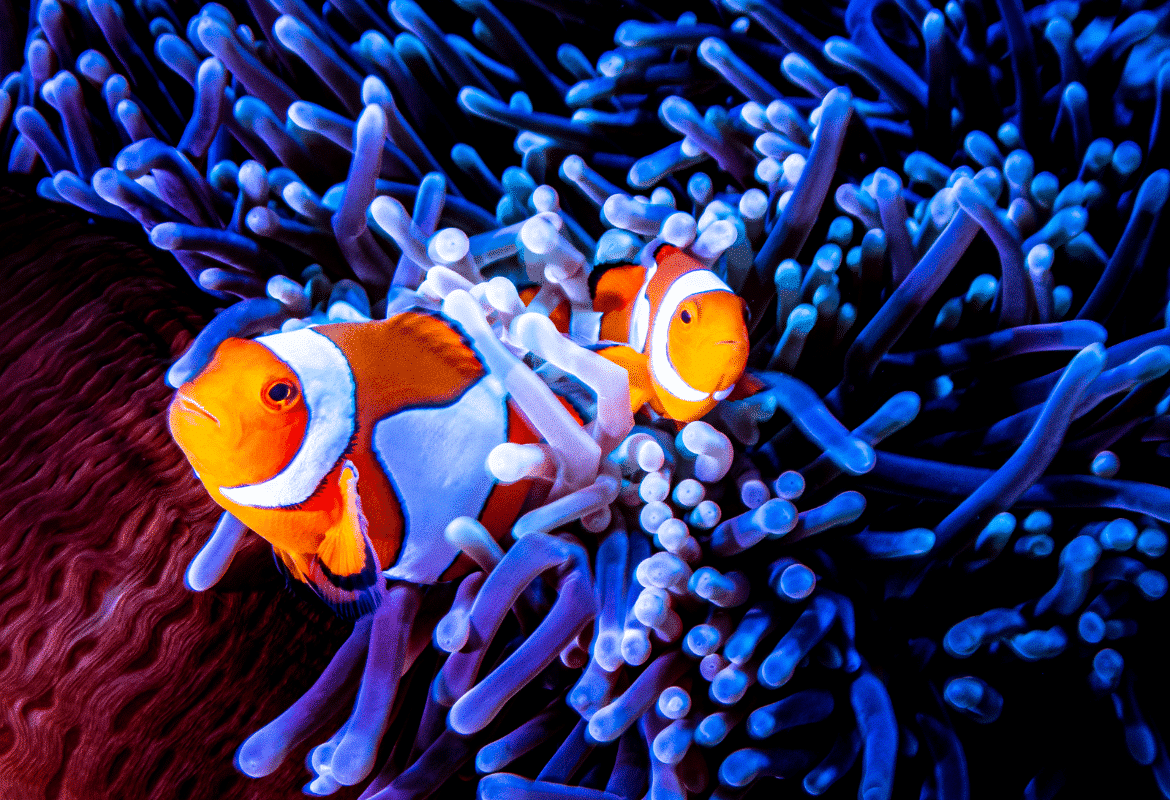
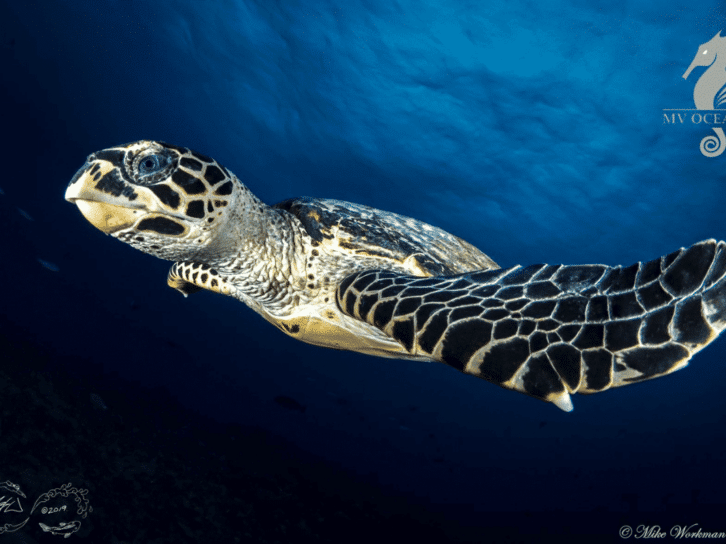
Green sea turtles and hawksbill sea turtles are a common sight on many reefs. You can also expect to see moray eels, Napoleon wrasse, batfish, clownfish, parrotfish, emperor fish, and countless other reef dwellers. The enormous biodiversity means you’ll discover something new on every dive.
Wrecks full of life
Papua New Guinea played an important role during World War II. As a result, dozens of shipwrecks and aircraft lie scattered across the seabed throughout the country. Many of these wrecks are now completely overgrown with soft corals, sponges, and sea fans, and provide a home for schools of fish, macro life, and sometimes even reef sharks. They combine history with impressive marine life and are among the most beautiful wreck dives in the Pacific Ocean.
Who is Papua New Guinea a good destination for?
Papua New Guinea is not your typical diving destination. The long journey, the small-scale accommodations, and the remote location make it particularly appealing to divers looking for something special. On the other hand, you’ll be rewarded with one of the most pristine underwater worlds in the world.
This destination is ideal for experienced divers who have already seen much of the world and are looking for a new challenge. Thanks to its immense biodiversity, healthy coral reefs, and remote dive sites, Papua New Guinea is often cited as one of the most beautiful diving destinations in the world.
Underwater photographers will also find plenty to enjoy here. From colorful soft corals and large schools of reef fish to rare macro species such as pygmy seahorses, anglerfish, and mandarin fish: virtually every dive offers new photographic opportunities.
For wreck diving enthusiasts, Papua New Guinea is also an excellent choice. Scattered throughout the country are dozens of shipwrecks and aircraft from World War II, many of which are now completely overgrown with corals and sponges.
Although there are also calm reefs, some dive sites have currents, and many of the most beautiful dive sites are located a bit further offshore. That’s why we especially recommend Papua New Guinea for divers with some experience—for example, those with an Advanced Open Water certification or equivalent. However, experienced Open Water divers can also visit most sites without any problems, depending on the region chosen and the conditions.
Why is a diving trip to Papua New Guinea more expensive?
Compared to destinations such as Indonesia or the Philippines, the cost of living in Papua New Guinea is higher. This is not because the accommodations are more luxurious, but mainly due to the small scale of the operations and the logistics involved.
Papua New Guinea receives relatively few tourists each year. There are only a handful of dive resorts and two liveaboards, resulting in far fewer economies of scale than at popular destinations such as Raja Ampat. In addition, many products—from food to fuel and diving equipment—must be imported. Domestic flights and transportation to remote dive sites also entail higher costs.
On the other hand, you’ll be diving in places where hardly any other divers go. Small-scale resorts, personalized service, and pristine reefs make Papua New Guinea a destination where exclusivity is still the norm. So you’re not just paying for the trip, but above all for an experience you’ll find in very few places in the world.
Two dives in Papua New Guinea cost an average of around 200 USD. In addition, you also pay a 2 USD marine park fee per day and a 9 USD environmental and safety fee per day. In Raja Ampat, you’ll pay about 100 USD for two boat dives. Here, the marine park fee is paid annually: 60 USD.
What diving gear do you need in Papua New Guinea?
You don’t need any specific gear for diving in Papua New Guinea, since the underwater conditions are relatively calm. Still, it’s important to know what you’ll need. Here’s a list of the most common diving equipment for PNG.
Basic equipment
- Wetsuit: The water averages between 27-29°C, so a 3mm shorty or 3mm full suit will do. Unless you are a cold weather fan, then you can bring a 5mm.
- Mask & snorkel: A well-fitting proprietary mask is recommended for optimal vision and comfort. The snorkel is especially useful when waiting for the boat.
- Fins: At some resorts, it’s also possible to go shore diving. In that case, it’s nice to have open-heel fins with booties. By the way, it’s always a good idea to wear them when walking across the dock to the boat to protect your feet.
- Dive computer: Highly recommended for safe diving and to keep a good record of your dive profile, especially if you make several dives a day.
- BCD & regulator: You can often rent fine at local dive centers, but own equipment always gives comfort.
Additional accessories
- Underwater camera: Both an action camera and a macro camera.
- Diving lamp: Not necessary, but can be nice when looking for small life. Keep in mind, of course, that you are not shining animals right in the eyes.
- Weights: You don’t need to bring this, of course, but it’s good to know. Because of the warm water, you often need less lead than in colder waters.
- Diving gloves and boots: Not necessary due to the soft coral and warm water, but boots can be nice for comfort.
- Dry bag: Since they are also boat dives, it is convenient to bring a dry bag for valuables. A dry bag is specially designed to keep belongings dry during boat trips. They are often made of sturdy, waterproof material with a roll-up closure at the top to keep water out.
Nature and culture in Papua New Guinea
Although many travelers come to Papua New Guinea for the diving, there is plenty to discover above water as well. The country is one of the most unspoiled places in the world, with vast rainforests, active volcanoes, rugged mountain landscapes, and hundreds of small tropical islands. Large parts of the country are largely undeveloped, meaning that nature here remains virtually untouched.
During your trip, you’ll experience a unique blend of nature and culture. Hike through the rainforest, visit traditional villages where centuries-old customs are still part of daily life, or cruise through the impressive fjords of Tufi. Volcanic landscapes, mangrove forests, and deserted beaches also form part of the scenery.
It is precisely this combination of a spectacular underwater world and an authentic destination above water that makes Papua New Guinea so unique. It still feels like one of the last places on Earth where adventure and nature go hand in hand.
Diving in Papua New Guinea with EWDR
Papua New Guinea is not a destination you book on a whim. Due to its remote location, the variety of dive sites, and limited accommodations, careful travel planning is essential. At EWDR, we know these destinations firsthand and are happy to help you put together a trip that perfectly suits your needs.
Whether you choose to stay at the Walindi Plantation Resort, the unique Tufi Resort, or take a liveaboard trip through the Bismarck Sea, we’d be happy to advise you on the best itinerary, travel time, and combination of destinations. We’re also happy to help you plan if you’d like to combine a resort stay with a liveaboard trip or explore multiple regions.
Are you ready to discover one of the most unspoiled diving destinations in the world? Feel free to contact us. We’d be happy to tell you more about the options for an unforgettable diving trip to Papua New Guinea.




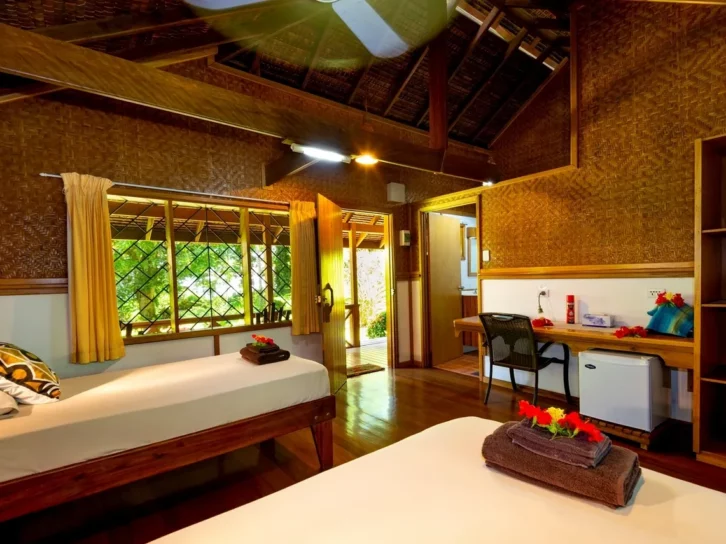


Diving trip to Papua New Guinea • Walindi Plantation Resort
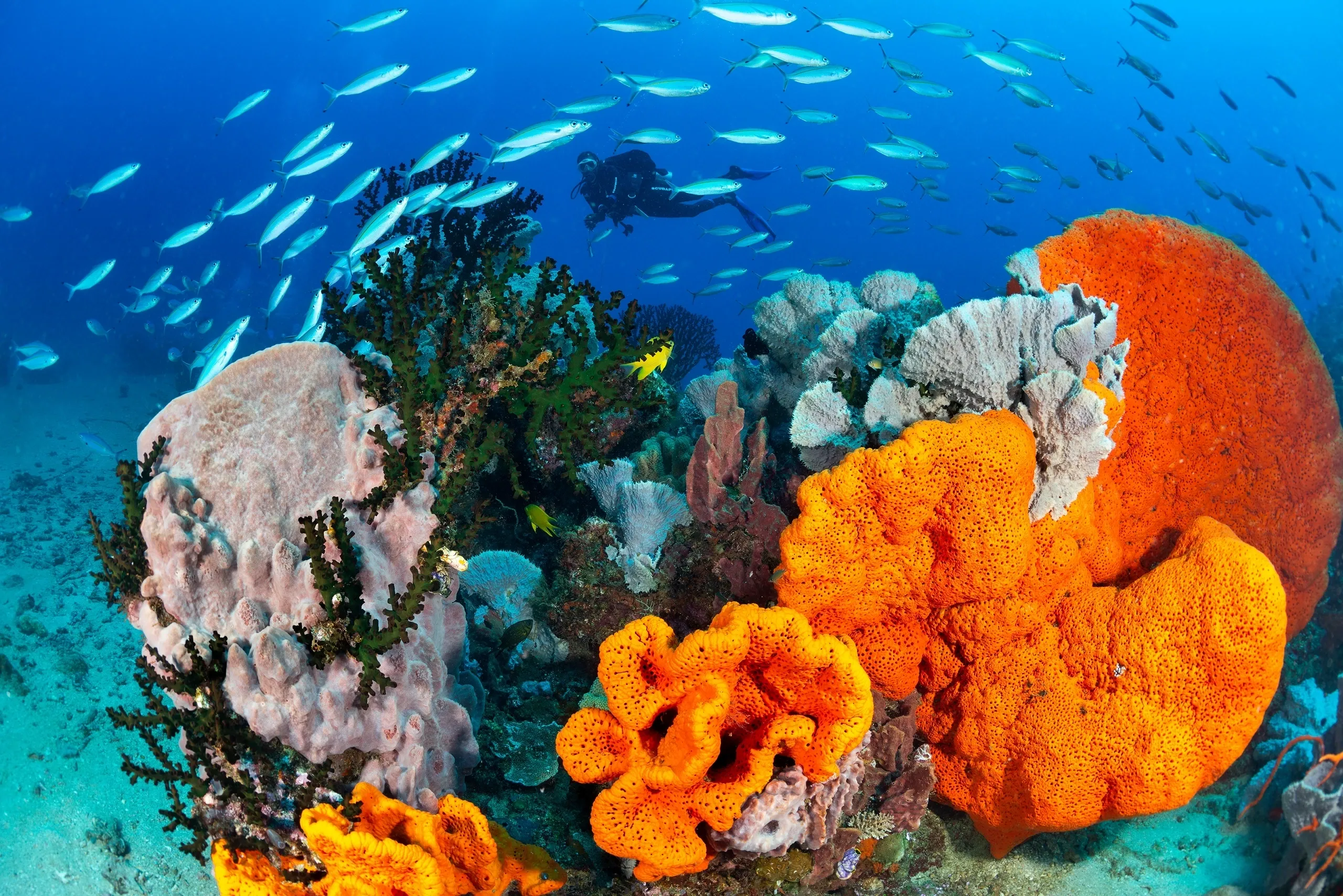
One of the most unspoiled diving destinations in the world. Diving in Kimbe Bay from the renowned Walindi Plantation Resort.

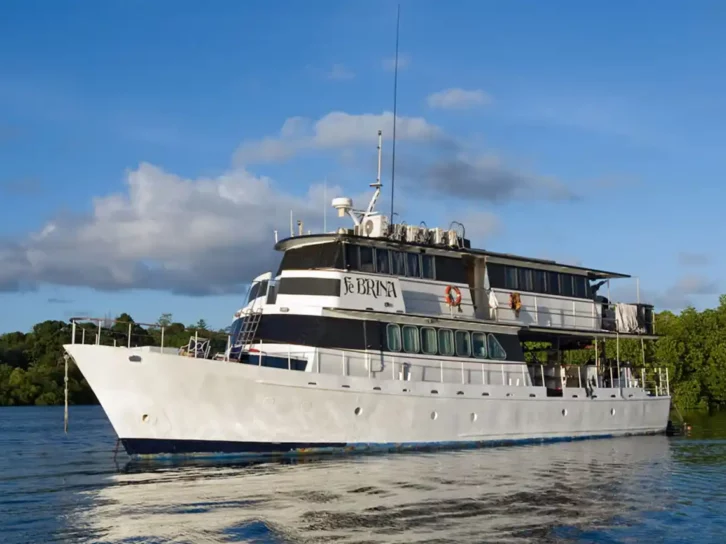




Liveaboard MV FeBrina • Kimbe Bay & the Bismarck Sea
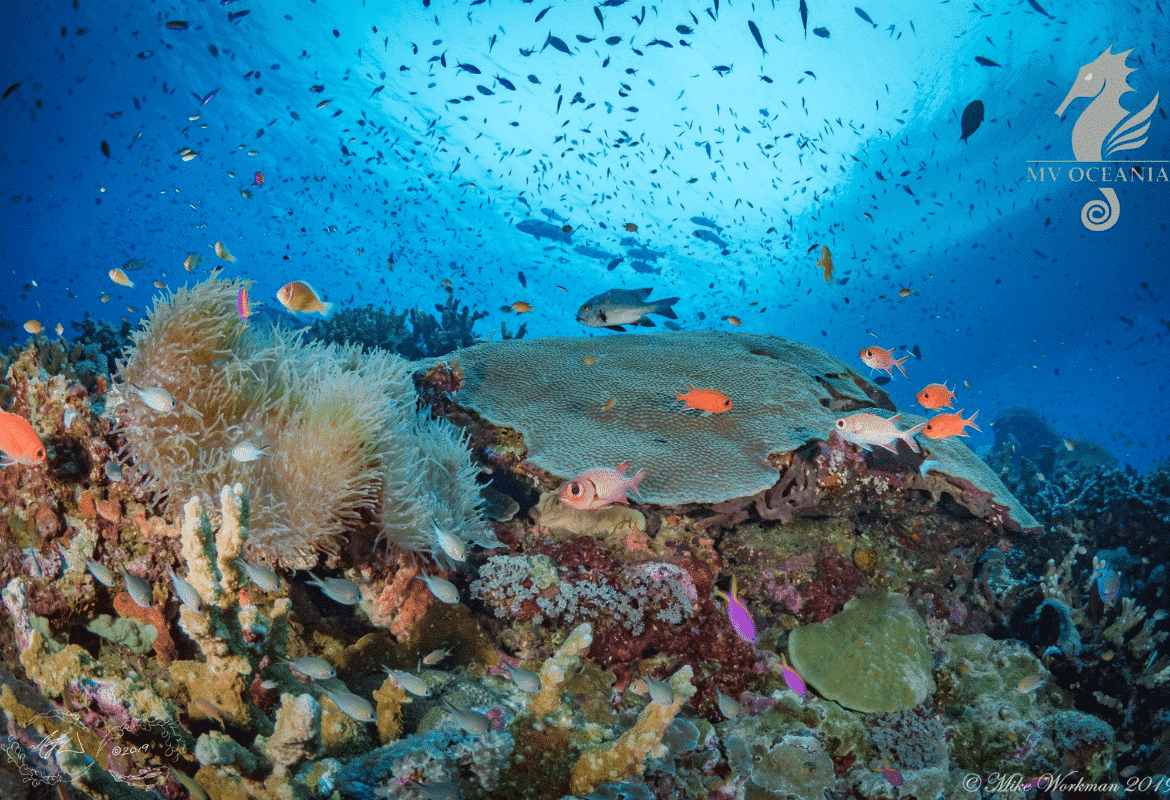
Discover the pristine diving waters of Papua New Guinea aboard the intimate MV FeBrina. Choose from unique itineraries, ranging from...

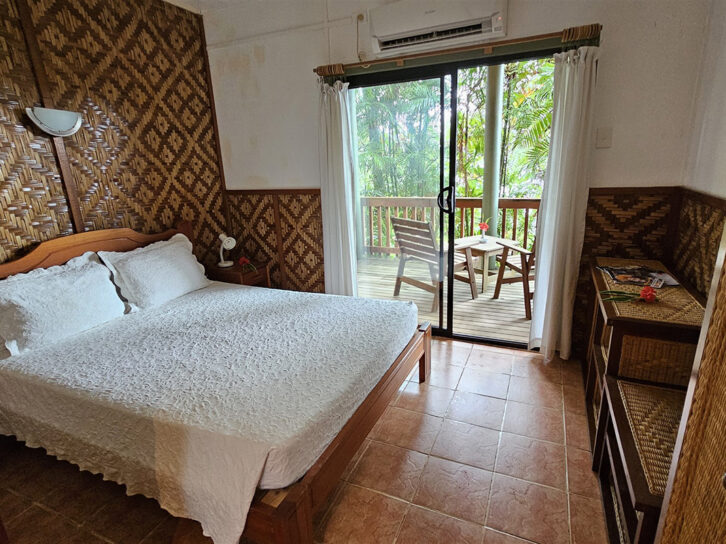
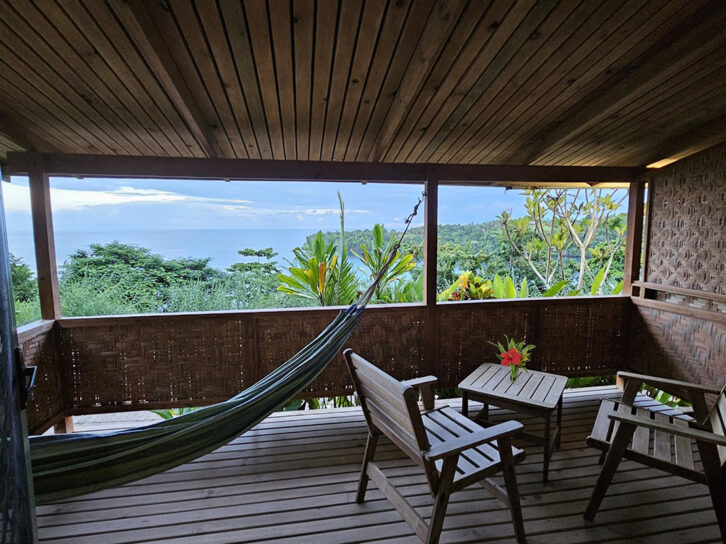



Diving Trip to Papua New Guinea • Tufi Resort
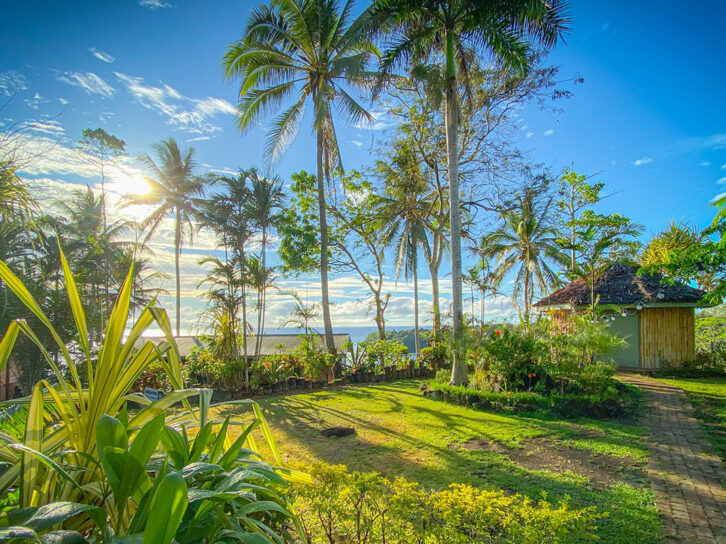
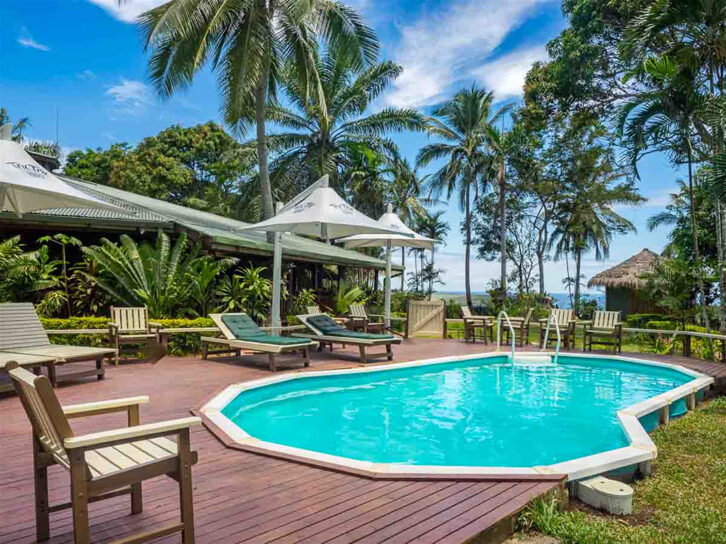
Explore the enchanting underwater world, breathtaking fjords, and indigenous traditions during this unforgettable diving vacation in Tufi, Papua New Guinea.
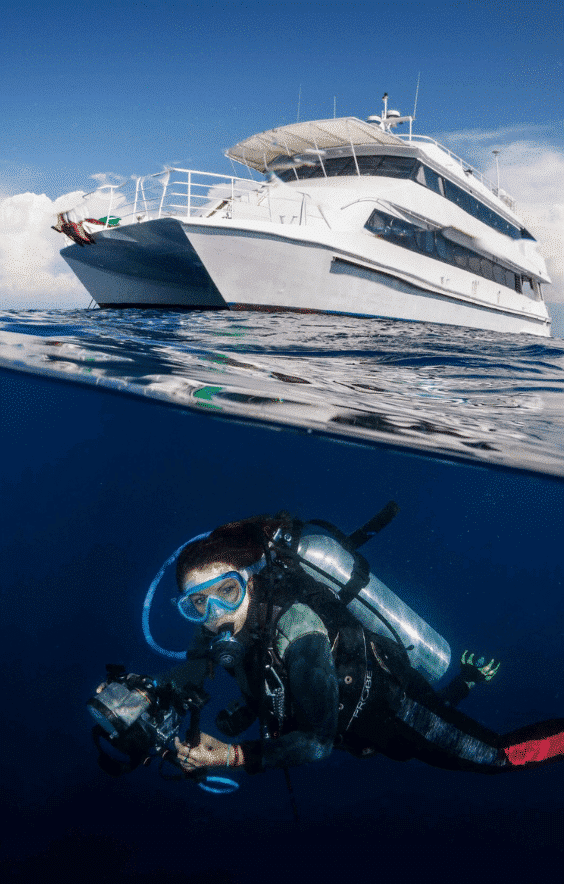
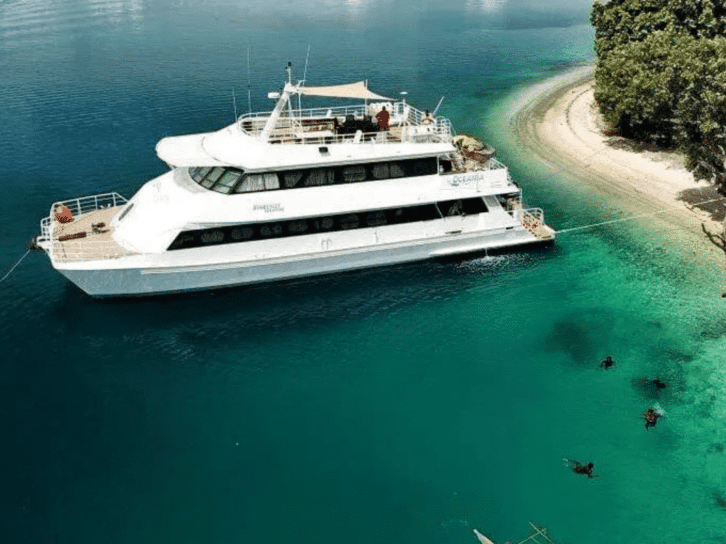
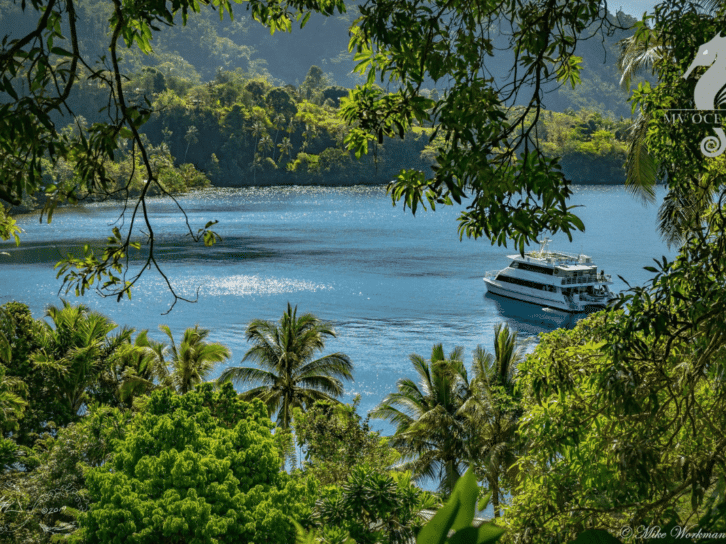
MV Oceania Liveaboard • Diving in the Bismarck Sea
Explore the Bismarck Sea aboard the comfortable liveaboard MV Oceania. Over the course of 10 days, you’ll dive at the...