Diving in Sumatra: A Complete Guide
Sumatra may not be the first destination that comes to mind for a diving vacation in Indonesia. Yet it is precisely here that you’ll find some of the country’s most unspoiled diving areas. From colorful coral reefs and volcanic dive sites around Pulau Weh to the remote reefs of the Mentawai Islands: diving in Sumatra is all about tranquility, nature, and an authentic experience.
What makes Sumatra truly special is that its underwater world blends seamlessly with the impressive natural scenery above water. Hike through the jungle in search of orangutans, visit volcanoes and waterfalls, or explore the vast Lake Toba. This makes Sumatra an ideal destination for travelers who want more than just diving.
In this blog, you’ll discover where to dive in Sumatra, what makes each region special, and how to combine your diving vacation with visits to the island’s most beautiful spots.
Table of contents
General Information About Sumatra
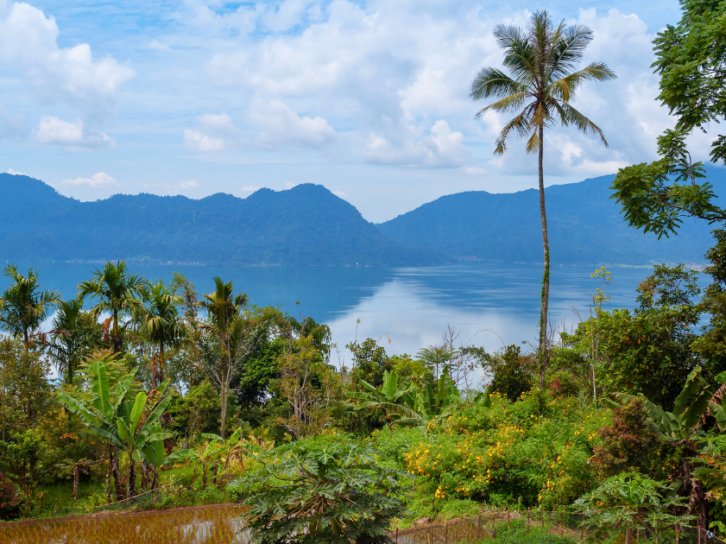
Sumatra is Indonesia’s westernmost major island and, after Borneo, the country’s second-largest island. It stretches over 1,700 kilometers and lies on the Indian Ocean. Thanks to its location at the boundary of tectonic plates, Sumatra boasts an impressive landscape featuring active volcanoes, vast rainforests, lakes, and a rugged coastline.
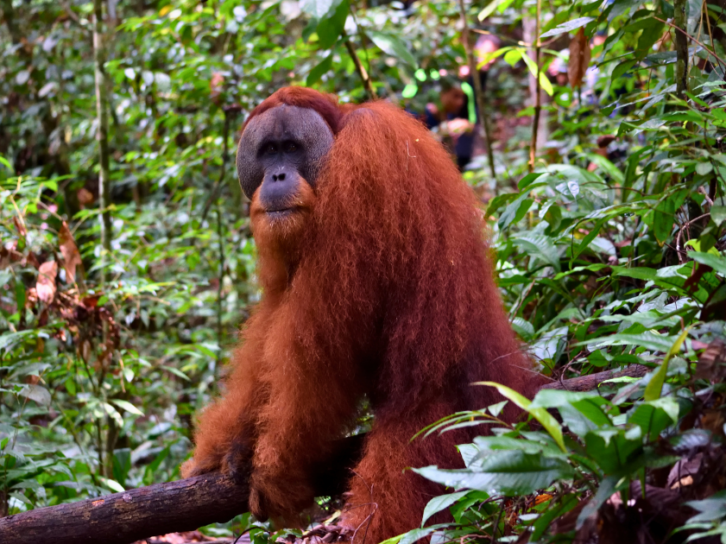
The island is best known for its unique natural environment. Gunung Leuser National Park is still home to wild orangutans, Sumatran elephants, and the rare Sumatran tiger. Lake Toba, the world’s largest volcanic crater lake, is also one of the island’s most famous attractions.
For divers, Sumatra is still a relatively undiscovered destination. In the north lies Pulau Weh, a small volcanic island known for its clear waters, healthy coral reefs, and a wide variety of marine life. Further to the west lie the Mentawai Islands, a remote archipelago with pristine reefs and hardly any other divers. Precisely because mass tourism is virtually nonexistent here, you can experience a peaceful and authentic side of Indonesia.
Anyone who chooses a diving trip to Sumatra is therefore not only choosing extraordinary dives, but also a destination where nature, adventure, and culture come together perfectly.
How do you get to Sumatra?
From the Netherlands and Belgium, you can fly to Sumatra with one or two layovers. To reach Pulau Weh, you’ll travel via Banda Aceh, and then take the high-speed ferry to the island—a trip that takes about 45 minutes. If you’re traveling to the Mentawai Islands, you’ll fly to Padang. From there, a ferry will take you to the archipelago, followed by a short boat transfer to the resort.

What makes Sumatra so special?
Sumatra is a destination that offers much more than just impressive diving. The island is one of Indonesia’s most diverse regions, where unspoiled nature, extraordinary wildlife, and a rich culture come together. It is precisely this combination that makes a trip to Sumatra so unique.
Sumatra also has a character all its own underwater. Unlike popular diving destinations such as Bali or Komodo, you’ll often encounter very few other divers here. The reefs are healthy, the marine life is diverse, and the atmosphere is calm and relaxed. Whether you’re diving along volcanic walls near Pulau Weh or colorful reefs in the Mentawai Islands, you’ll experience a side of Indonesia that’s still relatively undiscovered. In addition, the Mentawai Islands offer fantastic surfing; it’s a place where many surfers come, so you’ll also find that laid-back vibe you often encounter in surf towns.
There’s just as much to experience above water. Hike through the rainforest in search of wild orangutans, admire the immense Lake Toba, visit active volcanoes, or get to know the hospitable locals and the local culture. This makes Sumatra not only an excellent diving destination but also one of Indonesia’s most beautiful islands for a comprehensive tour.
Why go diving in Sumatra?
Diving in Sumatra is ideal for anyone looking for a peaceful and authentic diving destination. Compared to well-known regions like Bali, Komodo, or Raja Ampat, it’s much less crowded here. You’ll often dive with just a small group of other divers and have many dive sites practically to yourself.
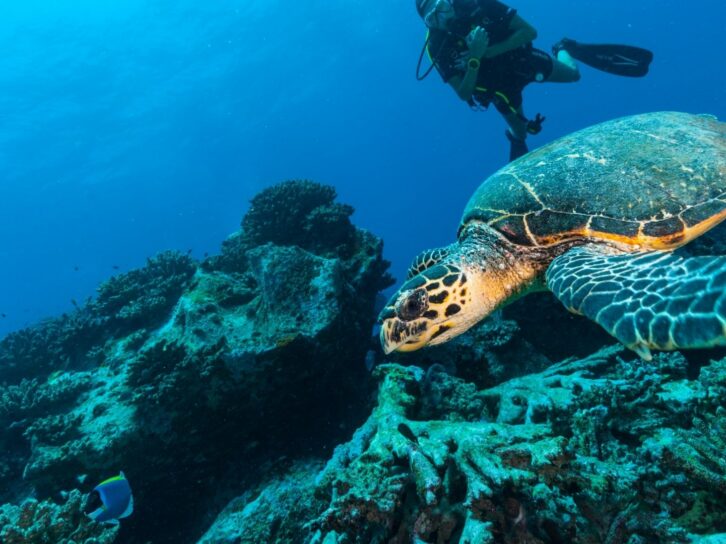
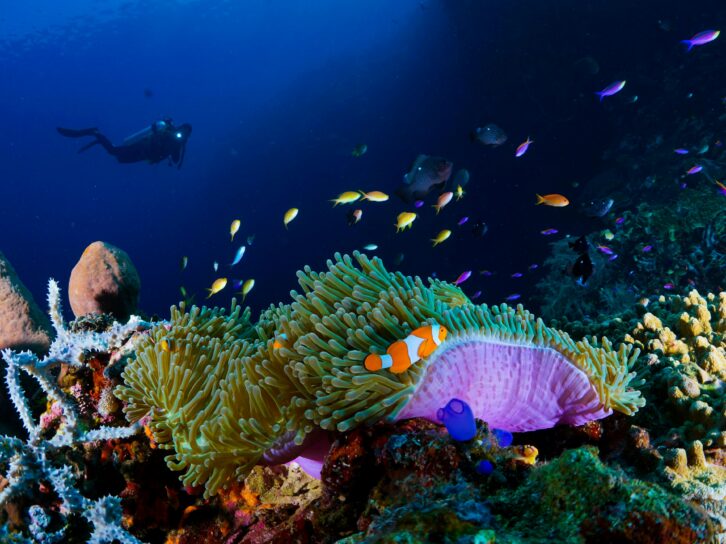
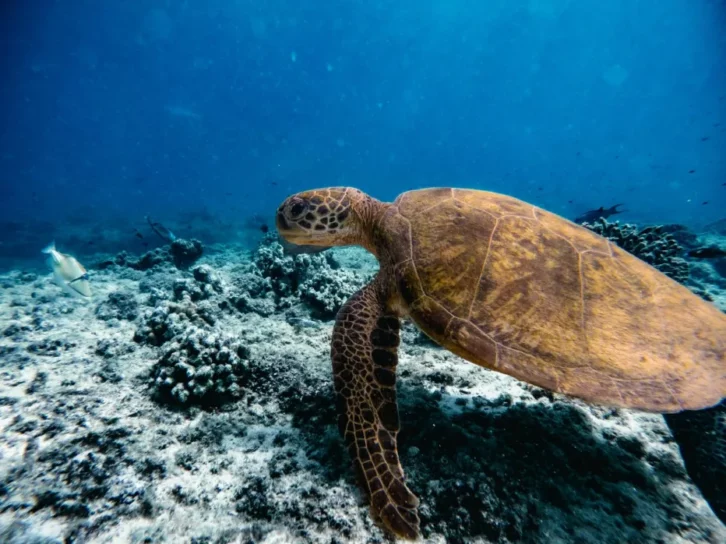
The underwater world is surprisingly diverse. Around Pulau Weh, you’ll find volcanic dive sites, colorful coral reefs, steep walls, and a wide variety of marine life. In the Mentawai Islands, you can dive on pristine reefs where healthy corals, sea turtles, reef sharks, and schools of tropical fish take center stage. Macro photography enthusiasts also regularly encounter unique species.
What really sets Sumatra apart is the combination of diving and above-water adventure. After a few days underwater, you can easily continue your journey through the jungle, spot orangutans, climb volcanoes, or visit Lake Toba. This makes Sumatra a destination where you’ll not only enjoy an amazing diving vacation but also get a complete picture of Indonesia’s diversity.
Where to stay in Sumatra?
There isn’t a wide range of accommodations near the dive sites in Sumatra. That means it’s generally quiet there, and you’ll be sharing the underwater world with relatively few other divers. At EWDR, we offer two resorts, each in a very different region of Sumatra.
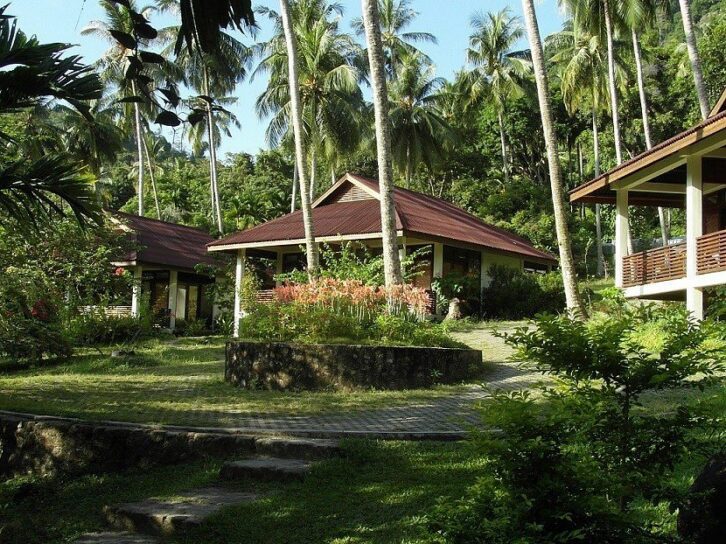
Awera Resort is located in the heart of the Mentawai Archipelago and serves as the perfect base from which to explore this remote group of islands. Originally known as a surfing destination, the resort has recently begun offering diving as well. With an experienced dive team and access to a virtually undiscovered dive site, you’ll discover colorful coral reefs, sea turtles, reef sharks, and large schools of tropical fish. In addition to diving, you can go snorkeling, kayaking, or relax on the beach.
Lumba Lumba Resort is located on Pulau Weh, a volcanic island north of Sumatra. From the resort, it’s just a short boat ride to the region’s most beautiful dive sites. The area is known for its colorful coral reefs, steep walls, volcanic dive sites, and a wide variety of marine life. Thanks to its location right on the water, this is an ideal base for exploring Pulau Weh, both above and below the water.
Best Time to Visit Sumatra
One of the advantages of Sumatra is that you can dive there year-round. However, the ideal travel periods vary by region, so it’s a good idea to choose your destination based on the time of year you plan to travel.
Pulau Weh is a great diving destination all year round. The best conditions are usually found between March and November, when the sea is often calmer and underwater visibility is at its best. Diving is also excellent during the other months, although the chance of rain and slightly rougher waves is a bit higher.
The water temperature ranges between 28 and 30°C year-round, so a 3-mm wetsuit is sufficient for most divers.
The best diving season for the Mentawai Islands runs from March through October. During this period, the weather is generally drier, the sea is calmer, and conditions are ideal for exploring the reefs around the islands. From November through February, there is more rainfall and the sea can be rougher, though diving is often still possible.
Here, too, the water temperature stays between 28 and 30°C almost all year round, so you can count on comfortable dives without a thick wetsuit.
When is the best time to travel to Sumatra?
If you want to visit both Pulau Weh and the Mentawai Islands, March through October are the best months. During this period, you’ll enjoy the most stable weather conditions and excellent diving conditions at both destinations. If you’re traveling exclusively to Pulau Weh, a diving vacation is possible virtually year-round.
Underwater Life in Sumatra: What Can You Expect During Your Dive?
The waters around Pulau Weh and the Mentawai Islands are part of the Indian Ocean and are known for their healthy coral reefs and wide variety of marine life. From colorful reef fish and sea turtles to reef sharks and extraordinary macro life, virtually every dive offers something new. Thanks to the variety of coral gardens, steep walls, volcanic reefs, and sandy bottoms, no two dives are ever the same.
Although encounters with larger animals are never predictable, you may come across the species listed below on a regular basis.
Reef Fish
- Doctor Fish
- Emperor Fish
- Butterflyfish
- Parrotfish
- Trolling
- Wrasse
- Fusiliers
- Cardinalfish
- Snappers
- Anthias
Marine Life
- Black tip reef sharks
- White tip reef sharks
- Grey reef sharks
- Green sea turtle
- Hawksbill turtle
- Barracudas
- Giant trevally
- Tuna
- Eagle Rays
- Mantas (seasonal)
Macro
- Pygmy seahorses
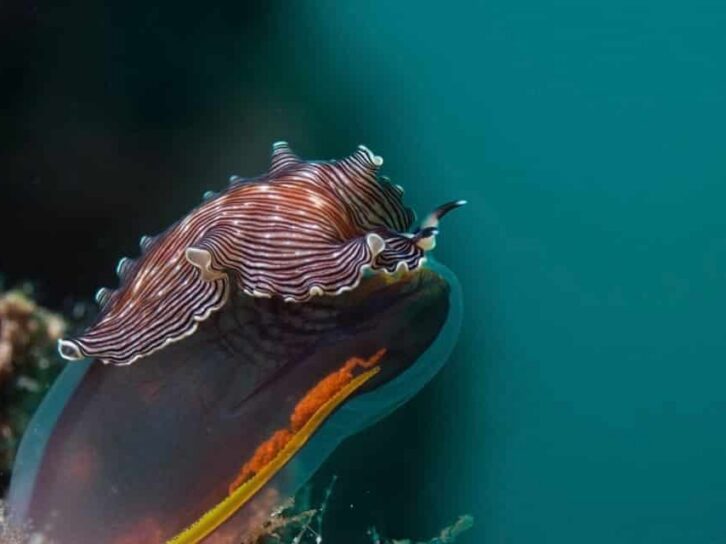
- Slugs
- Frogfish
- Leaf Scorpionfish
- Pipefish
- Shrimp
- Porcelain crabs
- Boxer crabs
- Gobies
- Blennies
Invertebrates
- Octopuses
- Cuttlefish
- Coral lobsters
- Walls and
- Sea urchins
- Sea cucumbers
- Spring Stars
- Giant Mussels
- Sea Anemones
Corals and Reef Structures
- Stony corals
- Soft corals
- Table Choral Pieces
- Staghorn Corals
- Large sea fans
- Sponges
- Volcanic reefs
- Steep walls
- Coral Gardens
- Pinnacles
Special Encounters
- Dolphins
- Whales (depending on the season, rare)
- Whale shark (very rare)
- Mobulas (occasionally)
- Large schools of glassfish
- Jackfish and barracudas in schools
- Tuna on the Hunt
- Bumphead parrotfish
Who is Sumatra a good destination for?
Sumatra is not a destination for travelers looking for luxury beach resorts, bustling boulevards, or a vibrant nightlife. Instead, the island attracts divers and nature lovers who want to discover a lesser-known side of Indonesia. Here, it’s all about impressive diving, tropical nature, and the chance to combine your trip with jungle adventures, wildlife, and culture.
Among other things, Sumatra is an excellent choice for:
- Divers who are looking for quiet dive sites and enjoy diving in places where they rarely encounter other divers.
- For lovers of biodiversity, with a diverse underwater world full of colorful reefs, reef sharks, sea turtles, and remarkable macro life.
- Underwater photographers, thanks to the combination of healthy coral reefs, abundant marine life, and small, photogenic reef dwellers.
- Nature lovers who want to combine their diving vacation with orangutans, the rainforest, volcanoes, and Lake Toba.
- Adventurous travelers who enjoy venturing off the beaten path and want to experience an authentic side of Indonesia.
- Travelers who enjoy a varied vacation that combines diving with nature, culture, and beautiful tours.
Most dive sites are suitable for divers of various skill levels. At some sites, particularly around Pulau Weh, currents may be present. An Advanced Open Water certification and some experience with drift diving are therefore a plus, although there are also plenty of sheltered dive sites for less experienced divers.
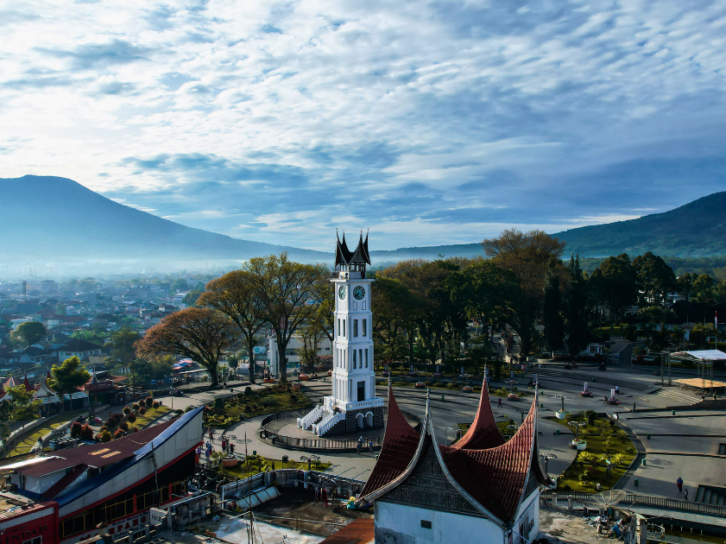
Sumatra also has plenty to offer for non-diving travel companions. From jungle treks in search of orangutans and hikes through national parks to volcanoes, waterfalls, and the impressive Lake Toba: there’s more than enough to discover above water, too.
Nature and Culture in Sumatra
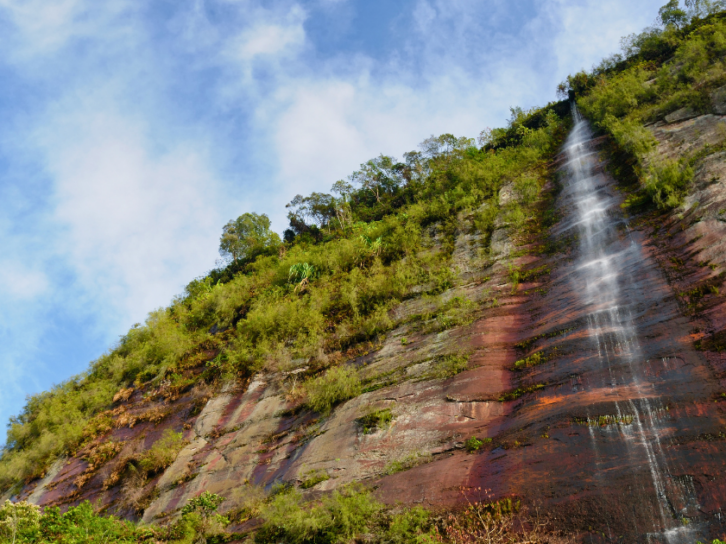
Of course, you travel to Sumatra for the diving, but there’s also a tremendous amount to do above water. The island is known for its vast rainforests, active volcanoes, impressive waterfalls, and the enormous Lake Toba. In addition, Sumatra is one of the few places in the world where you can still encounter wild orangutans. The various ethnic groups, such as the Batak on Samosir, also give the island a rich culture and a character all its own.
During your stay, you can, among other things:
- Spotting orangutans during a jungle trek in Bukit Lawang.
- Visit Lake Toba, the world’s largest volcanic crater lake, and explore the island of Samosir.
- Hike through the tropical rainforest and discover unique birds, butterflies, and other wildlife along the way.
- Climb volcanoes, such as Mount Sibayak, and enjoy spectacular views.
- Swimming at waterfalls and natural hot springs.
- Visit traditional Batak villages and experience the local culture.
- Kayaking, stand-up paddleboarding, or snorkeling around Pulau Weh or the Mentawai Islands.
- Enjoy peaceful beaches and breathtaking sunsets on the west coast of Sumatra.
This combination of a diverse underwater world and spectacular above-water scenery makes Sumatra one of Indonesia’s most well-rounded destinations.
Diving in Sumatra with EWDR
A diving trip to Sumatra requires careful planning. Depending on your destination, you’ll travel via Banda Aceh to Pulau Weh or via Padang to the Mentawai Islands. In addition, there are various domestic flights, ferries, and boat transfers that need to be taken into account. At EWDR, we take care of all the arrangements for you, so you can enjoy your trip without any worries.
Our travel specialists know Sumatra inside and out and are happy to advise you on the options. Whether you choose the colorful reefs of Pulau Weh, the remote Mentawai Islands, or a combination with a tour featuring orangutans, volcanoes, and Lake Toba, we’ll tailor your trip entirely to your preferences.
Are you wondering which destination in Sumatra is the best fit for you? Feel free to contact us. We’d be happy to work with you to plan a diving trip that matches your experience level, travel companions, and travel plans.



Sumatra Combo Trip • North Sumatra & Diving in Pulau Weh
Discover unspoiled North Sumatra and round out your trip with a relaxing diving vacation on Pulau Weh. A journey filled...






Sumatra Combo Trip • West Sumatra & Diving in the Mentawai Islands
Dive among the pristine reefs of the Mentawai Islands, followed by a tour of West Sumatra’s most beautiful natural and...