Tips from Underwater Photographer Thomas Van Puymbroeck
Just because you bring a camera with you while diving doesn’t automatically mean you’ll take great underwater photos. Underwater, you have to deal with movement, light, currents, and animals that don’t always behave exactly as you’d like them to. That’s why good underwater photography requires more than just a good camera.
But where do you start if you want to take better photos? We asked underwater photographer Thomas Van Puymbroeck. He shares his top tips for underwater photography and explains what photographers should look for when choosing a destination.


Thomas Van Puymbroeck is an award-winning underwater photographer and a great connoisseur and enthusiast of the underwater world. In addition to his work as a photographer, he works at the Antwerp Zoo, where he focuses on animals and their habitats.
He incorporates his knowledge of animals, behavior, and ecology into his photography. Thomas also regularly gives lectures and workshops on underwater photography and ecology, including at Duikvaker and Dive-Expo in Antwerp.
During our annual photography trips, he combines his knowledge of photography with his knowledge of the underwater world. This not only results in beautiful photos, but above all in many practical tips that you can apply right away while diving.
Thomas’s Tips for Better Underwater Photos
1. Become an underwater detective
Good underwater photos often start before you even get in the water. The better you know your subject, the greater the chance that you’ll find it and be able to photograph it at just the right moment. So take the time to learn about the animals you might encounter during a dive. What do they eat? Where do they hang out? When are they active? And how do they behave? For example, if you know which snail lives on a certain plant or another animal, you’ll suddenly start seeing them everywhere. If you understand the behavior of a particular species, you’ll also be better able to predict what the animal will do. According to Thomas, knowledge of the underwater world is therefore an important part of underwater photography. The better you understand what you’re photographing, the better you can anticipate its behavior, and the stronger your photos will ultimately be.
2. Know your camera better than you know yourself
Underwater, you don’t want to have to think about where a particular button is. If you finally have an animal right in front of your lens and then have to search through a menu for the right setting, it’s often too late. So get to know your camera well. Practice with the settings before you go in the water and make sure the important functions feel second nature. Know what your camera can do, but just as important: know what it can’t do. Every camera has its limitations. By knowing them, you’ll avoid frustration and learn to better handle the conditions you encounter underwater.
3. Trim is everything
It may sound like a cliché, but according to Thomas, good trim is an absolute essential for underwater photography. With good trim, you can stay stable in the water. This gives you more control over your composition and allows you to focus and take pictures calmly. You won’t have to constantly adjust your position with your fins, and you’ll avoid accidentally stirring up sand or scaring away an animal. A good trim is also important for the underwater world. If you can stay stable, you’re much less likely to bump into coral or disturb other animals and their habitat. So photography really starts with good diving.
4. Look first, then take a picture
When you see a special animal, it’s tempting to start taking pictures right away. Still, it can be worth taking a moment to watch first. How does the animal move? Where is it going? Does it keep returning to the same spot? And from which direction does the light fall most beautifully? By observing first, you can better prepare for the moment you want to take the photo. Instead of swimming after the animal, wait for the right moment. This often results not only in calmer photos, but also in photos that better capture the animal’s natural behavior.
5. Move slowly
Underwater, rushing is almost never a good strategy. Especially with small animals, a sudden movement can cause your subject to swim away or hide. Move calmly and with control. Approach your subject slowly and try to disturb the water as little as possible. This not only gives you a better chance of getting a good photo, but also ensures that you disturb the animal as little as possible. A good underwater photographer is therefore, above all, a good observer.
6. Make sure your subject is close enough
The less water there is between your camera and your subject, the better. This is because water causes a loss of color and contrast. Distance is therefore especially important when working with artificial light. Try to move closer gradually instead of immediately using a high zoom setting—without disturbing the animal, of course. This is especially important in macro photography. With small subjects in particular, even a slight change in distance can make a big difference in sharpness, color, and detail.
Photography Trips with Thomas Van Puymbroeck
Would you like to improve your underwater photography skills while discovering a unique destination? Every year, in collaboration with Thomas Van Puymbroeck, we organize a special group trip for divers who are passionate about underwater photography.
For every trip, we deliberately choose a destination where something special is happening. This could be a spectacular animal migration, a unique encounter with large marine animals, or a destination known for its incredible underwater diversity.
The conditions for photographers also play an important role in this regard. We look for destinations where you can enjoy taking photos—for example, with little current, ample time underwater, and easy access to the water. This allows you to focus entirely on your subject and your photography.
During the trip, Thomas shares his knowledge and experience. He covers not only the technical aspects of your camera, but also composition, lighting, animal behavior, and how to take a photo that conveys more than just what’s swimming in front of your lens.
The groups are intentionally kept small to allow plenty of time for personalized guidance. You definitely don’t have to be a professional photographer. Whether you’re just starting out with underwater photography or have been diving with a camera for years, anyone who’s enthusiastic and wants to learn more is welcome.

Want to come along with Thomas, too?
The next photography trip with spots still available is to Norway in October 2027. The goal of this trip? Snorkeling and swimming with orcas. There’s also a good chance of seeing humpback whales and the Northern Lights during this expedition.
A special trip for anyone who enjoys underwater photography and would like to learn from an experienced photographer.


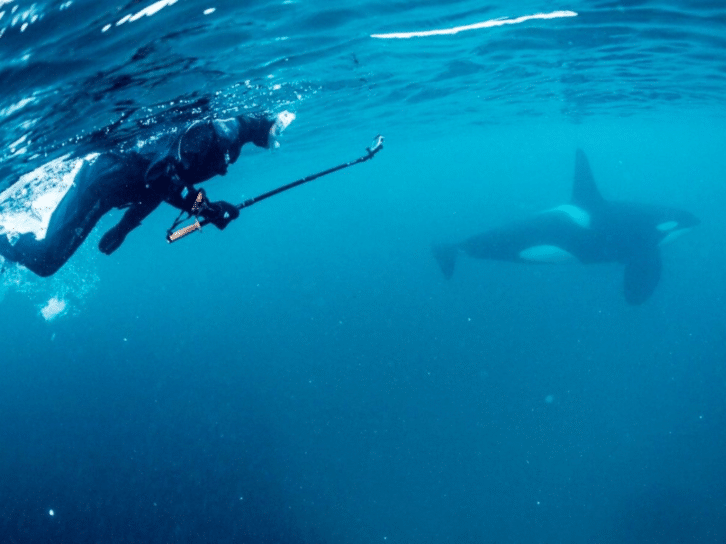
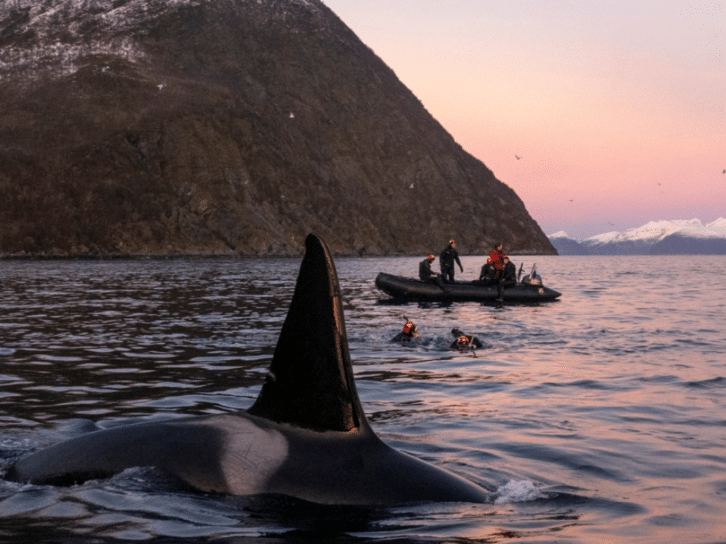
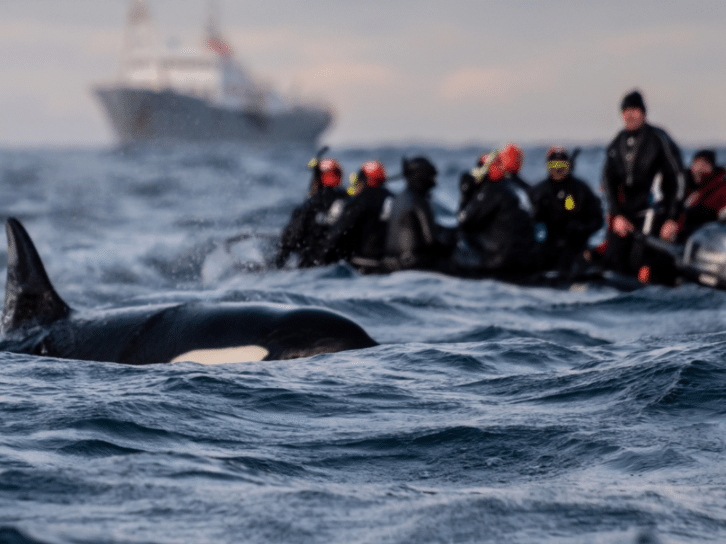
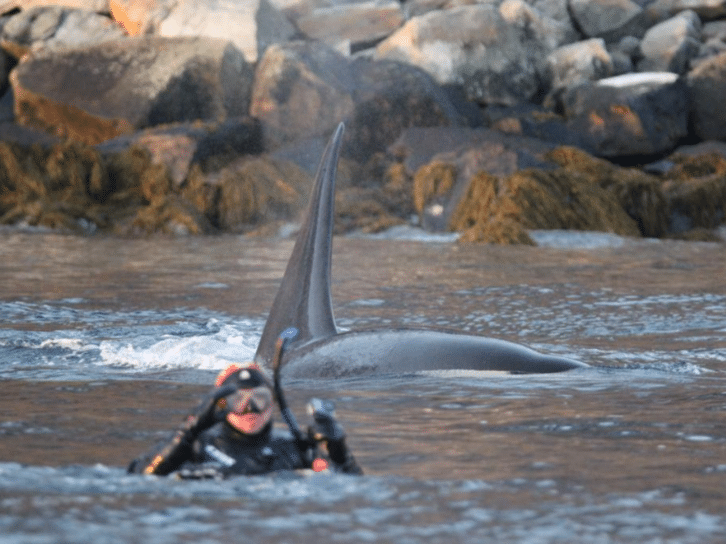
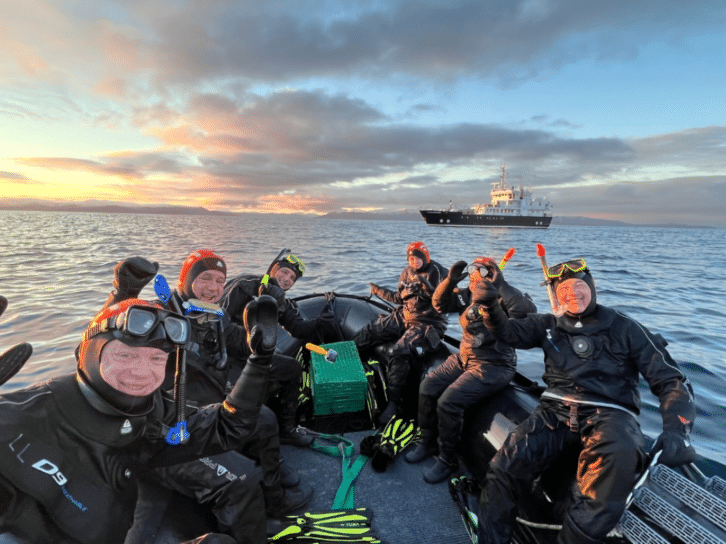
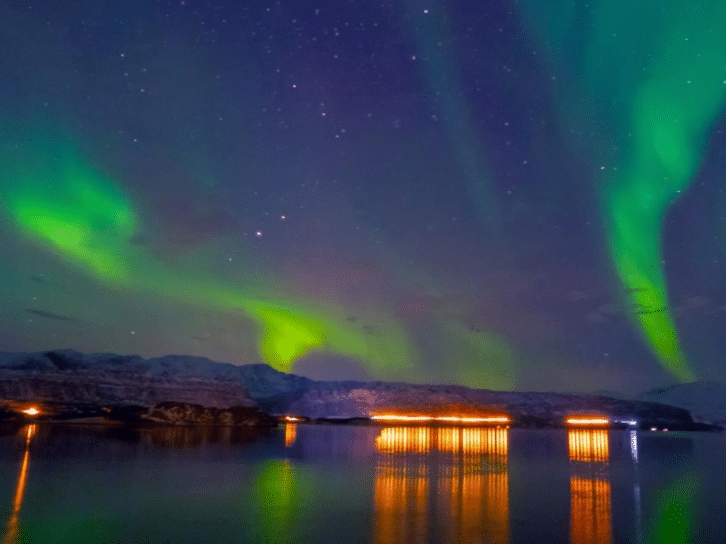
Photography Trip with Thomas van Puymbroeck • Snorkeling with Orcas in Norway
During this vacation you will snorkel with orcas in Norway. A fantastic experience! You’ll stay on a liveaboard, so you...