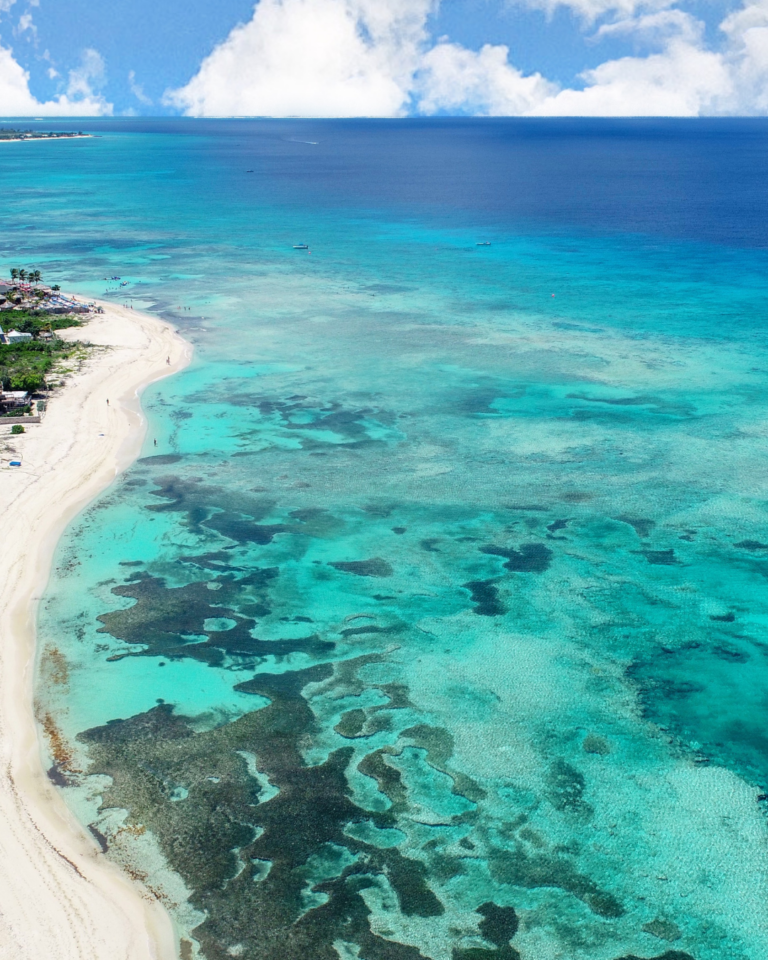
Diving destinations in the Caribbean
The Caribbean is made up of dozens of islands and coastal destinations, but not every place offers the same diving experience. Some destinations are among the best dive sites in the world, while others are popular primarily because of beaches, resorts or atmosphere above the water.
In this blog, we list the most famous Caribbean diving destinations and explain why a destination is, or is less, suitable for divers. Are you especially looking for our personal favorites and destinations where we offer trips? Then check out our blog with favorite diving destinations in the Caribbean.
Table of contents
Antigua & Barbuda
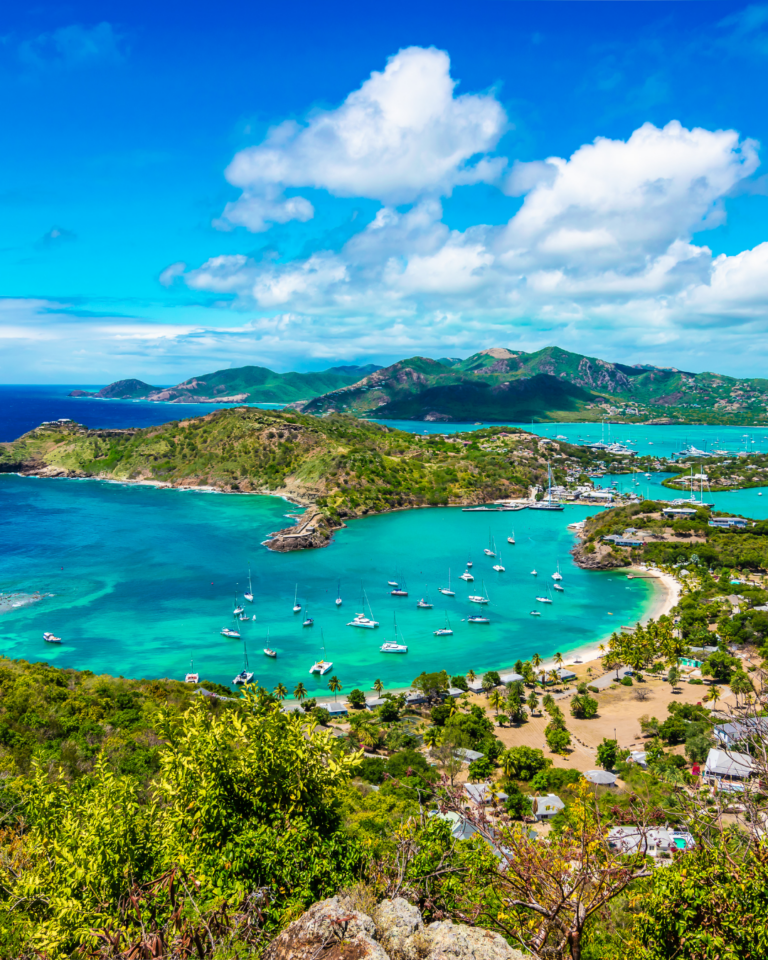
Antigua & Barbuda are located in the eastern part of the Caribbean, between Guadeloupe and Saint Kitts & Nevis. Known primarily for beaches and sailing vacations, the islands also offer quiet reef dives and a few wrecks. The marine life is beautiful, but less spectacular than destinations such as the Bahamas or Belize. This makes the islands especially suitable for travelers who want to combine diving with a relaxing beach vacation. Thanks to the relatively calm conditions, it is also a pleasant destination for novice divers.
Suitable for: relaxed reef diving, beach vacation, beginners
Less suitable for: large animals or spectacular wall dives
Aruba
Located just off the coast of Venezuela, Aruba is part of the ABC Islands, along with Bonaire and Curaçao. The island is known for stable weather, white beaches and accessible diving. Wreck dives are especially popular, with the famous Antilla as the most famous example. You will also find colorful reefs, turtles and eagle rays regularly. Aruba is less focused on hardcore diving than some other Caribbean destinations, but rather ideal for travelers who want to combine diving with comfort, beaches and friendliness above water. Because Aruba is outside the hurricane belt, you can dive well here virtually year-round.
Suitable for: wrecks, beginners, beach vacation and therefore not a diving vacation
Less suitable for: large pelagic life or macro
Bahamas
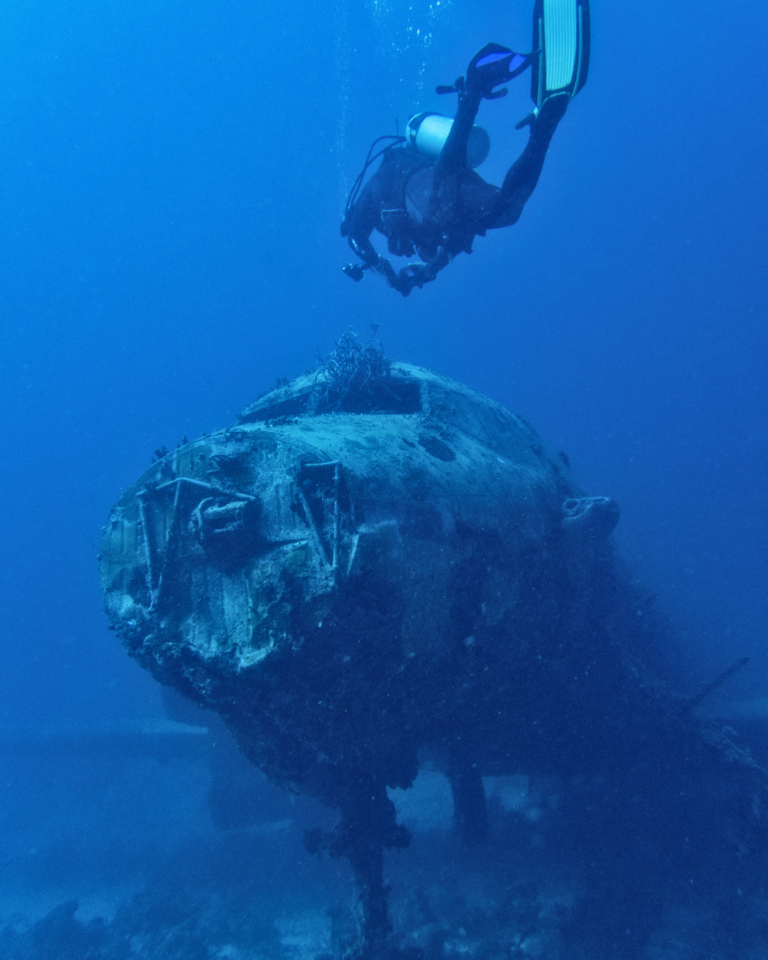
Located north of Cuba and near Miami, the Bahamas consists of hundreds of islands scattered over clear blue waters. The destination is best known for its spectacular shark diving. Locations such as Tiger Beach attract divers from all over the world for encounters with tiger sharks, hammerheads and Caribbean reef sharks. You’ll also find blue holes, sheer walls and huge schools of fish in crystal clear water. Above water, it’s all about tropical beaches, island hopping and a laid-back Caribbean atmosphere. The best time for shark action is between December and April, although you can do excellent diving here year-round.
Suitable for: sharks, large animals, experienced divers
Less suitable for: macro or quiet shore diving

Barbados
Located in the southeastern Caribbean, Barbados is best known for relaxed reef diving and wrecks. Many dive sites are close to shore and are suitable for recreational divers and beginners. Turtles are frequently seen here and wreck diving is also popular. Less spectacular than destinations such as Saba or the Bahamas, Barbados is attractive to travelers who want to combine a relaxing island vacation with accessible diving. Above water you will find long beaches, rum bars and a lively Caribbean atmosphere.
Suitable for: beginners, relaxed reef diving, wrecks
Less suitable for: pelagic life or challenging dives

Belize
Located on the Caribbean coast of Central America, Belize is known for the huge Belize Barrier Reef, part of the second largest barrier reef in the world. The most famous dive site is undoubtedly the Great Blue Hole, but the reefs themselves also offer impressive dives with reef sharks, eagle rays and huge schools of fish. In certain months, you also have a chance of seeing whale sharks here. Belize is popular with liveaboards because many dive sites are relatively remote. Above water you can easily combine diving with jungle, Maya culture and tropical islands.
Suitable for: liveaboards, family travel
Less suitable for: pelagic life

Bonaire
Bonaire, like Aruba and Curaçao, lies just off the coast of Venezuela and is considered one of the best shore diving destinations worldwide. Almost the entire island is surrounded by accessible reefs, allowing you to dive independently whenever you want. Underwater you will find healthy corals, turtles, tarpons and plenty of macro life. Night diving is especially popular here. Above water, Bonaire is quiet and relaxed, with salt flats, flamingos and a strong focus on nature and diving. Thanks to the stable climate, you can visit here year-round.
Suitable for: beginners, shore diving, photography
Less suitable for: large pelagic species
British Virgin Islands (BVI)
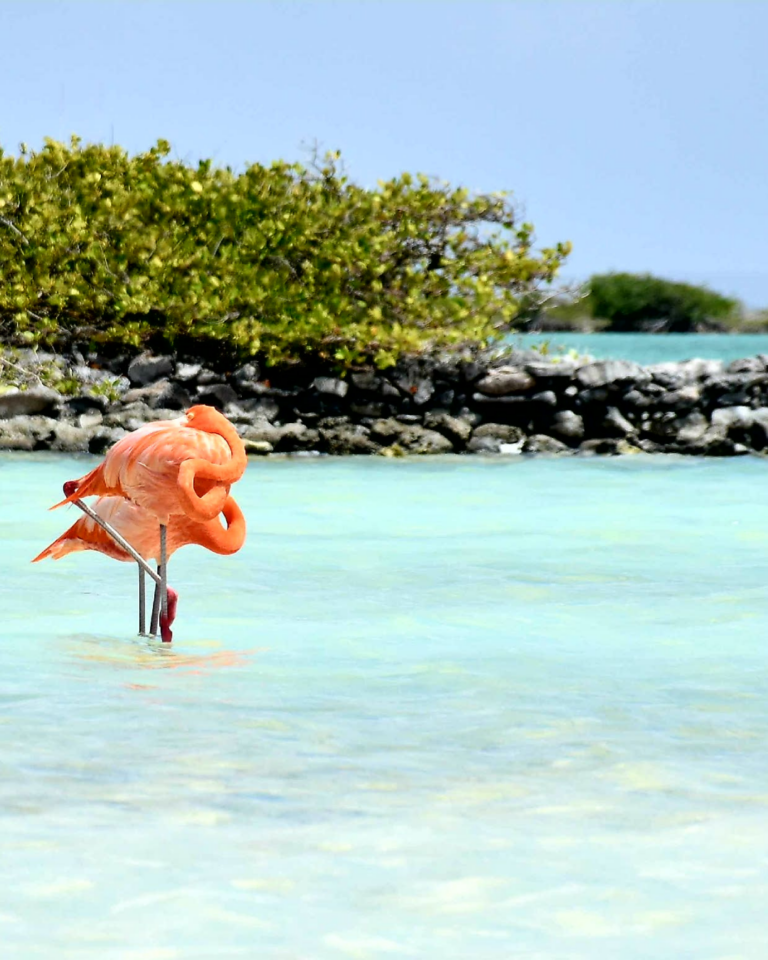
Located east of Puerto Rico, the British Virgin Islands are best known for sailing vacations combined with relaxed reef and wreck diving. The most famous dive site is the wreck of the RMS Rhone, one of the most famous wreck dives in the Caribbean. You will also find colorful reefs, turtles and calm conditions suitable for recreational divers.
Compared to destinations such as Saba or the Bahamas, this is less about spectacular big life and more about relaxed diving combined with island hopping and sailing. As a result, the British Virgin Islands are especially popular with travelers seeking a relaxing Caribbean vacation where diving is part of the trip.
Suitable for: wrecks, sailing vacations, relaxed reef diving
Less suitable for: sharks, large pelagic species or extreme wall diving

Cayman Islands
Located south of Cuba, the Cayman Islands are known for crystal clear waters and spectacular wall diving. Grand Cayman is especially popular for its steep drop-offs, wrecks and famous locations such as Stingray City. Diving here feels comfortable and luxurious, with good infrastructure and many high-quality resorts. The reefs are healthy and visibility is often excellent. The Cayman Islands are especially popular with travelers seeking a comfortable diving vacation with beautiful wall dives and plenty of convenience.
Suitable for: wall diving, luxury diving trips, clear water
Less suitable for: budget travelers
Cuba
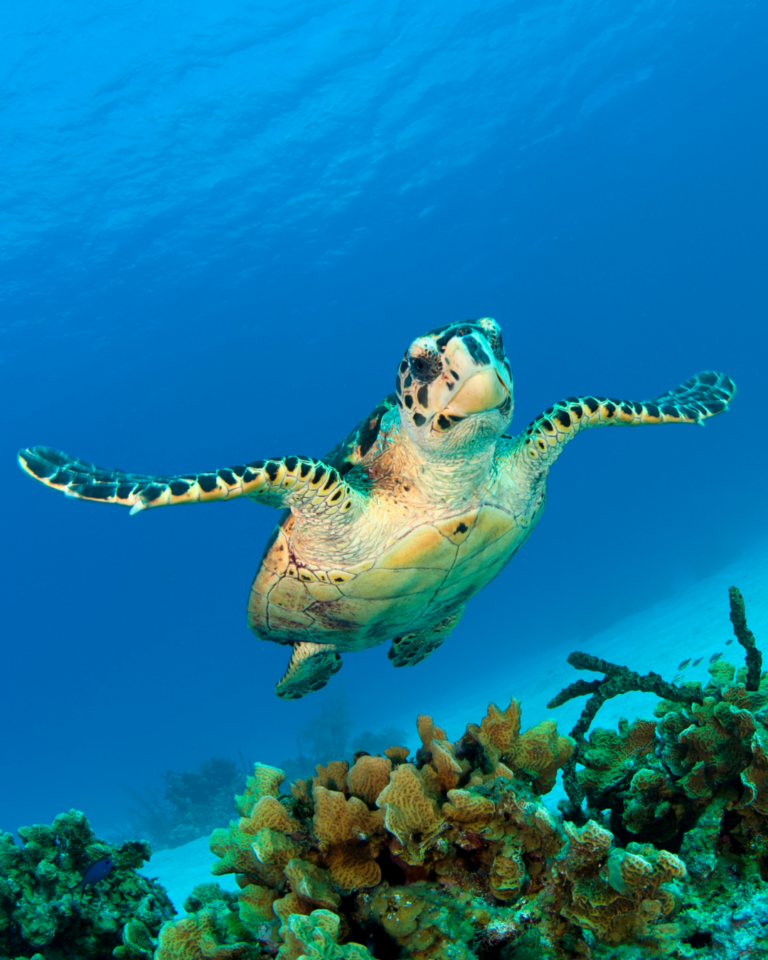
Located between Mexico and the Bahamas, Cuba offers a completely different atmosphere than many other Caribbean destinations. Jardines de la Reina in particular is known as one of the most pristine diving areas in the Caribbean, with plenty of sharks, crocodiles and healthy reef life. Dive tourism is less developed here, so many areas still feel relatively pure. Although Cuba offers beautiful diving areas, current conditions make it not the most accessible Caribbean destination
Suitable for: sharks, pristine reefs, adventurous travelers
Less suitable for: simple luxury vacations, travelers who want to travel to America after this i.e. ESTA

Curaçao
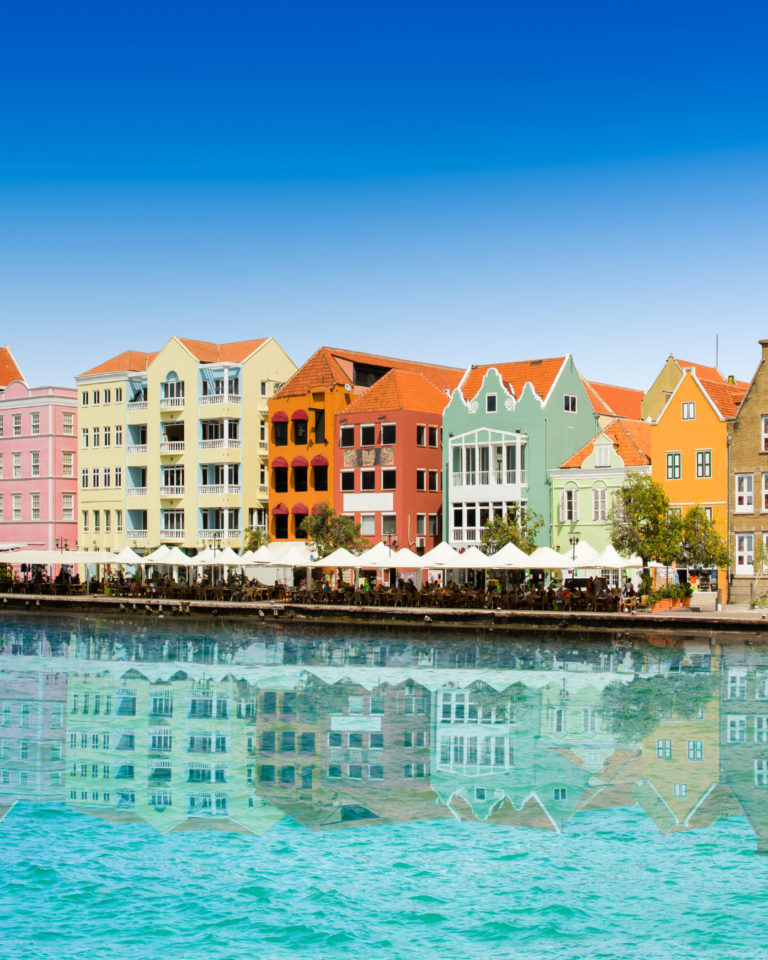
Curaçao, like Aruba and Bonaire, lies off the coast of Venezuela and combines accessible reef diving with a lively atmosphere above water. The island offers many shore dives, colorful reefs and popular dive sites such as Tugboat. In addition, Curaçao is popular with underwater photographers thanks to its abundance of macro life. Compared to Bonaire, Curaçao feels a bit more lively, with more restaurants, beaches and entertainment options. This makes it a popular choice for travelers who want to combine diving with a versatile vacation.
Suitable for: beginners, shore diving, vacation + diving
Less suitable for: large pelagic species
Dominica
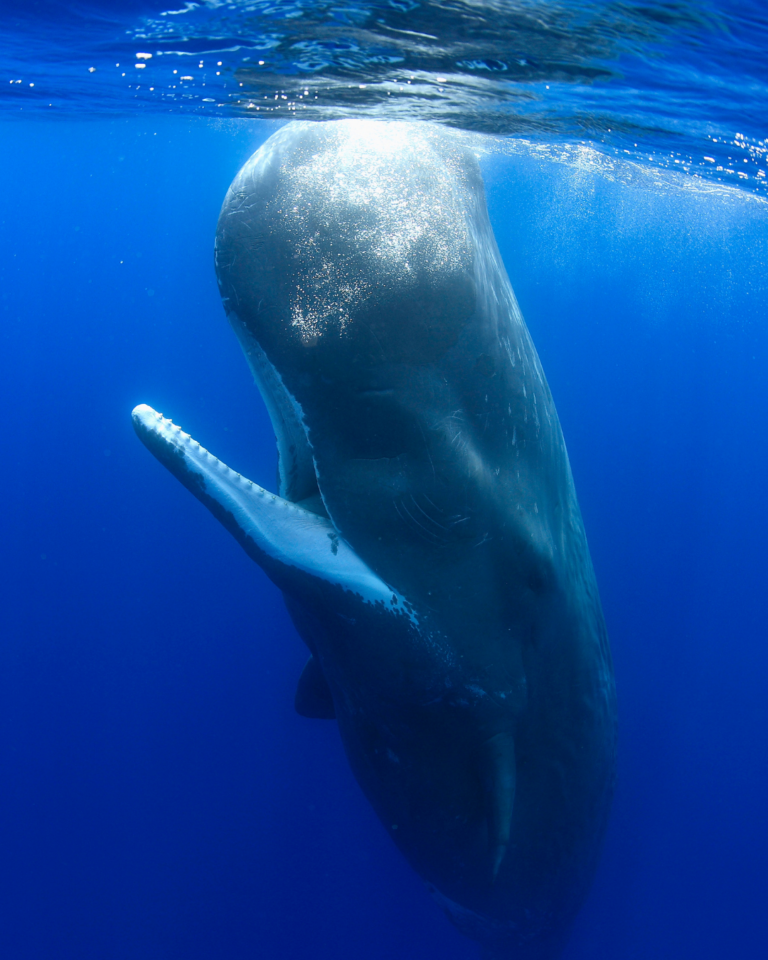
Located between Guadeloupe and Martinique, Dominica feels completely different from many other Caribbean islands. The island is green, volcanic and adventurous, with rainforests, hot springs and impressive waterfalls. You can also see that volcanic character underwater with bubbles from the sea floor, steep reefs and plenty of macro. In addition, Dominica is known as one of the best places in the Caribbean to see sperm whales. The island focuses less on luxury beach vacations and more on nature and adventure.
Suitable for: adventure, macro, unique diving
Less suitable for: luxury resorts and classic beach vacations
Grenda
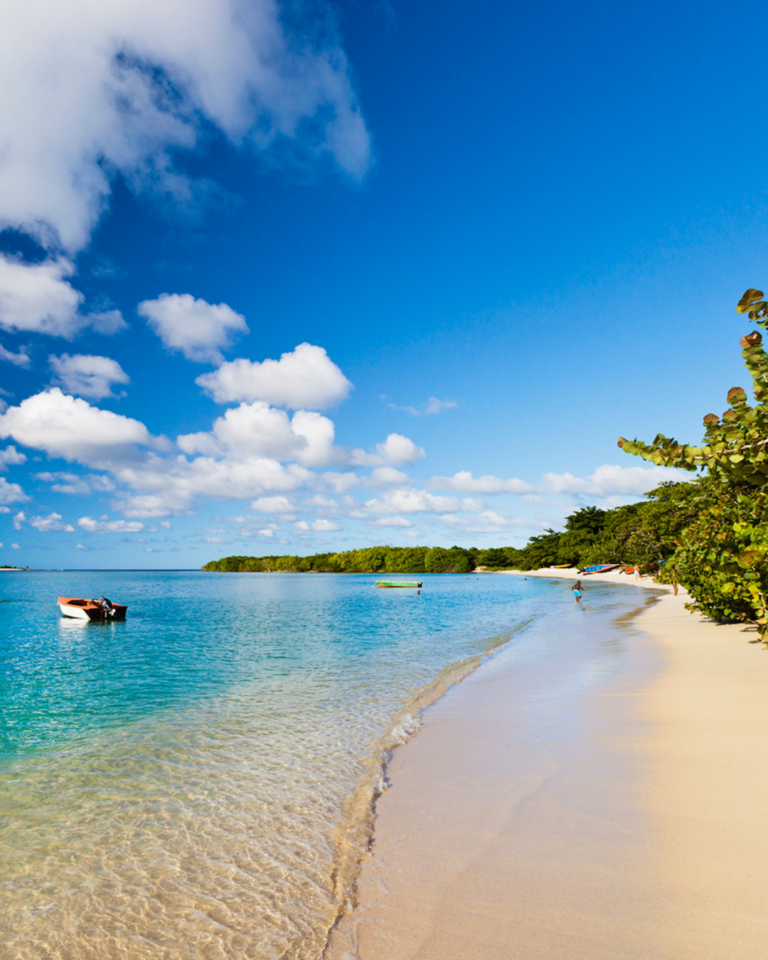
Grenada is located in the southern part of the Caribbean, near St. Vincent & the Grenadines. The island is known for wrecks, varied reefs and the famous Underwater Sculpture Park. The combination of wrecks, macro and reef life makes Grenada a versatile destination for recreational divers. Above water you will find green hills, beaches and a relaxed Caribbean atmosphere. Less focused on large pelagic life, Grenada is of interest to photographers and divers seeking variety.
Suitable for: wrecks, photography, alternate dives
Less suitable for: sharks or large pelagic species
Jamaica
Located south of Cuba, Jamaica is best known for reggae, culture and beaches. Diving here is relaxed and accessible, with reefs, walls and some wrecks. Although Jamaica is less often mentioned as a top diving destination, it is a fine choice for travelers who want to combine diving with culture, music and a laid-back vacation atmosphere. For spectacular shark or wall dives, experienced divers are usually more likely to choose other destinations in the Caribbean.
Suitable for: relaxed reef diving, culture + vacation
Less suitable for: experienced divers seeking spectacular marine life

Mexico
Mexico’s Caribbean coast lies on the Riviera Maya and combines several completely different diving experiences in one trip. Around Cozumel you’ll find spectacular drift dives along colorful reefs with tremendous visibility, while Playa del Carmen is known for bull sharks in the winter season. Tulum adds a completely different experience with its famous cenotes: bright blue limestone caves full of light rays and unusual rock formations. Above water, you can easily combine diving with Mayan temples, jungle and lively coastal towns.
Suitable for: bull sharks, cenotes, multi-faceted diving trips
Less suitable for: travelers seeking only quiet reef dives

Roatán, Honduras
Located off the northern coast of Honduras, Roatán is part of the Mesoamerican Barrier Reef. The island is known for colorful reefs, plenty of macro and a relaxed diving atmosphere. Turtles, eagle rays and sometimes whale sharks are regularly seen here. Compared to many other Caribbean islands, Roatán is relatively affordable, making it popular with novice and experienced divers alike. Above water there is a laidback atmosphere with beaches, small villages and much focus on diving.
Suitable for: value for money, reef diving, beginners
Less suitable for: large marine life
Saint Lucia
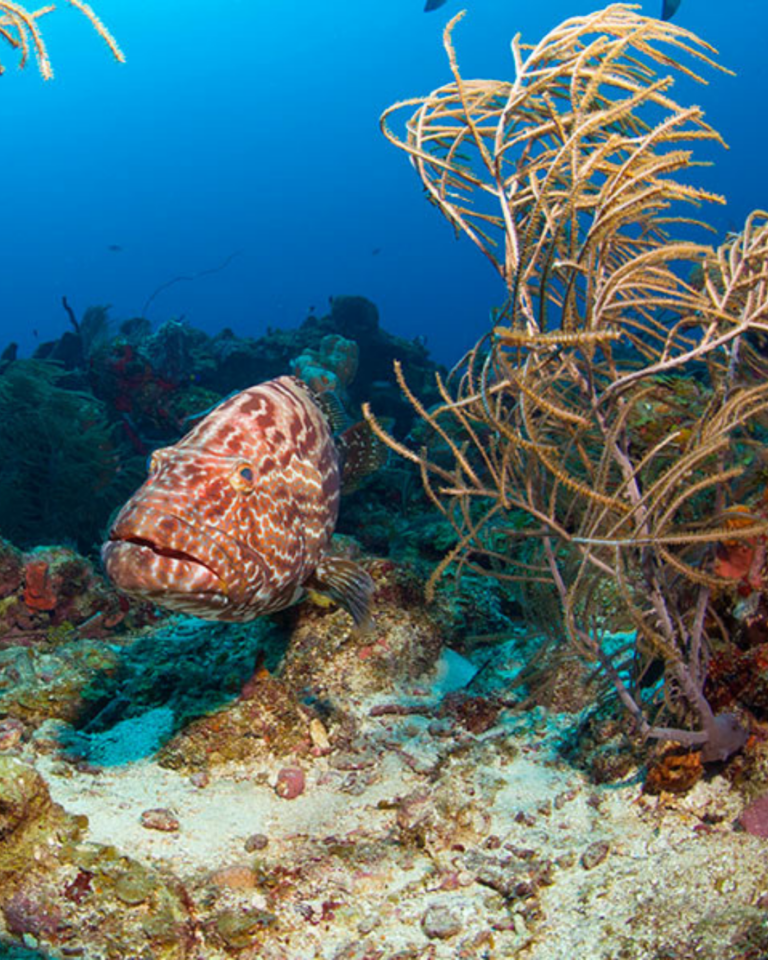
Located between Martinique and St. Vincent, Saint Lucia is known for its iconic Pitons that rise high above the sea. Even underwater, you can see the volcanic nature in steep reefs and dark sandy bottoms with macro. The island combines diving with nature, rainforests and luxury resorts. Although Saint Lucia is less known for large animals, it is a great destination for travelers who want to combine a tropical vacation with relaxed reef diving and plenty of nature above water.
Suitable for: nature, reef diving, honeymoon + diving
Less suitable for: sharks or spectacular big life
Saint Kitts and Nevis
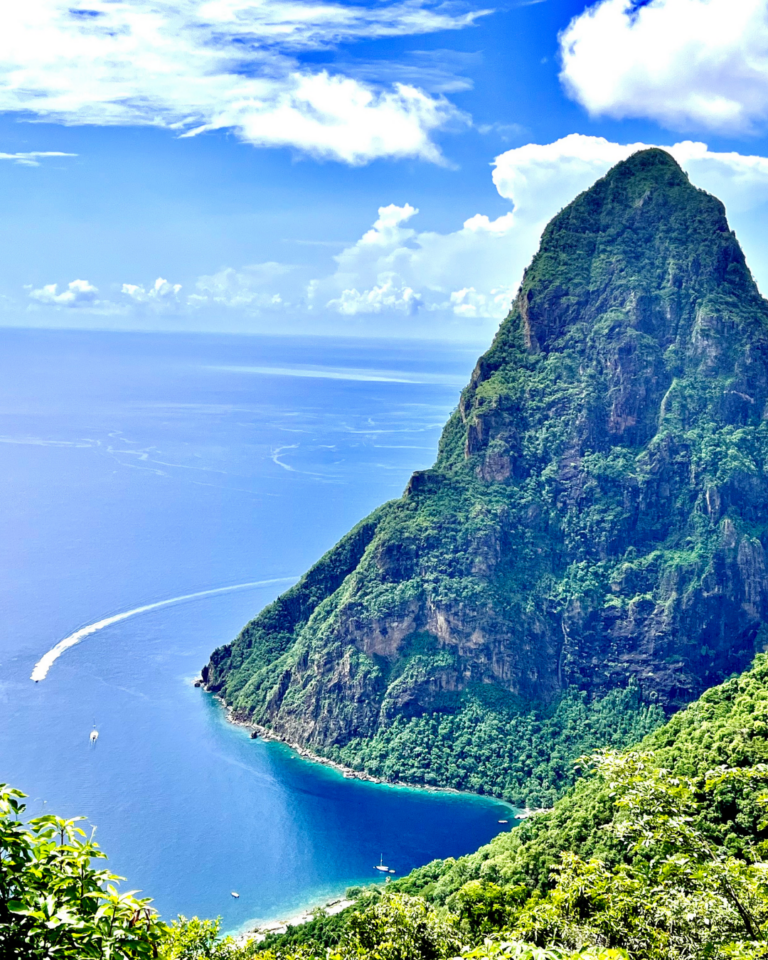
Saint Kitts & Nevis are located in the northeast Caribbean between Saba and Antigua. The islands offer peaceful reef diving, wrecks and volcanic landscapes underwater. Tourism here is on a smaller scale than in many other Caribbean islands, giving it a relaxed atmosphere. Divers who want to travel off the busy tourist routes especially appreciate this destination.
Suitable for: tranquility, reef diving, small-scale travel
Less suitable for: large animals or extreme visibility

St. Maarten & Saba
Located in the northeast Caribbean, St. Maarten is often combined with Saba. While St. Maarten is mostly known for beaches, restaurants and friendliness, Saba is all about spectacular diving and nature. Around Saba you will find impressive pinnacles that rise from great depths and provide dives full of schools of fish, turtles and sometimes sharks. The combination of liveliness above water and spectacular wall diving makes this one of the most versatile combinations in the Caribbean.
Suitable for: wall diving, combination trips, photography
Less suitable for: complete beginners with no experience with currents
St. Eustatius (Statia)
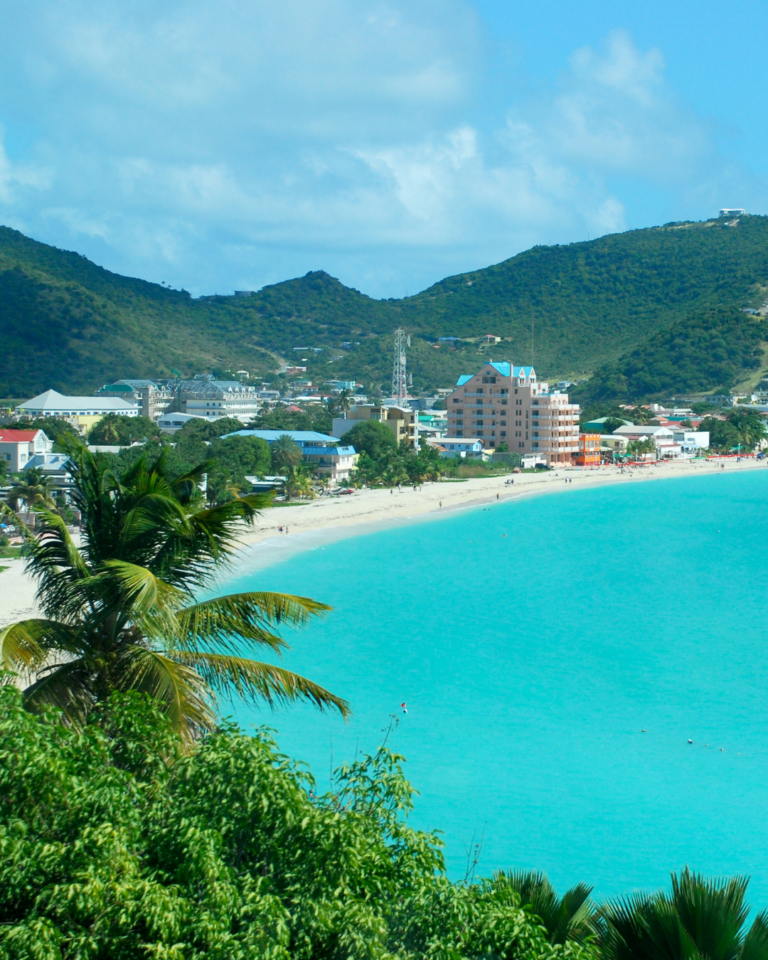
St. Eustatius (often called Statia) is located near Saba and Sint Maarten and is one of the quietest diving destinations in the Caribbean. The island offers a surprising mix of shipwrecks, volcanic dive sites, and thriving reef life featuring sea turtles, seahorses, and plenty of macro life. Because there is little mass tourism, diving here often feels very peaceful and authentic. Underwater photographers and experienced divers especially appreciate Statia for its underwater diversity.
Suitable for: wrecks, macro, quiet diving vacations
Less suitable for: luxury resorts or vibrant nightlife

Trinidad and Tobago
Trinidad & Tobago are located all the way in the southern part of the Caribbean, just off the coast of Venezuela. Tobago is particularly interesting for divers thanks to its combination of colorful reefs, strong currents and chance of seeing larger marine life such as mantas, eagle rays and sometimes sharks. Dive sites are spectacularly overgrown with soft corals and large sponges.
Compared to Bonaire, the diving here tends to be more rugged and less geared toward beginners. Above water there is a relaxed Caribbean atmosphere with lots of nature and relatively little tourism. Trinidad is also known for culture, music and carnival, while Tobago is quieter and more focused on beach and nature.
Suitable for: drift diving, soft corals, larger reef life
Less suitable for: complete beginners or simple shore diving
Turks and Caicos
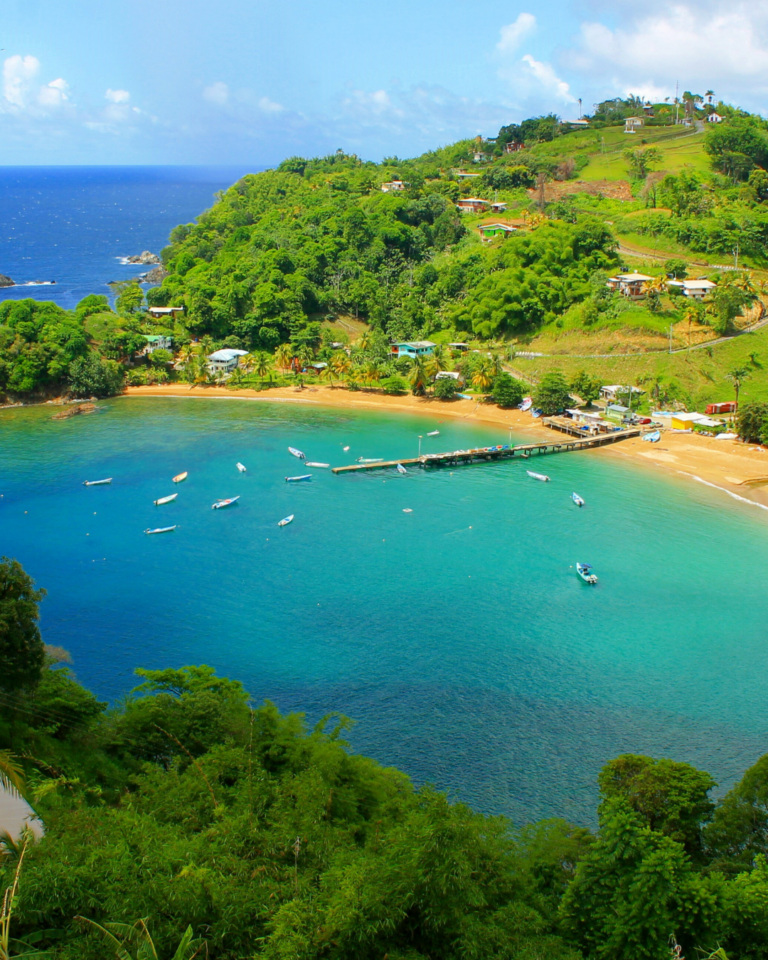
Located southeast of the Bahamas, Turks & Caicos is known for steep walls, huge visibility and deep blue waters. During a dive here, you’ll often float past drop-offs full of sponges, schools of fish, eagle rays and reef sharks. In certain months, humpback whales also migrate past the islands. Above water, it’s mostly about tranquility, white beaches and small-scale luxury. It is an excellent destination for divers who want to enjoy beautiful wall diving in comfort.
Suitable for: wall diving, reef sharks, luxury diving vacations
Less suitable for: budget travelers or shore diving