Diving in Egypt
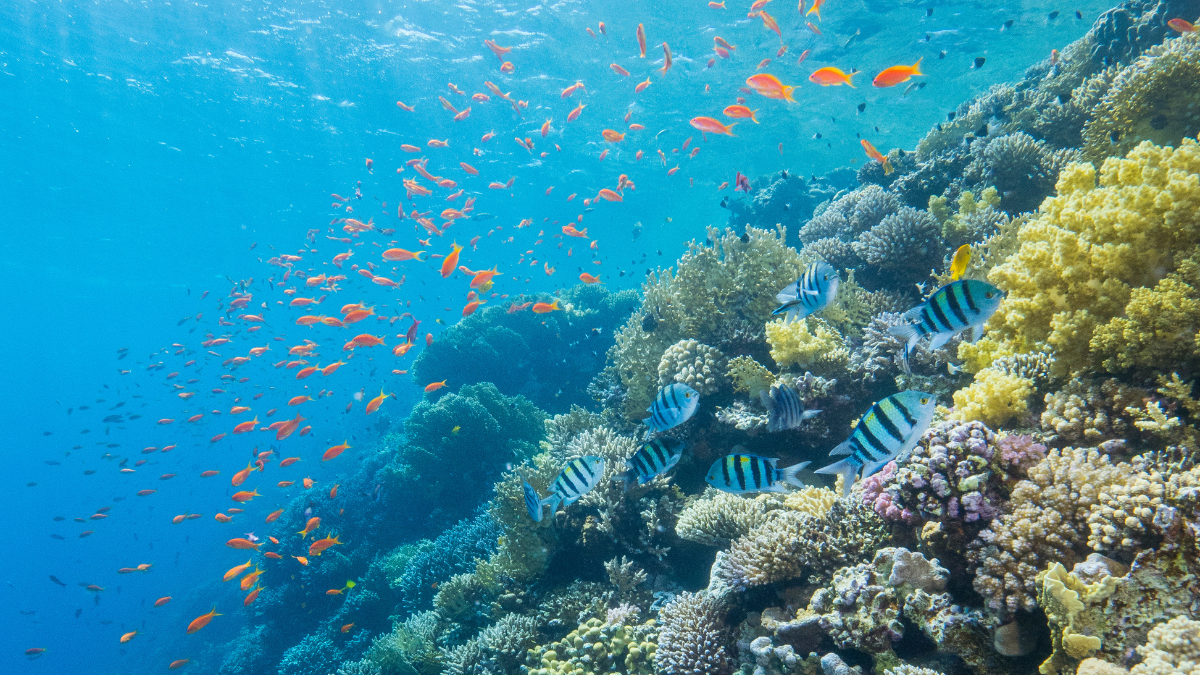
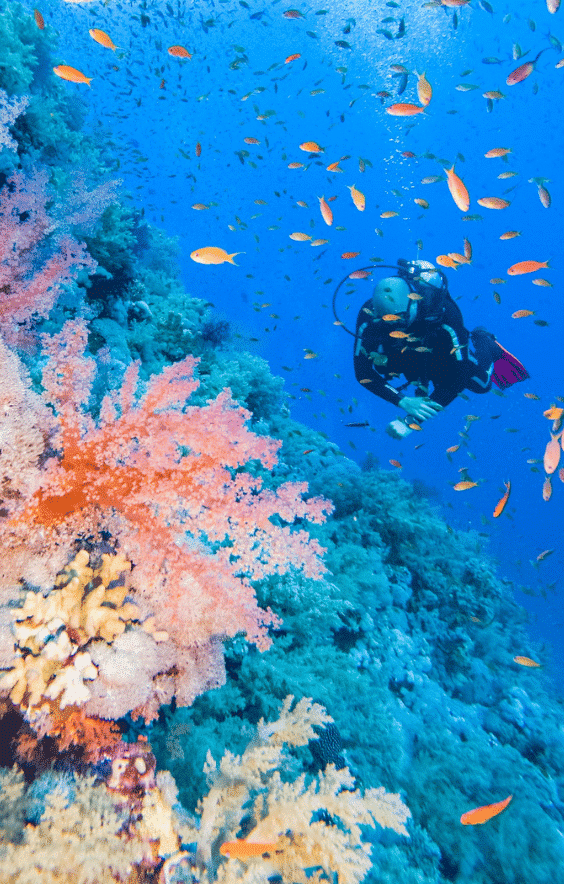
Egypt has been one of the world’s most popular diving destinations for years. And for good reason. The Red Sea is known for its colorful coral reefs, impressive shipwrecks, wide variety of marine life, and excellent visibility. Whether you’ve just earned your Open Water certification or have hundreds of dives under your belt, you’ll always find a destination in Egypt that’s right for you.
A major advantage of diving in Egypt is the enormous variety. You can enjoy relaxed shore dives on the reef in Dahab, explore colorful coral gardens near Hurghada, search for sea turtles and manatees in Marsa Alam, or opt for a liveaboard trip to the remote reefs and wrecks in the southern Red Sea. Thanks to its warm climate and pleasant water temperatures, Egypt is also an excellent diving destination year-round.
In this comprehensive guide, you’ll learn everything you need to know about diving in Egypt. We’ll cover the various dive destinations, the marine life, the best time to visit, the choice between a resort and a liveaboard, and provide practical tips to help you prepare for your diving vacation.
General Information About Egypt
Egypt is located in northeastern Africa and borders the Red Sea. It is precisely this sea that makes the country one of the most popular diving destinations in the world. Thanks to its dry desert climate, there is hardly any rainfall, which means that underwater visibility is often excellent. Combined with warm water and healthy coral reefs, this creates ideal conditions for diving.
From the Netherlands, it takes about five hours to fly to popular beach resorts such as Hurghada, Marsa Alam, and Sharm el Sheikh. You can reach Dahab by flying to Sharm el Sheikh, followed by a transfer of about 1 hour.
Egypt is an accessible destination for both beginner and experienced divers. Most dive centers operate in accordance with international safety standards and have modern boats, well-maintained equipment, and experienced guides. In addition, there are plenty of opportunities to take advanced courses or have your first diving experience.
Why go diving in Egypt?
Egypt has been one of the world’s most popular diving destinations for years. The Red Sea offers a combination of colorful coral reefs, impressive shipwrecks, crystal-clear water, and a wide variety of marine life. Whether you’ve just earned your diving certification or have been diving for years, you’ll always find a dive site in Egypt that suits you.
Why do so many divers choose Egypt?
- Healthy and colorful coral reefs.
- Excellent visibility, often ranging from 20 to 30 meters.
- Suitable for both beginners and experienced divers.
- World-famous wreck dives, including the SS Thistlegorm.
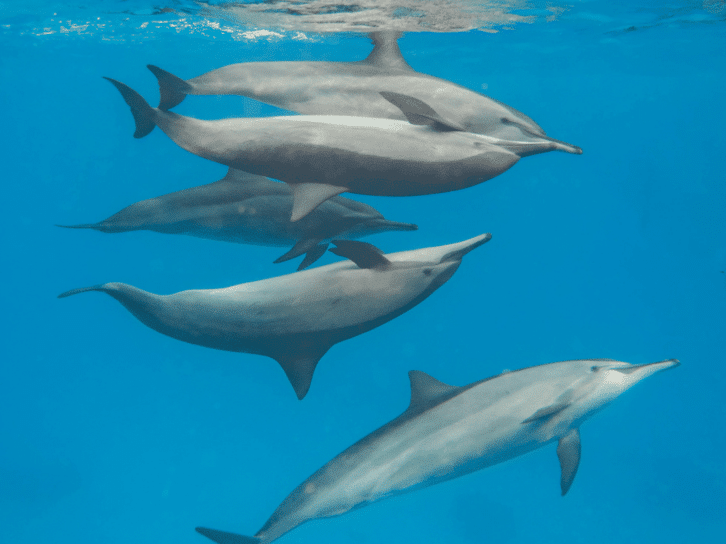
- Chance to encounter turtles, sharks, rays, dolphins, and manatees.
- Good diving conditions all year round.
- Excellent value for the money.
Where to dive in Egypt?
There are several diving areas along the Egyptian coast, each with its own unique character. Some destinations are ideal for beginners, while others are known for spectacular drift dives or remote reefs. Which destination is best for you depends on your experience and what you want to see underwater.
Hurghada
For many divers, Hurghada is their first introduction to the Red Sea. Thanks to its international airport, wide range of hotels, and numerous dive centers, it is one of Egypt’s most accessible destinations.
Most dives are conducted from comfortable day boats that sail out to the surrounding reefs. Here you’ll find colorful coral gardens, steep reef walls, and sandy flats where stingrays and moray eels are frequently spotted. Several shipwrecks are also within easy reach of Hurghada.
Hurghada is an excellent choice for:
- beginner divers;
- families;
- divers who want to combine a relaxing resort vacation with daily diving;
- photographers who love to capture colorful reefs.
In addition, many liveaboards depart from Hurghada for the northern wrecks or the southern reefs.
Dahab
For many experienced divers, Dahab is one of Egypt’s most beautiful destinations. While Hurghada and Sharm el Sheikh are known for their large resorts, Dahab has a relaxed and intimate atmosphere. The promenade is lined with cozy restaurants, cafés, and dive centers, without the hustle and bustle of large hotel complexes. It’s truly a village for divers and freedivers. There’s a great vibe here.
A major advantage of Dahab is that virtually all dive sites are easily accessible from the shore. This means you aren’t dependent on boats and can make several dives a day at a leisurely pace. You can walk to some dive sites (depending on where you’re staying), while others are just a short drive away. The farthest dive sites are a 20-minute drive away. So everything is very close by.
Well-known dive sites include:
- Blue Hole
- The Canyon
- Lighthouse Reef
- Eel Garden
- The Bells
These locations offer a wonderful variety of reef dives, wall dives, and impressive geological formations. Thanks to the combination of easily accessible dive sites and more challenging locations, Dahab is suitable for both beginner and experienced divers. In addition, Dahab is a popular destination for technical divers—both for training and for conducting technical dives. You’ll find some truly excellent technical instructors in Dahab.
What we think makes Dahab special is the relaxed approach to diving. No crowded day boats or tight schedules, but a gradual build-up, thorough briefings, and taking the time to fully enjoy every dive. That’s exactly why Dahab is a destination that many divers return to time and time again.
Sharm El Sheikh
Sharm el Sheikh is one of Egypt’s most famous diving destinations. The city is located at the southernmost tip of the Sinai Peninsula and serves as a base for exploring some of the Red Sea’s most famous reefs.
Most dives take place from day boats that sail out to national parks and offshore reefs. Ras Mohammed National Park and the Strait of Tiran, in particular, enjoy an excellent reputation thanks to their steep walls, colorful soft corals, and schools of reef fish.
Because of the longer distances, virtually all dives are done from a boat. This makes Sharm particularly suitable for divers who enjoy full days of diving from a boat.
Compared to Dahab, Sharm el Sheikh is more touristy and on a larger scale. There are many large (all-inclusive) resorts, and it’s also a destination that attracts a lot of tourists. On the other hand, the region boasts a large number of excellent dive sites that remain a highlight for many divers.
Marsa Alam & Abu Dabbab
Marsa Alam is located about 270 kilometers south of Hurghada and is known for its relatively peaceful atmosphere and beautiful house reefs. In recent years, the region has become a favorite destination for nature lovers.
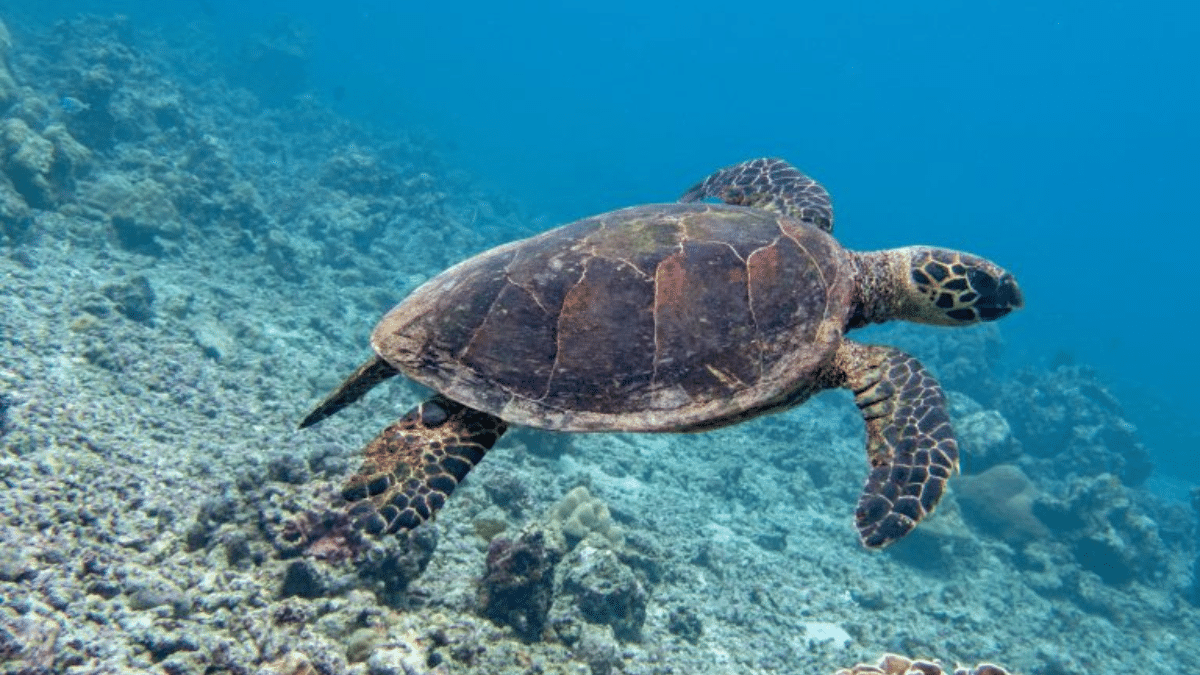
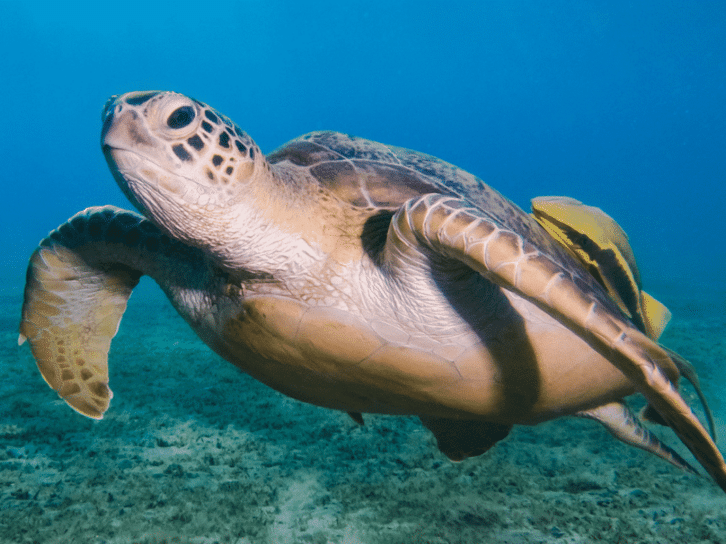
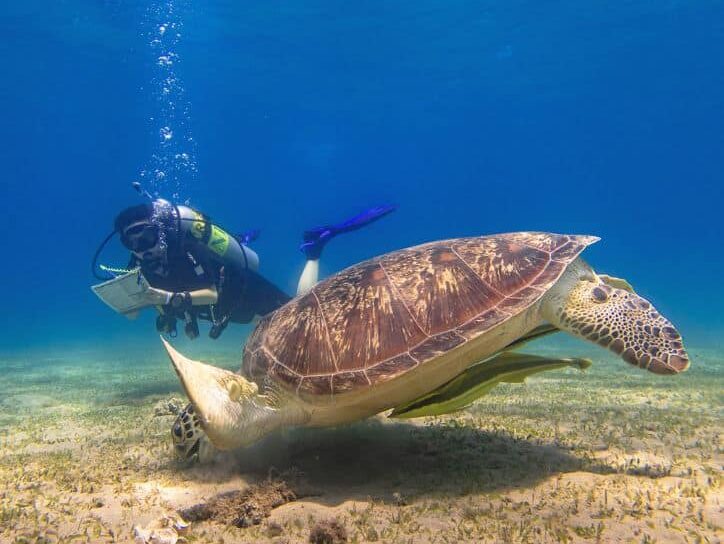
One of the best-known sites is Abu Dabbab. This sheltered bay is famous for the high likelihood of encountering green sea turtles and the rare manatee. It is also home to many reef fish, rays, and various species of moray eels.
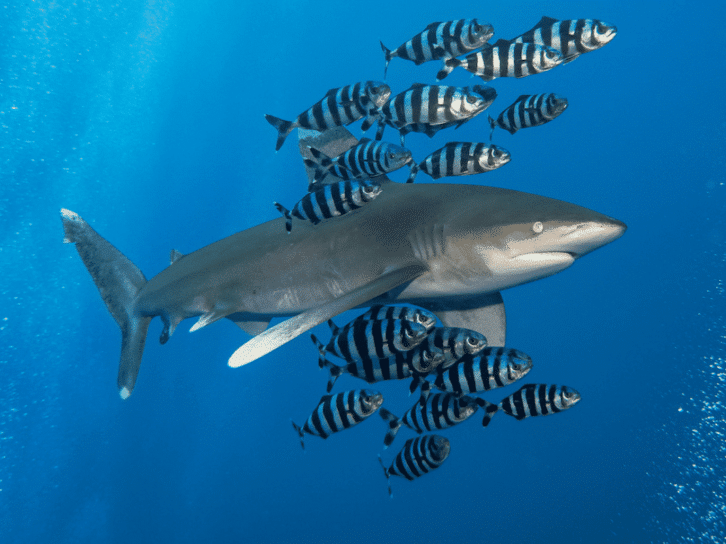
Marsa Alam has plenty to offer even for experienced divers. Boats depart from various ports for iconic dive sites such as Elphinstone Reef, where oceanic whitetip sharks, reef sharks, and large schools of fish are frequently spotted.
Marsa Alam is ideal for divers who:
- would like to see turtles;
- hope to come across a manatee;
- find a quiet destination;
- want to combine colorful reefs with more challenging boat dives.
Safaga
Safaga is located about 60 kilometers south of Hurghada and is an excellent choice for divers who want to avoid the hustle and bustle of the larger beach resorts. The atmosphere is more relaxed, and most accommodations are on a smaller scale, while you still have access to some of the most beautiful dive sites in the northern Red Sea.
Safaga is known for:
- vast coral reefs;
- relatively few other divers;
- great drift dives;
- a good mix of reef and wreck dives.
Well-known dive sites in the area include Panorama Reef, Abu Kafan and the wreck of the Salem Express. Panorama Reef is particularly popular because of its steep walls, colorful soft corals, and the chance to encounter larger species such as barracudas and reef sharks.
While Hurghada is often the most logical first choice due to its accessibility and wide range of resorts, Safaga offers a more peaceful experience both above and below the water. As a result, it’s a destination that many returning divers to Egypt particularly appreciate.
Southern Egypt
Anyone looking for the most pristine reefs in the Red Sea will eventually end up in southern Egypt. This region is best accessed by liveaboard and is known for its spectacular coral formations, strong currents, and greater chances of encountering pelagic species.
Well-known areas include:
- Daedalus Reef
- Fury Shoals
- St. John’s Reef
- Rocky Island
- Zabargad Island
Here you’ll find vast coral gardens, steep reef walls, and deep drop-offs where hammerhead sharks, oceanic whitetip sharks, gray reef sharks, and large schools of barracuda are frequently spotted.
Due to their remote location and sometimes strong currents, these routes are best suited for experienced divers with sufficient experience in drift diving and diving from a Zodiac.
For many enthusiasts, Southern Egypt is the absolute highlight of the Red Sea. The combination of healthy reefs, few other divers, and the chance to see large marine life makes this a destination that’s on many divers’ bucket lists.
Resort or liveaboard?
In Egypt, you can choose to stay at a dive resort or on a liveaboard. Both offer a very different experience.
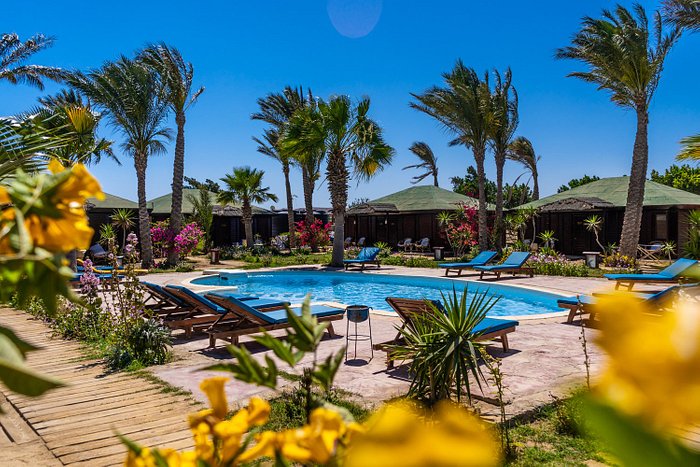
A dive resort is ideal if you want to combine diving with relaxation. You stay in one location and go on boat dives or shore dives from there. This option is suitable for both beginners and experienced divers and gives you plenty of time to take a day off from diving. In Dahab, for example, you can also go windsurfing, visit the Sinai Desert, and explore the village itself. From Abu Dabbab, you can easily continue on to Luxor.
A liveaboard is the best choice if you want to dive as much as possible. You’ll stay aboard a boat that cruises for several days along the Red Sea’s most beautiful reefs and wrecks. This allows you to reach dive sites that are difficult or impossible to access from the shore, and you’ll typically make three to four dives per day. Some popular offshore reefs, such as Brothers and Daedalus, are accessible only by liveaboard.
There are a number of iconic liveaboard routes in Egypt’s Red Sea. A well-known example is BDE (Brothers, Daedalus, Elphinstone), three more remote reefs where you have a good chance of seeing various species of sharks. In October and November, you have a good chance of seeing oceanic whitetip sharks here, while during the summer months you might spot hammerhead sharks. Elphinstone is also accessible from Marsa Alam; the other reefs can only be reached by liveaboard. In addition, there are various routes to the northern Red Sea, where you can dive on different shipwrecks. If you want to explore many different areas, it’s worth boarding a liveaboard.
Wreck Diving in Egypt
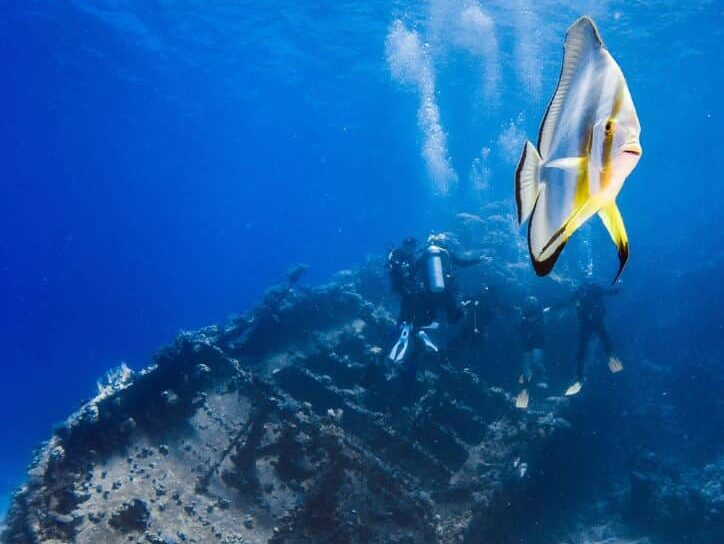
Egypt is one of the best destinations in the world for wreck diving. Scattered throughout the Red Sea are dozens of shipwrecks, ranging from cargo ships to warships. Many of these wrecks are now completely overgrown with coral and serve as a home for large schools of fish, moray eels, and lionfish.
The most famous shipwrecks are:
- SS Thistlegorm —perhaps the most famous shipwreck in the world. Its holds still contain motorcycles, trucks, and other military equipment from World War II.
- Abu Nuhas – a reef with several shipwrecks, including the Giannis D, Carnatic, and Chrisoula K.
- Salem Express – a passenger ship off the coast of Safaga that sank in 1991. Because of its history, many divers visit this wreck with a special sense of respect.
For wreck diving enthusiasts, a liveaboard trip along the northern route is an excellent way to visit several iconic wrecks in a single trip.
Best Time to Dive in Egypt
Egypt is an excellent diving destination all year round. However, conditions vary by season, so the best time to visit depends on what you’d like to see underwater.
| Period | Water temperature | Here’s what to expect |
|---|---|---|
| December–February | 21–23°C | Clear water, calm dive sites, and a 5–7 mm wetsuit is recommended. |
| March–May | 22–26°C | Pleasant temperatures, excellent visibility, and ideal conditions for reef diving. |
| June–August | 27–30°C | Warm water, plenty of fish activity, and good conditions for liveaboards. |
| September–November | 26–29°C | For many divers, this is the best time of year thanks to warm water, good visibility, and a greater chance of seeing large marine life. |
Diving in Egypt with EWDR
Whether you choose a relaxing stay in Dahab, a hotel in Abu Dabbab, or a liveaboard trip to the Red Sea’s most beautiful reefs: at EWDR, we’re happy to help you find the diving trip that’s right for you.
Thanks to our many years of experience, we know the various destinations, accommodations, and liveaboard routes firsthand. We’d be happy to help you decide on the best time to travel, the most beautiful dive sites, and the trip that best suits your preferences and experience level.
Are you wondering which diving trip is the best fit for you? Feel free to contact us. We’d be happy to give you personalized advice.
Also experience this diving trip?
Abu Dabbab Dive Resort – unlimited diving
Combine shore diving and boat diving during a wonderfully relaxing diving vacation at the Abu Dabbab Dive Resort.
Also perhaps interesting
Diving destinations where you’ll feel like you’re the only person in the world
At some diving destinations, you’ll practically have the reef all to yourself. Discover six remote destinations where peace and quiet are still the norm.
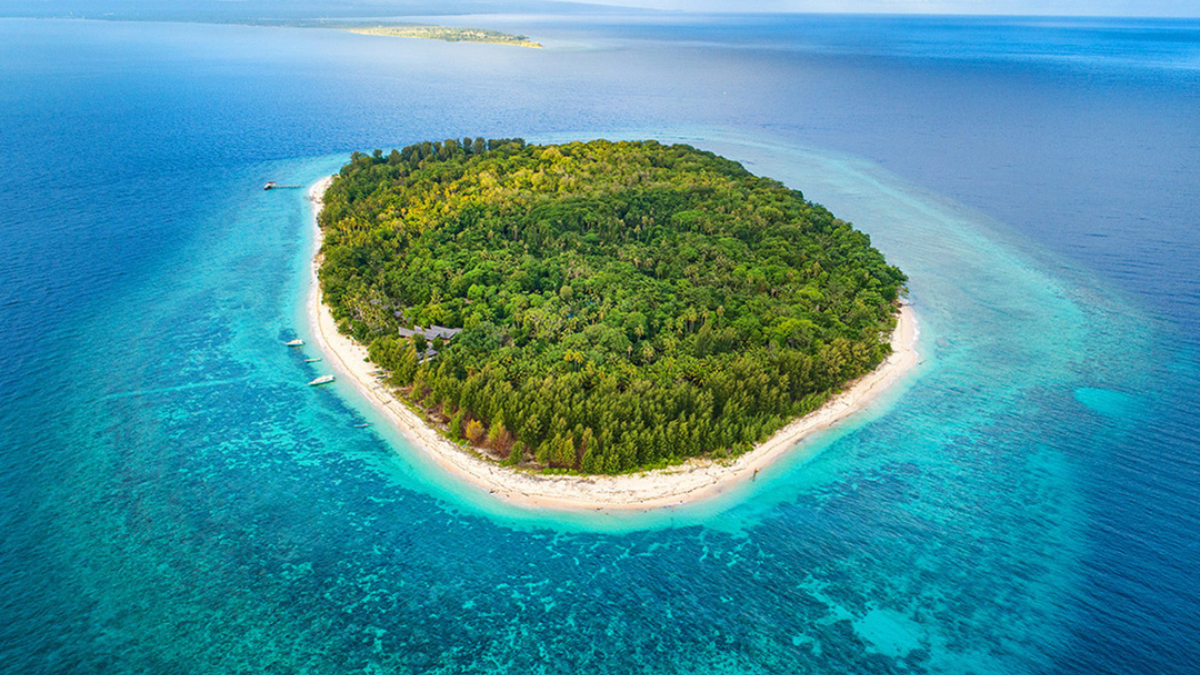
Diving in Papua New Guinea: a complete guide
Diving in Papua New Guinea is a unique experience in the heart of the Coral Triangle. Discover colorful reefs, extraordinary marine life, historic shipwrecks, and pristine dive sites.
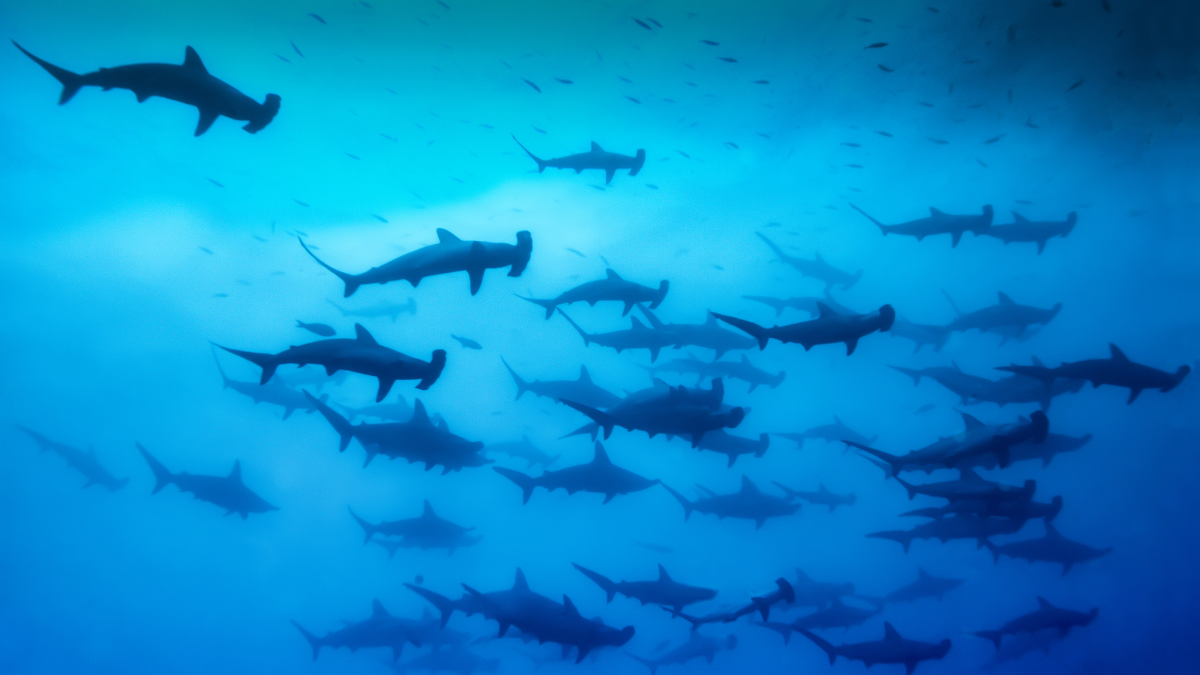
Diving with hammerhead sharks: What are the best destinations?
Discover the best destinations in the world for diving with hammerhead sharks. Find out where you’re most likely to encounter them, when the best time to travel is, and what diving certification is required.
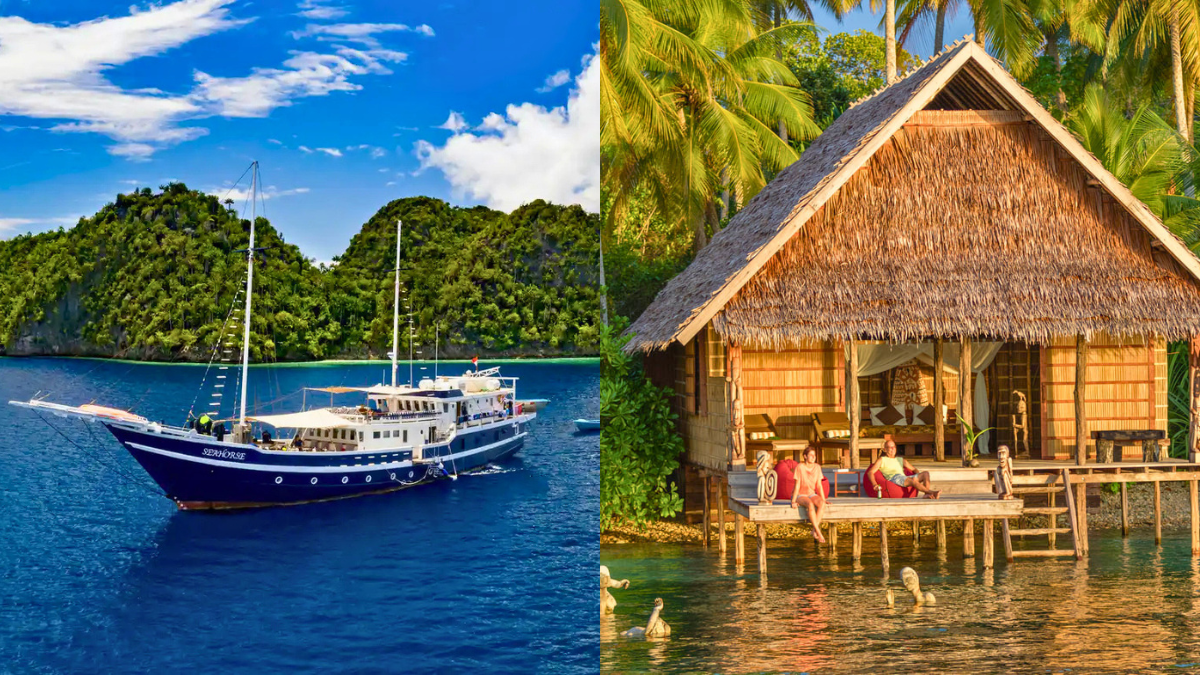
Diving Trip to Raja Ampat: Resort or Liveaboard?
Are you trying to decide between a liveaboard and a dive resort in Raja Ampat? In this blog, we’ll explain the differences and help you determine which type of trip best suits your needs.
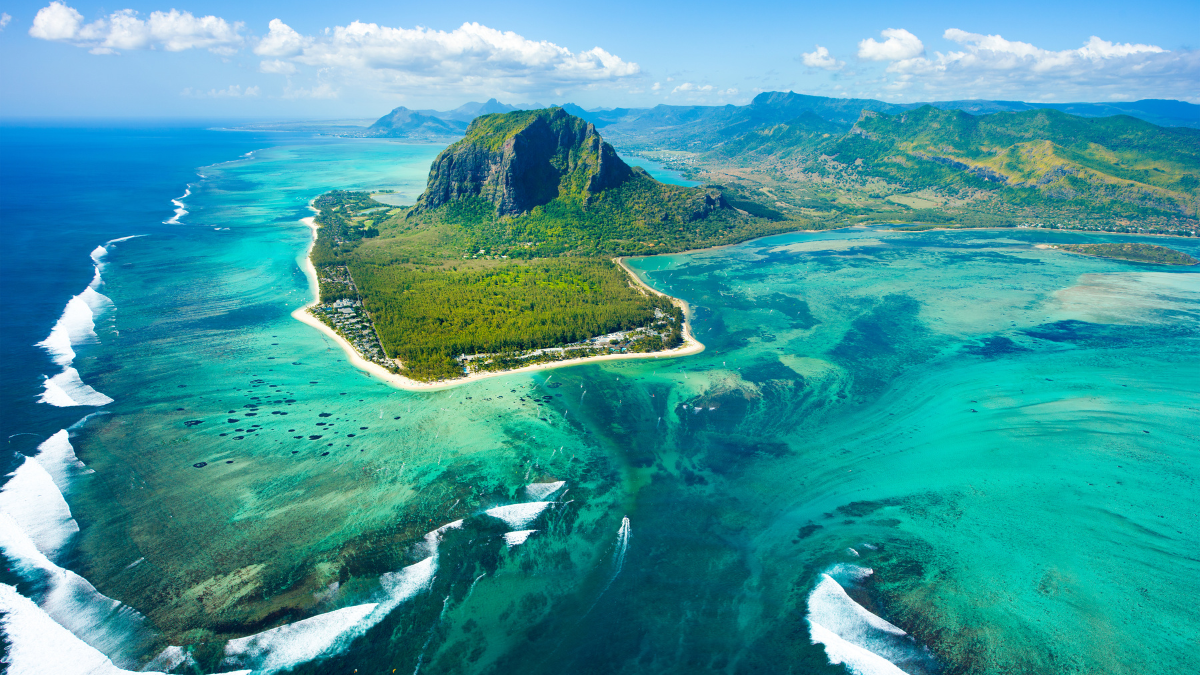
Diving in Mauritius: A Complete Guide
Mauritius offers colorful coral reefs, impressive shipwrecks, and a surprisingly diverse array of marine life. In this guide, you’ll find everything you need to know for a diving vacation in Mauritius.
Diving in Iceland: a complete guide
Diving in Iceland is all about the unique combination of the Silfra Gorge and rugged sea diving along volcanic shores. On a round-trip tour, you will not only discover the underwater world, but also one...
Read moreWhales, sharks, and manta rays: Key insights from the BCSS Impact Report 2025
The BCSS Impact Report 2025 highlights the rich marine life around the Bazaruto Archipelago in Mozambique. From humpback whales and manta rays to endangered sharks, the study confirms why this area is one of Africa’s...
Read moreDiving vacation with a non-diving partner? These destinations are perfect for both of you
Not every diving vacation has to revolve entirely around diving. These destinations offer plenty of above-water activities so divers and non-divers alike can have a great trip.
Diving with wild dolphins: where do you have the best chance?
Encounters with wild dolphins are among the most beautiful experiences you can have as a diver. Find out where worldwide you have the greatest chance of encountering these intelligent marine mammals in their natural habitat.
Diving with (tiger) sharks: how to prepare?
Diving with tiger sharks is less scary than many people think, provided you enter the water well prepared. With the right experience, calm demeanor and respect for the animals, these encounters often become unforgettable dives.
Our favorite diving destinations in the Caribbean
Not every Caribbean destination is known as a true diving hotspot. In this blog you’ll discover which islands are best suited for diving, where exactly you should be for big animals, wrecks or macro, and...
Read moreDiving destinations in the Caribbean
The Caribbean offers much more variety than just tropical reefs and clear water. In this blog you will discover which destination best suits your needs: from pelagic life and unique dives to adventure above water...
Read moreWhy some dive destinations fill up years in advance
Some dive destinations and liveaboards fill up quickly due to limited capacity, short peak seasons and high international demand. Especially popular itineraries and high-end liveaboards in destinations such as Raja Ampat, Galápagos, Socorro and Egypt...
Read moreDiscounted admission to Socorro: this is what you need to know about the new park fees
As of Jan. 1, 2025, park fees for Socorro doubled, but thanks to new exceptions and discounts, many travelers can save big. And that’s good news, because Socorro, with its manta rays, sharks and spectacular...
Read moreMetric vs imperial system in diving: what are the differences?
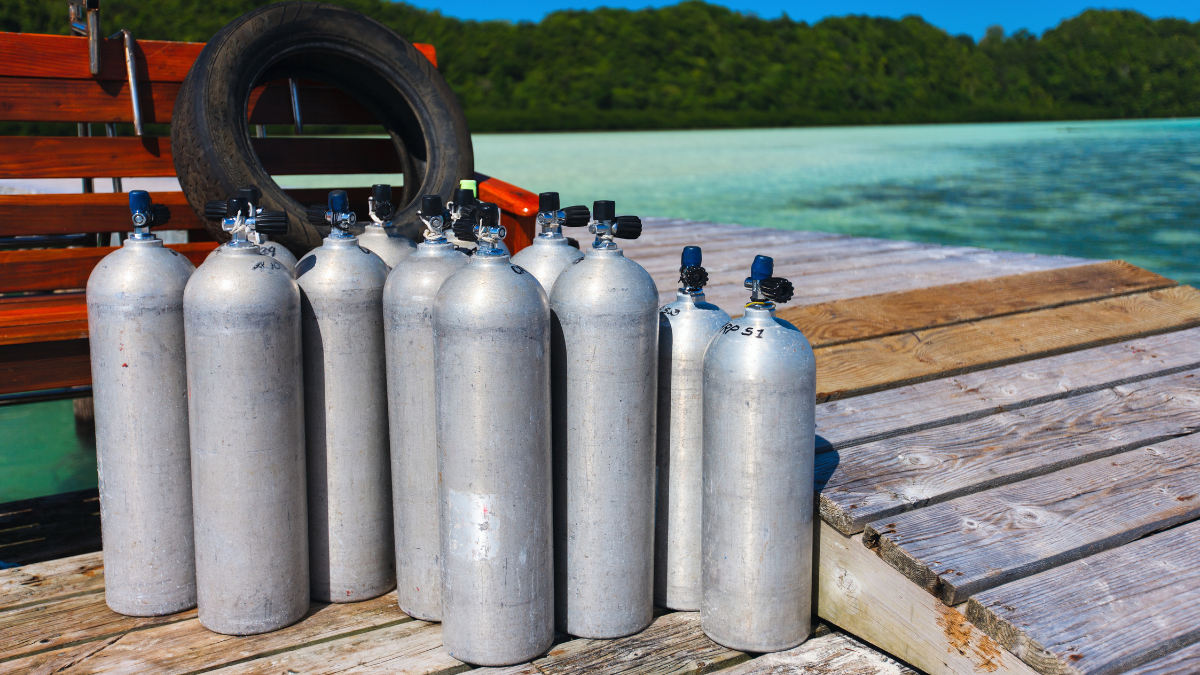
In Europe we usually dive with the metric system (BAR, meters and liters), while many American and Caribbean dive destinations work with the imperial system (PSI, feet and cubic feet). Especially in Florida, Mexico and...
Read moreDiving with hammerhead sharks in Mikomoto, Japan
Mikomoto Island in Japan is known for spectacular encounters with large schools of hammerhead sharks. In this blog you will read what to expect underwater, when you have the best chance and why this dive...
Read moreDiving in Japan: the different regions
Japan is a surprisingly diverse diving destination with huge differences between its regions. From hammerhead sharks and manta rays to ice diving and unique underwater landscapes, each region has its own character.
Bahamas trip report – Diving with sharks with the Bahamas Aggressor II
The Bahamas is one of the best destinations in the world for shark diving. Read what her trip to Tiger Beach was like in Margriet’s travelogue.
Diving in Dominica: a complete guide
Dominica offers a unique diving experience with volcanic landscapes, pristine reefs and impressive marine life. In addition, the combination of nature above and below the water and the presence of sperm whales makes this destination...
Read moreTrip report – Bram’s liveaboard trip in Egypt: Brothers, Daedalus & Elphinstone
Bram takes you along the iconic NDE route in Egypt, with strong currents, deep blue dives and encounters with large pelagic species. An honest and inspiring account that gives you a good idea of what...
Read more6 places to spot humpback whales
Humpback whales are one of the largest and friendliest marine animals you can encounter. At these five destinations, you’ll get a chance to see them up close – and sometimes even snorkel with them.
Why ecological excursions are essential for sustainable diving and wildlife tours
What are ecological excursions and why do they matter? Learn how to consciously choose to dive sustainably and protect whale sharks and coral reefs.
Best dive destinations by month (July to December)
Discover the best diving destinations from July to August. Per month 4 top dive sites and why you should go there during that period.
Best dive destinations by month (January to June)
Discover the best diving destinations from January to June. Per month 4 top dive sites with ideal conditions and unique underwater experiences.