


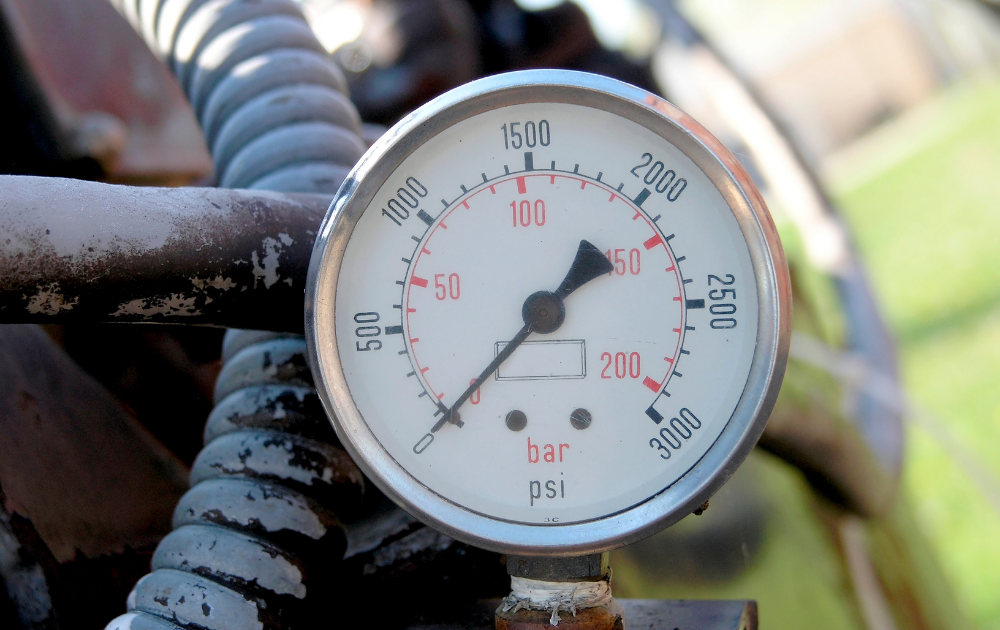


Where can you see manta rays in Indonesia?
Indonesia is one of the best destinations in the world for seeing manta rays. Komodo, Raja Ampat, and Nusa Penida each offer a unique manta ray experience.
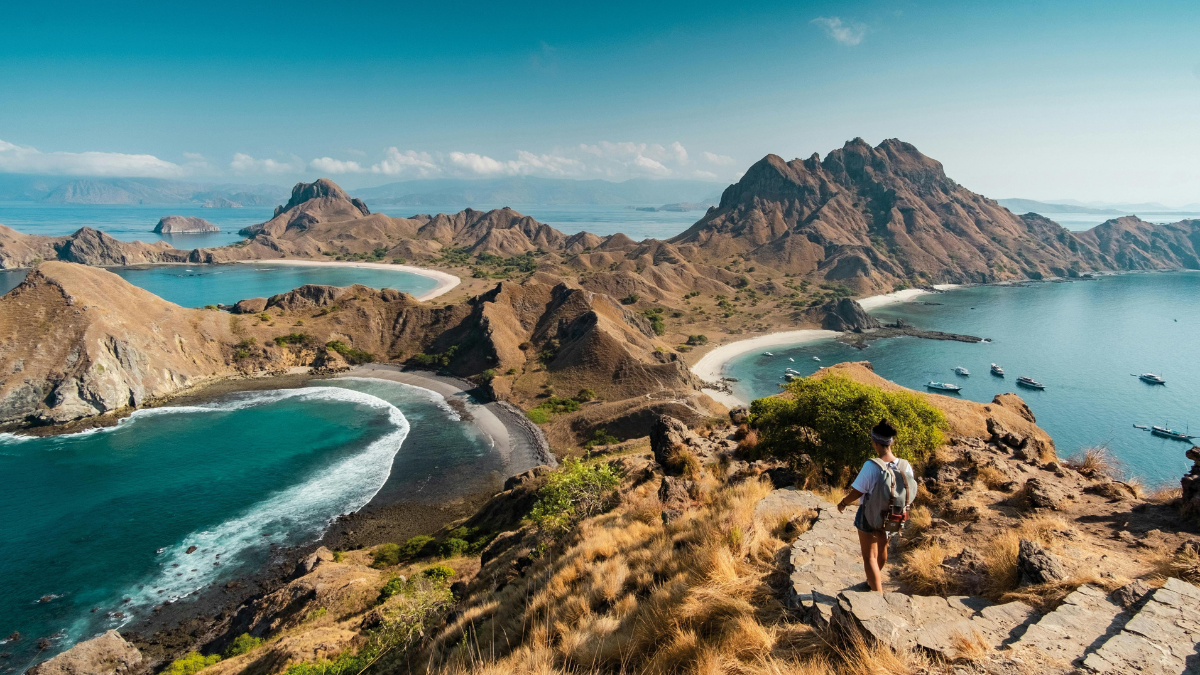
Diving in the Komodo Islands in Indonesia
Komodo is a spectacular diving destination for those looking for manta rays, abundant marine life, and challenging currents. Discover the best time to visit, diving options, accommodations, and itineraries with EWDR.
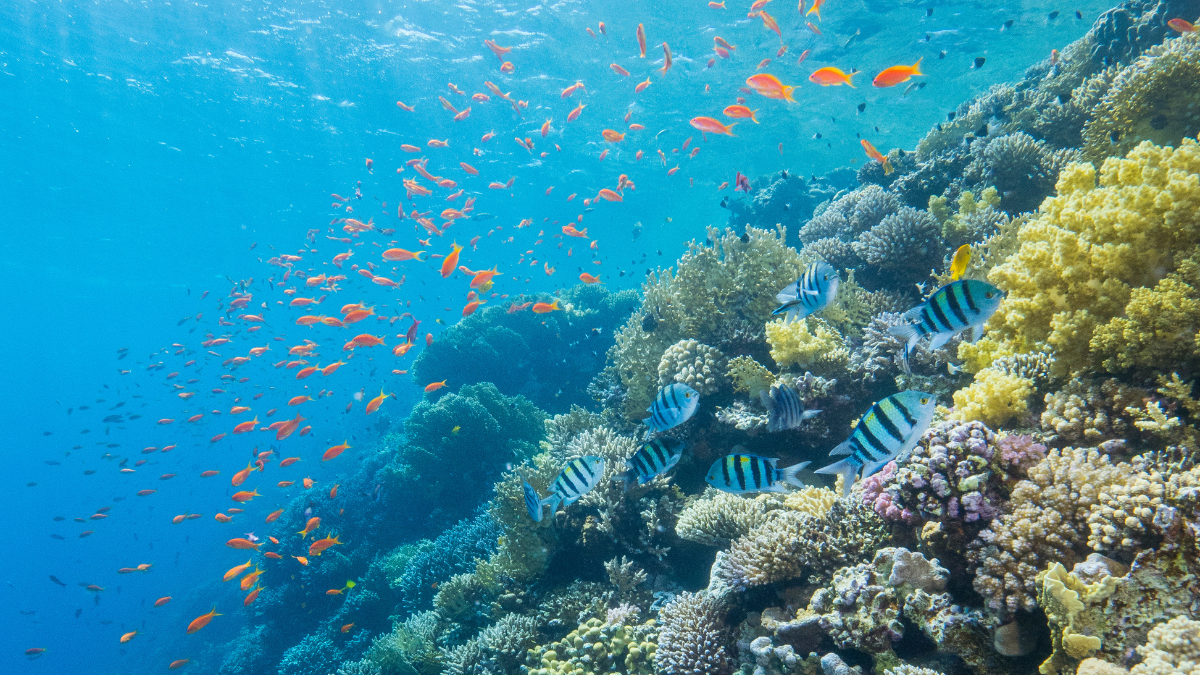
Tips from Underwater Photographer Thomas Van Puymbroeck
Discover the best tips for underwater photography from photographer Thomas Van Puymbroeck and learn more about our annual photography trips.

Philippines trip report • Looking back on a diving trip in the Visayas
A special travelogue by Sebastiaan and Robbert, who went on an unforgettable diving trip together sixteen years ago. Old photos and memories bring those special underwater encounters back to life.
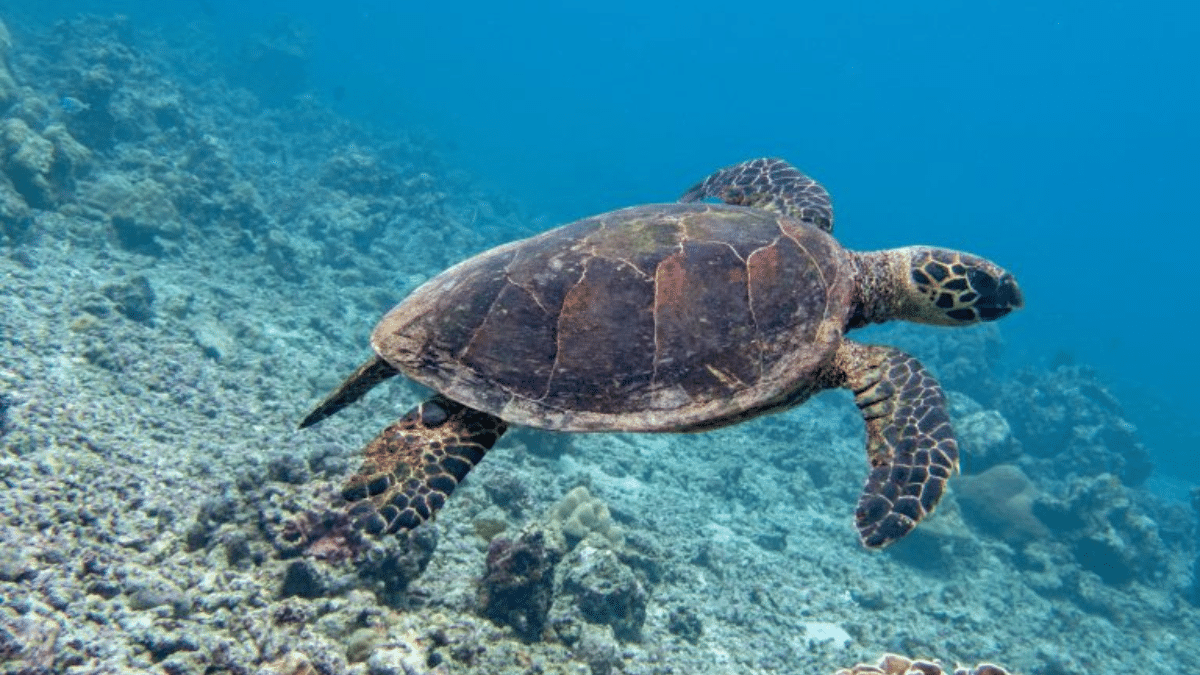
Diving in Sumatra: a complete guide
Diving in Sumatra combines colorful coral reefs with impressive natural scenery above water. Discover Pulau Weh, the Mentawai Islands, and the most beautiful spots for a complete diving trip.

10 Unique encounters every diver wants to experience at least once
The underwater world is full of extraordinary encounters. Discover which underwater encounters you shouldn’t miss and where you’re most likely to experience them for yourself.
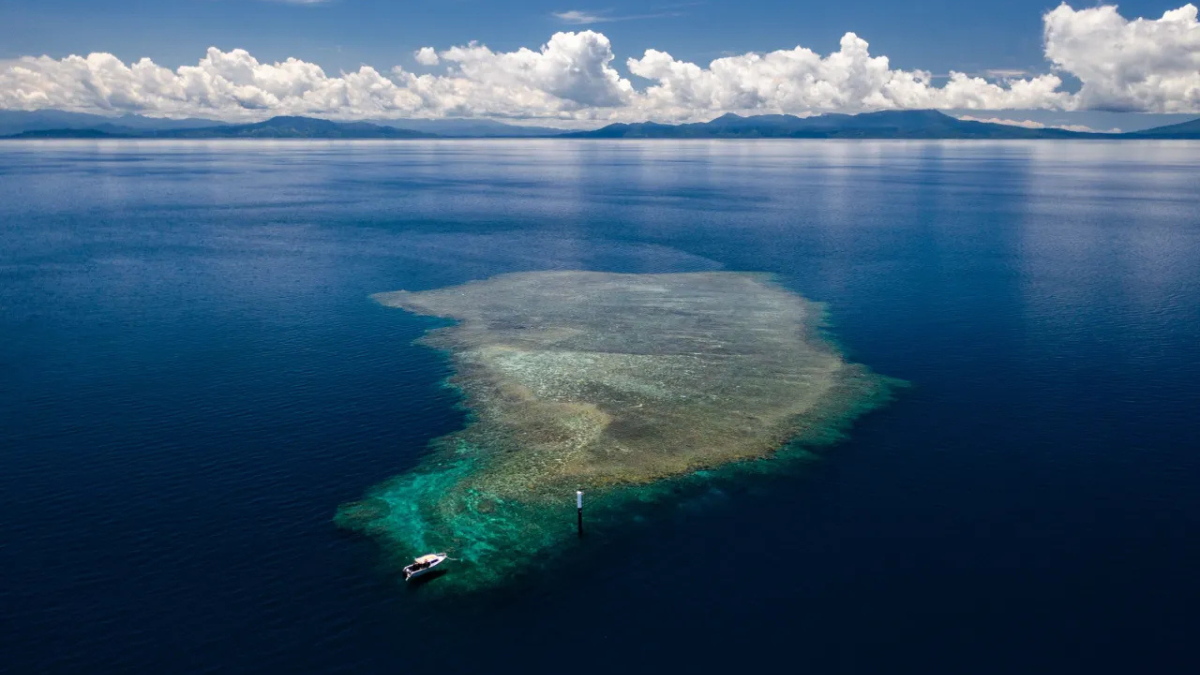
Diving destinations where you’ll feel like you’re the only person in the world
At some diving destinations, you’ll practically have the reef all to yourself. Discover six remote destinations where peace and quiet are still the norm.
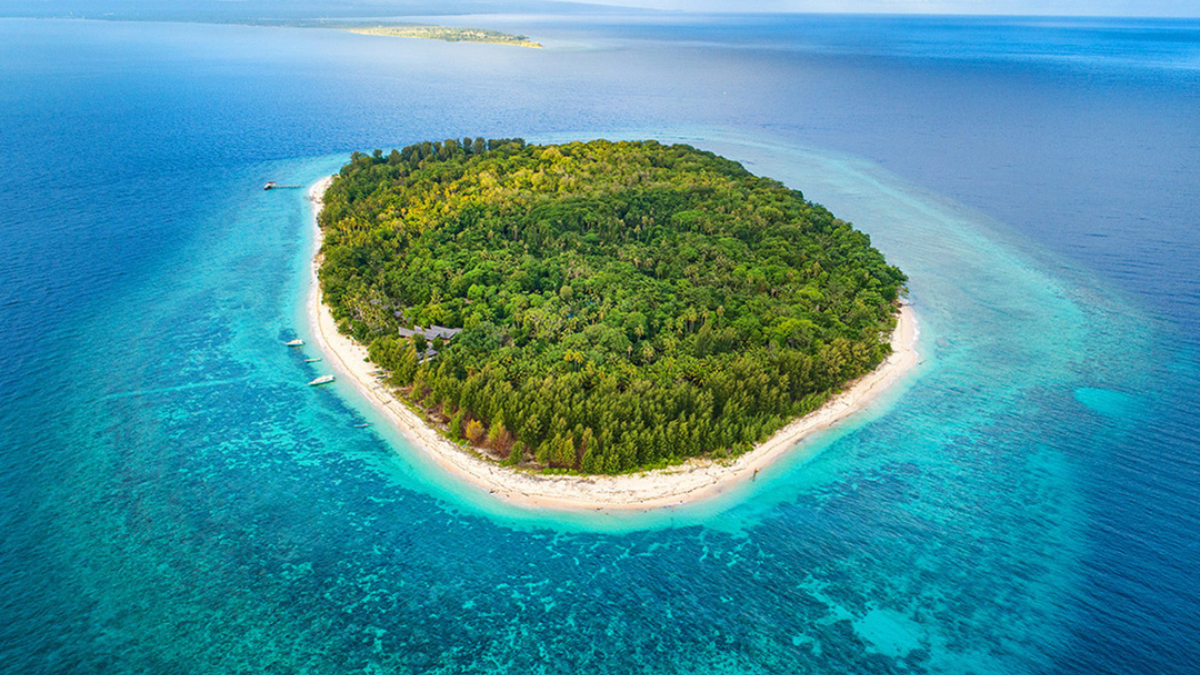
Diving in Morotai & Metita: a complete guide
Wondering what makes Morotai and Metita so special? In this blog, you’ll discover everything about this unspoiled diving destination in North Maluku.

Diving in Papua New Guinea: a complete guide
Diving in Papua New Guinea is a unique experience in the heart of the Coral Triangle. Discover colorful reefs, extraordinary marine life, historic shipwrecks, and pristine dive sites.
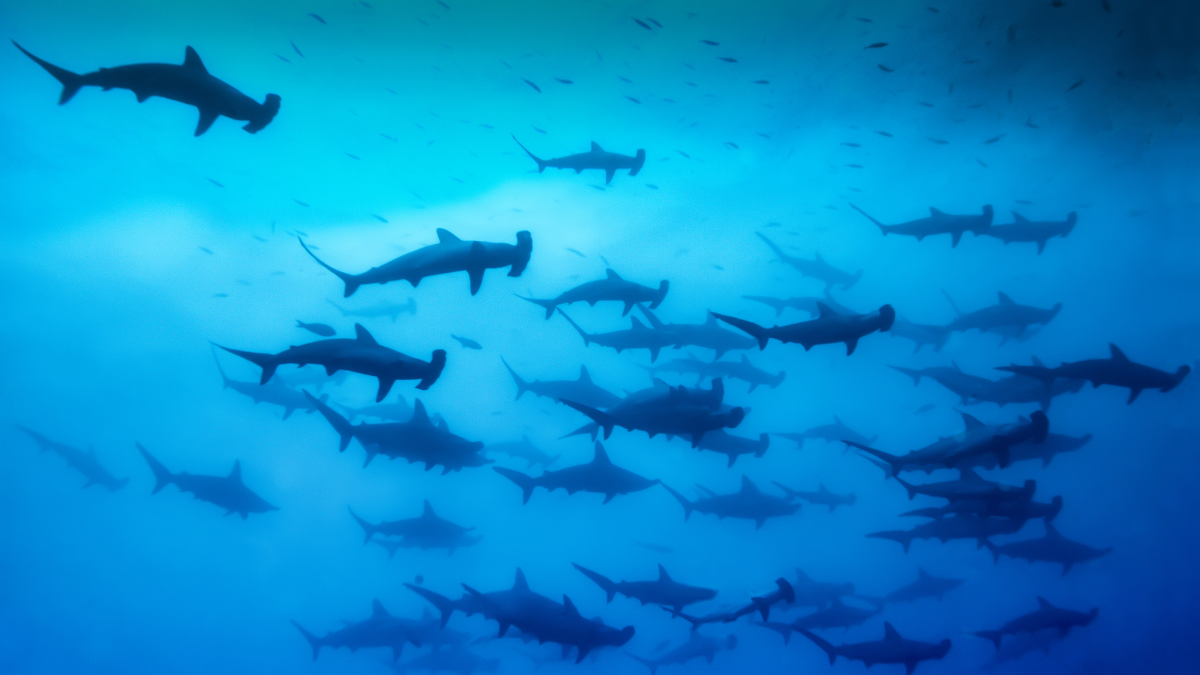
Diving with hammerhead sharks: What are the best destinations?
Discover the best destinations in the world for diving with hammerhead sharks. Find out where you’re most likely to encounter them, when the best time to travel is, and what diving certification is required.
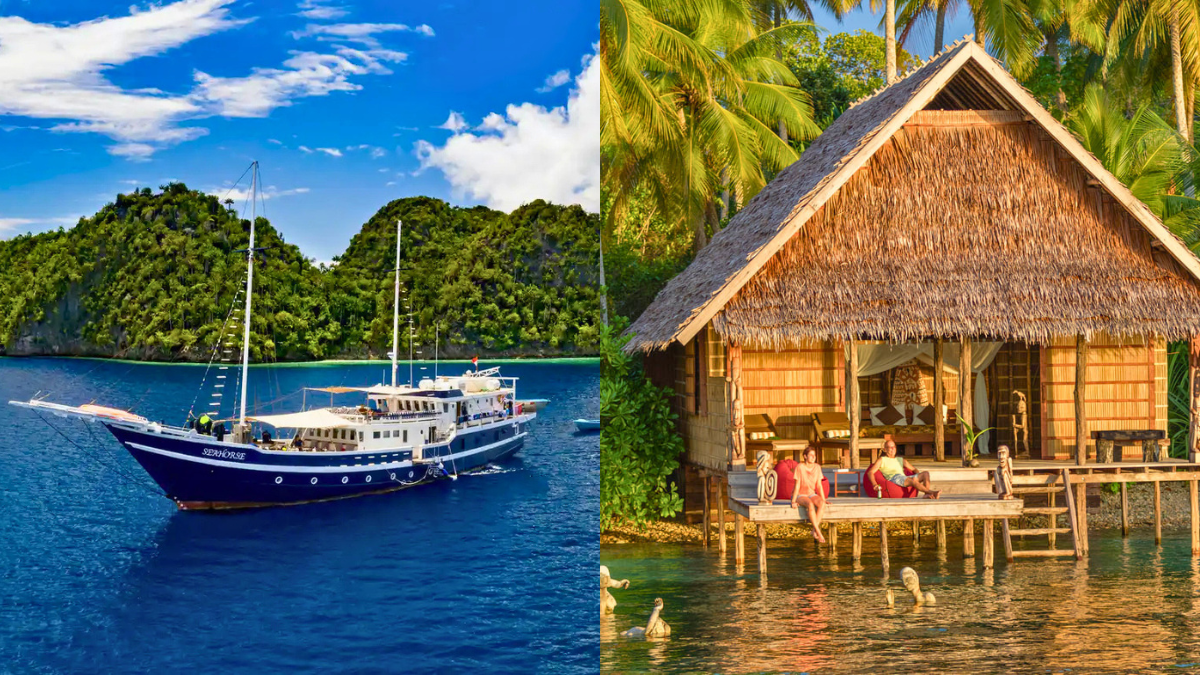
Diving Trip to Raja Ampat: Resort or Liveaboard?
Are you trying to decide between a liveaboard and a dive resort in Raja Ampat? In this blog, we’ll explain the differences and help you determine which type of trip best suits your needs.
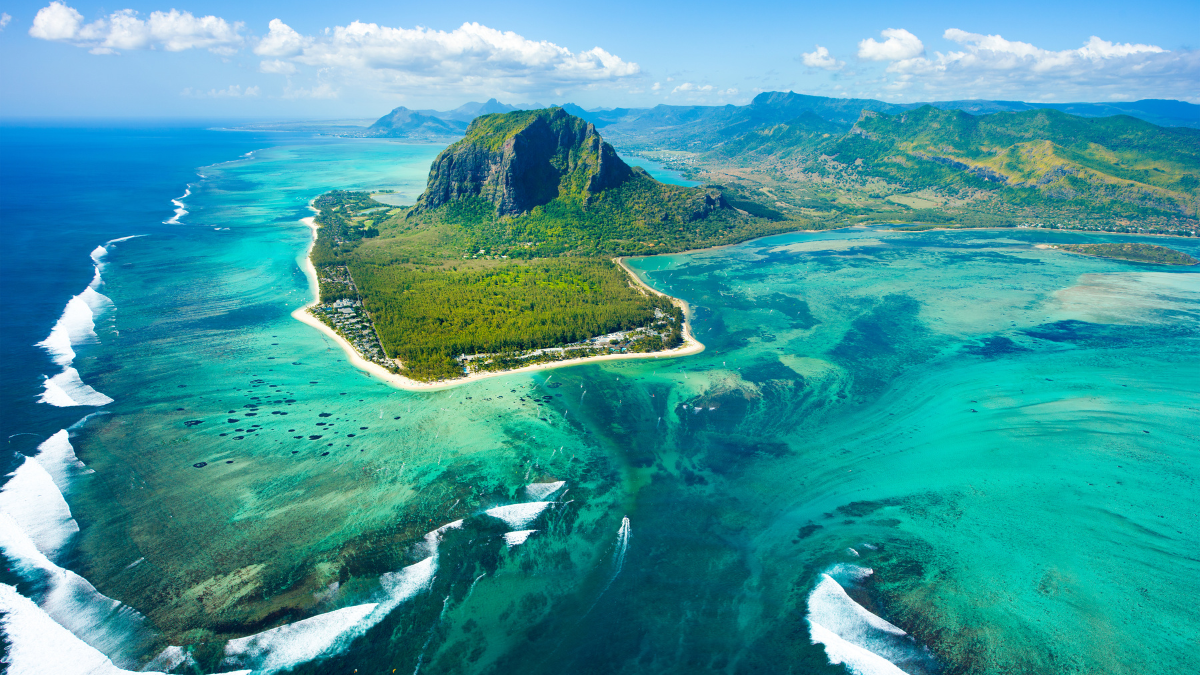
Diving in Mauritius: A Complete Guide
Mauritius offers colorful coral reefs, impressive shipwrecks, and a surprisingly diverse array of marine life. In this guide, you’ll find everything you need to know for a diving vacation in Mauritius.

Diving in Iceland: a complete guide
Diving in Iceland is all about the unique combination of the Silfra Gorge and rugged sea diving along volcanic shores. On a round-trip tour, you will not only discover the underwater world, but also one...
Read more
Whales, sharks, and manta rays: Key insights from the BCSS Impact Report 2025
The BCSS Impact Report 2025 highlights the rich marine life around the Bazaruto Archipelago in Mozambique. From humpback whales and manta rays to endangered sharks, the study confirms why this area is one of Africa’s...
Read more
Diving vacation with a non-diving partner? These destinations are perfect for both of you
Not every diving vacation has to revolve entirely around diving. These destinations offer plenty of above-water activities so divers and non-divers alike can have a great trip.

Diving with wild dolphins: where do you have the best chance?
Encounters with wild dolphins are among the most beautiful experiences you can have as a diver. Find out where worldwide you have the greatest chance of encountering these intelligent marine mammals in their natural habitat.

Diving with (tiger) sharks: how to prepare?
Diving with tiger sharks is less scary than many people think, provided you enter the water well prepared. With the right experience, calm demeanor and respect for the animals, these encounters often become unforgettable dives.
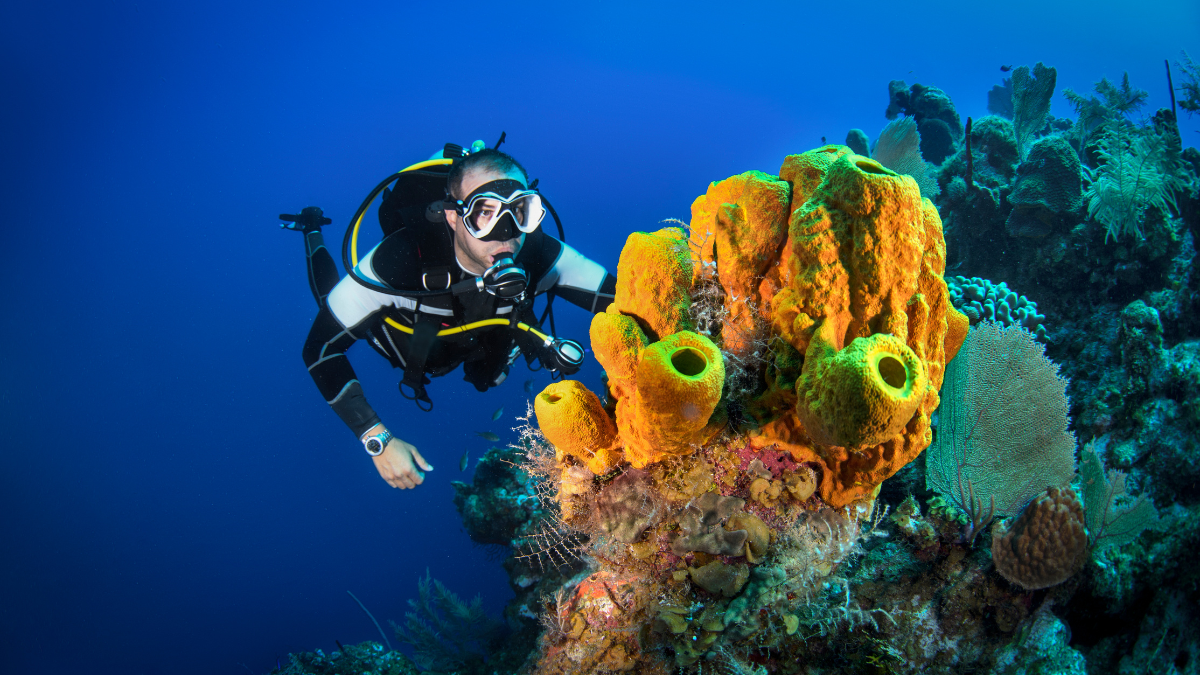
Our favorite diving destinations in the Caribbean
Not every Caribbean destination is known as a true diving hotspot. In this blog you’ll discover which islands are best suited for diving, where exactly you should be for big animals, wrecks or macro, and...
Read more
Diving destinations in the Caribbean
The Caribbean offers much more variety than just tropical reefs and clear water. In this blog you will discover which destination best suits your needs: from pelagic life and unique dives to adventure above water...
Read more
Why some dive destinations fill up years in advance
Some dive destinations and liveaboards fill up quickly due to limited capacity, short peak seasons and high international demand. Especially popular itineraries and high-end liveaboards in destinations such as Raja Ampat, Galápagos, Socorro and Egypt...
Read more
Discounted admission to Socorro: this is what you need to know about the new park fees
As of Jan. 1, 2025, park fees for Socorro doubled, but thanks to new exceptions and discounts, many travelers can save big. And that’s good news, because Socorro, with its manta rays, sharks and spectacular...
Read more
Diving with hammerhead sharks in Mikomoto, Japan
Mikomoto Island in Japan is known for spectacular encounters with large schools of hammerhead sharks. In this blog you will read what to expect underwater, when you have the best chance and why this dive...
Read more
Diving in Japan: the different regions
Japan is a surprisingly diverse diving destination with huge differences between its regions. From hammerhead sharks and manta rays to ice diving and unique underwater landscapes, each region has its own character.

Bahamas trip report – Diving with sharks with the Bahamas Aggressor II
The Bahamas is one of the best destinations in the world for shark diving. Read what her trip to Tiger Beach was like in Margriet’s travelogue.