Why ecological excursions are essential for sustainable diving and wildlife tours
Diving with whale sharks, snorkeling above colorful coral reefs or swimming with manta rays: these are experiences travelers will never forget. But behind those unique moments is also a responsibility, because how we approach the underwater world makes a world of difference to its survival. In this blog, you can read why choosing ecological excursions is not only good for the planet, but also for your own diving experience.


What are ecological field trips and why are they important?
Ecological excursions are activities in nature designed with respect for the ecosystem. They focus on minimal impact, education and often conservation. So it’s really about respecting nature and not disturbing it. Consider:
- Diving or snorkeling trips where the guides are trained in conservation.
- Wildlife tours with clear rules of conduct, such as keeping your distance from the animals.
- Small groups, no leaving trash, no touching or feeding animals.
- Animals are not fed
The goal is simple: to enjoy nature without causing harm.
This is also why ecological field trips are so important. We all need to protect fragile ecosystems. Coral reefs, seagrass beds and mangroves are enormously sensitive to disturbance. Careless anchoring, touching coral or using harmful sunscreen can cause permanent damage.
In addition, it is also important to realize that whale sharks, manta rays and sea turtles are wild animals, not attractions. Divers and other ocean enthusiasts realize this, but there are many people who do not know that these animals migrate and are not “supposed” to be in the same place every day. As an example, in Madagascar you can see whale sharks in the Nosy Be archipelago in August and September. Exactly during that period there is a lot of plankton in the water and that is what the whale sharks come for; it is their food. When the food runs out, they move on to the next spot. This is how it works for them. Were they to feed the whale sharks every day, they might stay and not move on. So by doing that, you disrupt their natural migration and make them stay in the same place. This is fortunately not the case in Madagascar, just an example to explain. Excursions that do not take their behavior into account can cause stress or disrupt migration patterns. Well-guided tours keep their distance, respect the animals and follow codes of behavior.
Where and how do things go wrong?
There are some places in the world where we know things go wrong and animals are fed. Sometimes it’s not immediately visible or you don’t really know what to look out for. Therefore, we shed light on two places and then tell you what to look out for to make sure you go with an ecologically responsible tour.
We’ll go over a few places with you where it’s good to be extra vigilant and also to show you exactly what will go wrong and what the consequences will be.
Lombok & Komodo, Indonesia – whale shark feeding for tourism
In the region around Labuan, Lombok and Komodo, whale sharks are fed small fish (such as frozen shrimp) in certain places to guarantee tourists get to see the animals during snorkeling trips. This is mainly about the snorkeling tours, not the liveaboard boats with divers.
- The whale sharks learn “boats is food” and this causes them to behave differently. They stick to the same place instead of traveling around in search of plankton, which disrupts their natural migration.
- There is increased risk of collisions with boats and the propellers that can cause many injuries.
- The food is not natural: one-sided diet of frozen shrimp, no hunting behavior.
Oslob, Philippines – mass tourism around whale sharks
Oslob is a well-known example where ecotourism has overshot its mark. Whale sharks are fed there daily to give tourists a chance to swim with them. There are sometimes long lines of tourists wanting to see the whale sharks. The local fishermen earn good money from these tours.
- Sometimes hundreds of tourists a day, often without proper briefing.
- No controlling distance from the animals, so touching happens frequently.
- Long-term disruption of migratory behavior and risk of addiction to human food.
What is the real impact of feeding?
Although some effects are still being studied, this is already known:
- Adapted behavior: animals linger in one place, migration stops
- Risk of injury: more collisions with boats or propellers
- Dietary distortion: one-sided food
- Behavioral anomaly: less natural hunting or foraging behavior
- Verslies of fear: animals get used to people, which is a risk to both parties
How do you recognize an ecologically responsible field trip?
The range is vast, but not every excursion that calls itself “eco” really is. Pay attention to these signs:
- The organization does not say you are guaranteed to see the animals
- The organization has environmental certification (such as Green Fins or PADI AWARE).
- There is a briefing on underwater behavior and animal handling.
- Work is done in small groups, leaving no waste or damage.
- They do not use feed to attract animals.
- They communicate clearly about their ecological choices and cooperation with nature projects.
As a diver or traveler, what can you do?
- Do not choose tours where animals are fed.
- Choose consciously: research the provider and ask questions before booking: group size, distance rules and education, for example
- Follow the rules: don’t touch anything, keep your distance, don’t leave trash.
- Set a good example for other travelers – conscious behavior is contagious.
- Support local initiatives: from reef restoration projects to youth education.
- Choose providers that work with marine biologists or local conservation projects.
- Use reef-safe sunscreen or covering clothing.
Example of ecological diving schools
In our trips, we only work with partners who take conservation seriously. Like Buceo Carey in La Paz, Mexico – they organize whale shark tours with clear rules of conduct and respect for these impressive animals. Or Sharks Bay Divers in Jordan, a diving school with Green Fins certification.
Another good example is Bazaruto Archipelago in Mozambique, where you will stay at the unique Bazaruto Center of Scientific Studies (BCSS). The center aims to understand, protect and ensure marine science in East African marine ecosystems for the benefit of current and future generations. BCSS serves as an international example in management and research programs, sharing results widely to give researchers access to crucial information.
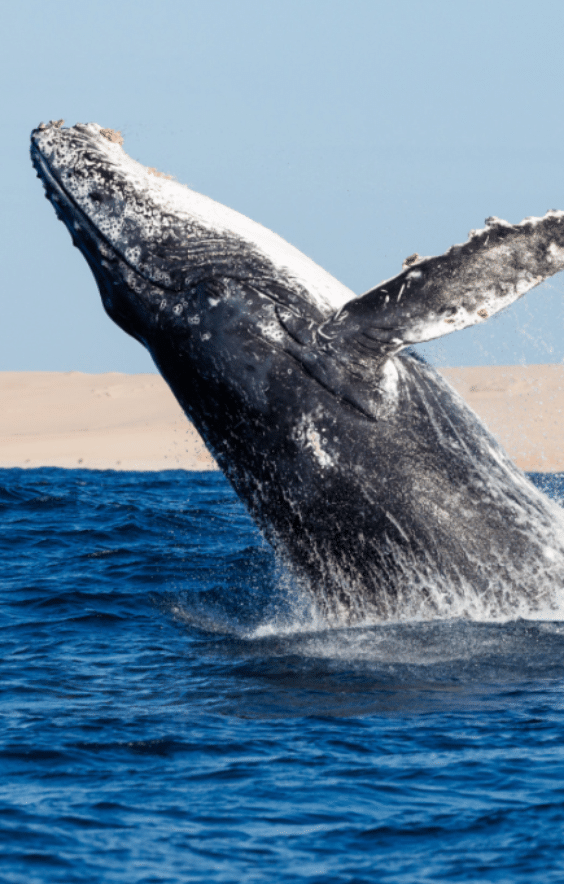


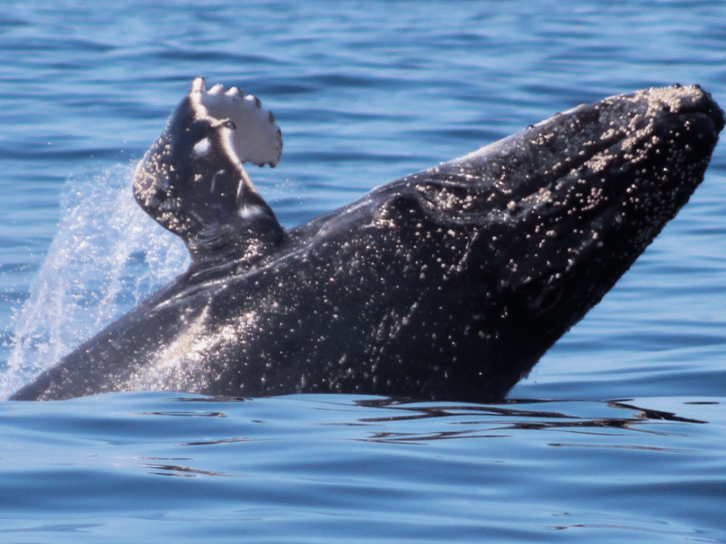
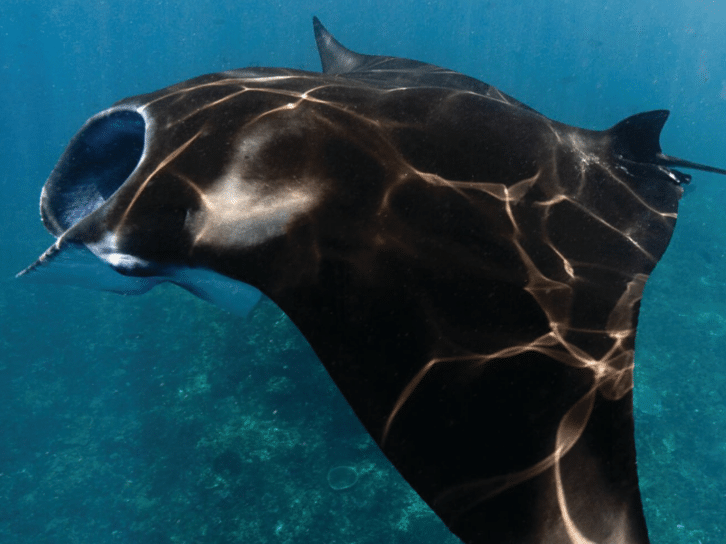
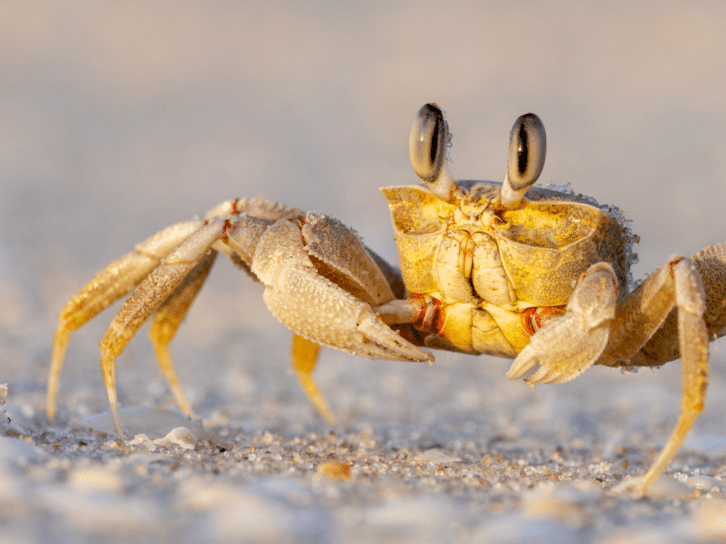
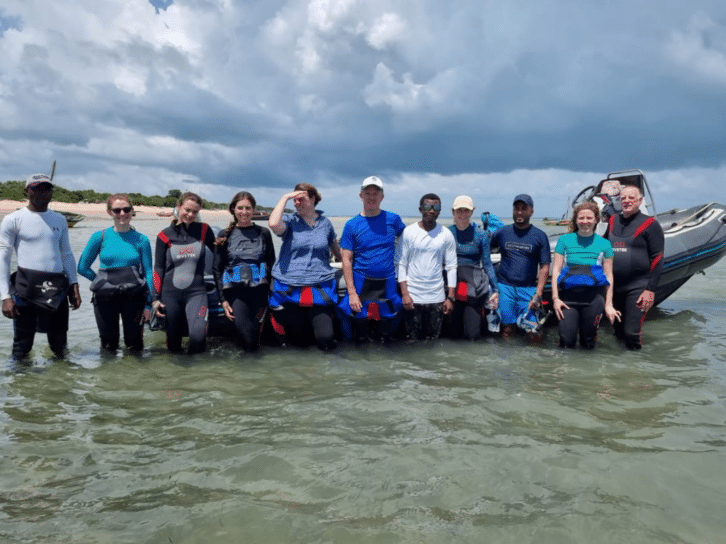

Discover the Bazaruto Archipelago – Mozambique
Stay at a research center while exploring the Bazaruto Archipelago. Chance of humpback whales, whale sharks, manta rays, dugongs and...
Every diver, snorkeler or traveler has an impact. By choosing ecological excursions, you help protect fragile ecosystems AND make your experience more valuable. The underwater world is not an amusement park, but a wonder we get to admire – responsibly.
Wondering how we go about it? Check out our sustainable diving trips or contact us for personal advice. Together we make sure your diving adventure is not only unforgettable, but also good for the world underwater.