
Raja Ampat: Should you choose a liveaboard or a dive resort?
Raja Ampat is at the top of many divers’ bucket lists. With more than 1,500 islands, thousands of fish species, and some of the most beautiful coral reefs in the world, that’s not surprising. But as soon as you start planning a trip to Raja Ampat, you’ll quickly face an important decision: will you stay at a dive resort or explore the archipelago from a liveaboard?
There is no right or wrong answer. Both types of trips offer a fantastic diving experience, but they differ greatly in terms of comfort, flexibility, and the dive sites you can visit. Which option suits you best depends mainly on your preferences and expectations.
In this blog, we’ll explain the differences, which regions you can visit from a resort or liveaboard, and help you make the right choice. Want to read more about Raja Ampat? We’ve written a comprehensive guide to diving in Raja Ampat, which you can read here.
Where is Raja Ampat located?
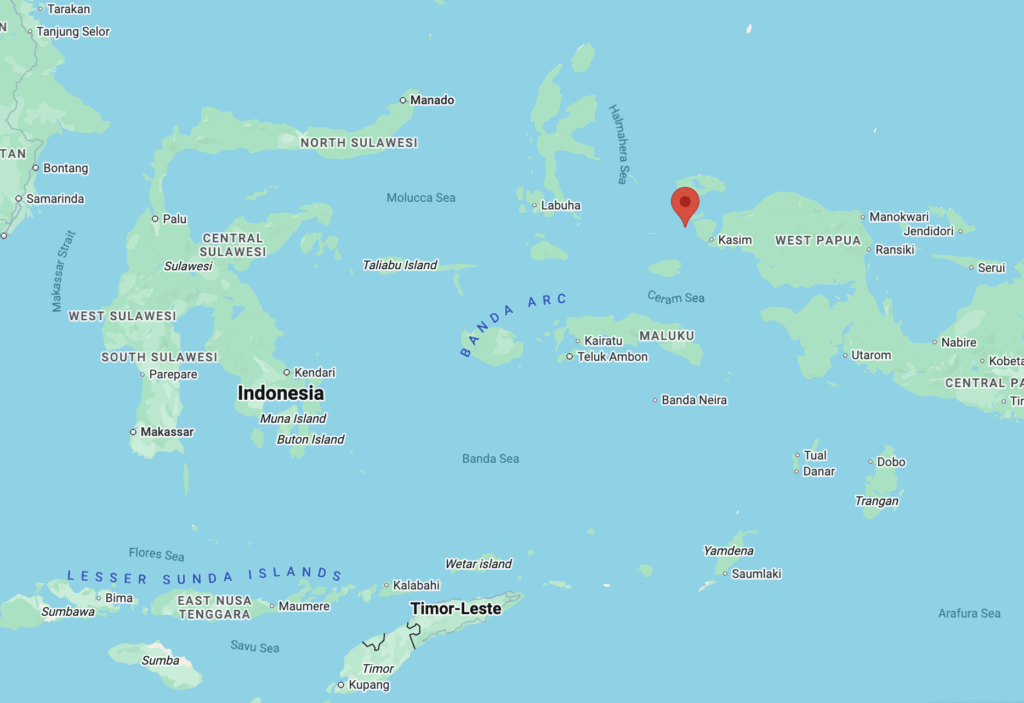
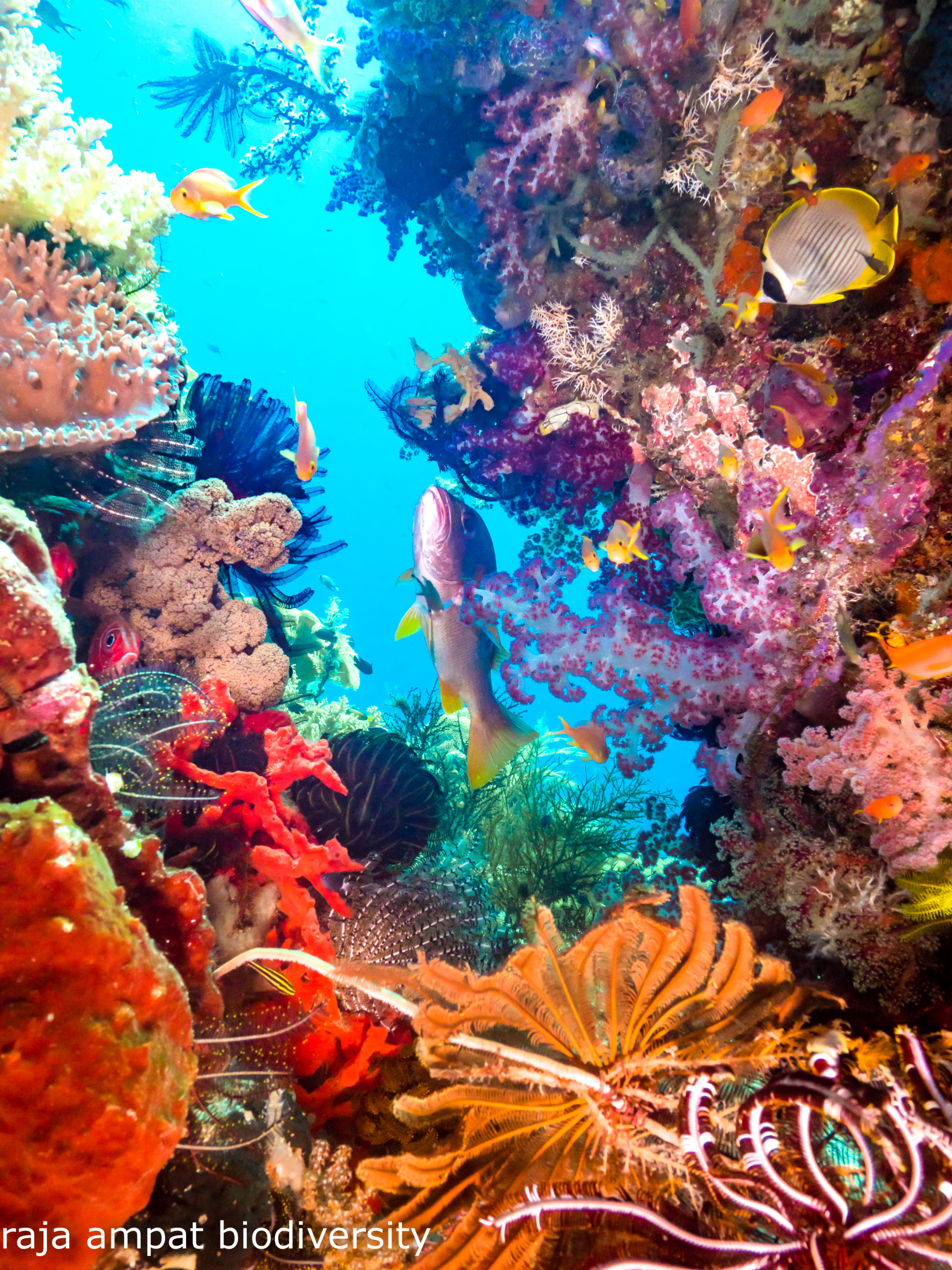
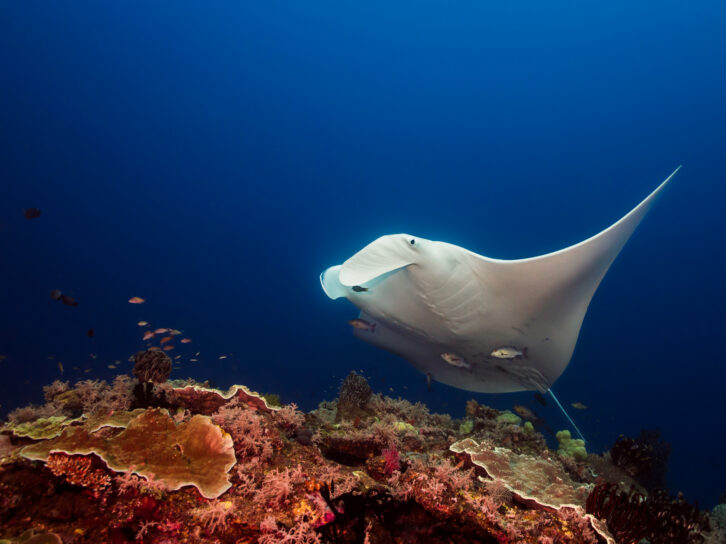
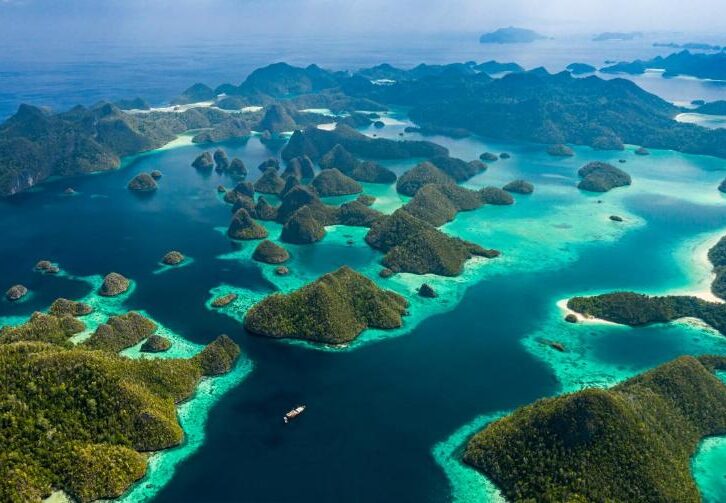
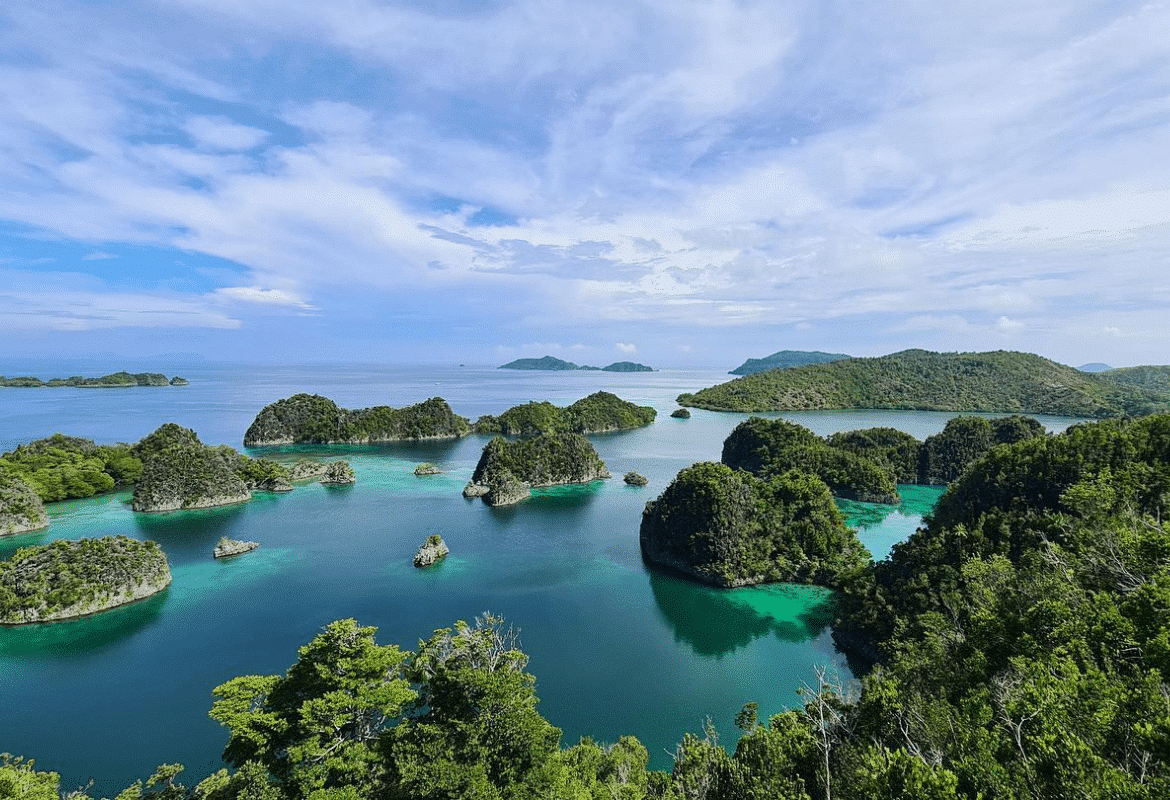
Raja Ampat is located off the northwest coast of West Papua in Indonesia. The archipelago consists of more than 1,500 small islands, limestone rock formations, reefs, and sandbars scattered across a vast area. Many of these islets are uninhabited and surrounded by pristine reefs.
Raja Ampat is located in the heart of the Coral Triangle, a region that spans parts of Indonesia, Malaysia, Papua New Guinea, the Philippines, the Solomon Islands, and Timor-Leste. This region is considered the center of marine biodiversity on Earth.
Want to learn more about Raja Ampat as a diving destination, what to expect underwater, and the best time of year to visit? Then check out this blog!
Why is this choice so important in Raja Ampat?
At many diving destinations, you stay at a resort and take day trips to various dive sites from there. In Raja Ampat, things work a little differently.
The archipelago covers a vast area. The best-known regions, such as Dampier Strait, Misool, Batanta, and Wayag, are sometimes tens or even hundreds of kilometers apart. This means you can never explore all of Raja Ampat from a single resort. You’ll always stay in one region and visit the dive sites that are within reach. It’s also not common in Raja Ampat to “island-hop,” as is done in the Philippines, for example. It is possible, but transfers are by boat and the costs can add up quickly. In addition, many resorts have fixed arrival and departure days, which makes planning even more complicated.
A liveaboard actually sails from one area to another. This allows you to discover much more of Raja Ampat during a single trip and also visit remote dive sites that are virtually inaccessible from the mainland.
So the choice between a resort and a liveaboard determines not only where you’ll sleep, but also what kind of underwater world you’ll experience.
When should you choose a liveaboard?
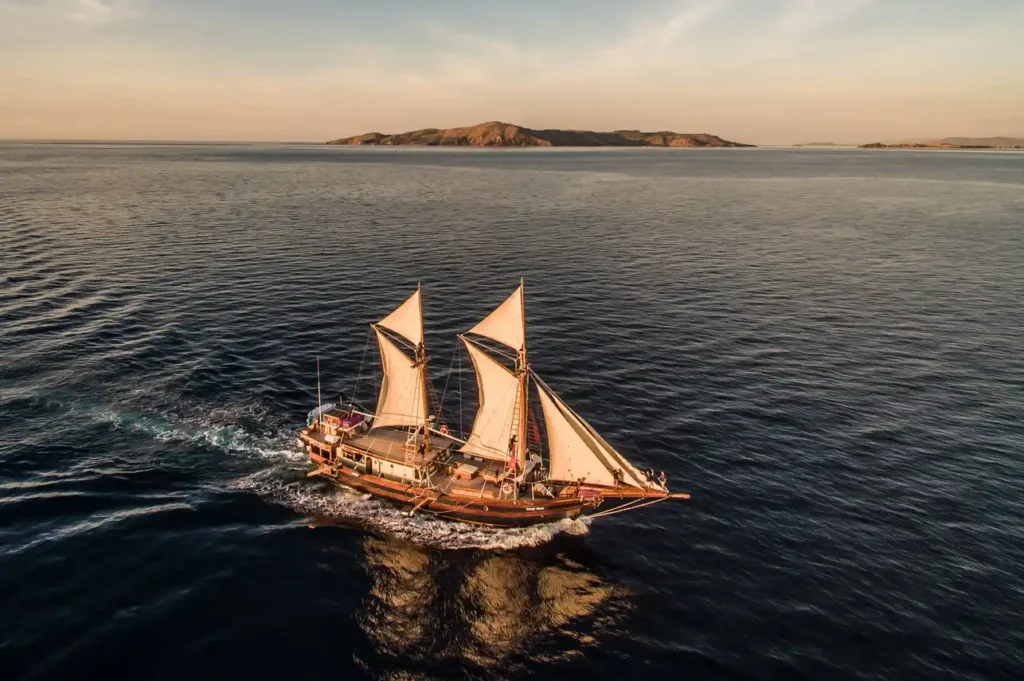
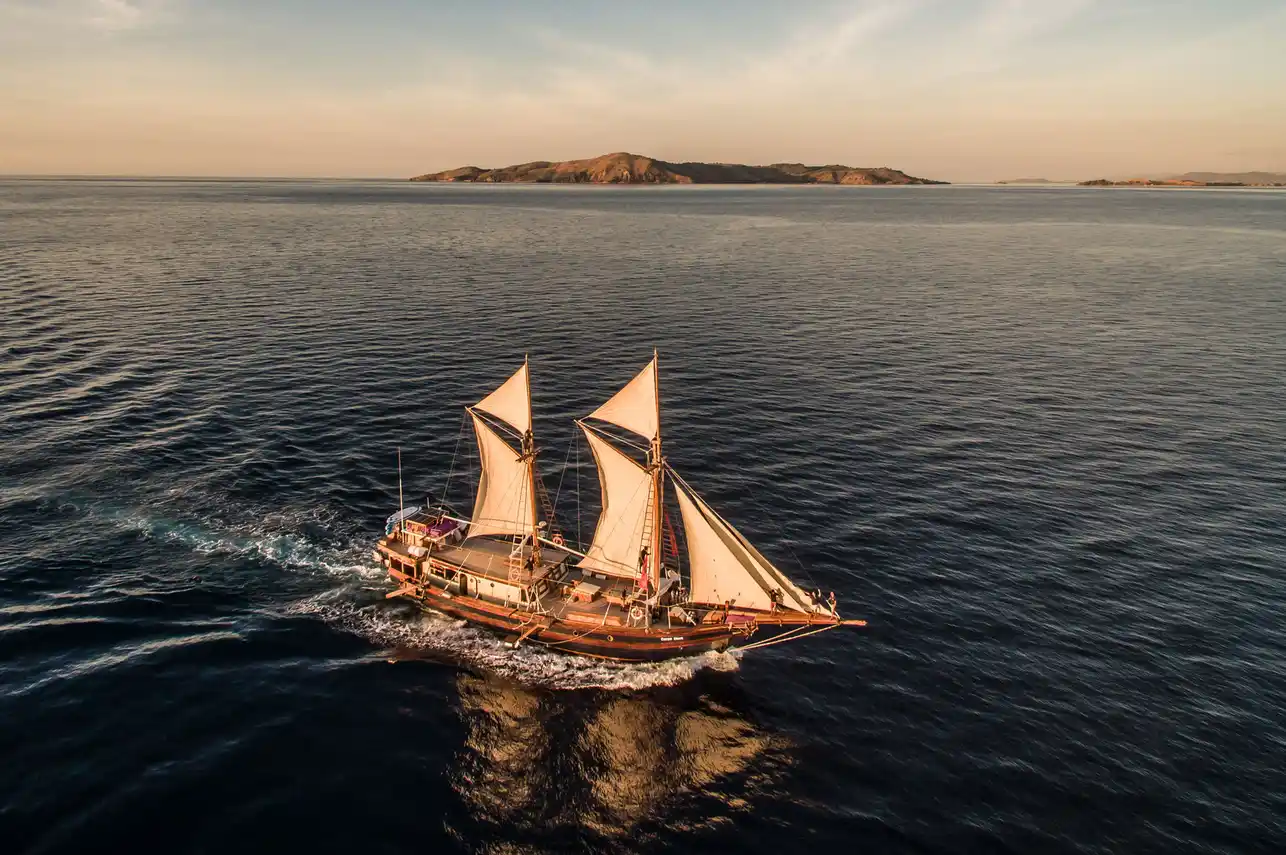
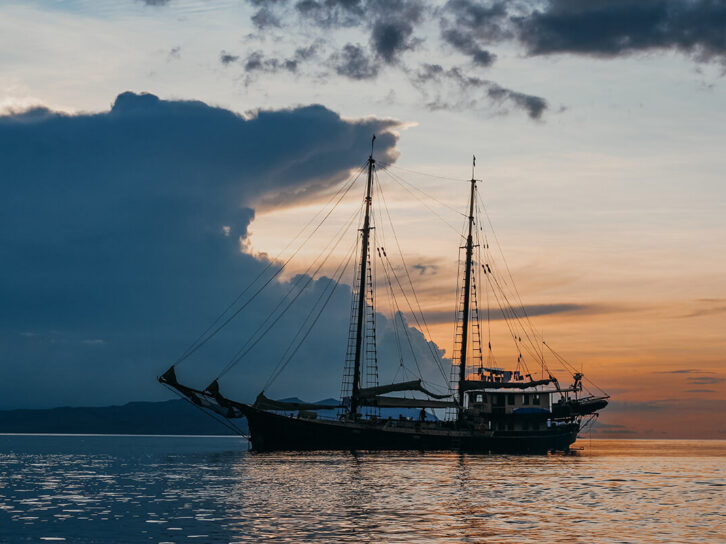
A liveaboard is the ideal choice for divers who want to get the most out of their trip. It’s as if your hotel is sailing along with you. While you sleep, the ship sails to the next destination. This means you wake up in a new location every morning without having to deal with long transfers.
Not only does this offer more variety, but it also allows you to dive in places that day boats simply can’t reach. The remote reefs in South Raja Ampat and Wayag, in particular, are accessible almost exclusively by liveaboard.
On a liveaboard, you usually make three to four dives a day. Between dives, you can enjoy the view of the islands, eat together on board, and discuss the next dive with the guide. For many divers, a liveaboard feels like one big diving expedition.
A liveaboard is a great fit for you if you:
- want to dive as much as possible;
- want to explore several regions of Raja Ampat;
- want to visit new dive sites every day;
- you don’t mind spending a week on board a ship;
- want to get the most out of your diving vacation.
On the other hand, a liveaboard also offers somewhat less flexibility. The cabins are smaller than a hotel room, and the itinerary is largely set. Skipping a day or spending a long time relaxing on the beach is usually not an option.
When should you choose a dive resort?
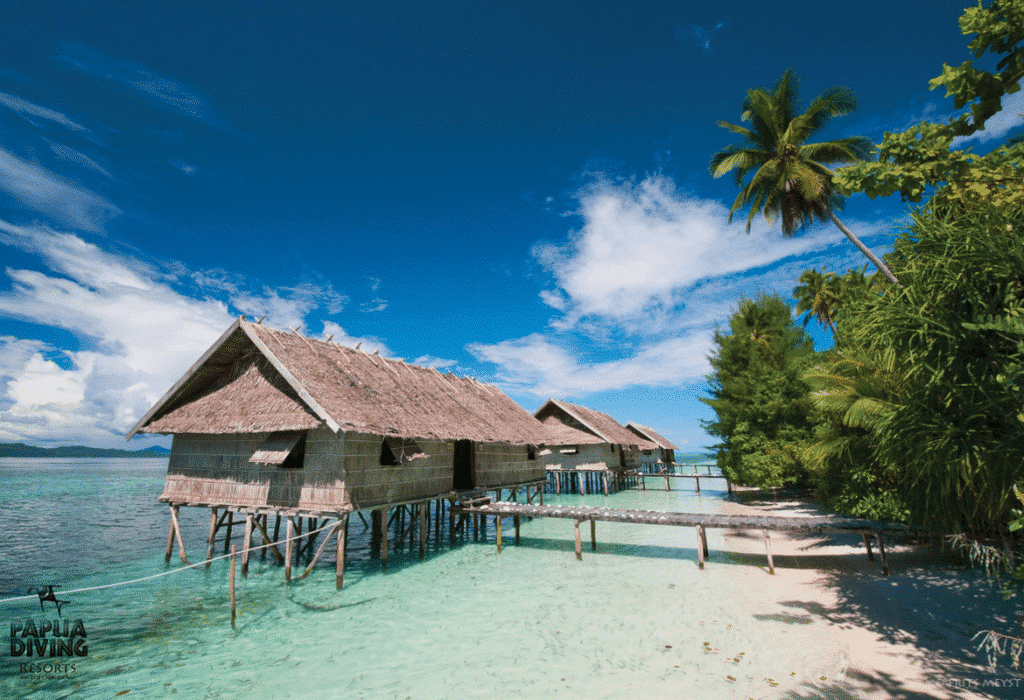
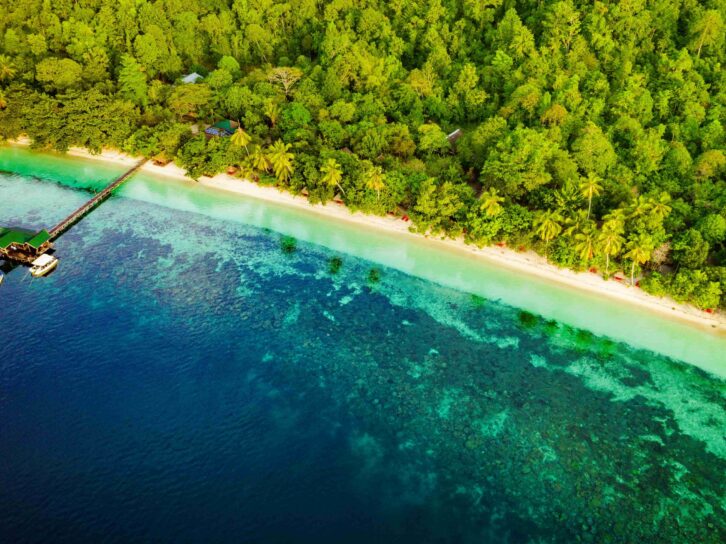
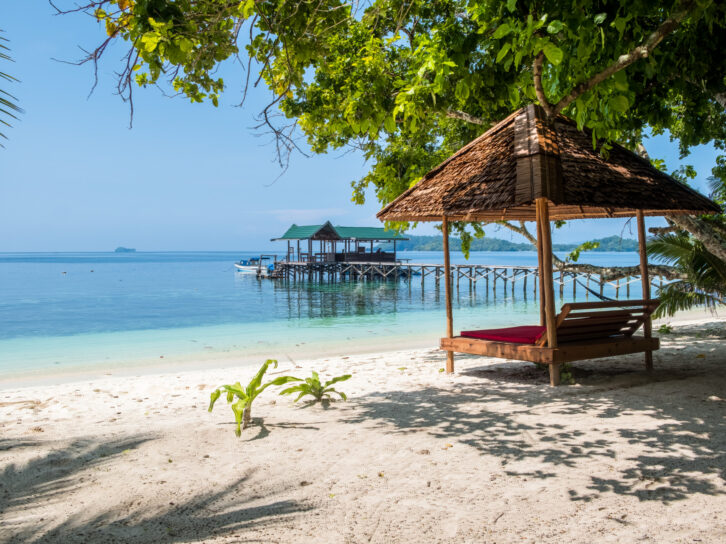
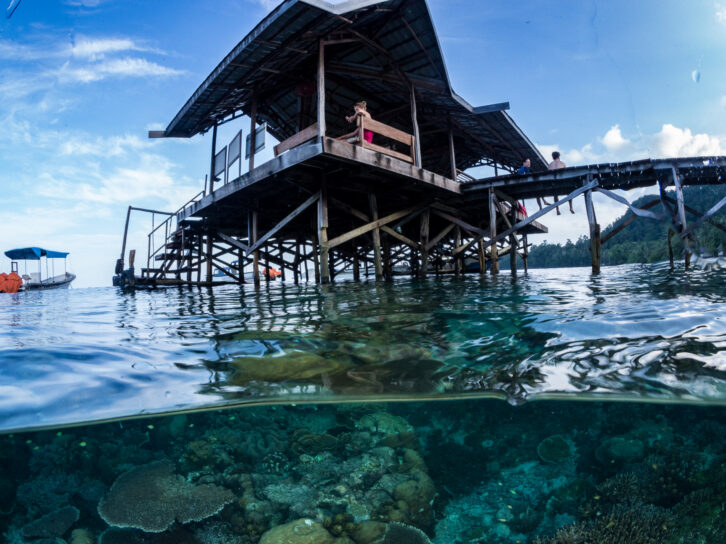
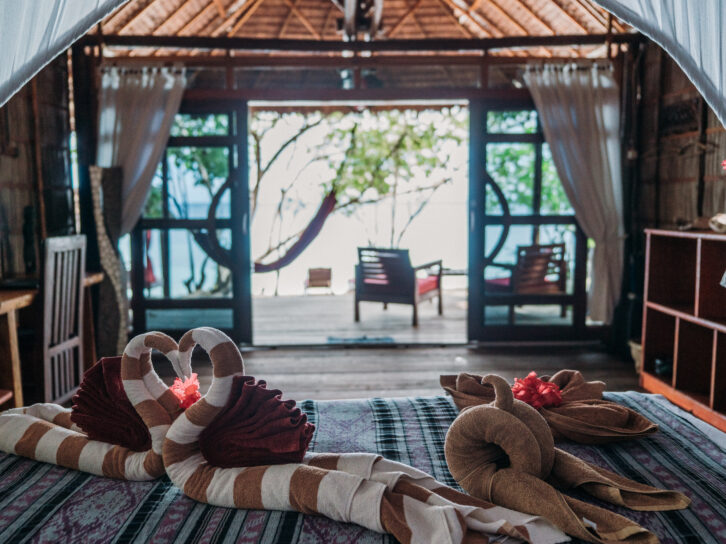
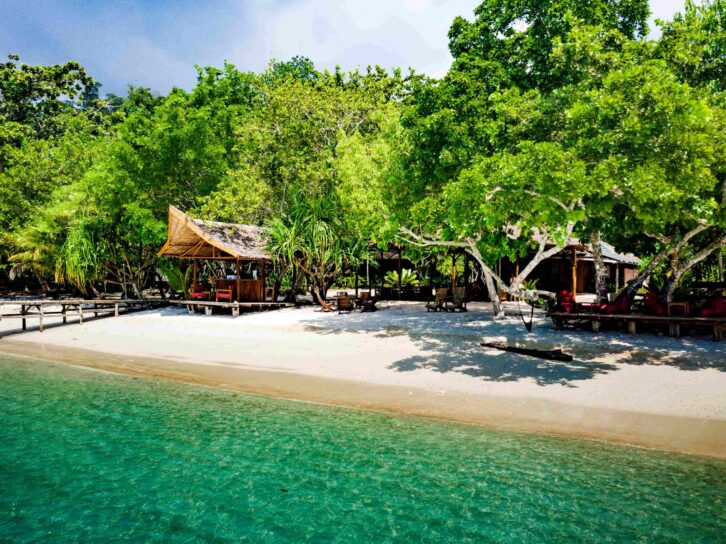
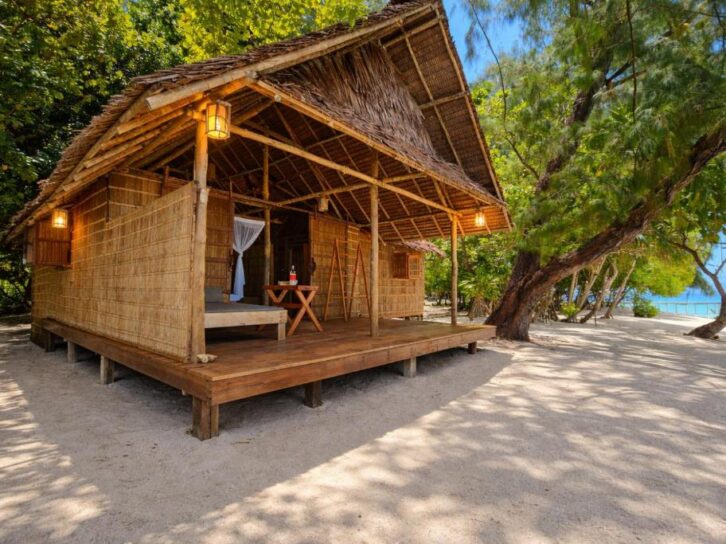
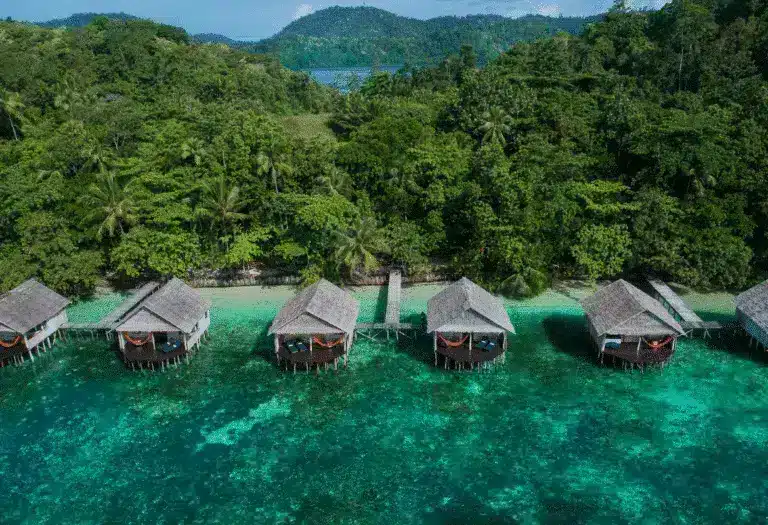
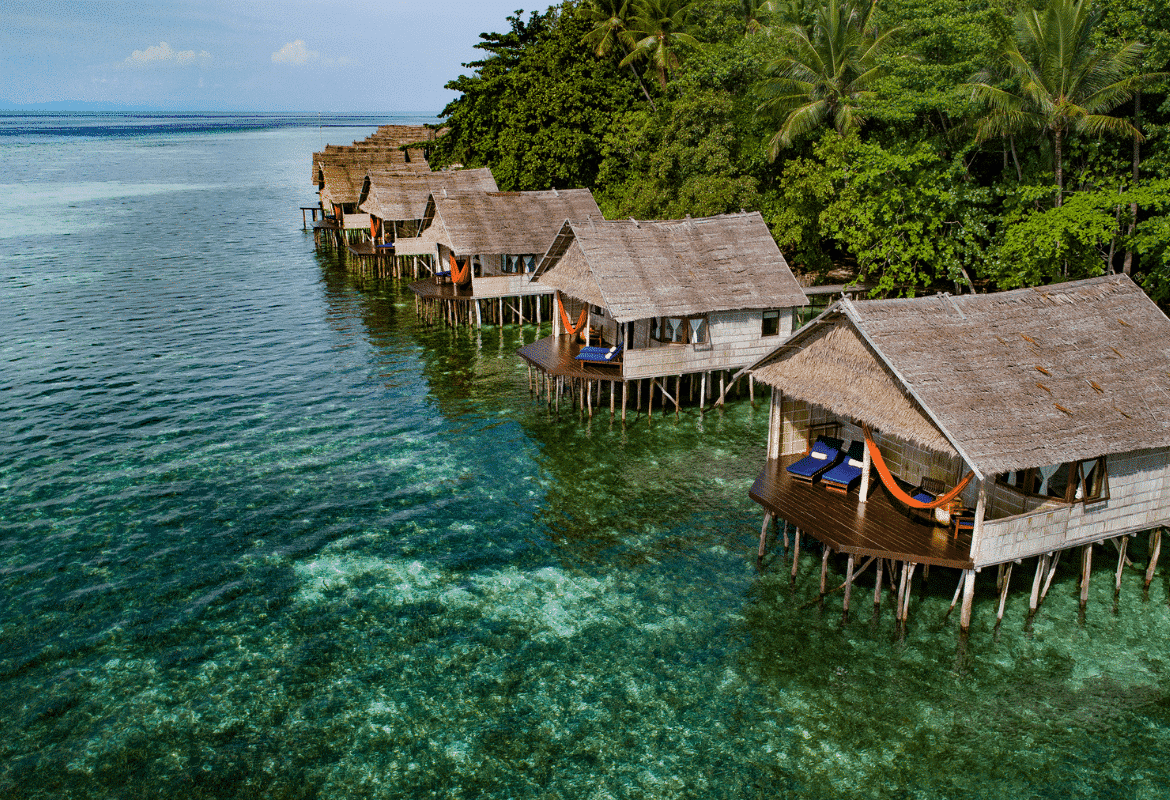
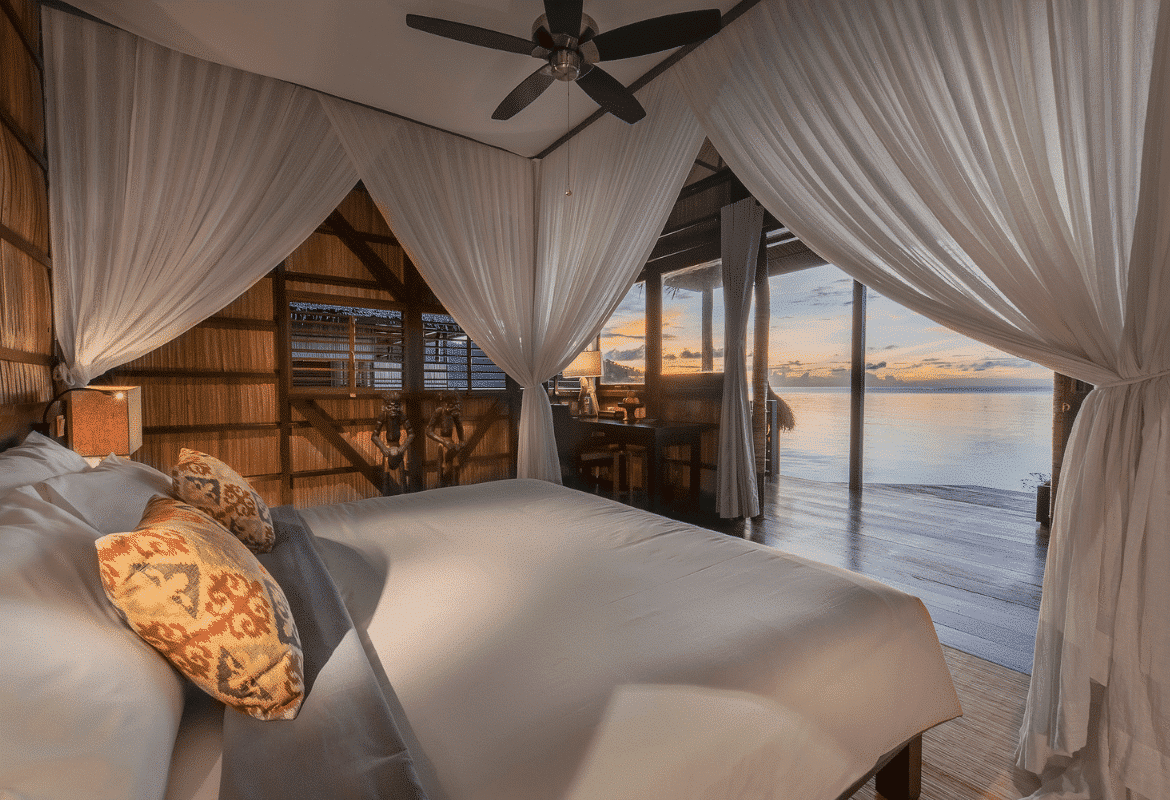
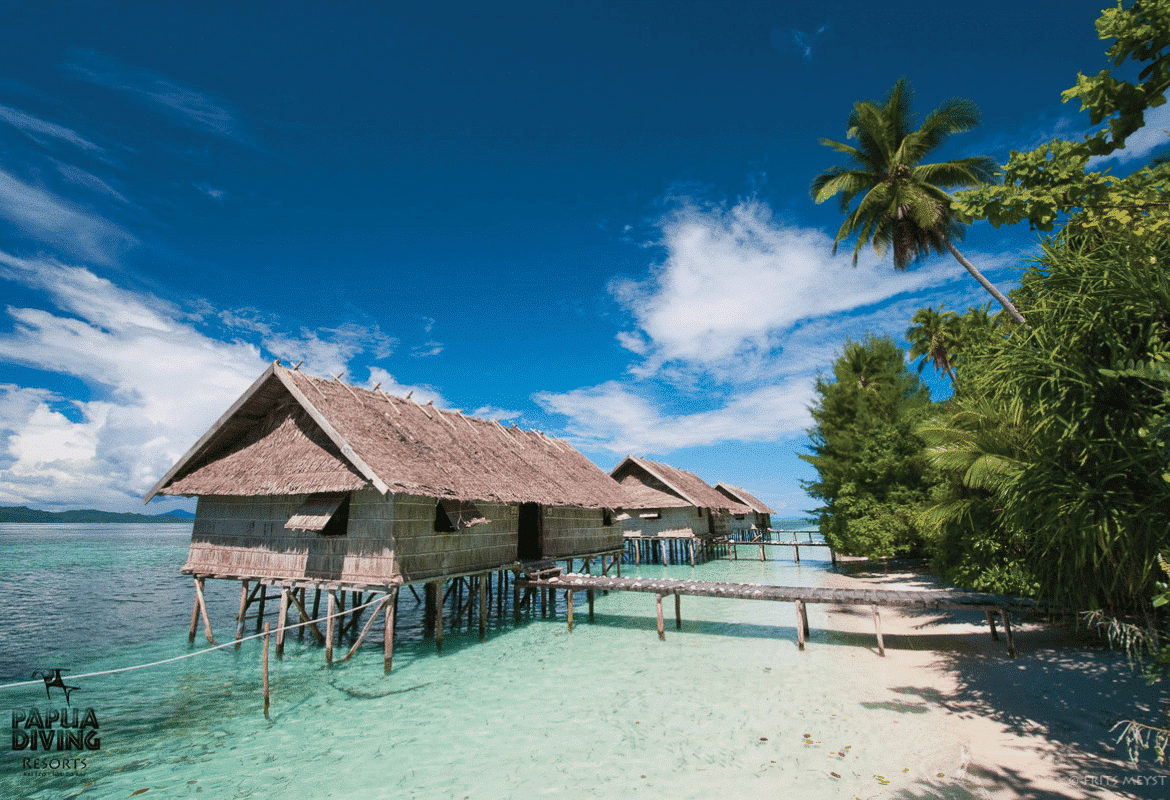
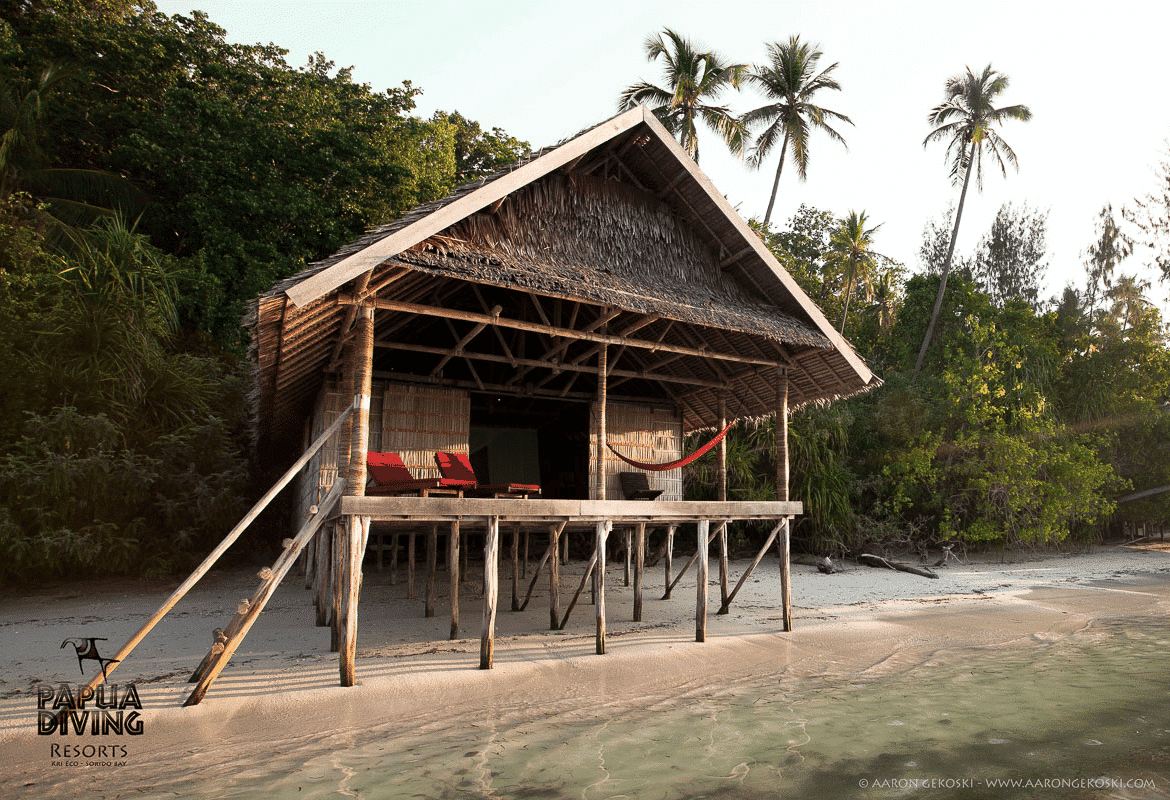
A resort stay offers a completely different experience. Instead of moving around every day, you’ll stay in one beautiful location right in the heart of Raja Ampat. You’ll have a spacious bungalow, enjoy the ocean view, and decide for yourself how active you want your vacation to be.
Many resorts have a house reef where you can snorkel or enjoy fantastic diving. At many resorts, you have unlimited access to the house reef, so in addition to boat dives, you can also go shore diving. Between dives, you can relax on the beach, read a book, or take an excursion to one of the surrounding islands. That’s what makes a resort an attractive option when you’re traveling with a partner who doesn’t dive.
Although you’ll visit fewer different regions from a resort than you would on a liveaboard, the diving opportunities are still impressive. From resorts in the Dampier Strait, you can often reach famous dive sites such as Cape Kri, Blue Magic, and Sardine Reef within a half-hour boat ride.
A resort is especially suitable if you:
- would like a little more comfort;
- also want to have time to relax;
- is traveling with a non-diving partner;
- I’d rather do two or three dives a day than four;
- want to stay in one place for a longer period of time.
What kinds of things can you see while diving?
Many people think that when you stay at a resort, you visit the same dive sites as you would on a liveaboard. That’s only partly true.
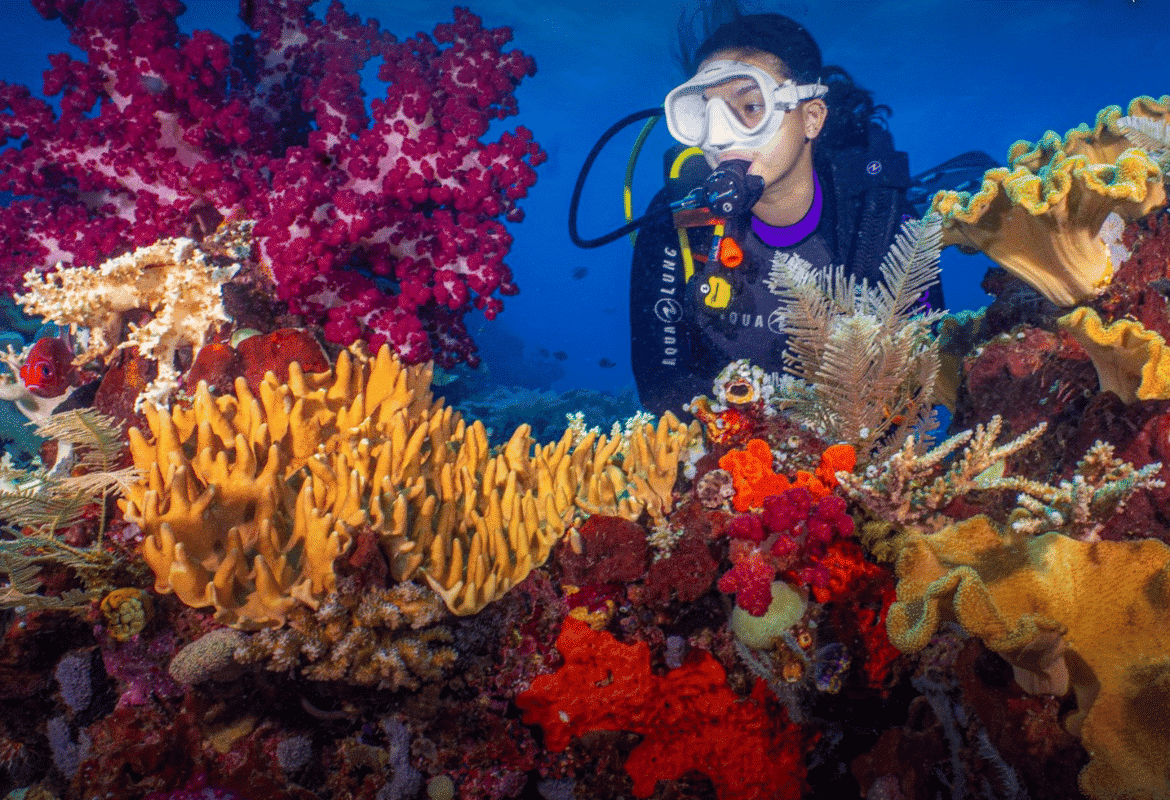
When staying at a resort, you usually stay within a single region. That’s not a disadvantage at all, because the Dampier Strait, for example, offers more than enough variety for a week of diving. Here you’ll find famous dive sites such as Cape Kri, Blue Magic, and Sardine Reef.
A liveaboard, on the other hand, continues on its journey. This often allows you to combine different regions into a single trip. For example, you might first dive in the Dampier Strait, then sail to Misool, and visit several remote reefs along the way.
So ask yourself: Do you want to get to know one area really well, or do you want to see as many different places as possible?
What is a typical day like?
On a liveaboard
You’ll wake up to find the ship has already arrived at its next destination. After a light snack, you’ll go on the first dive of the day. Then you’ll enjoy a hearty breakfast on board. Throughout the day, you’ll make two or three more dives, interspersed with meals, briefings, and relaxation on the sun deck. At the end of the day, you’ll enjoy the sunset while the boat sets course for the next location. Virtually everything revolves around diving.
At a resort
You’ll start the day with breakfast by the water. Then you’ll board a dive boat for two morning dives. Around lunchtime, you’ll be back at the resort, and you can choose what to do. Maybe you’ll go for an afternoon dive on the house reef, explore the island itself, or just relax in a hammock. Some resorts also offer boat dives in the afternoon. The days are a bit more laid-back and give you more freedom to set your own pace.
What about comfort?
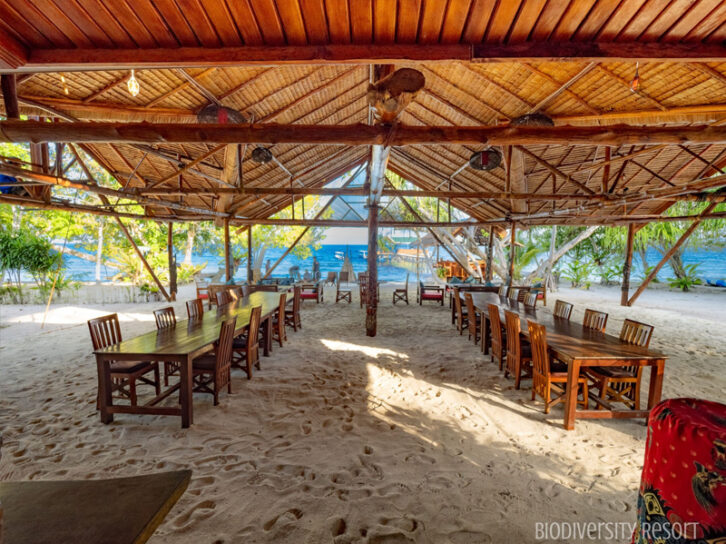
Resorts generally offer more space and privacy. You’ll have your own bungalow or villa and often a terrace with a view of the sea. These days, many resorts have hot water in the bathroom. Cell service isn’t always available, and electricity and Wi-Fi are often only available during certain hours of the day. This varies by resort and island, though; in some places, electricity is available 24/7. Your stay is often on a full-board basis, as there are no other amenities on the island.
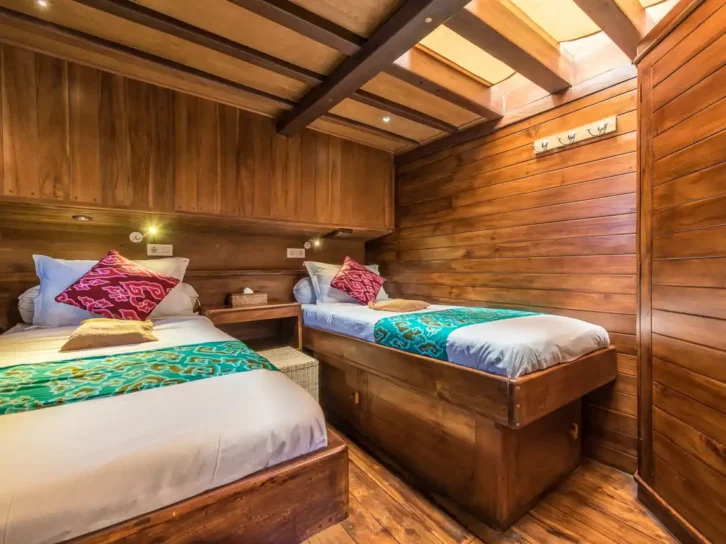
Liveaboards are more compact. The cabins are smaller, but fully equipped with all the amenities. The cabins are often equipped with air conditioning. On the other hand, you wake up every morning in a new location, and the most beautiful dive sites are literally right outside your door. Your stay here is on a full-board basis, since you’ll naturally be on board the boat all week.
Which one you prefer is mainly a matter of personal preference.
Do liveaboards and resorts fill up quickly?
Yes. Both liveaboards and resorts are small-scale.
Many liveaboards can accommodate only twelve to sixteen guests. In addition, many boats operate in Raja Ampat for only a few months a year. The rest of the year, they sail in Komodo or around Halmahera, for example. Resorts also often have a limited number of bungalows. Especially during the diving season, popular departure dates and accommodations are sometimes fully booked months in advance.
If you’re tied to a specific vacation period or have a particular boat or resort in mind, it’s a good idea to book early. We recommend booking at least 10 to 12 months in advance.
Can you combine the two?
Absolutely. In fact, this is a combination we recommend on a regular basis.
For example, start with a few days at a resort. You can ease into the time difference, relax after your trip, and get a taste of Raja Ampat. Then, board a liveaboard to explore the more remote areas as well.
This way, you can combine the comfort of a resort with the freedom and variety of a liveaboard. A good example of this trip is the Carpe Diem liveaboard combined with a stay on the private island of Wai at the Wai Resort. The Carpe Diem offers shorter, one-week itineraries, so you’ll definitely have a few days left to stay on an island afterward. But other liveaboards and resorts can also be combined. The most important thing to keep in mind is the arrival days. At many resorts, these are fixed—for example, always on Saturday or Wednesday.
To Raja Ampat with EWDR
Whether you choose a liveaboard, a dive resort, or a combination of both, a trip to Raja Ampat requires thorough preparation. The distances are long, the options are extensive, and not every liveaboard or resort will suit everyone’s needs.
At EWDR, we’re happy to help you plan a trip that matches your diving experience, travel dates, and expectations. Thanks to our firsthand experience in Raja Ampat, we can advise you on the different regions, liveaboards, and resorts so you can make a choice that’s truly right for you.
Our selection consists of carefully chosen liveaboards and dive resorts in Raja Ampat. From comfortable liveaboards that visit multiple regions to small-scale resorts where you can enjoy the impressive underwater world in peace and quiet.
Are you still deciding between a liveaboard and a resort? Feel free to contact us. We’d be happy to help you figure it out and share our firsthand experience to help you determine which type of trip best suits your needs. That way, you can be sure to get the most out of your diving trip to Raja Ampat.
Also experience this diving trip?
Biodiversity Nature Resort • Raja Ampat
Stay at the intimate Biodiversity Nature Resort and discover the spectacular underwater world of Raja Ampat. With three boat dives...
Carpe Diem & Wai Resort Liveaboard • Two ways to experience Raja Ampat
A comprehensive diving trip through the most beautiful areas of Raja Ampat. Start on a liveaboard and finish on a...
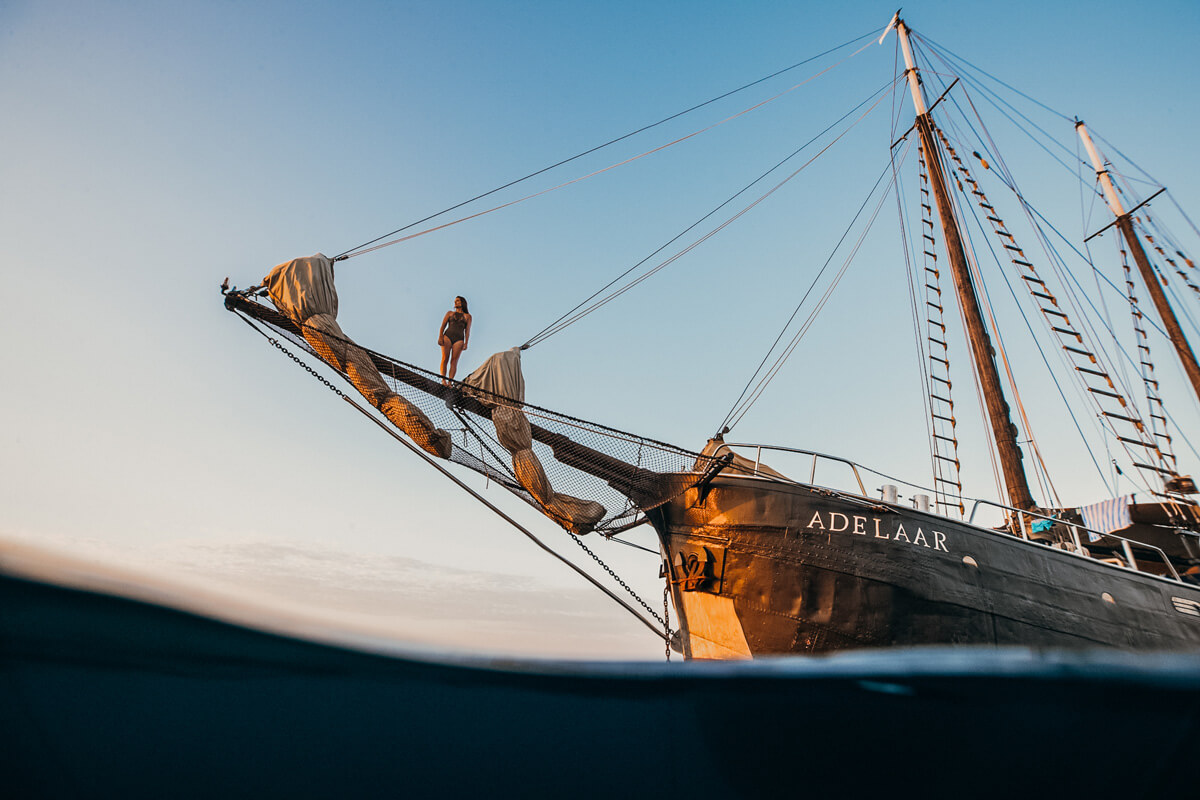
Exclusive liveaboard Adelaar – Triton Bay & Misool (Raja Ampat)
Triton Bay and Misool are among the best dive sites in the world. Discover this hidden paradise aboard the exclusive...
Papua Paradise Eco Resort – Golden Triangle
Comfortable resort among the best dive sites in the world.
Kri Eco Resort – Raja Ampat
Kri Eco Resort was the first dive resort on Raja Ampat and is highly regarded. For the original Raja Ampat...
Also perhaps interesting
Diving in Papua New Guinea: a complete guide
Diving in Papua New Guinea is a unique experience in the heart of the Coral Triangle. Discover colorful reefs, extraordinary marine life, historic shipwrecks, and pristine dive sites.
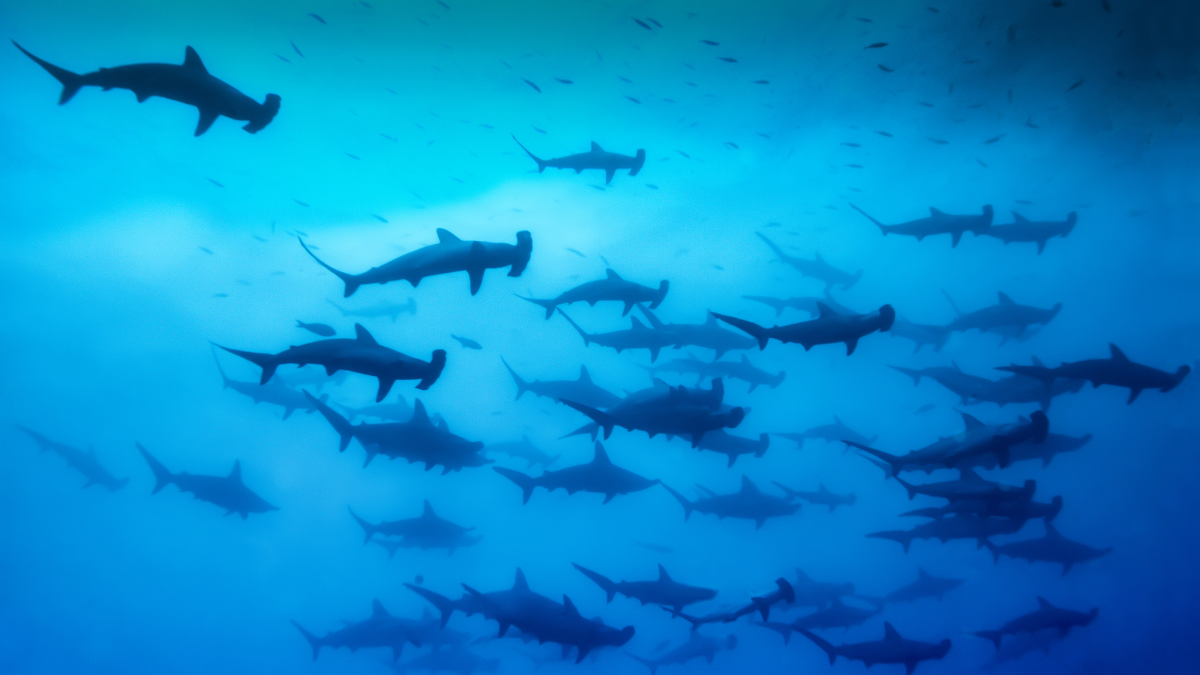
Diving with hammerhead sharks: What are the best destinations?
Discover the best destinations in the world for diving with hammerhead sharks. Find out where you’re most likely to encounter them, when the best time to travel is, and what diving certification is required.
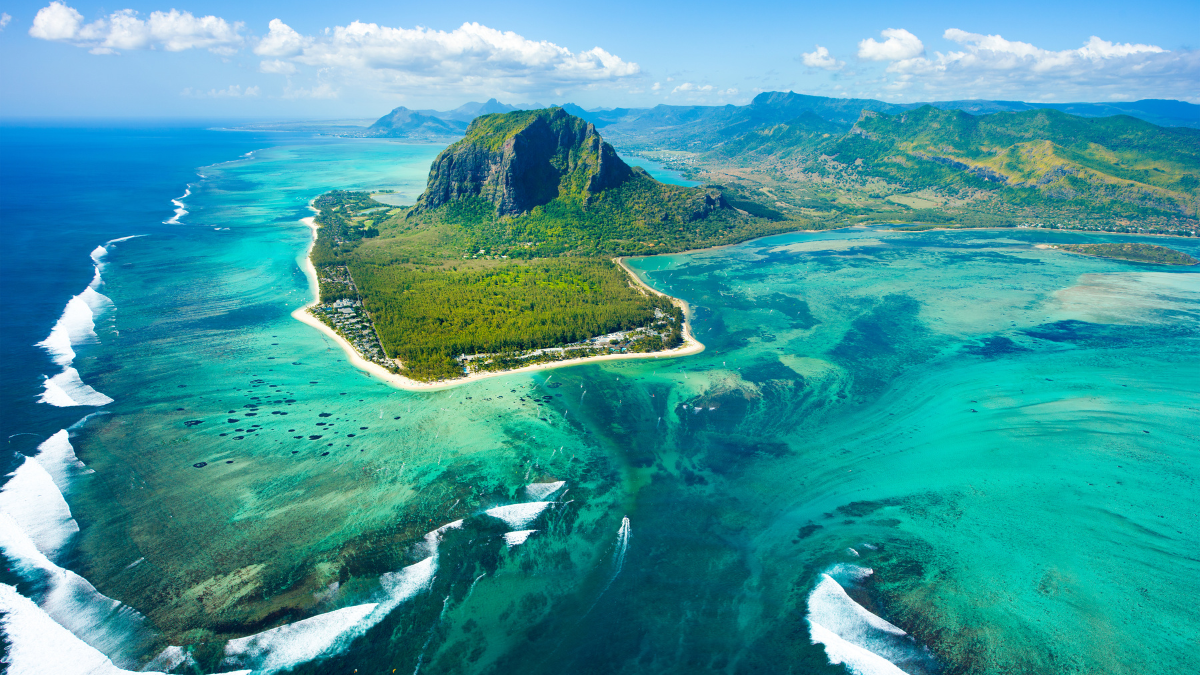
Diving in Mauritius: A Complete Guide
Mauritius offers colorful coral reefs, impressive shipwrecks, and a surprisingly diverse array of marine life. In this guide, you’ll find everything you need to know for a diving vacation in Mauritius.
Diving in Iceland: a complete guide
Diving in Iceland is all about the unique combination of the Silfra Gorge and rugged sea diving along volcanic shores. On a round-trip tour, you will not only discover the underwater world, but also one...
Read moreWhales, sharks, and manta rays: Key insights from the BCSS Impact Report 2025
The BCSS Impact Report 2025 highlights the rich marine life around the Bazaruto Archipelago in Mozambique. From humpback whales and manta rays to endangered sharks, the study confirms why this area is one of Africa’s...
Read moreDiving vacation with a non-diving partner? These destinations are perfect for both of you
Not every diving vacation has to revolve entirely around diving. These destinations offer plenty of above-water activities so divers and non-divers alike can have a great trip.
Diving with wild dolphins: where do you have the best chance?
Encounters with wild dolphins are among the most beautiful experiences you can have as a diver. Find out where worldwide you have the greatest chance of encountering these intelligent marine mammals in their natural habitat.
Diving with (tiger) sharks: how to prepare?
Diving with tiger sharks is less scary than many people think, provided you enter the water well prepared. With the right experience, calm demeanor and respect for the animals, these encounters often become unforgettable dives.
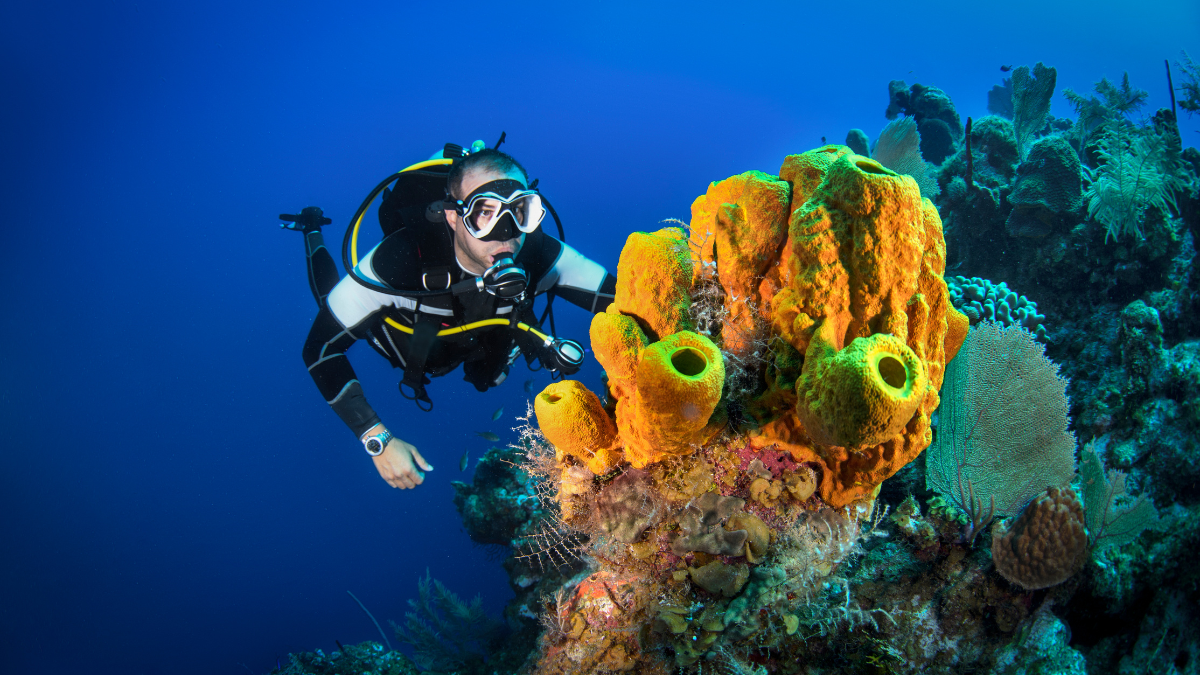
Our favorite diving destinations in the Caribbean
Not every Caribbean destination is known as a true diving hotspot. In this blog you’ll discover which islands are best suited for diving, where exactly you should be for big animals, wrecks or macro, and...
Read moreDiving destinations in the Caribbean
The Caribbean offers much more variety than just tropical reefs and clear water. In this blog you will discover which destination best suits your needs: from pelagic life and unique dives to adventure above water...
Read moreWhy some dive destinations fill up years in advance
Some dive destinations and liveaboards fill up quickly due to limited capacity, short peak seasons and high international demand. Especially popular itineraries and high-end liveaboards in destinations such as Raja Ampat, Galápagos, Socorro and Egypt...
Read moreDiscounted admission to Socorro: this is what you need to know about the new park fees
As of Jan. 1, 2025, park fees for Socorro doubled, but thanks to new exceptions and discounts, many travelers can save big. And that’s good news, because Socorro, with its manta rays, sharks and spectacular...
Read moreMetric vs imperial system in diving: what are the differences?
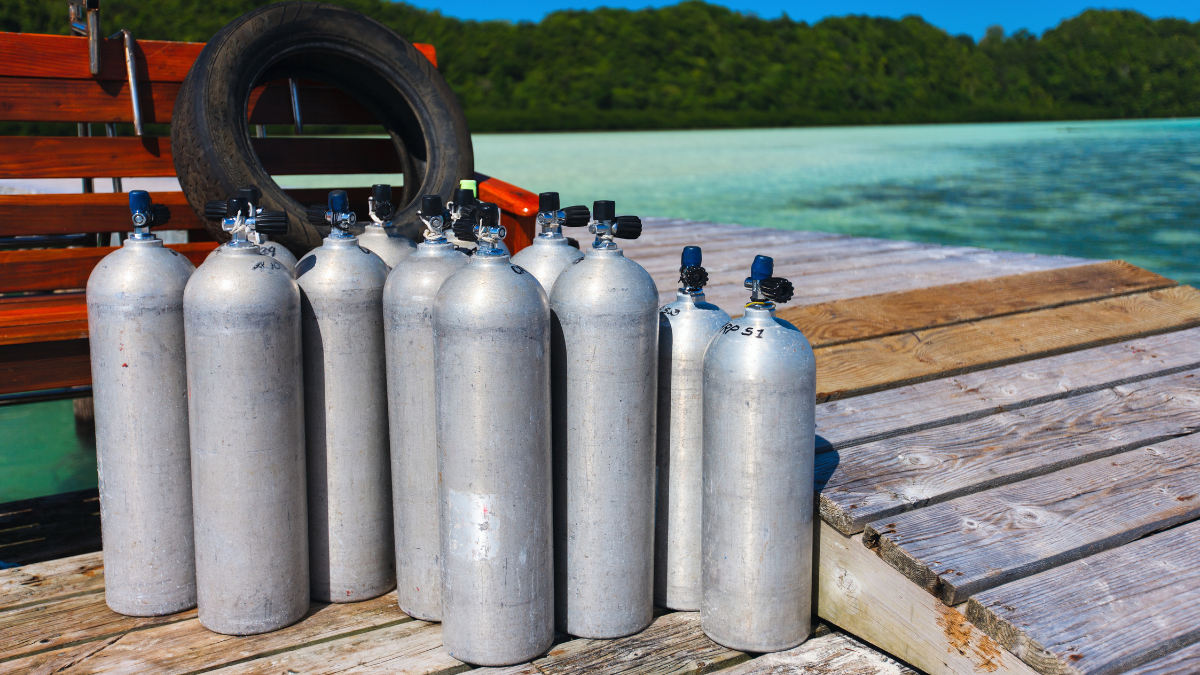
In Europe we usually dive with the metric system (BAR, meters and liters), while many American and Caribbean dive destinations work with the imperial system (PSI, feet and cubic feet). Especially in Florida, Mexico and...
Read moreDiving with hammerhead sharks in Mikomoto, Japan
Mikomoto Island in Japan is known for spectacular encounters with large schools of hammerhead sharks. In this blog you will read what to expect underwater, when you have the best chance and why this dive...
Read moreDiving in Japan: the different regions
Japan is a surprisingly diverse diving destination with huge differences between its regions. From hammerhead sharks and manta rays to ice diving and unique underwater landscapes, each region has its own character.
Bahamas trip report – Diving with sharks with the Bahamas Aggressor II
The Bahamas is one of the best destinations in the world for shark diving. Read what her trip to Tiger Beach was like in Margriet’s travelogue.
Diving in Dominica: a complete guide
Dominica offers a unique diving experience with volcanic landscapes, pristine reefs and impressive marine life. In addition, the combination of nature above and below the water and the presence of sperm whales makes this destination...
Read moreTrip report – Bram’s liveaboard trip in Egypt: Brothers, Daedalus & Elphinstone
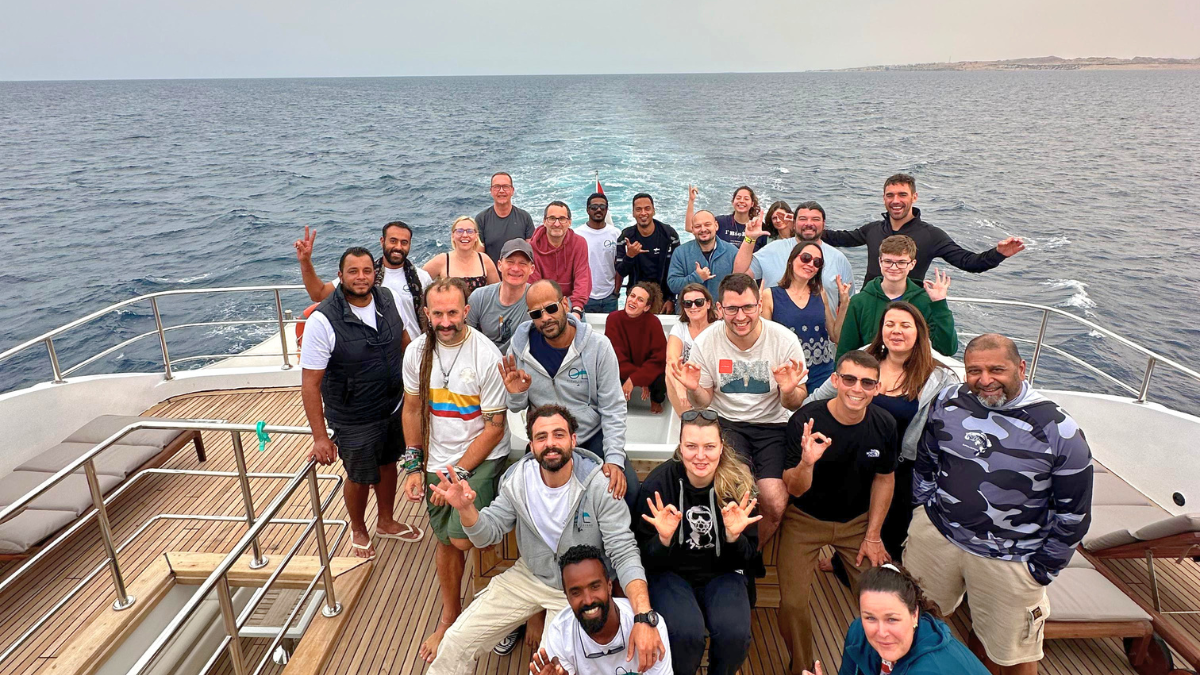
Bram takes you along the iconic NDE route in Egypt, with strong currents, deep blue dives and encounters with large pelagic species. An honest and inspiring account that gives you a good idea of what...
Read more6 places to see humpback whales
Humpback whales are one of the largest and friendliest marine animals you can encounter. At these five destinations, you’ll get a chance to see them up close – and sometimes even snorkel with them.
Why ecological excursions are essential for sustainable diving and wildlife tours
What are ecological excursions and why do they matter? Learn how to consciously choose to dive sustainably and protect whale sharks and coral reefs.
Best dive destinations by month (July to December)
Discover the best diving destinations from July to August. Per month 4 top dive sites and why you should go there during that period.
Best dive destinations by month (January to June)
Discover the best diving destinations from January to June. Per month 4 top dive sites with ideal conditions and unique underwater experiences.
Trip report Bonaire: a day of diving in Slagbaai
Wondering what a diving day on Bonaire looks like? In this trip report, we drive to Washington Slagbaai National Park for a reef dive at Slagbaai and end the day with a special night dive...
Read moreThe best wreck diving destinations
Want to explore multiple impressive wrecks during one dive trip? These six destinations offer historic ships, clear waters and unforgettable wreck experiences for any diving enthusiast.