Diving in Raja Ampat: The Last Paradise on Earth
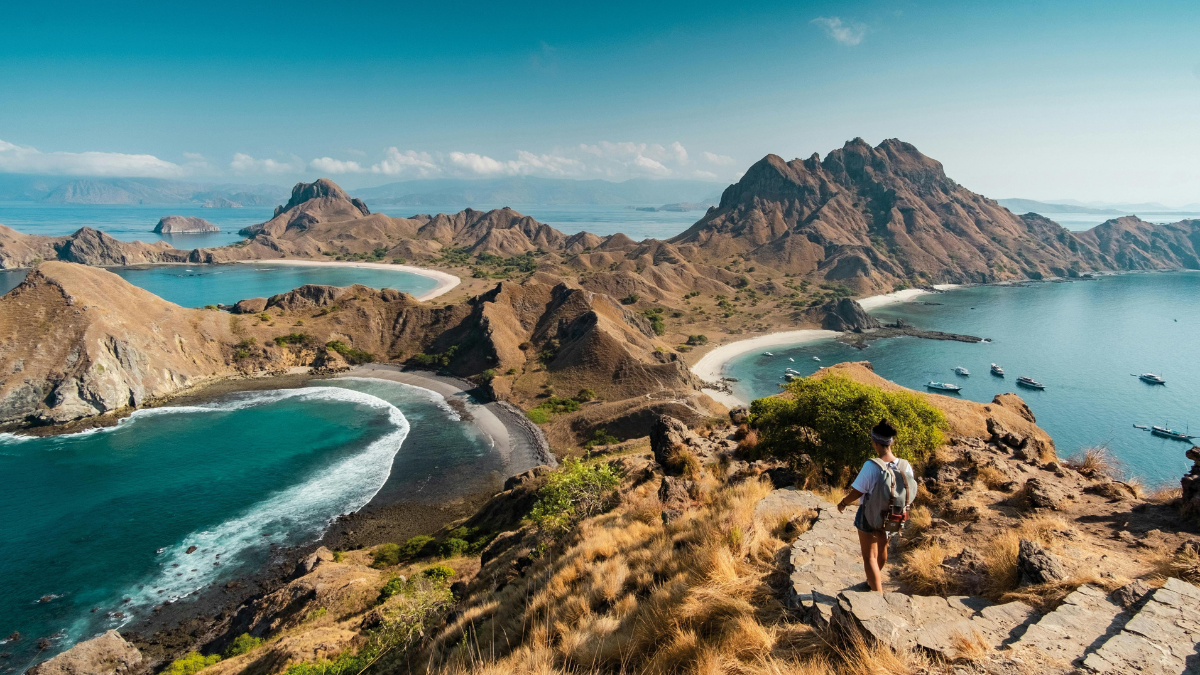
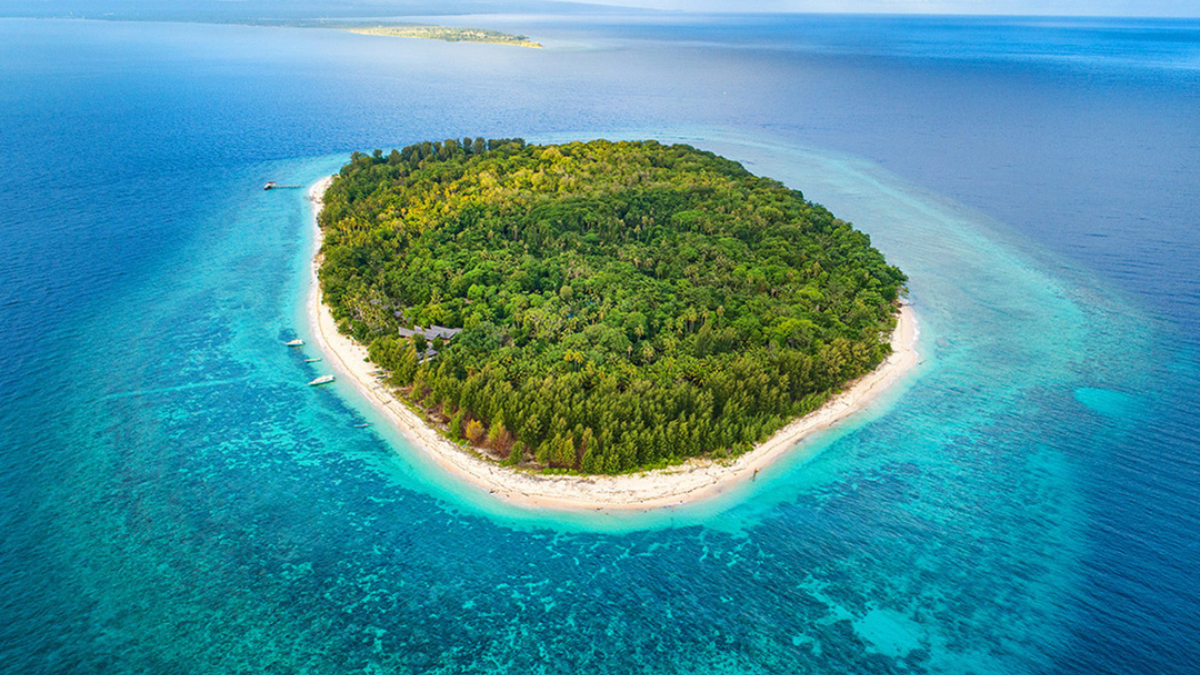
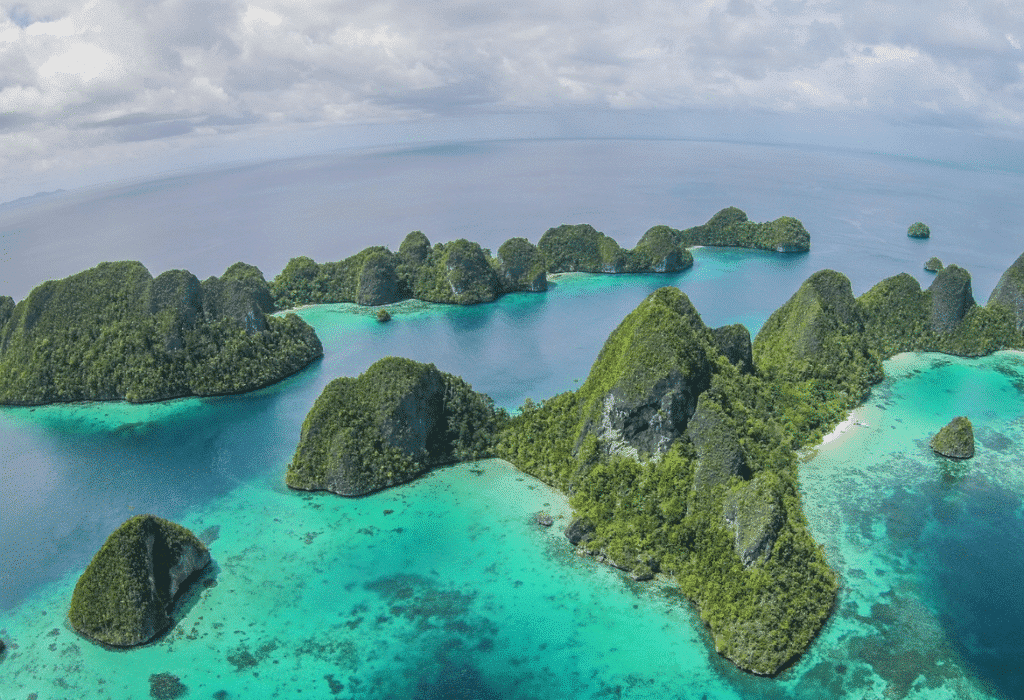
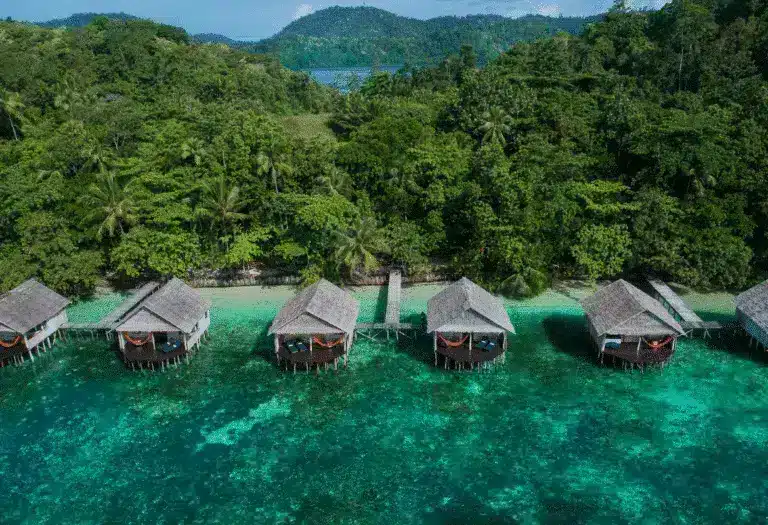
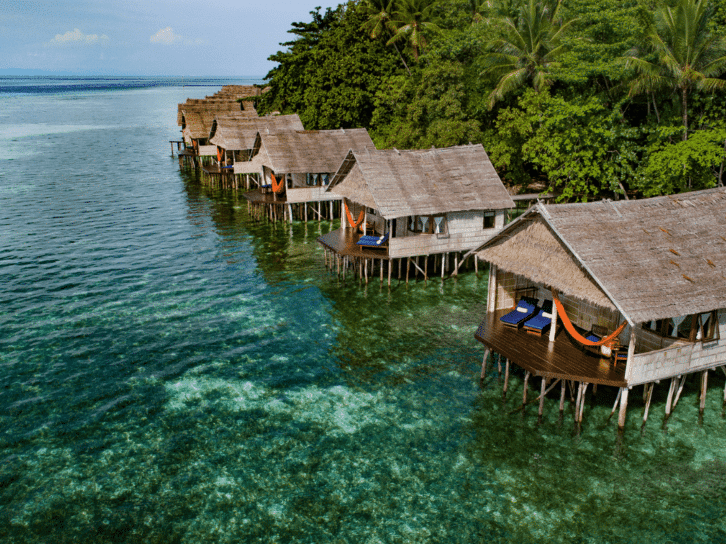
Raja Ampat is often described as the last paradise on Earth. As soon as you see the hundreds of jungle-covered islets, turquoise lagoons, and pristine coral reefs, you’ll immediately understand why. This remote archipelago in eastern Indonesia is one of the most spectacular diving destinations in the world and ranks high on many divers’ bucket lists.
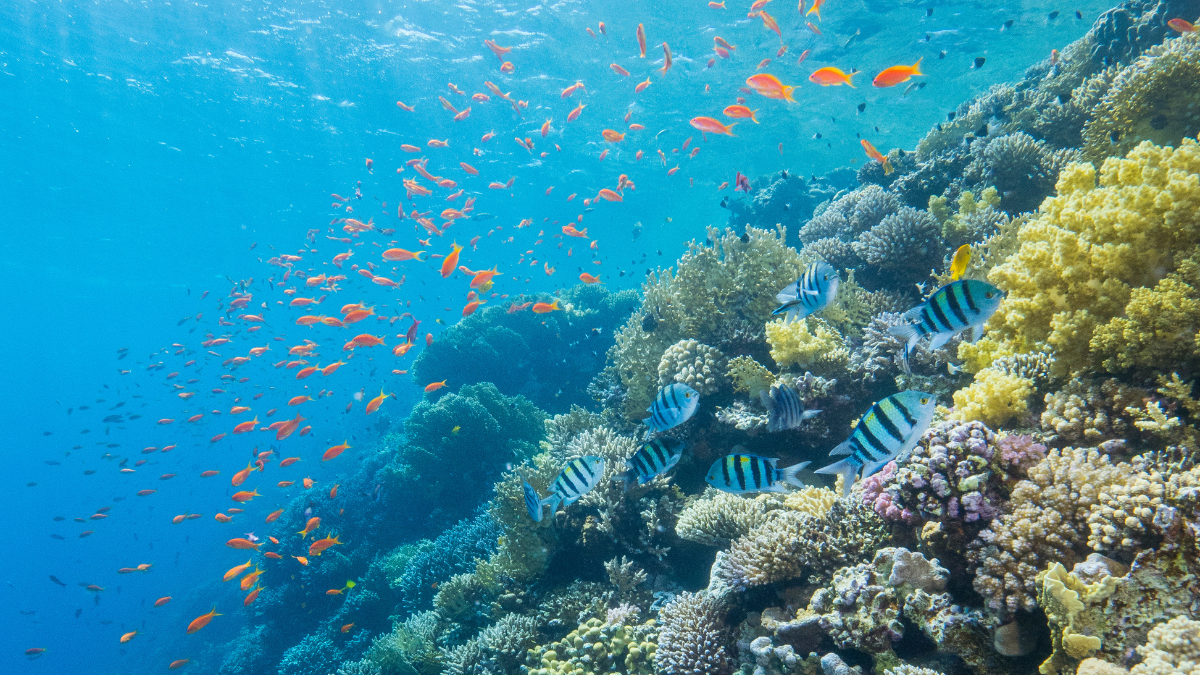
Beneath the water’s surface lies a world that is virtually unparalleled. Colorful coral gardens, schools of reef fish, manta rays, wobbegong sharks, and countless macro species make every dive unique. Raja Ampat is located in the heart of the Coral Triangle, the area with the highest marine biodiversity in the world. Nowhere else will you find so many different species of corals, fish, and other marine life in one place.
In this guide, you’ll find everything you need to know about diving in Raja Ampat—from the best time to visit and diving conditions to the marine life and the choice between a resort and a liveaboard.
Where is Raja Ampat located?
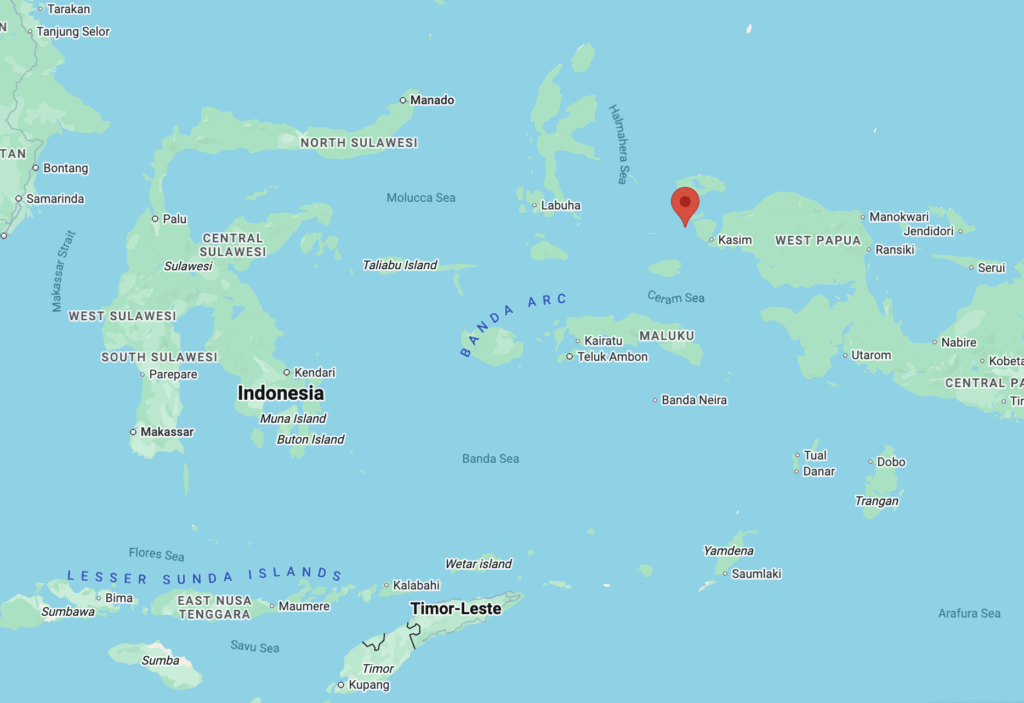
Raja Ampat is located off the northwest coast of West Papua in Indonesia. The name literally means “Four Kings” and refers to the four largest islands in the archipelago: Waigeo, Batanta, Salawati, and Misool.
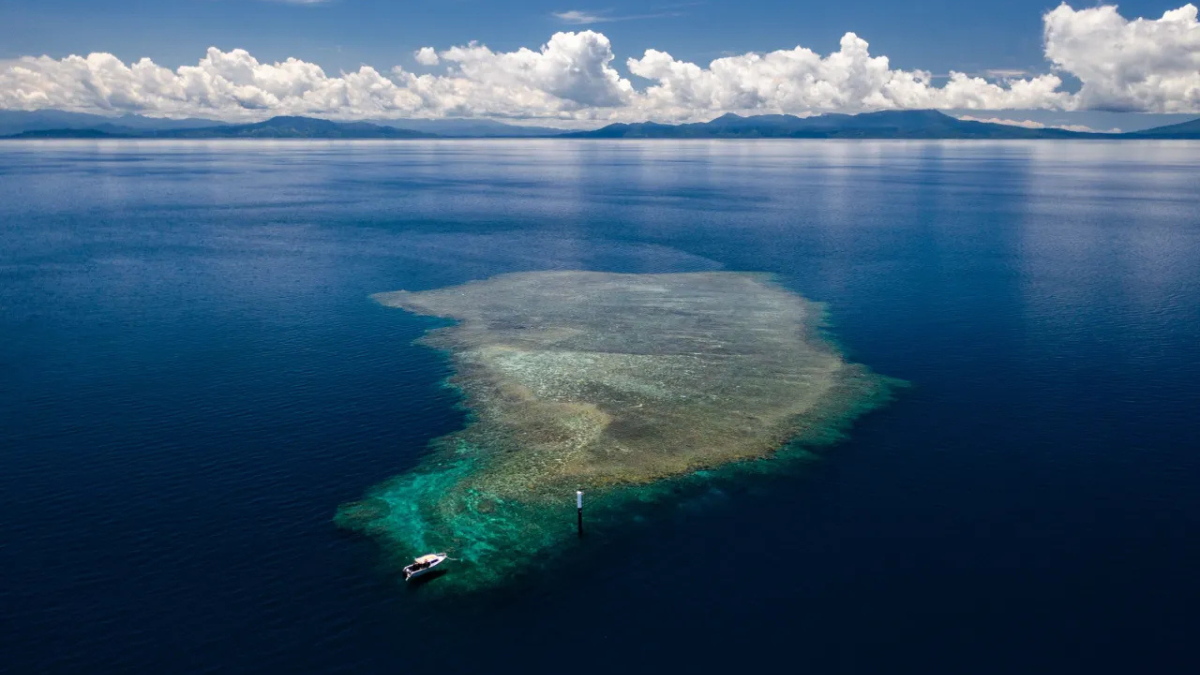
The archipelago consists of more than 1,500 islets, limestone rock formations, reefs, and sandbars scattered across a vast area. Many of these islets are uninhabited and surrounded by pristine reefs.
Raja Ampat is located in the heart of the Coral Triangle, a region that spans parts of Indonesia, Malaysia, Papua New Guinea, the Philippines, the Solomon Islands, and Timor-Leste. This region is considered the center of marine biodiversity on Earth.
How do you get to Raja Ampat?
A trip to Raja Ampat requires a bit more planning than the average diving vacation, but the destination makes the trip more than worth it.
From the Netherlands, you usually fly via Jakarta, Singapore, or Manado to Sorong, the gateway to Raja Ampat. From Sorong, you continue your journey by speedboat or ferry to your resort or the harbor where the liveaboard departs.
Depending on the accommodation you choose, the boat transfer takes between one and a few hours. Precisely because Raja Ampat is relatively remote, the reefs here are still exceptionally well-preserved.
What makes Raja Ampat so special?
Raja Ampat is known worldwide as the region with the highest marine biodiversity in the world. Scientists have recorded more than 600 species of stony corals and over 1,700 species of fish here.
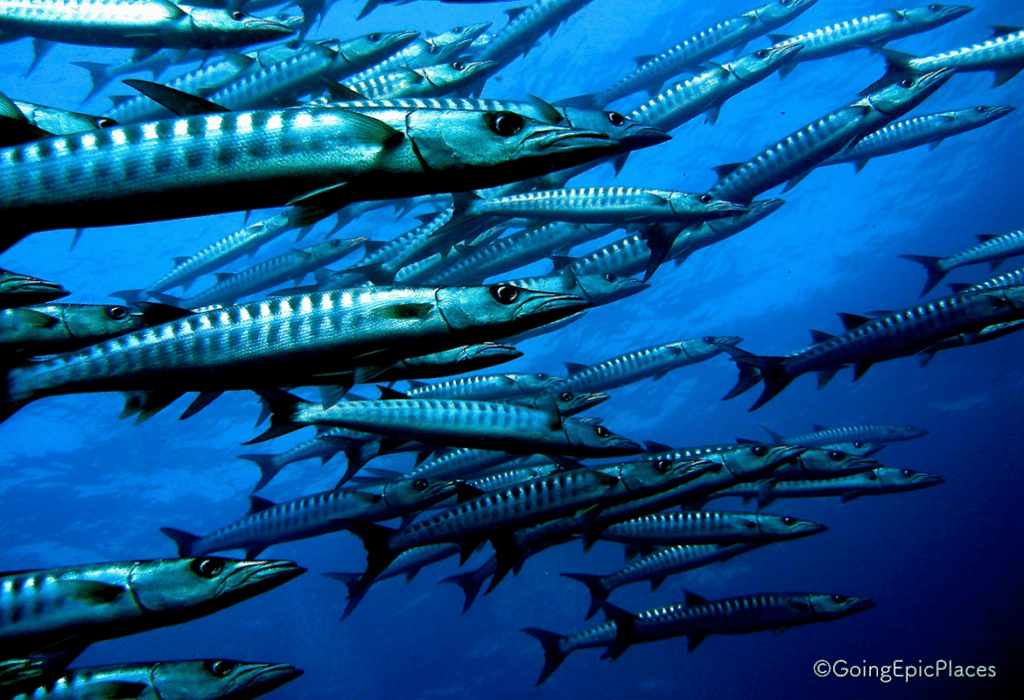
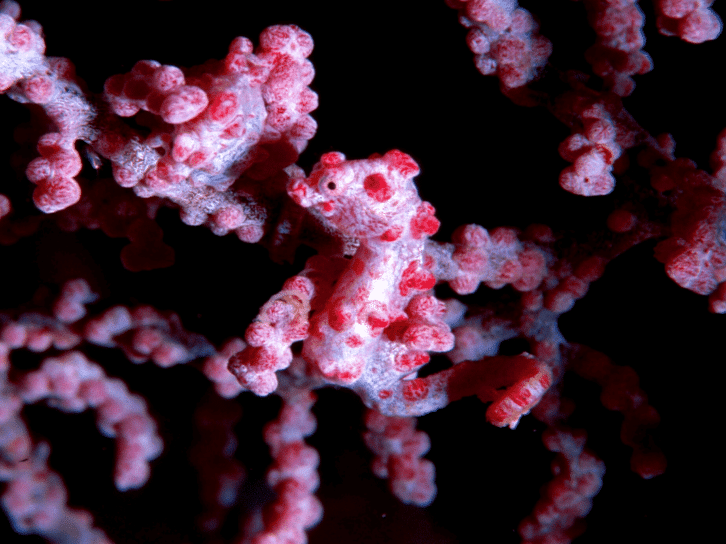
But numbers only tell part of the story. What makes Raja Ampat truly special is the enormous variety you can experience during a single dive. As you glide past a colorful reef, you’ll pass schools of barracuda, tuna, and reef sharks. Among the corals, you’ll discover pygmy seahorses, nudibranchs, and other tiny inhabitants that only a keen eye can spot. Sometimes visibility suddenly disappears because there are so many fish swimming all around you. It’s something that might be hard to imagine if you’ve never seen it before.
Raja Ampat is impressive above water as well. Steep limestone islets rise out of the clear blue water, hidden lagoons lie tucked away among the rocks, and mangrove forests provide an important habitat for countless animal species.
Diving in Raja Ampat
Diving in Raja Ampat is all about biodiversity. Virtually every dive offers an impressive array of marine life, from the smallest macro species to large pelagic fish.
The dive sites are incredibly varied. You’ll find colorful coral gardens, steep walls, underwater mountains, mangroves, channels with currents, and sheltered bays. Because of this, no two dives are ever the same.
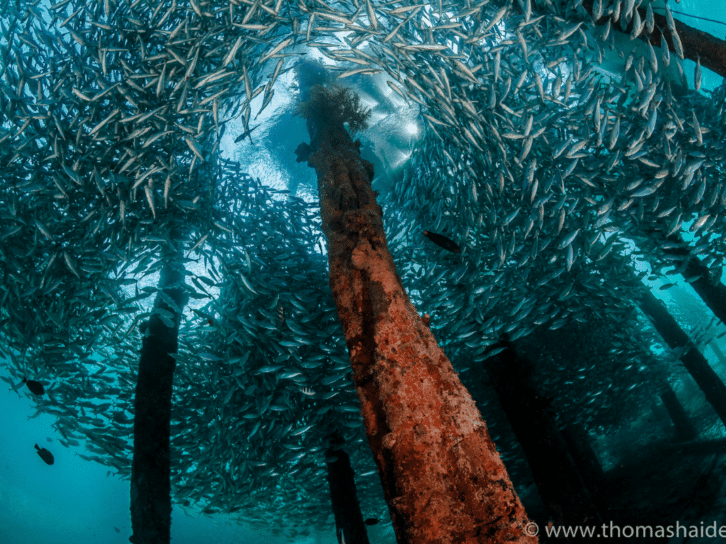
A large part of Raja Ampat’s appeal lies in its healthy reefs. The corals are often in excellent condition and provide a home for thousands of species of fish and invertebrates. At many dive sites, you can see enormous schools of fusiliers, snappers, and sweetlips hovering above the reef.
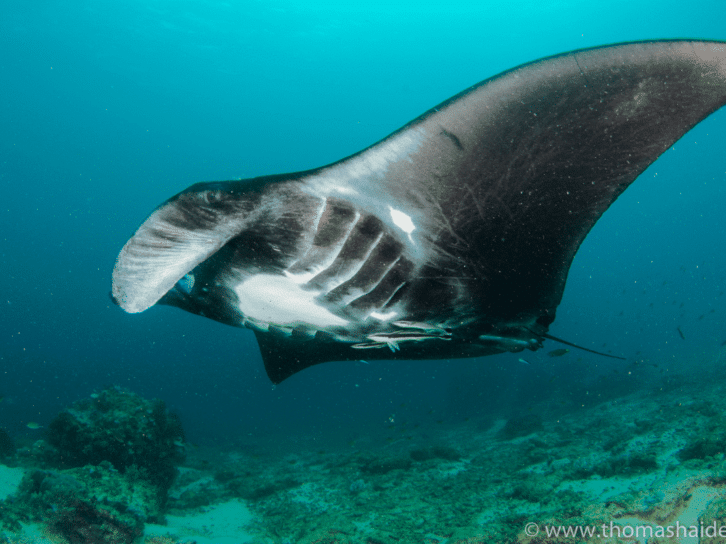
Raja Ampat is also known for the high likelihood of encountering manta rays. These impressive animals gather at various cleaning stations to be cleaned by small reef fish.
For underwater photographers, Raja Ampat is a dream destination. Both fans of wide-angle photography and macro photography will find plenty to enjoy here.
Where to dive in Raja Ampat?
With more than 1,500 islands, reefs, and sandbars, Raja Ampat is much larger than many divers realize. The archipelago spans a vast area in West Papua and consists of several diving regions, each with its own unique character.
Broadly speaking, Raja Ampat is divided into three main regions: North Raja Ampat, Central Raja Ampat, and South Raja Ampat (Misool). Although you’ll find spectacular reefs and tremendous biodiversity everywhere, the landscapes, diving conditions, and underwater experiences vary by region.
The north is known for its famous dive sites around Kri, Gam, Waigeo, and Arborek, where schools of fish, manta rays, and wobbegong sharks are a common sight. In the central part of Raja Ampat lies the Dampier Strait, the beating heart of the archipelago and one of Indonesia’s most fish-rich areas. This is also where the Fam Islands are located, home to the famous coral gardens of Melissa’s Garden. In the far south lies Misool, a remote region known for its pristine reefs, colorful soft corals, and impressive underwater landscapes.
Below is an overview of the main diving areas in Raja Ampat.
Northern Raja Ampat: Kri, Gam, Waigeo, and Arborek
For many divers, the northern part of Raja Ampat is their first introduction to the archipelago. Here you’ll find many of the well-known resorts and some of Raja Ampat’s most famous dive sites.
This area is known for:
- Large schools of reef fish
- Wobbegong sharks
- Mantas
- Healthy coral reefs
- Excellent house reefs
- A good mix of macro and wide-angle photography
Many of the resorts we partner with as EWDR are located in this region, including Kri Eco Resort, Sorido Bay Resort, Papua Explorers, Raja Ampat Biodiversity Resort, and Papua Paradise Eco Resort.
Central Raja Ampat: Dampier Strait and the Fam Islands
Many divers consider Central Raja Ampat to be the most fish-rich part of the archipelago. The strong tidal currents ensure a constant supply of nutrient-rich water, making the underwater life here exceptionally abundant.
Among other things, you might come across the following here:
- Large schools of barracudas
- Tuna
- Jacks
- Reef Sharks
- Mantas
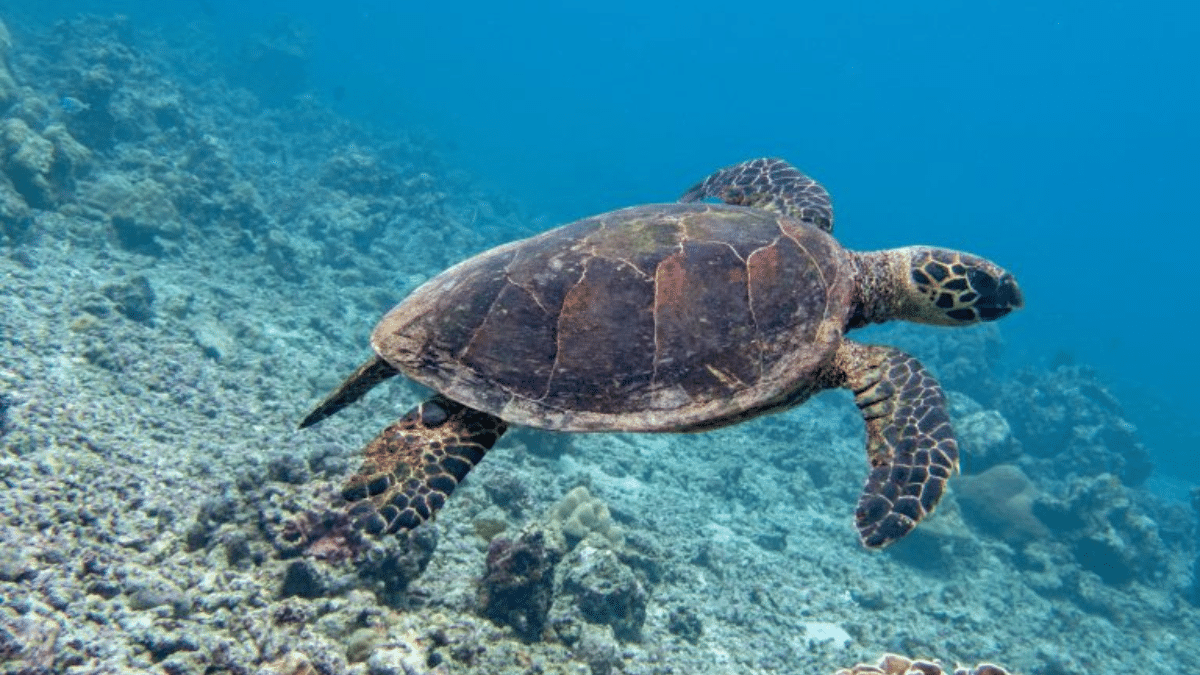
- Turtles
- Huge schools of fusiliers and snappers
This area is also home to some of Raja Ampat’s most famous dive sites, including Cape Kri, Blue Magic, Sardine Reef, Melissa’s Garden, and Manta Sandy.
South Raja Ampat: Misool
Misool is located in the far south of Raja Ampat and is considered by many experienced divers to be the highlight of the archipelago. Due to its remote location, the reefs here have remained exceptionally well-preserved.
Misool is known for:
- Pristine reefs
- Spectacular soft corals
- Impressive underwater landscapes
- High chance of seeing manta rays
- Excellent macro photography
- Relatively few visitors
Because of its distance from Sorong, Misool is often visited on liveaboards, although there are also a few resorts in this region.
Best Season for Diving in Raja Ampat
Raja Ampat is a destination that offers excellent diving all year round. However, there are some regional differences.
For the northern part of Raja Ampat—which includes Kri, Waigeo, and many well-known resorts—the months of October through April are often considered the best time to visit. The sea is generally calmer, and conditions are often favorable.
Misool, in the southern part of Raja Ampat, is known for its excellent diving conditions for much of the year.
Because Raja Ampat is so vast, there are always areas where conditions are better than elsewhere. That’s why both resorts and liveaboards remain open year-round.
Temperature, visibility, and current
The water temperature in Raja Ampat ranges between 27 and 30 °C for most of the year. As a result, thick wetsuits are usually not necessary.
Visibility varies depending on location, season, and tides. On average, visibility ranges from 15 to 30 meters. During some dives, visibility can be even better.
Currents play an important role in Raja Ampat. It is precisely these currents that bring in the nutrients that make the underwater life so abundant. Some dive sites have hardly any current, while other locations are known for their strong drift dives.
As a result, Raja Ampat is suitable for both beginner and experienced divers, although some dive sites are best suited for divers with experience in drift diving. An Advanced Open Water certification is not required, but is often recommended to fully enjoy the destination.
Underwater Life in Raja Ampat: What Can You Expect During Your Dive?
Raja Ampat is known as the area with the highest marine biodiversity in the world. During a single dive, you can encounter both large pelagic species and rare macro species. The overview below gives you an idea of what to expect, but it is by no means exhaustive.
Large Species & Marine Mammals
- Reef manta rays
- Oceanic manta rays
- Dolphins
- Minke whales (occasionally)
- Whale sharks (occasionally)
- Green sea turtles
- Hawksbill Turtles
Sharks & Predatory Fish
- Wobbegong sharks
- Grey reef sharks
- Black tip reef sharks
- White tip reef sharks
- Tuna
- Barracudas
- Giant trevallies
- Jacks
Reefs & Corals
- More than 600 species of stony corals
- Vast coral gardens
- Fan corals
- Soft corals
- Sponge Formations
- Steep coral walls
Reef fish & schools
- Fusiliers
- Snappers
- Sweetlips
- Anthias
- Butterflyfish
- Angelfish
- Clownfish
- Surgeonfish
Macro & Muck
- Pygmy seahorses
- Ghost pipefish
- Frogfish
- Slugs
- Decorator crabs
- Harlequin shrimp
- Mantis shrimp
- Various species of shrimp and crab
Special Species
- Walking sharks (epaulette sharks)
- Wobbegong sharks
- Crocodilefish
- Leaf scorpionfish
- Rhinopias (sporadic)
- Juvenile sweetlips and batfish
Also experience this diving trip?
Papua Paradise Eco Resort – Golden Triangle
Comfortable resort among the best dive sites in the world.
Also perhaps interesting
Diving in Papua New Guinea: a complete guide
Diving in Papua New Guinea is a unique experience in the heart of the Coral Triangle. Discover colorful reefs, extraordinary marine life, historic shipwrecks, and pristine dive sites.
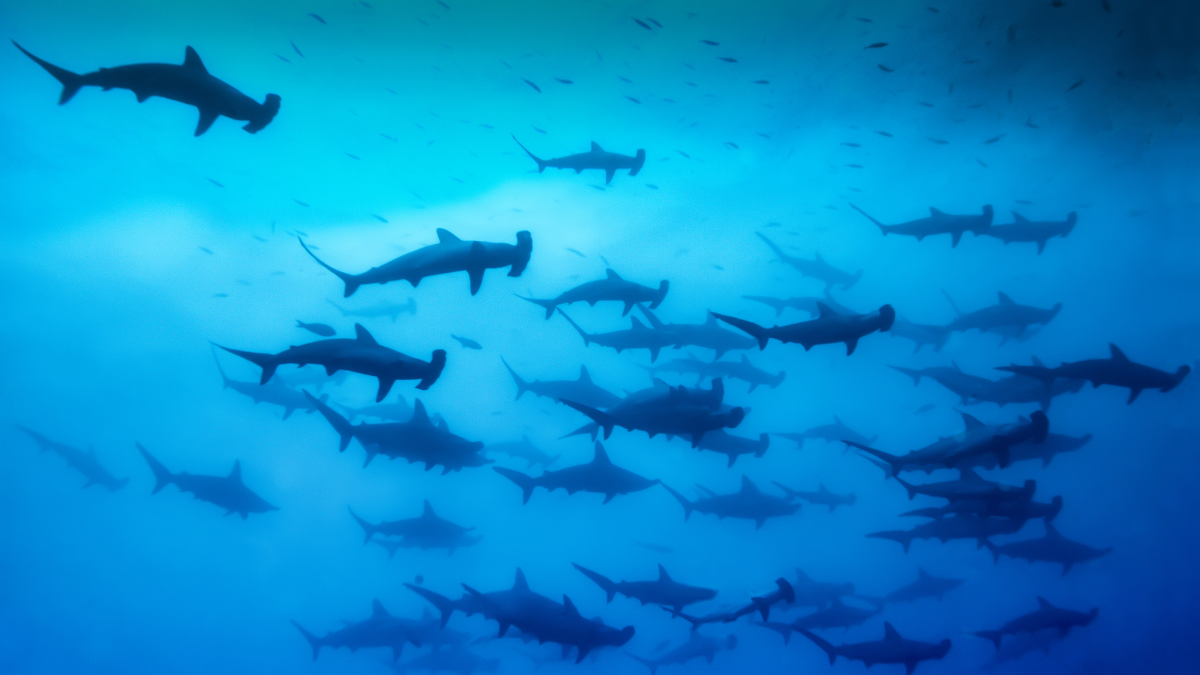
Diving with hammerhead sharks: What are the best destinations?
Discover the best destinations in the world for diving with hammerhead sharks. Find out where you’re most likely to encounter them, when the best time to travel is, and what diving certification is required.
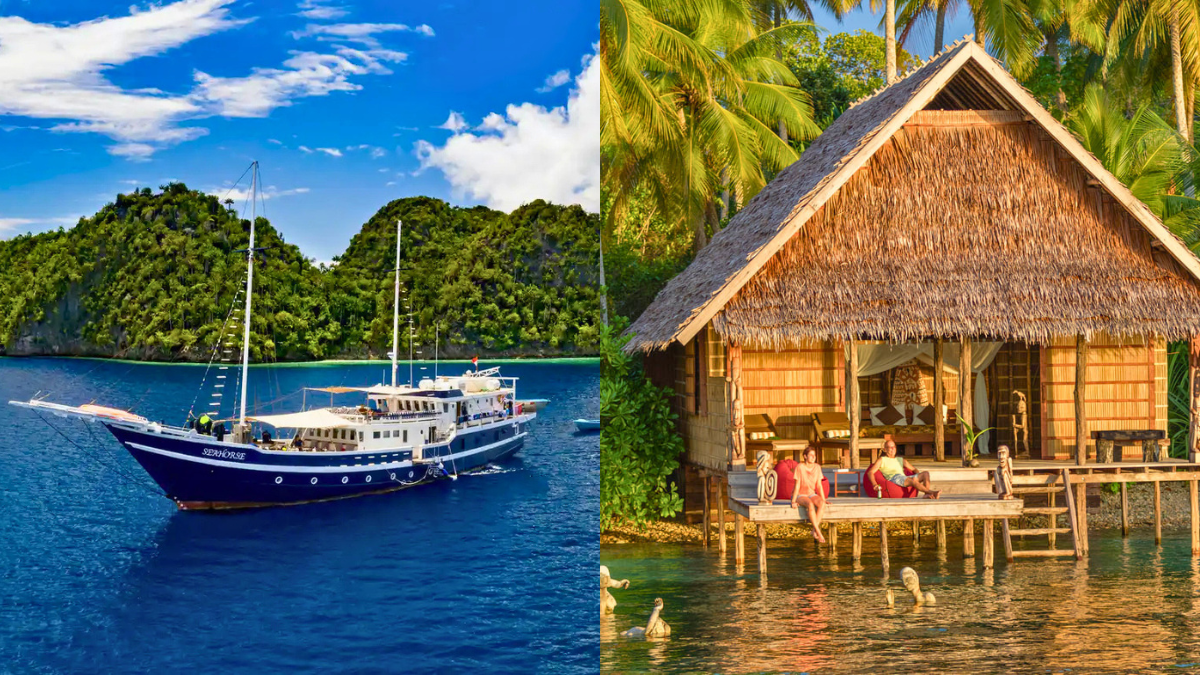
Diving Trip to Raja Ampat: Resort or Liveaboard?
Are you trying to decide between a liveaboard and a dive resort in Raja Ampat? In this blog, we’ll explain the differences and help you determine which type of trip best suits your needs.
Diving in Mauritius: A Complete Guide
Mauritius offers colorful coral reefs, impressive shipwrecks, and a surprisingly diverse array of marine life. In this guide, you’ll find everything you need to know for a diving vacation in Mauritius.
Diving in Iceland: a complete guide
Diving in Iceland is all about the unique combination of the Silfra Gorge and rugged sea diving along volcanic shores. On a round-trip tour, you will not only discover the underwater world, but also one...
Read moreWhales, sharks, and manta rays: Key insights from the BCSS Impact Report 2025
The BCSS Impact Report 2025 highlights the rich marine life around the Bazaruto Archipelago in Mozambique. From humpback whales and manta rays to endangered sharks, the study confirms why this area is one of Africa’s...
Read moreDiving vacation with a non-diving partner? These destinations are perfect for both of you
Not every diving vacation has to revolve entirely around diving. These destinations offer plenty of above-water activities so divers and non-divers alike can have a great trip.
Diving with wild dolphins: where do you have the best chance?
Encounters with wild dolphins are among the most beautiful experiences you can have as a diver. Find out where worldwide you have the greatest chance of encountering these intelligent marine mammals in their natural habitat.
Diving with (tiger) sharks: how to prepare?
Diving with tiger sharks is less scary than many people think, provided you enter the water well prepared. With the right experience, calm demeanor and respect for the animals, these encounters often become unforgettable dives.
Our favorite diving destinations in the Caribbean
Not every Caribbean destination is known as a true diving hotspot. In this blog you’ll discover which islands are best suited for diving, where exactly you should be for big animals, wrecks or macro, and...
Read moreDiving destinations in the Caribbean
The Caribbean offers much more variety than just tropical reefs and clear water. In this blog you will discover which destination best suits your needs: from pelagic life and unique dives to adventure above water...
Read moreWhy some dive destinations fill up years in advance
Some dive destinations and liveaboards fill up quickly due to limited capacity, short peak seasons and high international demand. Especially popular itineraries and high-end liveaboards in destinations such as Raja Ampat, Galápagos, Socorro and Egypt...
Read moreDiscounted admission to Socorro: this is what you need to know about the new park fees
As of Jan. 1, 2025, park fees for Socorro doubled, but thanks to new exceptions and discounts, many travelers can save big. And that’s good news, because Socorro, with its manta rays, sharks and spectacular...
Read moreMetric vs imperial system in diving: what are the differences?
In Europe we usually dive with the metric system (BAR, meters and liters), while many American and Caribbean dive destinations work with the imperial system (PSI, feet and cubic feet). Especially in Florida, Mexico and...
Read moreDiving with hammerhead sharks in Mikomoto, Japan
Mikomoto Island in Japan is known for spectacular encounters with large schools of hammerhead sharks. In this blog you will read what to expect underwater, when you have the best chance and why this dive...
Read moreDiving in Japan: the different regions
Japan is a surprisingly diverse diving destination with huge differences between its regions. From hammerhead sharks and manta rays to ice diving and unique underwater landscapes, each region has its own character.
Bahamas trip report – Diving with sharks with the Bahamas Aggressor II
The Bahamas is one of the best destinations in the world for shark diving. Read what her trip to Tiger Beach was like in Margriet’s travelogue.
Diving in Dominica: a complete guide
Dominica offers a unique diving experience with volcanic landscapes, pristine reefs and impressive marine life. In addition, the combination of nature above and below the water and the presence of sperm whales makes this destination...
Read moreTrip report – Bram’s liveaboard trip in Egypt: Brothers, Daedalus & Elphinstone
Bram takes you along the iconic NDE route in Egypt, with strong currents, deep blue dives and encounters with large pelagic species. An honest and inspiring account that gives you a good idea of what...
Read more6 places to see humpback whales
Humpback whales are one of the largest and friendliest marine animals you can encounter. At these five destinations, you’ll get a chance to see them up close – and sometimes even snorkel with them.
Why ecological excursions are essential for sustainable diving and wildlife tours
What are ecological excursions and why do they matter? Learn how to consciously choose to dive sustainably and protect whale sharks and coral reefs.
Best dive destinations by month (July to December)
Discover the best diving destinations from July to August. Per month 4 top dive sites and why you should go there during that period.
Best dive destinations by month (January to June)
Discover the best diving destinations from January to June. Per month 4 top dive sites with ideal conditions and unique underwater experiences.
Trip report Bonaire: a day of diving in Slagbaai
Wondering what a diving day on Bonaire looks like? In this trip report, we drive to Washington Slagbaai National Park for a reef dive at Slagbaai and end the day with a special night dive...
Read more