10 activities on Bonaire that have nothing to do with diving

In the beautiful waters surrounding Bonaire, the lure of diving beckons, but did you know there is so much more to do on Bonaire? This blog is dedicated to vacationers who are also curious about what the island has to offer beyond the underwater world. Discover with us the top 10 activities on Bonaire.

Activiteit mangrove bonaire kajakken

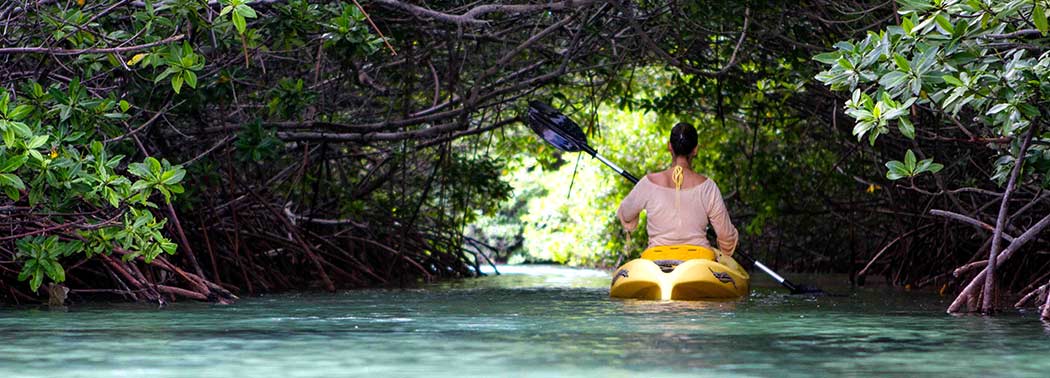
1. Kayaking & snorkeling in the mangrove area of Lac Bay

The Lac Bay mangrove forest is one of the best-preserved mangrove forests in the Caribbean. In this area you will find three different types of mangrove trees in crystal clear water. As you kayak, you’ll understand why we call this area “the nursery. During the one- or two-hour kayak tours, you will be taken to snorkel through a mangrove channel, among other things. This offers an interesting perspective that visitors to Bonaire rarely experience. Between the mangroves and the barrier reef you will discover large areas covered with seagrass, crucial for the habitat of queen crown snails and other marine animals such as baby rays, lobsters and seahorses. Seagrass also plays an important role in filtering water in Lac Bay, keeping it clear. You book this excursion through the Mangrove Info Center.

2. Explore the caves of Bonaire

Bonaire has more than 200 caves, some with fresh water, essential for local wild goats. Four are accessible to people, including one with a ladder. The caves reveal beautiful formations such as stalagmites and stalactites, they also house various animals such as bats. Conservationists and cavers still have a big job to do to explore and protect this underground world. You’re not allowed to enter the caves without a guide; besides being forbidden, it’s just plain dangerous. But good news! There are special cave tours you can join to explore the caves. Good to know, to explore the caves, you have to descend via ladder, stairs or even with ropes over the rocks, especially in the cave where you can swim and snorkel.

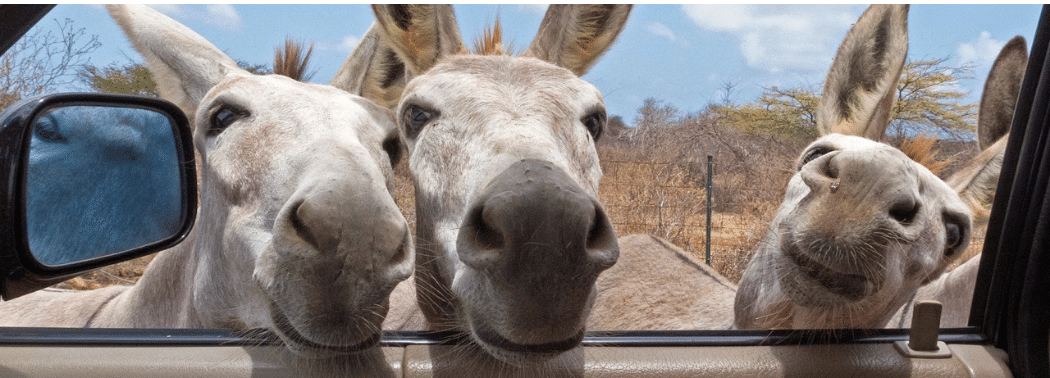
3. Visiting the donkeys at Donkey Sanctuary Bonaire

The Donkey Sanctuary Bonaire is home to as many as 800 donkeys. The Donkey Sanctuary provides them with food, water and medical care, and promotes awareness about donkeys among islanders, schools and tourists. Volunteers help in emergency situations with wild donkeys and sick animals are cared for at the shelter, with help from a veterinarian if needed. Visitors are welcome to explore the park, with the opportunity to buy grass chunks and feed the curious donkeys. Driving around is allowed by car, golf cart, scooter or bicycle. Walking around is also possible, of course. For more information, visit the Donkey Sanctuary website.

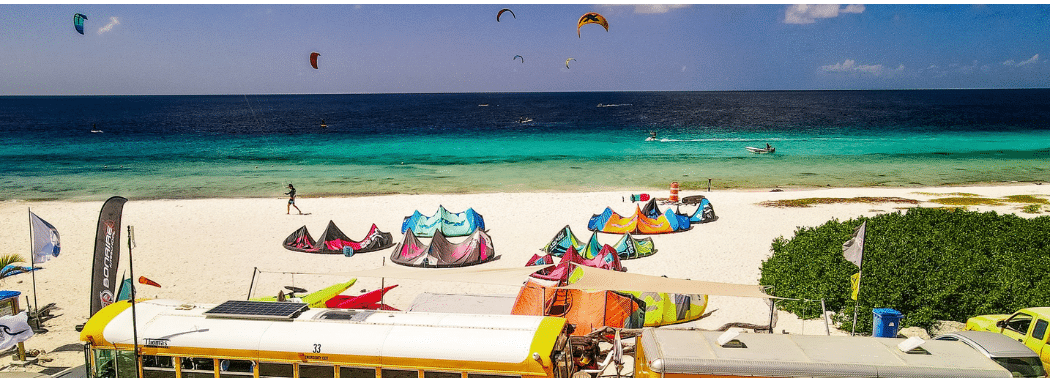
4. Kitesurfing & wingfoiling on Bonaire at Atlantis (Kite-Beach).

In the south of Bonaire, near the salt flats, you’ll find the “dive site” Atlantis, better known today as Kite-Beach. This is the place to learn to kitesurf and wingfoil. You can book 2/3 hour private or semi private lessons where you will learn all about this cool sport. If you can already kite-surf, you can rent equipment here to just do your own thing. There is also an intermediate option called “launch & pick-up,” in which an instructor will keep an eye on you and possibly pick you up if you disappear just a little too far towards Curacao…. pretty handy. Check out the Bonaire Kiteschool website for more information.

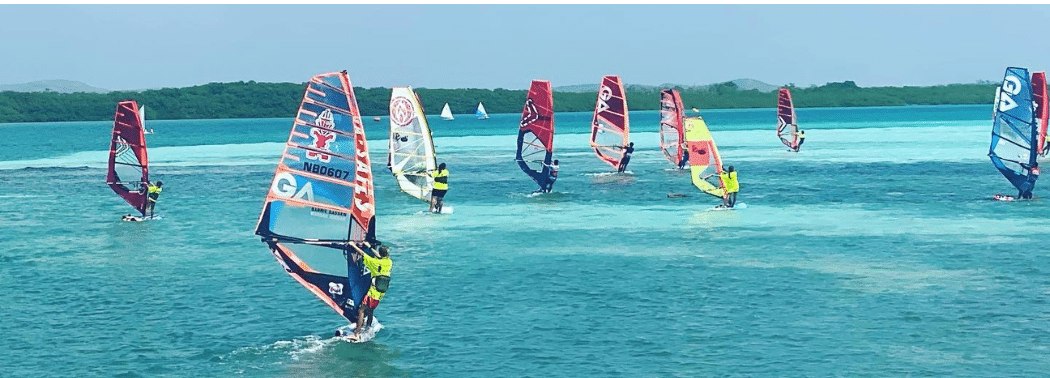
5. Windsurfing on Bonaire at Sorobon/Jibe-City

Besides kite-surfing, you can also windsurf on Bonaire! This is not in the same place but a little more southeast on the island, at Sorobon. This is a very relaxing place to spend a day chilling at a beach club anyway, but that aside for now. The water at Sorobon is about meters high, ideal for windsurfing because if you fall off your board you actually get back on in no time. You can take windsurfing lessons at Jibe-City or just rent equipment if you can already surf.

6. Visit Washington Slagbaai National Park

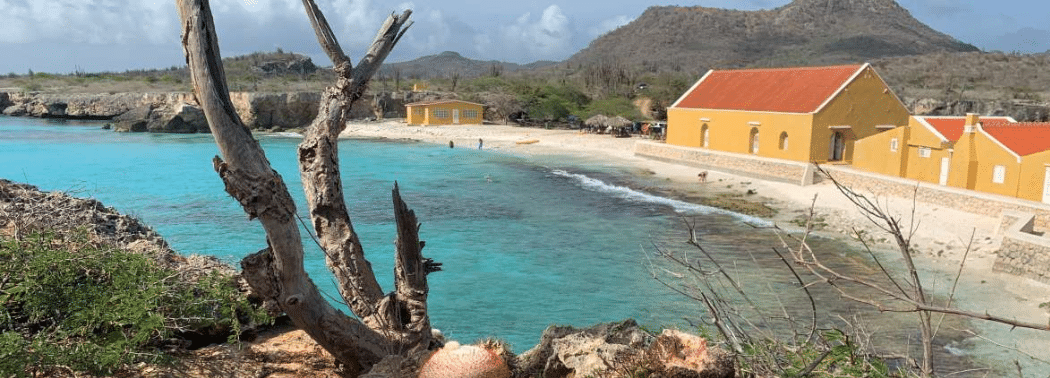
In the very north of Bonaire you will find the Washington Slagbaai National Park. You can explore this park by car, there is a long route (about 3 hours) and a short route (about 1.5 hours). Along the way you will stop at several places where there is something special to see, such as wild cliffs with water gushing up, an old lighthouse, etc.

Washington Slagbaai National Park is a 4,286-acre protected area in northwestern Bonaire. Established in 1969, it is the first nature reserve in the Netherlands Antilles. It provides a safe haven for native and endangered species such as parrots, flamingos, parakeets, iguanas and sea turtles that lay their eggs on the beaches. The park also has a rich historical legacy, once inhabited by South American natives and with two of the largest plantations during the colonial period. The visitor center at the entrance offers a lot of information, you will be given a folder and there is also a museum.

You can also do fantastic hiking here. The park offers three hiking trails, each with orientation signs. The Lagadishi “Lizard” hiking trail is easy and takes 2 hours. The Kasikunda climbing route is moderate and takes 45 minutes. The Subi Brandaris route is difficult and takes 1.5 hours. The Brandaris rises to a height of 241 meters, making the top of the mountain the highest point Bonaire marks.

7. Visit Klein-Bonaire for swimming & snorkeling

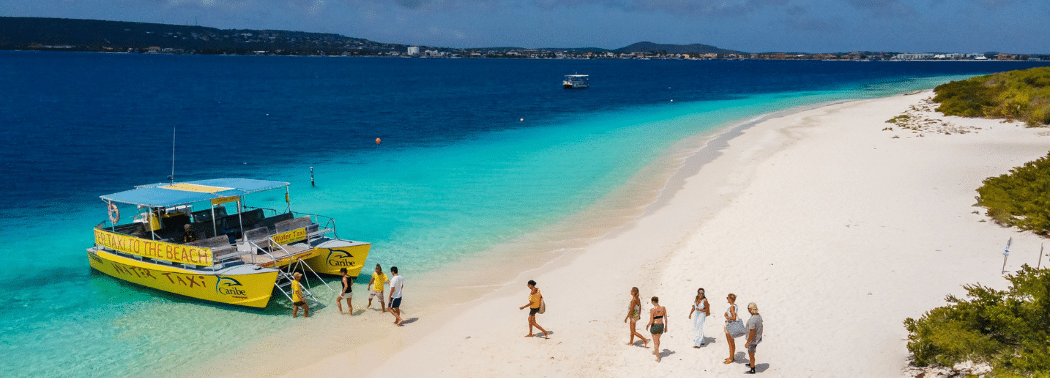
Of course you can snorkel and swim in lots of places on Bonaire, almost every dive site where divers enter the water has potential. A really nice outing for snorkeling is Klein Bonaire. This is the little peninsula you see from the west coast. On Klein Bonaire you can enjoy swimming, relaxing and snorkeling. For the rest, there is nothing. No habitation, no hospitality etc. However, there are 3 saliñas that attract flamingos and a diversity of flora and fauna. Surely the main reason people visit Klein Bonaire is for a day of sun, sea, beach.

Klein Bonaire is about 800 meters by boat (20 minutes). Nice to know, once a year there is even a swim from Bonaire to ‘Klein’. Fortunately, you can get to Klein a little easier, namely with the water cab that leaves several times daily. The Caribe Watersports website has all the information about the ferry.

8. Sailing on Bonaire’s west coast & Food Cruises

Various sailing and boat trips are offered on Bonaire by companies that have, for example, a catamaran or a very nice schooner. The concept is pretty much the same; sailing in the calm waters of the west coast, a snack, drink, brunch, BBQ or dinner and often the opportunity to snorkel/swim. It is a very relaxed activity that you can join individually or even rent the whole boat as a group. On viator’s site you will find a nice overview of the options.

9. Landsailing on Bonaire

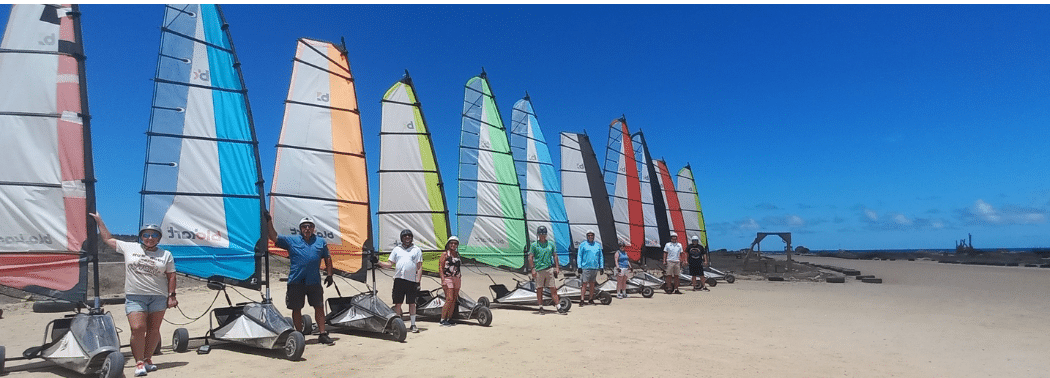
Landsailing, also known as blokarting, is a sport in which participants race across the land in three-wheeled sailing carts powered by the wind. On Bonaire, Bonaire Landsailing Adventures offers this adventure activity, where enthusiasts can experience the thrill of windsurfing on wheels, with the island’s constant trade winds as their powerful companion. This is a super fun group activity to do on, say, the last day of vacation, but do be a little careful 😉

10. Various excursions

On Viator’s website you will find many more excursions offered on Bonaire, often by small companies. Take a good look at the reviews, but generally these types of excursions are viewed very positively and there is quite a variety to choose from. A photo shoot, yoga on the beach or SUP, a night tour, a visit to Rincon, mountain biking. There really is a lot to do on Bonaire that has nothing to do with diving at all.

Also on vacation to Bonaire?

Also perhaps interesting

Boatdiving

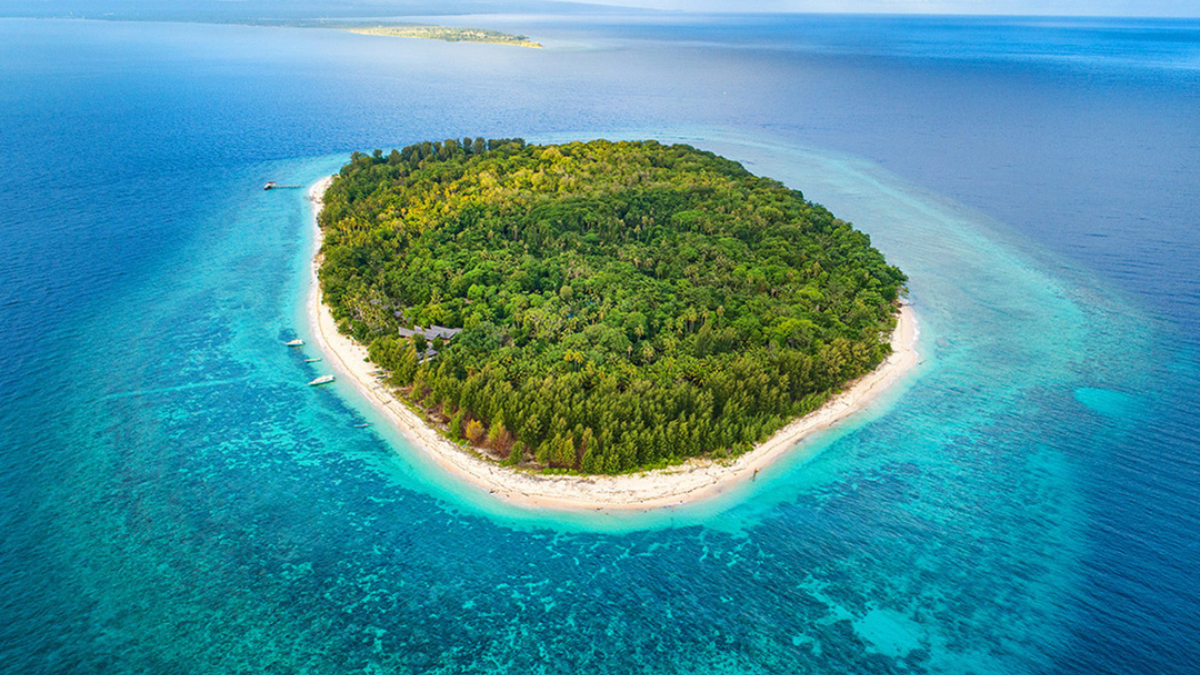
Diving destinations where you’ll feel like you’re the only person in the world

At some diving destinations, you’ll practically have the reef all to yourself. Discover six remote destinations where peace and quiet are still the norm.
Read more
Papua New Guinea Coral Reefs

Diving in Papua New Guinea: a complete guide

Diving in Papua New Guinea is a unique experience in the heart of the Coral Triangle. Discover colorful reefs, extraordinary marine life, historic shipwrecks, and pristine dive sites.
Read more
Boatdiving Hammerhead Sharks

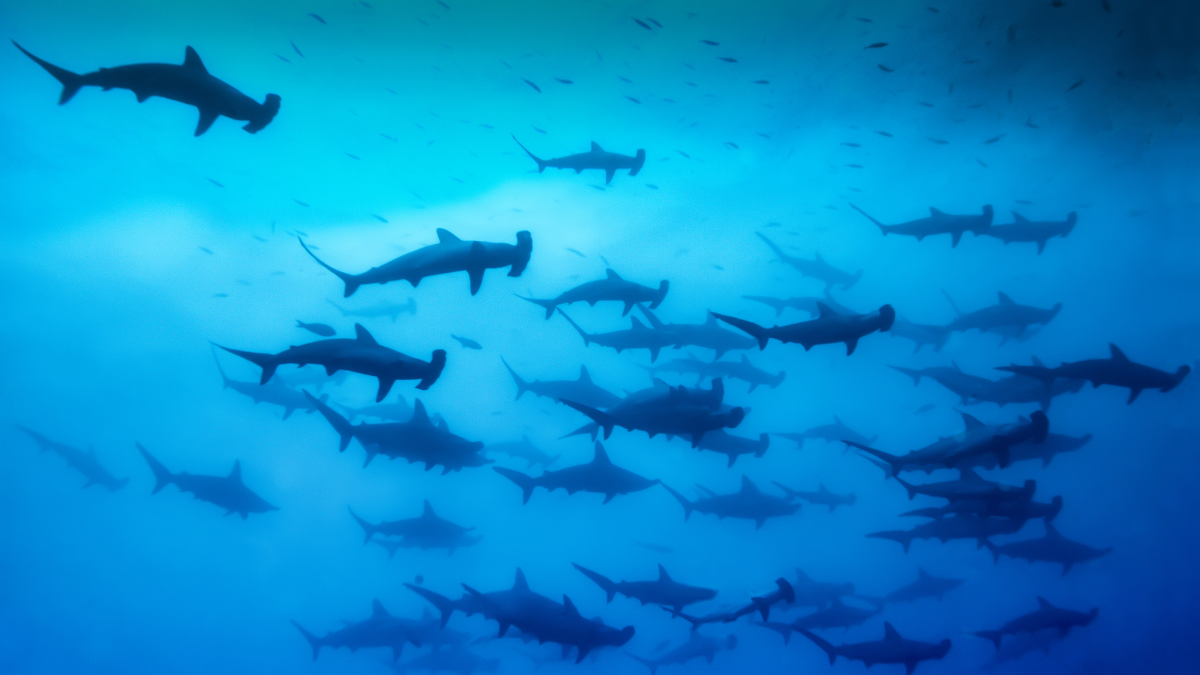
Diving with hammerhead sharks: What are the best destinations?

Discover the best destinations in the world for diving with hammerhead sharks. Find out where you’re most likely to encounter them, when the best time to travel is, and what diving certification is required.
Read more
Indonesia Liveaboard

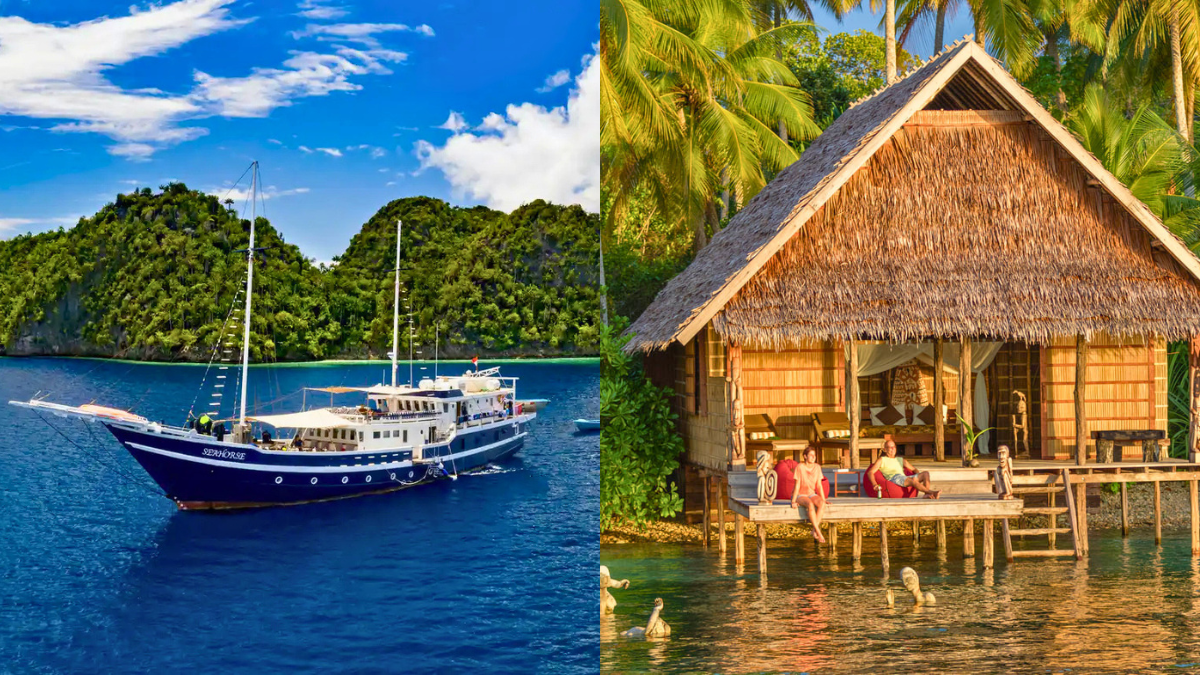
Diving Trip to Raja Ampat: Resort or Liveaboard?

Are you trying to decide between a liveaboard and a dive resort in Raja Ampat? In this blog, we’ll explain the differences and help you determine which type of trip best suits your needs.
Read more
Mauritius Drive & Dive Tours

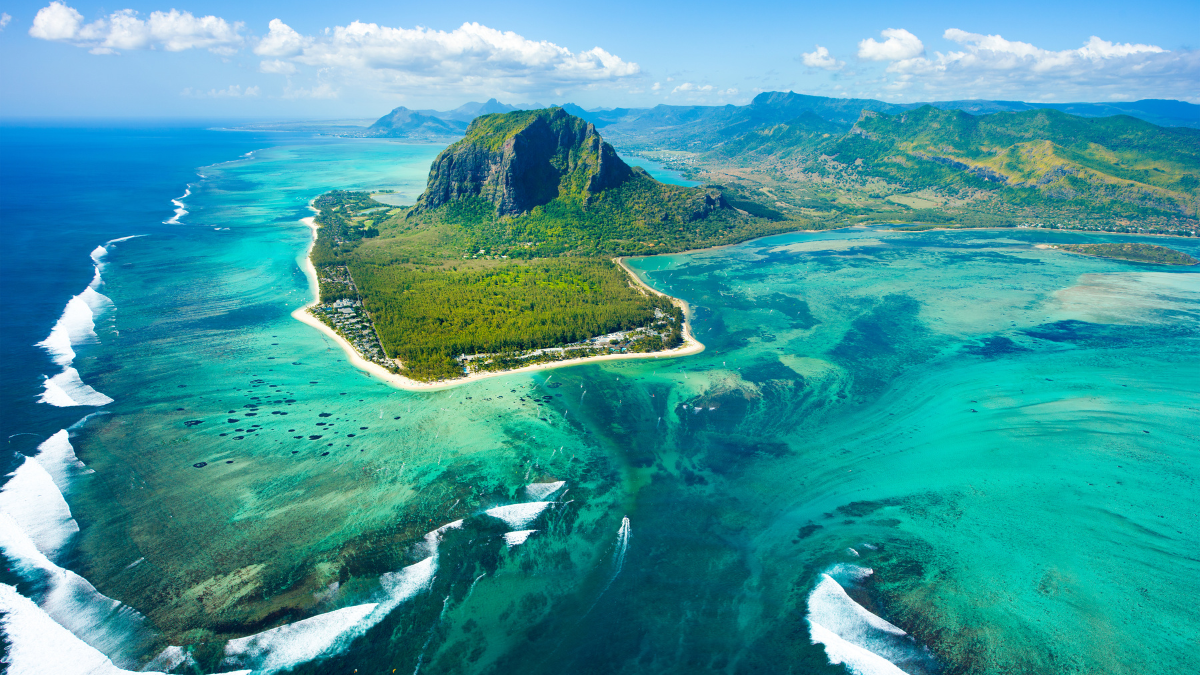
Diving in Mauritius: A Complete Guide

Mauritius offers colorful coral reefs, impressive shipwrecks, and a surprisingly diverse array of marine life. In this guide, you’ll find everything you need to know for a diving vacation in Mauritius.

Read more
Iceland Drive & Dive Tours

Diving in Iceland: a complete guide

Diving in Iceland is all about the unique combination of the Silfra Gorge and rugged sea diving along volcanic shores. On a round-trip tour, you will not only discover the underwater world, but also one...

Read more
Mozambique Vilanculos Whales Unique Encounters

Whales, sharks, and manta rays: Key insights from the BCSS Impact Report 2025

The BCSS Impact Report 2025 highlights the rich marine life around the Bazaruto Archipelago in Mozambique. From humpback whales and manta rays to endangered sharks, the study confirms why this area is one of Africa’s...

Read more
Combination Trip

Diving vacation with a non-diving partner? These destinations are perfect for both of you

Not every diving vacation has to revolve entirely around diving. These destinations offer plenty of above-water activities so divers and non-divers alike can have a great trip.

Read more
Boatdiving Dolphins

Diving with wild dolphins: where do you have the best chance?

Encounters with wild dolphins are among the most beautiful experiences you can have as a diver. Find out where worldwide you have the greatest chance of encountering these intelligent marine mammals in their natural habitat.

Read more
Bahamas Tiger Sharks Sharks Liveaboard

Diving with (tiger) sharks: how to prepare?

Diving with tiger sharks is less scary than many people think, provided you enter the water well prepared. With the right experience, calm demeanor and respect for the animals, these encounters often become unforgettable dives.
Read more
Caribbean

Our favorite diving destinations in the Caribbean

Not every Caribbean destination is known as a true diving hotspot. In this blog you’ll discover which islands are best suited for diving, where exactly you should be for big animals, wrecks or macro, and...

Read more
Caribbean

Diving destinations in the Caribbean

The Caribbean offers much more variety than just tropical reefs and clear water. In this blog you will discover which destination best suits your needs: from pelagic life and unique dives to adventure above water...

Read more
Liveaboard Resort Unique Encounters

Why some dive destinations fill up years in advance

Some dive destinations and liveaboards fill up quickly due to limited capacity, short peak seasons and high international demand. Especially popular itineraries and high-end liveaboards in destinations such as Raja Ampat, Galápagos, Socorro and Egypt...

Read more
Socorro Liveaboard Unique Encounters

Discounted admission to Socorro: this is what you need to know about the new park fees

As of Jan. 1, 2025, park fees for Socorro doubled, but thanks to new exceptions and discounts, many travelers can save big. And that’s good news, because Socorro, with its manta rays, sharks and spectacular...

Read more
Europe North and South-America

Metric vs imperial system in diving: what are the differences?

In Europe we usually dive with the metric system (BAR, meters and liters), while many American and Caribbean dive destinations work with the imperial system (PSI, feet and cubic feet). Especially in Florida, Mexico and...

Read more
Japan Izu Hammerhead Sharks

Diving with hammerhead sharks in Mikomoto, Japan

Mikomoto Island in Japan is known for spectacular encounters with large schools of hammerhead sharks. In this blog you will read what to expect underwater, when you have the best chance and why this dive...

Read more
Japan Asia Hammerhead Sharks Coral Reefs

Diving in Japan: the different regions

Japan is a surprisingly diverse diving destination with huge differences between its regions. From hammerhead sharks and manta rays to ice diving and unique underwater landscapes, each region has its own character.

Read more
Bahamas Tiger Sharks Sharks Liveaboard

Bahamas trip report – Diving with sharks with the Bahamas Aggressor II

The Bahamas is one of the best destinations in the world for shark diving. Read what her trip to Tiger Beach was like in Margriet’s travelogue.

Read more
Caribbean Dominica Whales Macro Diving

Diving in Dominica: a complete guide

Dominica offers a unique diving experience with volcanic landscapes, pristine reefs and impressive marine life. In addition, the combination of nature above and below the water and the presence of sperm whales makes this destination...

Read more
Egypt Sharks Sea Turtles Liveaboard

Trip report – Bram’s liveaboard trip in Egypt: Brothers, Daedalus & Elphinstone

Bram takes you along the iconic NDE route in Egypt, with strong currents, deep blue dives and encounters with large pelagic species. An honest and inspiring account that gives you a good idea of what...

Read more
Whales

6 places to spot humpback whales

Humpback whales are one of the largest and friendliest marine animals you can encounter. At these five destinations, you’ll get a chance to see them up close – and sometimes even snorkel with them.

Read more
Sharks Whale Sharks Whales

Why ecological excursions are essential for sustainable diving and wildlife tours

What are ecological excursions and why do they matter? Learn how to consciously choose to dive sustainably and protect whale sharks and coral reefs.

Read more

Best dive destinations by month (July to December)

Discover the best diving destinations from July to August. Per month 4 top dive sites and why you should go there during that period.

Read more

Best dive destinations by month (January to June)

Discover the best diving destinations from January to June. Per month 4 top dive sites with ideal conditions and unique underwater experiences.

Read more