Diving in Indonesia

Indonesia is one of our favorite destinations when it comes to dive travel. The possibilities are almost endless: from famous Bali to remote islands in the far corners of Indonesia. Both the destinations and types of diving in Indonesia offer something for everyone. For example, you can do challenging drift dives at Komodo or relaxing dives at Manado. Diving in a remote area such as Raja Ampat or the more touristy Bali. In this blog, we explain all the regions: the highlights and what to expect there.

Table of contents

About Indonesia

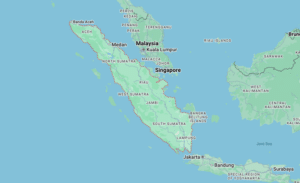
Indonesia consists of more than 17,000 islands, about 6,000 of which are inhabited. The exact number may vary depending on the census, as the definition of an island may vary and new islands are discovered. Most islands are uninhabited, and the largest islands include Java, Sumatra, Kalimantan and New Guinea.

Indonesia is the largest island state in the world with a total area of about 1.9 million km², making it one of the top 15 largest countries by area. The country has 280 million inhabitants. So it is not at all crazy to be a little overwhelmed by all the information there is to be found.

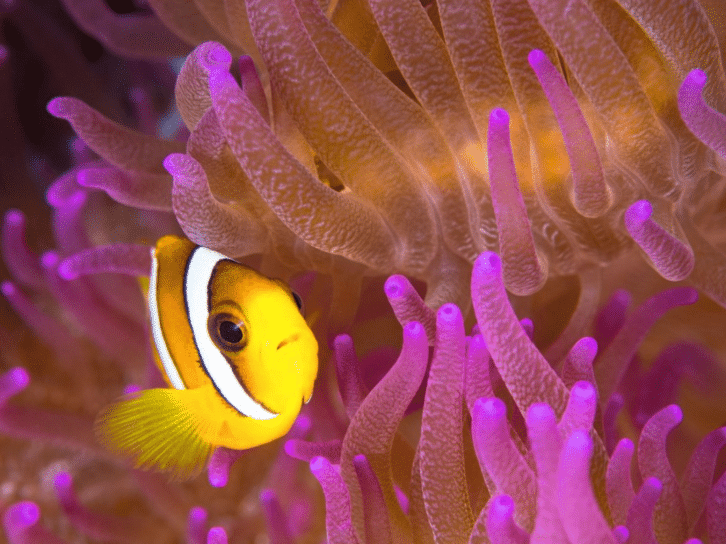
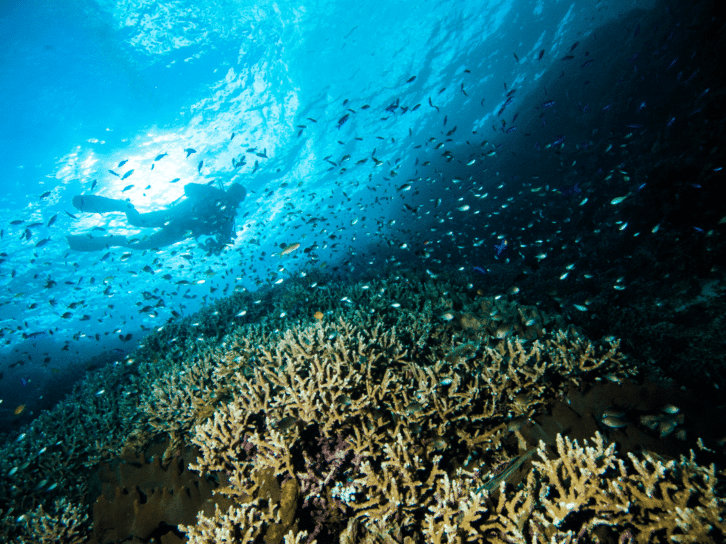
Because of Indonesia’s location in the middle of the equator, its waters are tropically warm, and its variety of coral and fish species is one of the greatest in the world. So when you go diving in Indonesia, you are also sure to see many and different species of fish and dive with ideal conditions!

Diving in Bali & Nusa Penida

Bali is the first introduction to Indonesia for many travelers, and it shows: the island is well organized, easy to travel and offers a huge variety of dive sites. In the north you will find quiet reefs and muck diving, while the east is known for the USAT Liberty wreck and macro life. The crossing to Nusa Penida is a logical extension of a round trip: here you dive with manta rays, healthy reefs and in the right season even mola mola. You usually stay in a resort and make day trips to the various diving areas. Bali can be excellently combined with Lombok, Flores or Komodo. Read our complete guide to diving in Bali here.

  • Form of travel: roundtrip, resort, day trips; liveaboards are possible but less common.
  • Why special: Bali is one of the most accessible diving destinations in Indonesia. You will find everything: muck diving in Tulamben, wrecks, coral gardens, macro life and large pelagics around Nusa Penida.
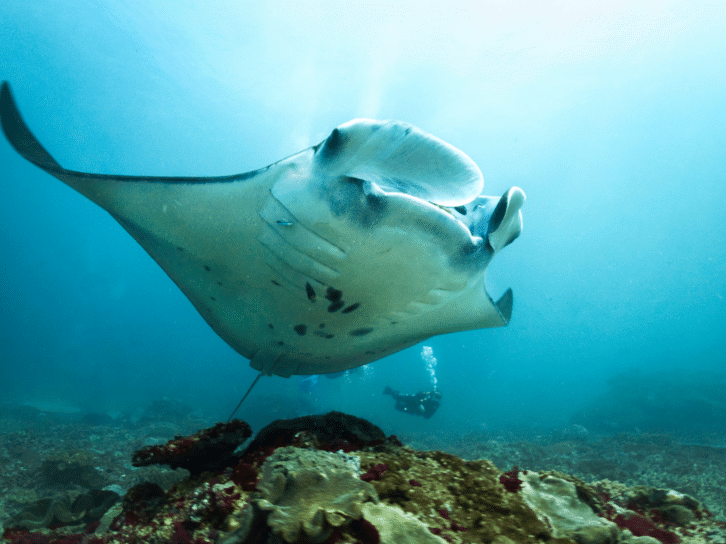
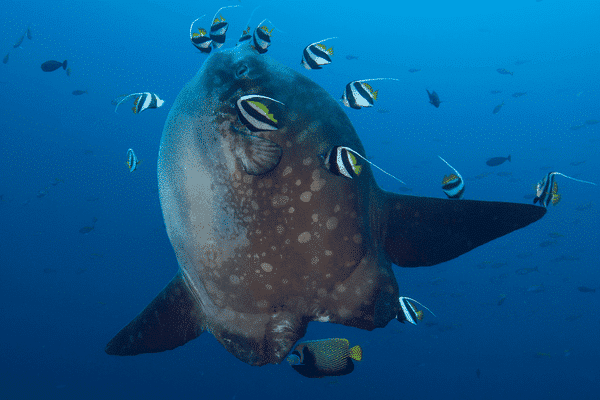
  • Underwater highlights: mola mola (in the right season), manta rays at Manta Point, the USAT Liberty wreck, colorful reefs on the north coast.
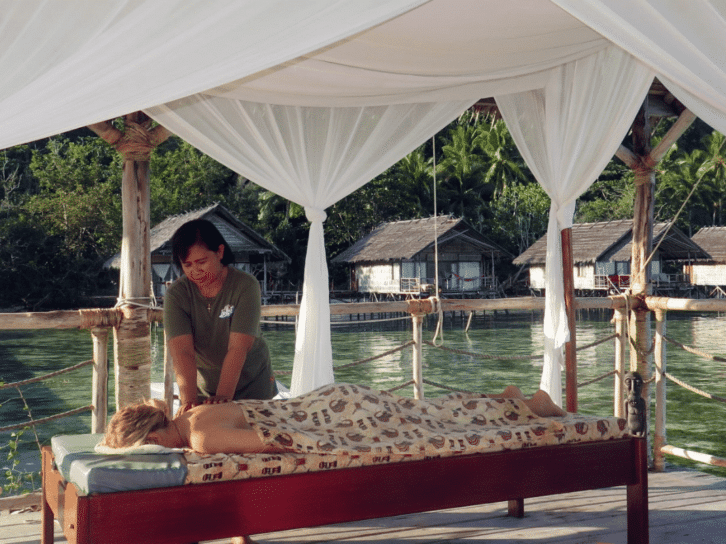
  • Above water: temples, rice fields, volcanoes, gastronomy, wellness – perfect for a varied tour.
  • Accessibility: very easy; Bali is the international gateway to Indonesia.
  • Combinations: combines well with Nusa Penida, Lombok, Flores and Komodo.

Diving in Komodo

Komodo is one of the most spectacular diving regions in Indonesia. The combination of strong currents, schools of fish, manta cleaning stations and colorful reefs makes for dives you won’t soon forget. Many travelers choose a liveaboard to visit both the north and south of the park; from Labuan Bajo you can also dive from a resort. Above water you will discover the famous monitor lizards and the characteristic hills of the islands. Komodo combines perfectly with Flores, and for experienced divers an extension to Alor is recommended.

  • Mode of travel: liveaboard (most popular), resort possible at Labuan Bajo.
  • Why special: One of the best diving areas in the world with strong currents, dense schools of fish, manta cleaning stations and healthy reefs.
  • Underwater highlights: Castle Rock, Batu Bolong, Manta Alley – intense, action-packed dive sites.
  • Above water: the famous komodo dragons and spectacular rugged islands.
  • Getting there: fly to Labuan Bajo from Bali/Jakarta.
  • Combinations: Flores and Sumbawa; liveaboards often combine north and south Komodo.

Diving in Flores

Flores is rougher and quieter than Bali. You travel here primarily for nature, culture and off-the-beaten-path diving. Along the north coast and around Maumere you will find colorful reefs, macro life and occasionally larger species such as eagle rays. You often combine a tour of the island with a stay at a small resort on the beach. The Kelimutu volcanoes, traditional villages and bays give Flores its very own atmosphere. The island is easily accessible via a transfer to Bali and forms a nice route towards Komodo or Alor.

  • Form of travel: roundtrip or resort.
  • Why special: Flores is quieter than Bali and known for impressive nature, traditional villages and volcanic landscapes.
  • Underwater highlights: colorful reefs, huge biodiversity, chance of seeing larger species such as sharks and eagle rays – especially around Maumere and the north coast.
  • Above water: Kelimutu volcanoes, authentic villages and rugged nature.
  • Accessibility: regional flights via Bali or Jakarta.
  • Combinations: ideally combined with Komodo and possibly Alor.

Diving in Alor

Alor is a destination for those who seek tranquility and enjoy exploring remote dive sites. You will find crystal clear waters, rare critters, drift dives and healthy reefs where macro and large life coexist. The accommodations are small-scale and are often right on the water. The island is a bit more difficult to get to, but that is precisely what makes the experience so special. Alor combines well with Flores and is ideal for divers who have been to Indonesia before. In addition, there is a whale migration between June and November, where you have the chance to spot the minke whale (which is 24 meters long) and the sperm whale, the largest predator on earth.

  • Form of travel: mostly resorts and boutique lodges; liveaboards are scarce.
  • Why special: remote, untouched and excellent for experienced divers. Here you will find both macro and large life, often with crystal clear water.
  • Underwater highlights: rare critters, top conditions for wide angle, varying currents that produce spectacular dives.
  • Above water: authentic villages, volcanic landscapes and silence.
  • Accessibility: relatively difficult; you fly via Kupang.
  • Combinations: combines well with Flores or Timor.

Diving in Raja Ampat

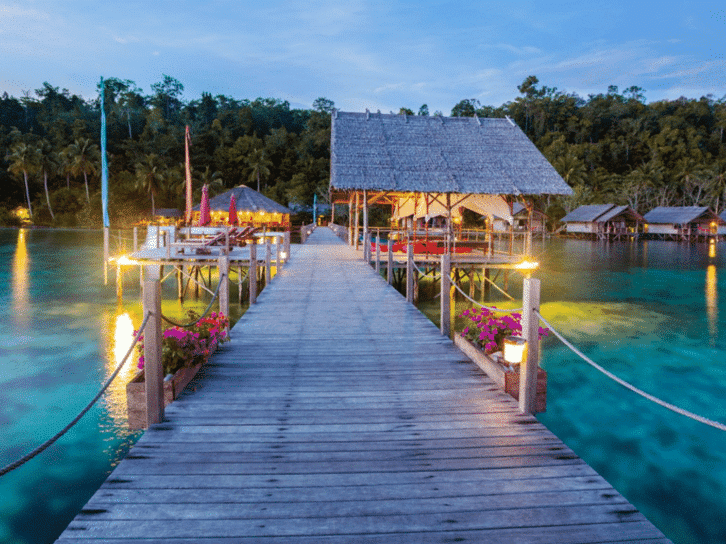
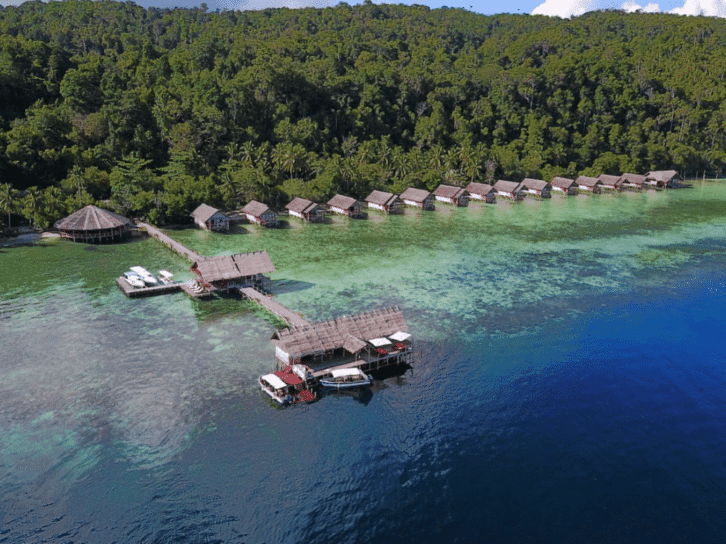
Located in West Papua, Raja Ampat is the heart of the Coral Triangle and is often cited as the best diving destination in the world. The biodiversity is enormous: mantas, wobbegongs, small macro species, coral gardens, mangrove reefs and reefs with thousands of fish. You dive here from a resort or a liveaboard. Above water it is also a special area with karst islands, hidden lagoons and quiet bays. Sorong is the gateway and is a good starting point for a special trip.

  • Form of travel: liveaboards and resorts.
  • Why special: The epicenter of the Coral Triangle. Raja Ampat has the world’s highest concentration of marine species and unparalleled reefs.
  • Underwater highlights: colorful coral gardens, wobbegongs, manta rays, endless schools of fish, macro and big life all in one dive.
  • Above water: karst islands, lagoons, hidden coves and silence.
  • Access: Sorong is the gateway; accessible via Jakarta/Makassar/Manado.
  • Combinations: Ambon, Cenderawasih Bay or Triton Bay.

Diving in West Papua

West Papua is much larger than just Raja Ampat. Other areas such as Cenderawasih Bay and Triton Bay offer unique experiences: whale sharks showing themselves in the quiet bays of Cenderawasih, or the soft corals and unusual fish species of Triton Bay. Culturally and scenically, West Papua is among the most pristine regions of Indonesia. Accessibility depends on the destination; often you fly via Sorong, Nabire or Kaimana. Travelers combine different regions within West Papua or make the crossing to the Moluccas.

  • Form of travel: tours, resorts, liveaboards depending on the region.
  • What to tell about it: West Papua is vast and largely unspoiled. Besides Raja Ampat, you will also find Cenderawasih Bay, famous for whale sharks, and Triton Bay, with soft corals and unique fish species.
  • Above water: traditional villages, jungle and remote places with hardly any tourism.
  • Accessibility: depending on the region – Sorong, Nabire or Kaimana as access points.
  • Combinations: often combined within West Papua or with Ambon.

Diving in Sulawesi

Due to its location in the middle of Sulawesi and the island’s strange shape, the island of Sulawesi has a wide variety of diving areas. Actually, you could divide this again into different regions, but for the sake of convenience, we will name the different places all under the heading Sulawesi.

Manado and Lembeh are the best known diving areas of Sulawesi, but you can dive practically in every corner of Sulawesi. For example, you can make beautiful macro dives at Wakatobi or at Prince John. Bangka, which lies between Manado and Lembeh, also offers surprisingly fun dives.

Our trips to Sulawesi go mainly to the north, because here you dive in Lembeh and Bunaken. In this blog you can read all about diving in North Sulawesi.

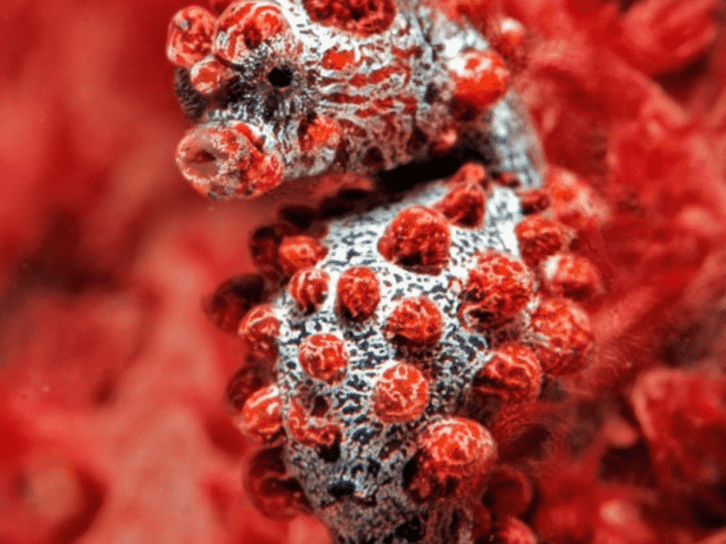
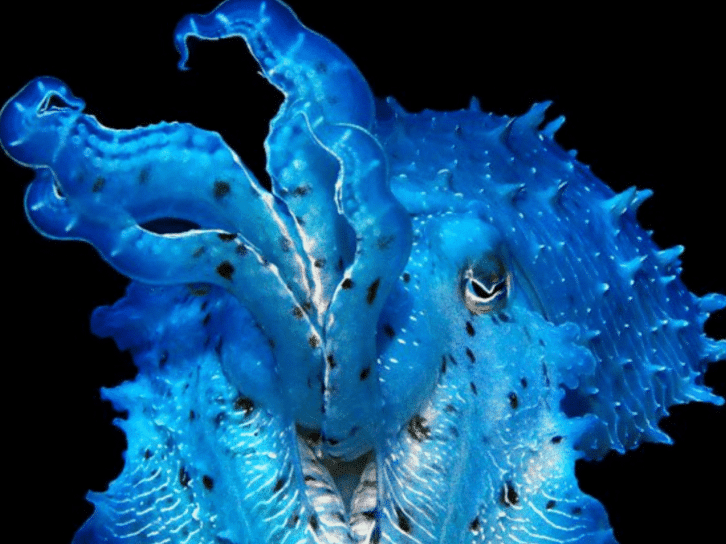
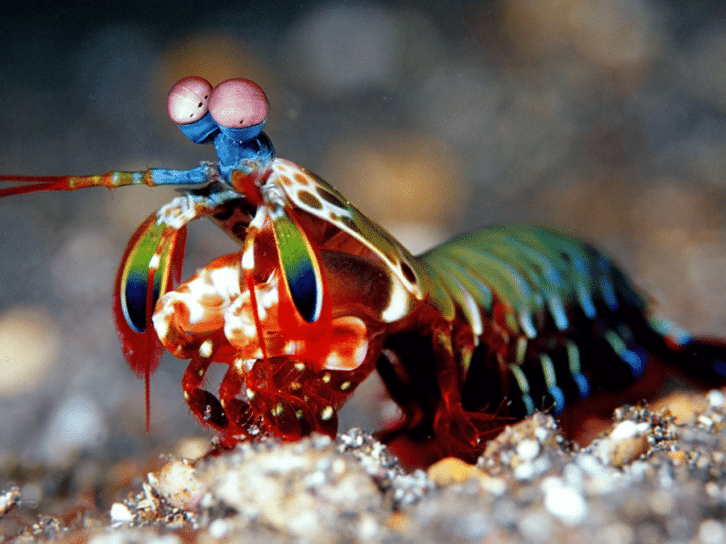
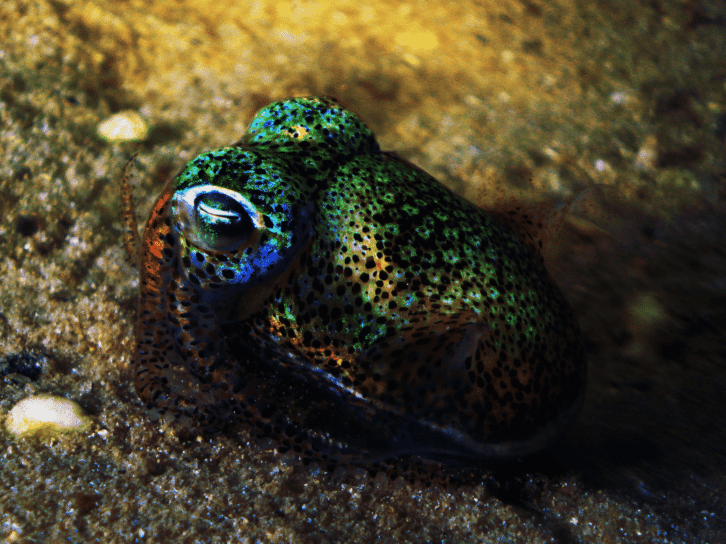
If you really want to see something unique, Lembeh Strait is the place to go. The diving here is completely different and that has everything to do with the black, volcanic sand. The shallow bottom of the strait along Lembeh Island is home to numerous alien-looking fish and crustaceans. Whether it is a ghost whale, a fluorescent nudibranch or a seahorse, they are all perfectly camouflaged and feature bizarre shapes. Therefore, diving at Lembeh is mainly done if you want to see lots of species of weird critters. We have highlighted in a separate blog 12 unusual critters you can find in Lembeh.

In northern Sulawesi Manado, which is best known for its beautiful and colorful coral reefs, lies Bunaken Island. Swirling fish, intense colors and a wide range of dive sites.

  • Form of travel: resorts, tours in North Sulawesi, liveaboards less common.
  • Why special: two totally different diving worlds on one peninsula.
  • Underwater highlights:
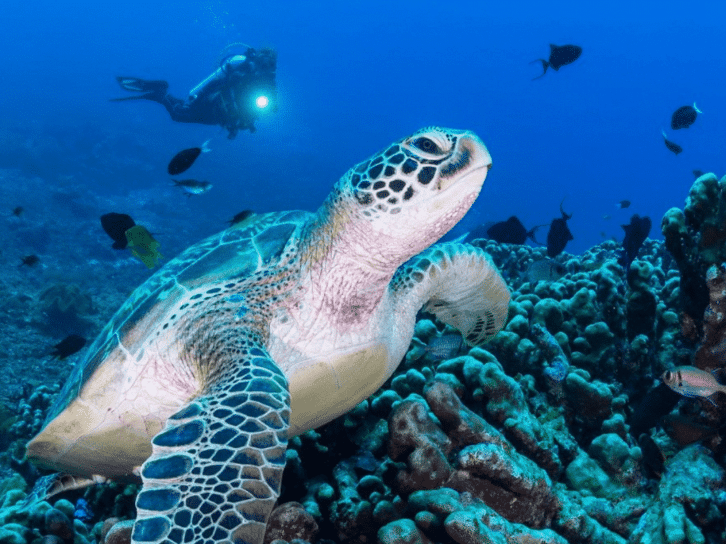
    Bunaken: steep drop-offs, turtle paradise, clear water.
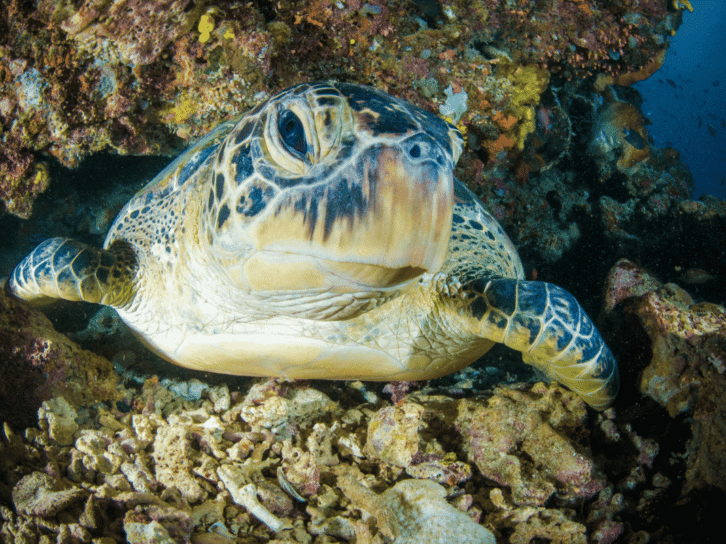
    Lembeh: world-famous for muck diving: rare critters, frogfish, harlequin ghost whale fish, mimic octpus.
  • Above water: volcanic landscape, Minahasa culture, Tangkoko National Park.
  • Accessibility: easy via Manado.
  • Combinations: Bunaken + Lembeh is a logical duo destination; possibly extend to Bangka.

Diving in Borneo

Kalimantan is a versatile destination for those who want to combine diving with nature. The Derawan archipelago, with islands such as Maratua, Kakaban and Sangalaki, is known for crystal clear waters, turtles, manta rays and a unique jellyfish lake. Dive sites range from calm reefs to walls with schools of barracuda. Above water, you can see orangutans further inland in Tanjung Puting National Park. The region is accessible via Berau or Balikpapan and combines well with Sulawesi or Bali.

  • Form of travel: tours, resorts; liveaboards especially at Derawan/Maratua.
  • Why special: mangroves, crystal clear waters and a mix of macro, turtles and large schools of fish. The Derawan Archipelago (Maratua, Kakaban, Sangalaki) is the most famous area.
  • Underwater highlights: jellyfish lake at Kakaban, manta rays, turtles, barracuda wall at Maratua.
  • Above water: orangutans in Tanjung Puting (inland, not in Malaysia!), white beaches and remote islands.
  • Accessibility: via Balikpapan or Berau.
  • Combinations: good to combine with Sulawesi or Bali.

Diving in the Moluccas

The Moluccas are rich in history, spice plantations and quiet islets – but best known for divers for Ambon and the Banda Islands. Ambon is a top destination for muck diving with rare macro species and mandarin fish, while Banda is all about lush reefs, schools of fish and volcanic drop-offs. You’ll stay at a resort or board a liveaboard that visits several islands. This region combines well with Raja Ampat or with a longer itinerary toward Alor.
  • Form of travel: resorts and liveaboards.
  • Why special: Ambon is one of the best places for muck diving in all of Indonesia, while the Banda Islands are insane for healthy reefs, pelagics and historic dive sites.
  • Underwater highlights: mandarin fish, rare critters, huge schools of fish, volcanic drop-offs.
  • Above water: rich colonial history, spice plantations and tranquil islands with white beaches.
  • Accessibility: reasonable; fly via Jakarta or Ambon, then domestic flights/boat rides.
  • Combinations: Ambon + Banda is a common itinerary; liveaboards often connect this region to Raja Ampat or Alor.

Also experiencing Indonesia?