Diving in the Philippines
With more than 7,000 islands, tropical reefs, and a vast variety of marine life, the Philippines is one of Asia’s most diverse diving destinations. In the warm waters of the Philippines, you can dive among colorful coral reefs, along steep walls, and over sandy slopes, as well as among shipwrecks and large schools of fish. From tiny seahorses and unusual nudibranchs to thresher sharks, whale sharks, sea turtles, and manta rays: the underwater diversity is vast.
On top of that, each region has its own unique character. In the Visayas, it’s all about the wide variety of dive sites, while in Palawan you’ll find famous shipwrecks and secluded reefs. For macro enthusiasts, Anilao is an excellent choice, and around Malapascua you can go in search of thresher sharks. The Philippines is also an interesting destination for those who like to combine visits to different islands.
But where are the best places to dive, when is the best time to go, and which destination is right for you? In this guide, we’ll take you through the top diving areas, the underwater life, the best time to travel, and the practical aspects of a diving trip to the Philippines.
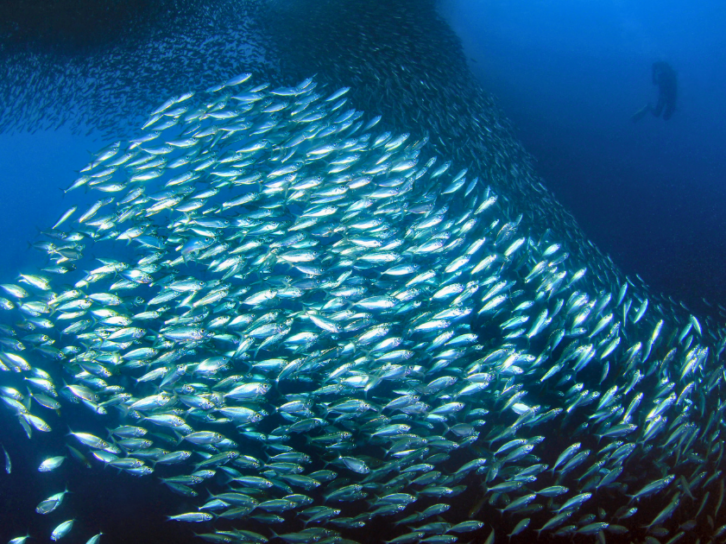
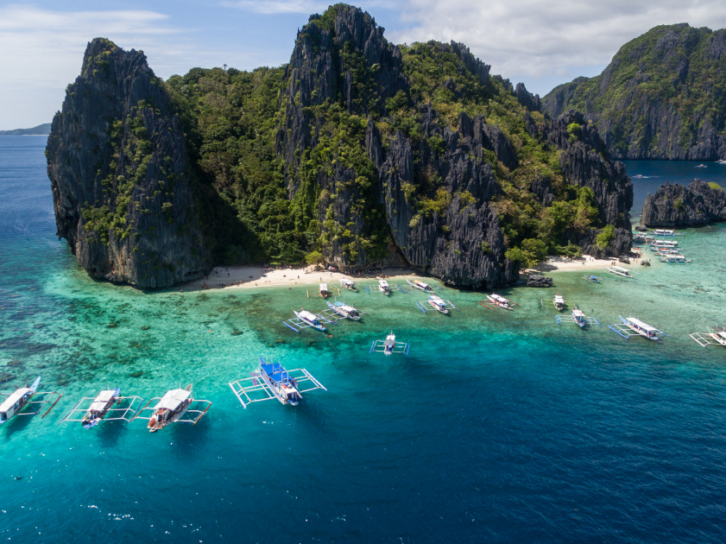
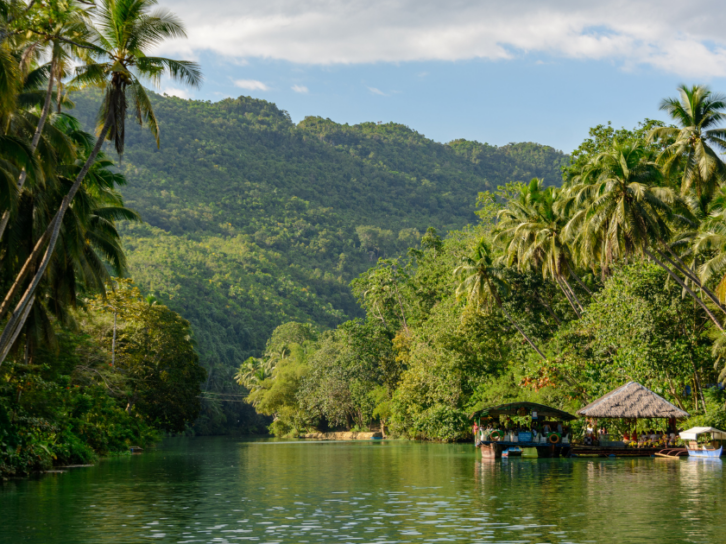
Table of contents
Why Dive in the Philippines?
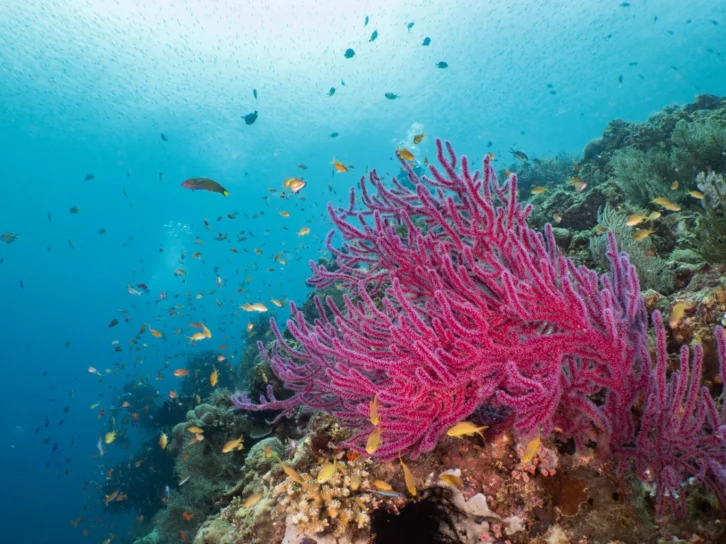
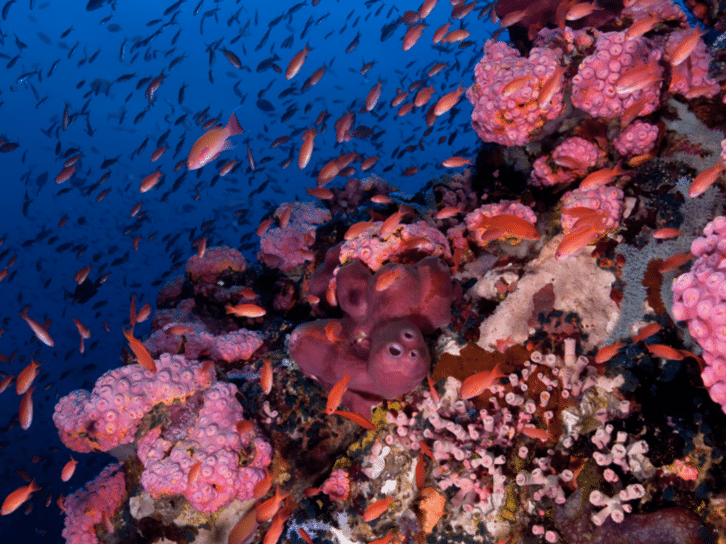
The Philippines is one of the most diverse diving destinations in Asia. Its location in the Coral Triangle ensures great biodiversity, with colorful coral reefs and an enormous variety of fish and other marine life. But it’s especially the differences between the dive sites that make the Philippines so interesting. You can go there for spectacular encounters with large marine life, but also to spend hours searching for small, unique species.
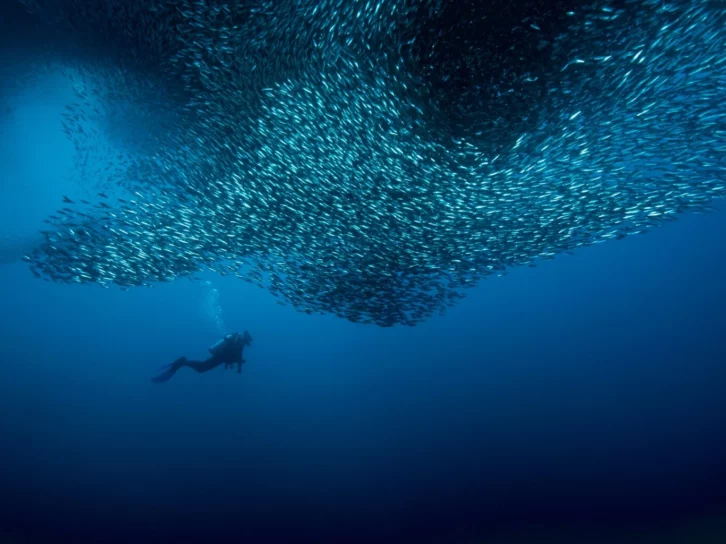
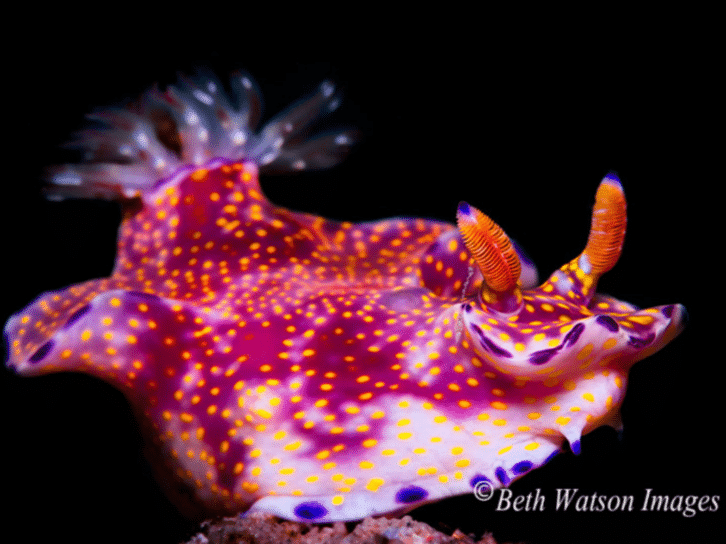
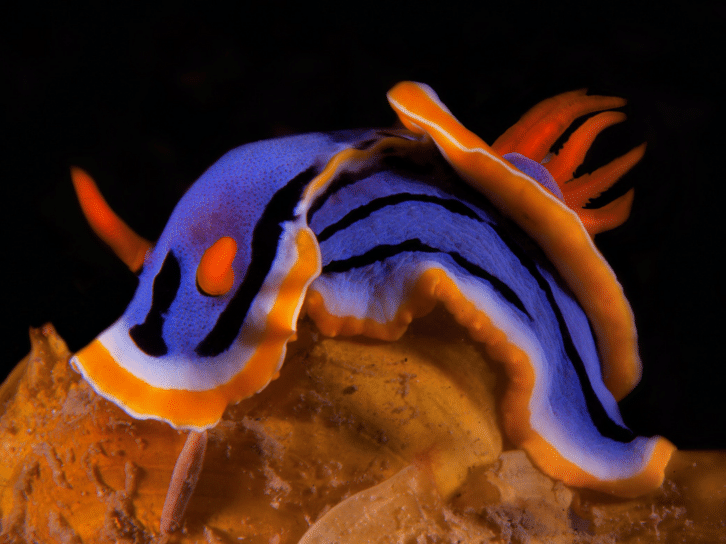
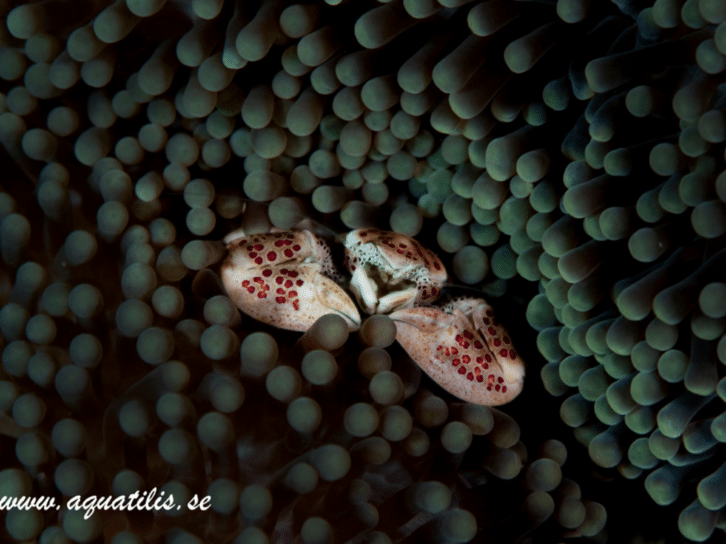
For macro enthusiasts, there are plenty of opportunities to spot frogfish, pygmy seahorses, nudibranchs, and unusual octopuses. Those who prefer diving with larger marine life can search for thresher sharks, whale sharks, manta rays, sea turtles, and large schools of fish at various sites. In addition, there are unique dive sites such as the sardine run near Moalboal, the shipwrecks off Coron, and the remote reefs of Tubbataha.
Another advantage is that you can easily combine different diving styles and destinations. This way, you can visit multiple islands during a single trip and discover a completely different side of the Philippines each time. Whether you’re primarily interested in macro life, sharks, colorful reefs, shipwrecks, or large schools of fish, there’s a dive site that’s right for you.
What can you see underwater in the Philippines?
The Philippines are known for their wide variety of marine life. On one dive, you might be searching for a tiny pygmy seahorse among the soft corals, while on the next dive, you could come face-to-face with a thresher shark or swim among thousands of sardines. Turtles, reef sharks, whale sharks, manta rays, and large schools of fish are also among the possibilities at various dive sites.
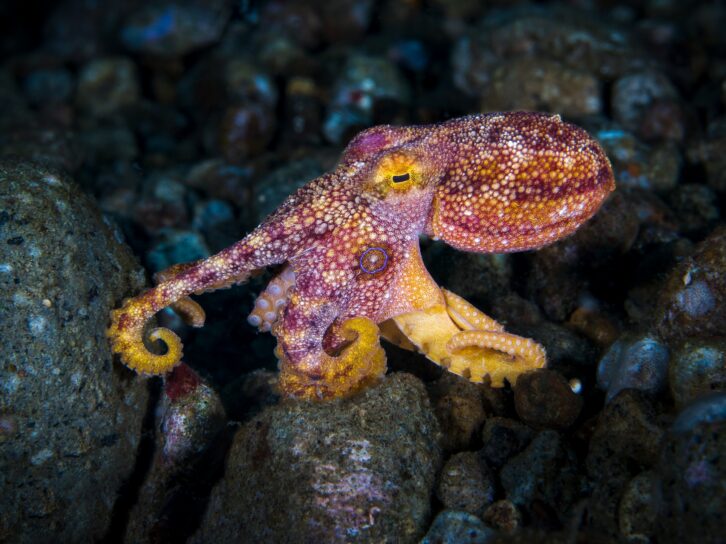
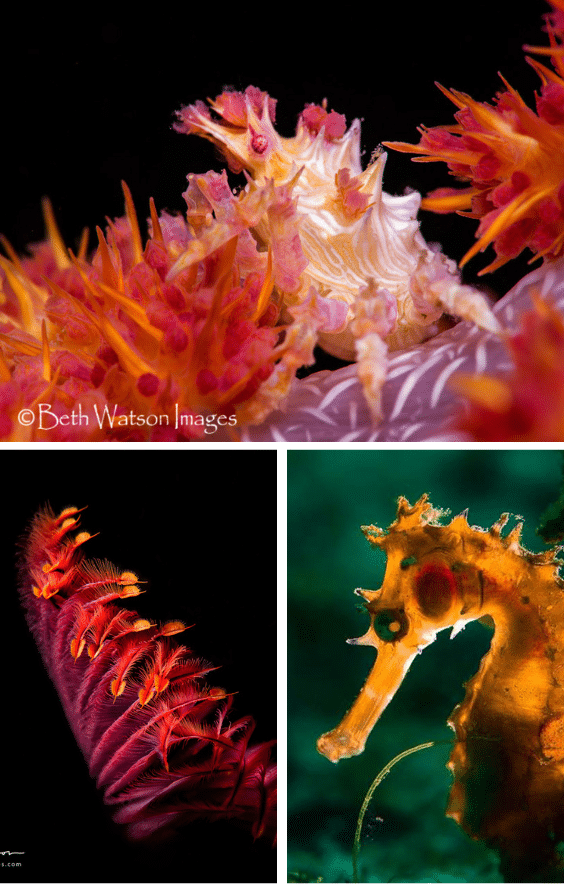
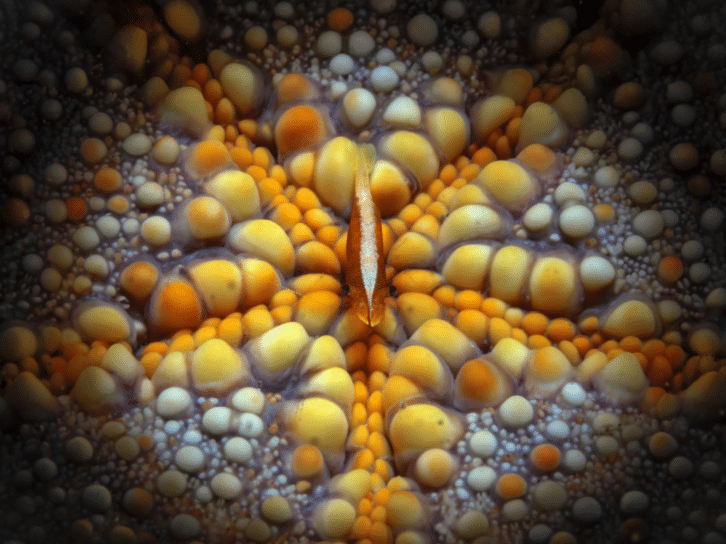
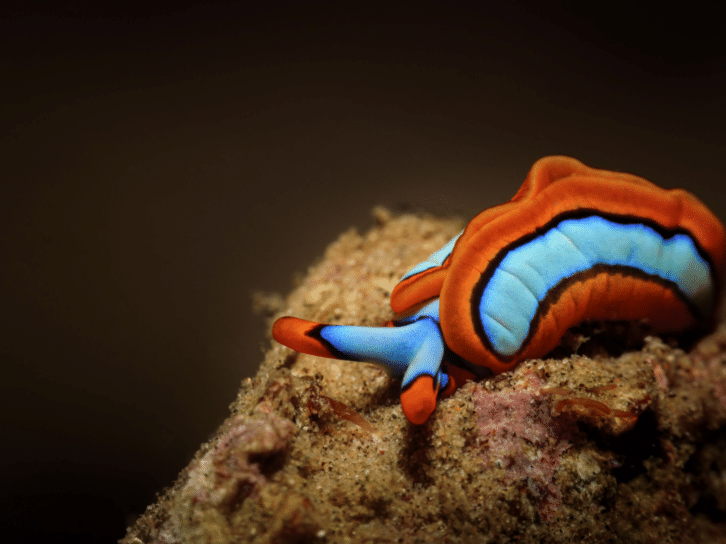
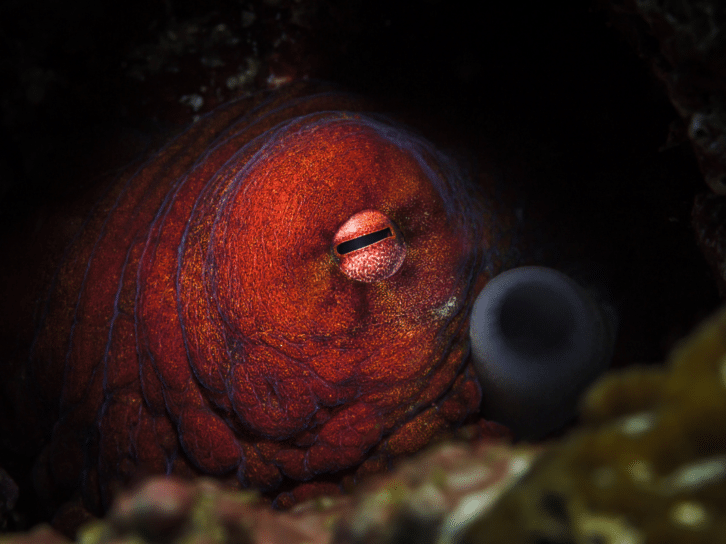
For macro photographers, the Philippines is an excellent destination. The sandy slopes and reefs around Anilao and Dauin, among other places, are particularly well-known for their remarkable tiny inhabitants. Frogfish, seahorses, nudibranchs, ghost pipefish, and various species of octopuses are highly sought after here. There’s also plenty to discover for enthusiasts of unusual behaviors and rarer species.
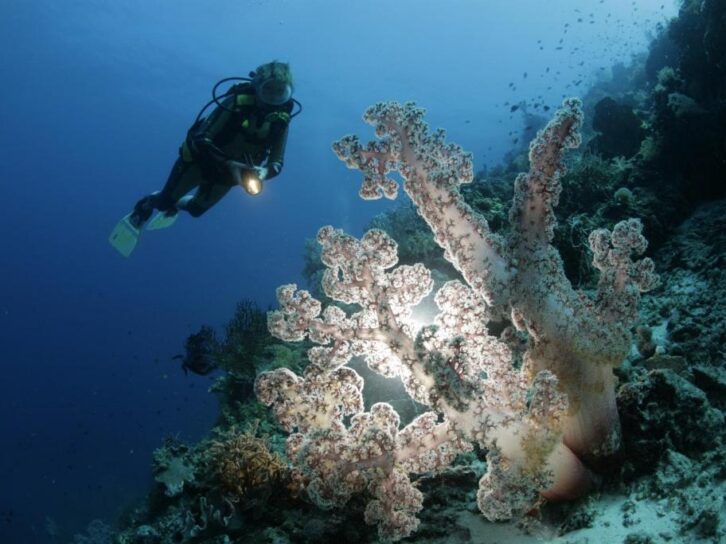
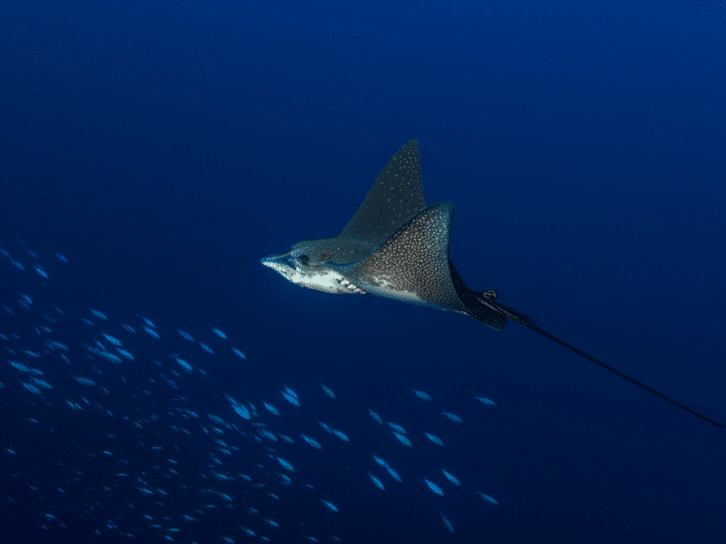
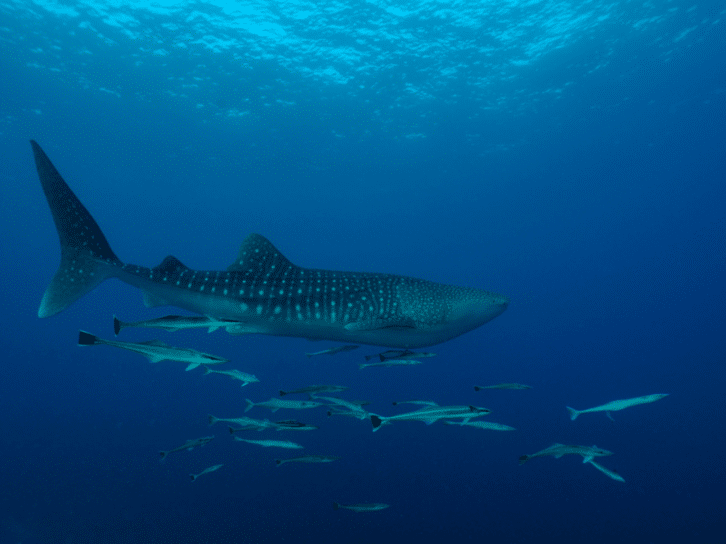
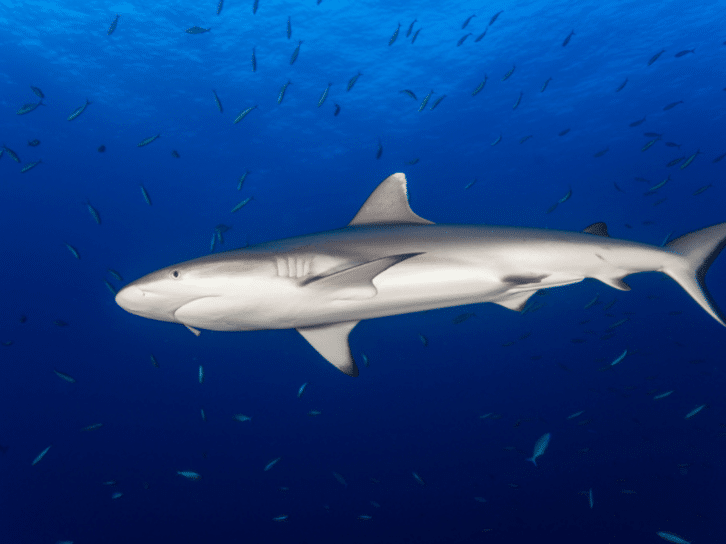
Lovers of big-game diving will also find plenty to enjoy. Around Malapascua, you can dive with thresher sharks; near Moalboal, you can swim among enormous schools of sardines; and in various areas, you can spot whale sharks, manta rays, and sea turtles. In addition, there are colorful coral reefs, steep walls, shipwrecks, and remote dive sites, each with its own unique underwater landscape.
It is precisely this combination that makes the Philippines an attractive destination for divers who want to experience different types of dives and marine life during a single trip.
The Different Regions of the Philippines
The Philippines consists of thousands of islands, and each diving area has its own unique character. In our separate blog post, we take a closer look at the different regions. You’ll learn where you might encounter which marine life, what kinds of dives to expect, and what makes each island so special.
When is the best time to go diving in the Philippines?
You can visit the Philippines for diving all year round, but the best time to travel varies by region. The country has a tropical climate, and because the islands are spread out over a large area, the weather and diving conditions can vary considerably from one destination to another.
In large parts of the Philippines, the dry season runs roughly from November to May. During this period, conditions are favorable in many places, and there is generally less rain. The months of March through May are often warm and sunny, while the period from November to February offers pleasant temperatures and often good visibility.
During the wet season, which runs from June to October in many places, tropical showers and typhoons can affect the weather and diving conditions. That doesn’t mean you can’t dive during this time. In fact, some destinations have their own ideal season and can be excellent outside of the general dry season.
Underwater life also plays a role in determining the best time to travel. Certain months are more appealing for specific species or unique dives. That’s why, when planning a diving trip, we consider not only the climate but also the destination, the conditions, and what you’d like to see underwater.
Would you like to know the best time to travel to a specific diving destination in the Philippines? Check out the information by region or contact us. We’d be happy to help you choose the right destination and travel dates.
Diving Conditions in the Philippines
Diving conditions in the Philippines vary by region and even by dive site. In general, you can expect pleasant water temperatures, a tropical climate, and a wide variety of dive sites. Depending on the location and the season, visibility can range from about 10 to sometimes more than 30 meters.
The water temperature is usually between 26 and 30 °C. A 3-mm wetsuit is sufficient for many divers, although a slightly thicker suit may be more comfortable if you’re doing multiple dives a day or tend to get cold quickly.
The currents also vary greatly. There are many calm dives suitable for beginner divers, but at some sites the currents can be quite strong. It is precisely these currents that lead to extraordinary encounters with sharks, large schools of fish, and other pelagic life in certain areas.
In addition to reef diving, the Philippines also offers sandy slopes for muck diving, steep walls, shipwrecks, and dive sites with strong currents. This provides plenty of variety for both beginner and experienced divers.
When choosing a destination, we therefore consider not only the marine life, but also your diving experience and the types of dives you enjoy.
How many days do you need for a diving trip to the Philippines?
The Philippines is a large archipelago, and the distances between the various dive sites can be quite significant. That’s why it’s a good idea not to try to combine too many destinations in a single trip. Allowing plenty of travel time will let you dive at a leisurely pace and prevent you from spending a large part of your vacation on transfers.
For a first visit to the Philippines, 10 to 14 days is a good length of time for your trip. This will allow you to combine one or two diving areas while still having plenty of time to travel and relax.
If you have two to three weeks, there are more options available. For example, you can visit different destinations within the Visayas or combine a diving trip with a stay on another island.
Even on a shorter trip, the Philippines is a great place to go diving. We do recommend, however, that you choose a single destination or region. That way, you’ll get more out of your diving days and spend less time on domestic flights, boats, and transfers.
When planning a trip, we therefore always consider the total duration of the trip, the connections between the islands, and the number of dive days. A well-planned itinerary ensures that you spend as much time as possible underwater.
Traveling Between the Islands
A diving trip through the Philippines isn’t just about diving. Since the interesting dive sites are spread across hundreds of islands, a tour will involve domestic flights, ferries, boats, and land transfers. That might sound complicated, but with good planning, it’s perfectly doable.
You’ll often travel between the larger islands by domestic flight. For smaller islands, ferries and speedboats are common modes of transportation. Sometimes a transfer consists of several parts—for example, first a boat ride, followed by a car or bus ride to your accommodations.
A great example is island hopping in the Visayas. In this region, several interesting diving destinations are located relatively close to one another. For example, you can combine multiple islands and travel from one destination to another by boat or ferry along the way. This way, you can discover different types of dives and marine life during a single trip, while also getting a taste of the islands themselves.
When planning a diving trip, it’s important to allow enough time for transfers. For example, a long trip on a dive day isn’t always practical, and with domestic flights, you need to take your dive schedule into account. That’s why at EWDR, we plan the itinerary so that the different parts of the trip flow together logically.
Precisely because there are so many islands and diving spots, you can tailor your trip entirely to what you’d like to see and do. Combining two or three destinations can be a great way to discover different sides of the Philippines without having to pack your bags every few days.
Diving from a resort or a liveaboard?
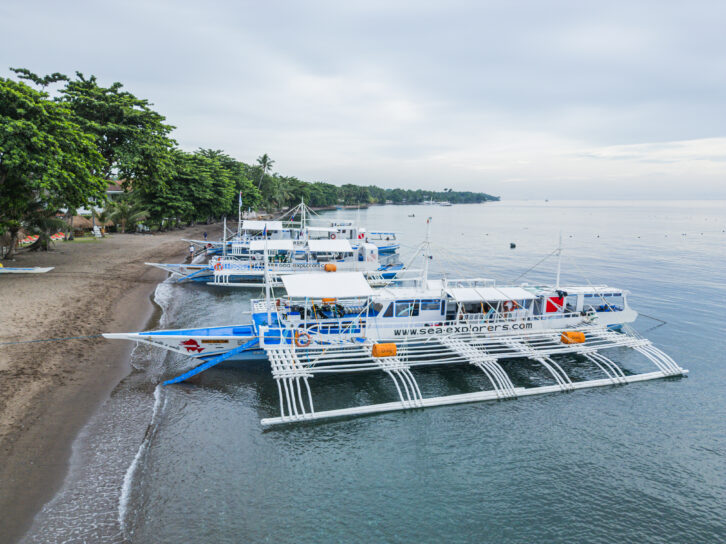
There are several ways to dive in the Philippines. Most divers choose to stay on an island and go on daily boat dives from there. This gives you the opportunity to visit multiple dive sites in the area and alternate your diving days with time to explore the island.
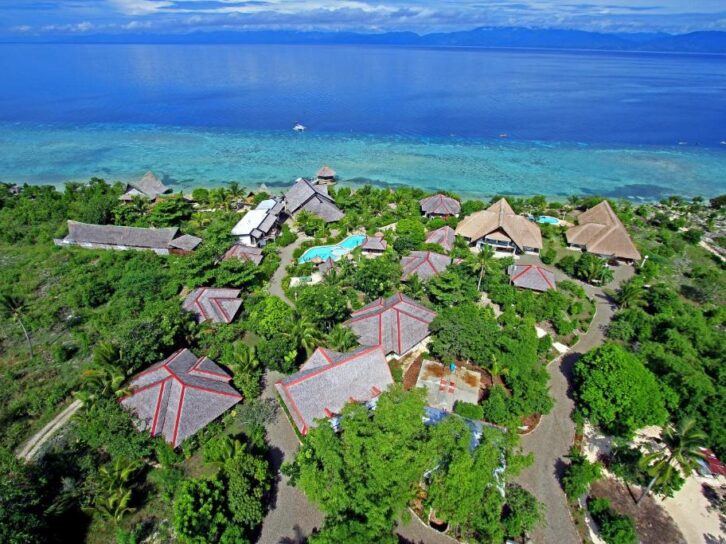
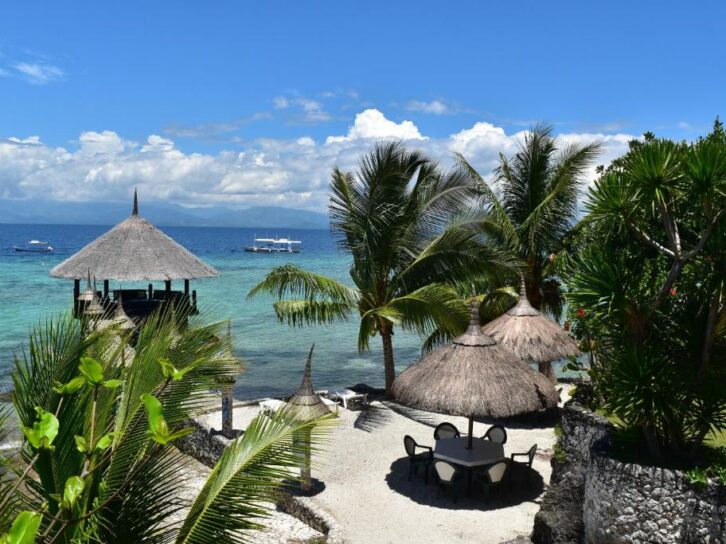
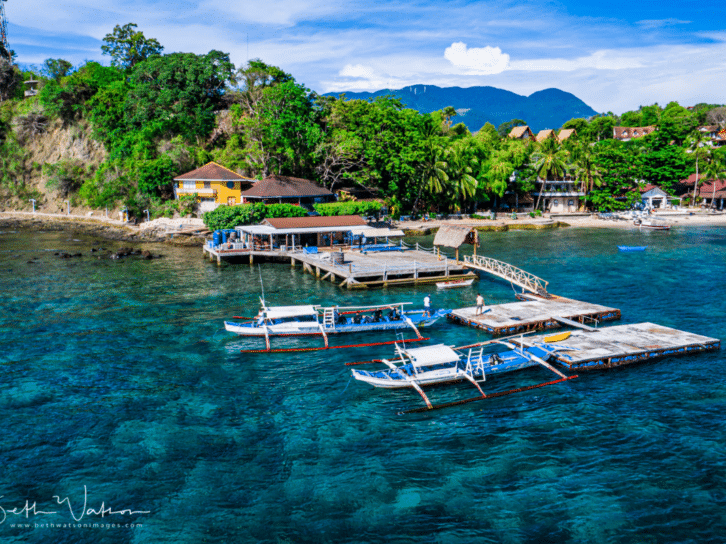
A stay at a dive resort is especially appealing if you want to combine different types of dives or if you also want to make time for other activities. Many dive resorts have their own dive center and organize both boat dives and shore dives.
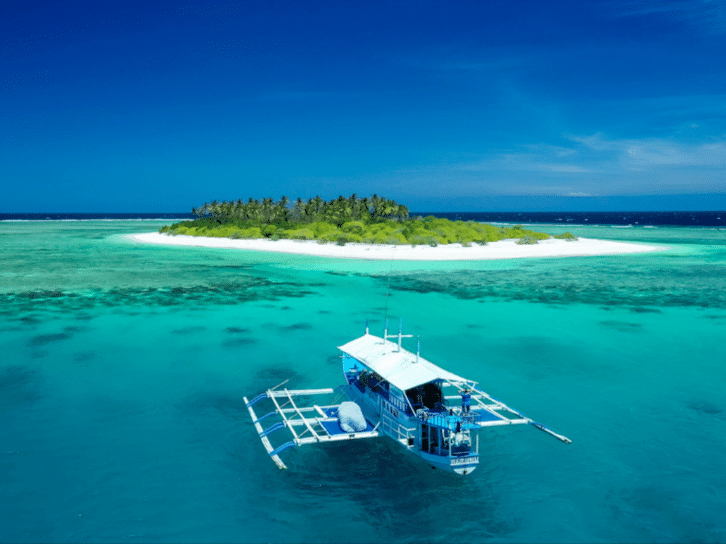
For some areas, a liveaboard is actually the best choice. You stay on board and sail for several days between different dive sites. This allows you to reach remote reefs that are difficult or impossible to access from a resort. A good example is Tubbataha Reefs Natural Park, a protected nature reserve in the Sulu Sea that you can only visit during the liveaboard season.
A liveaboard is particularly well-suited for divers who want to spend as much time as possible underwater and don’t mind staying on board for several days. A resort trip, on the other hand, offers more freedom and the opportunity to combine diving with island hopping, excursions, and relaxation.
So which option is best for you depends mainly on what you want to get out of your trip. And, of course, you can also combine the two.
Want to take a diving trip to the Philippines, too?
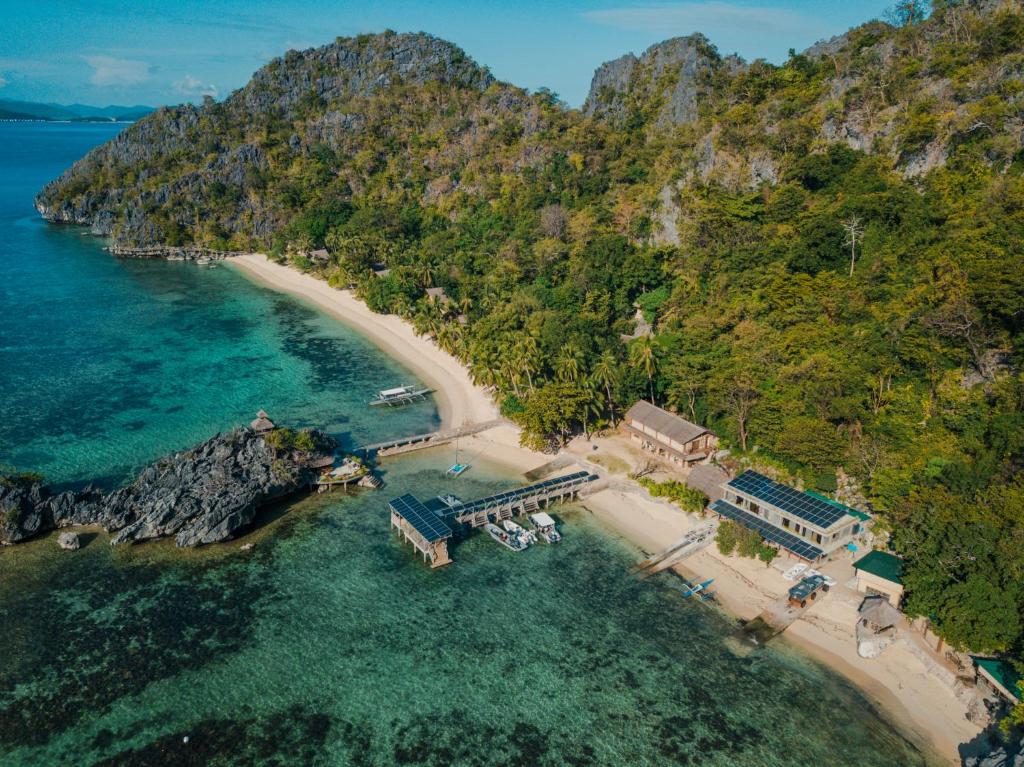
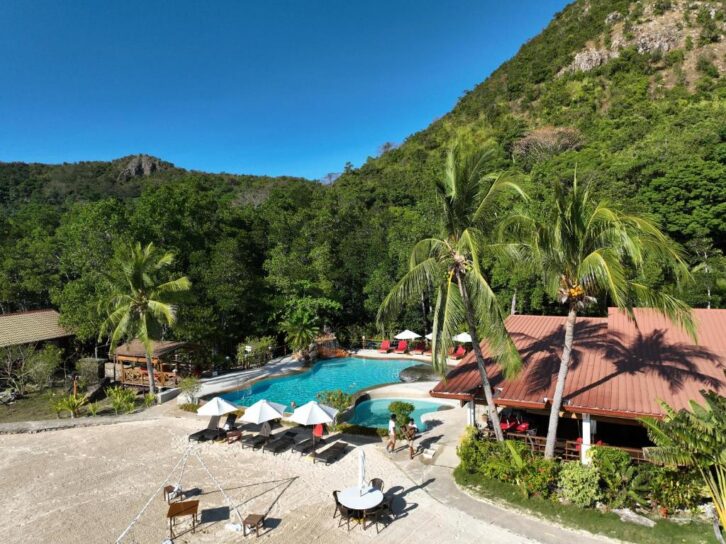


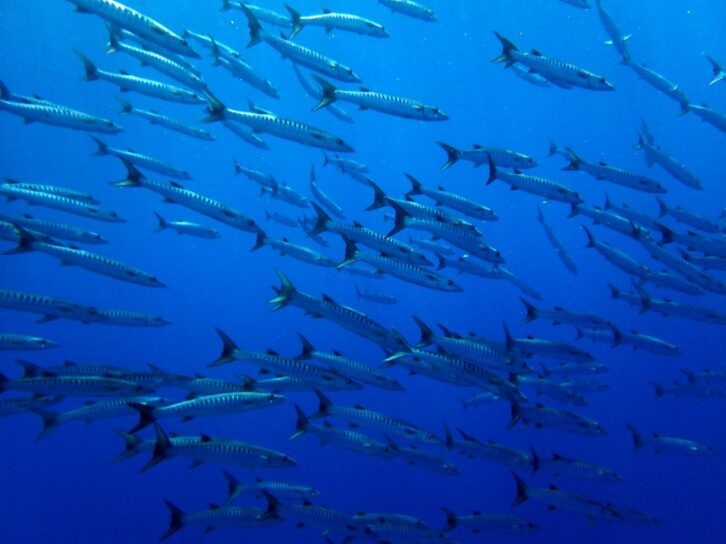
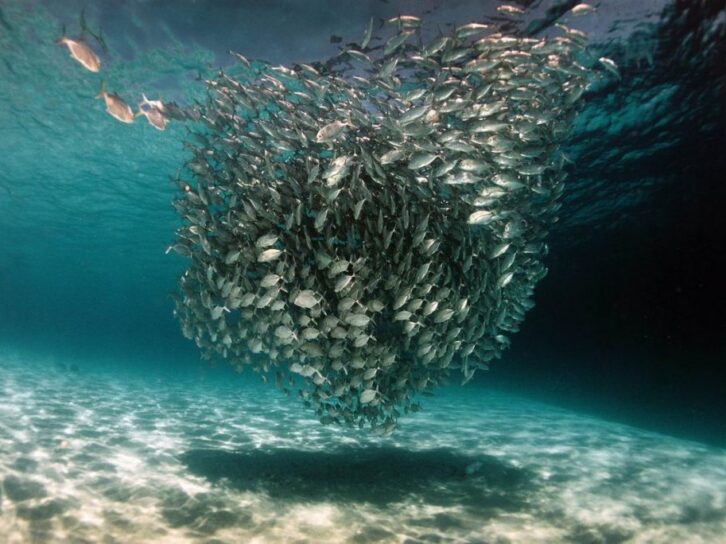
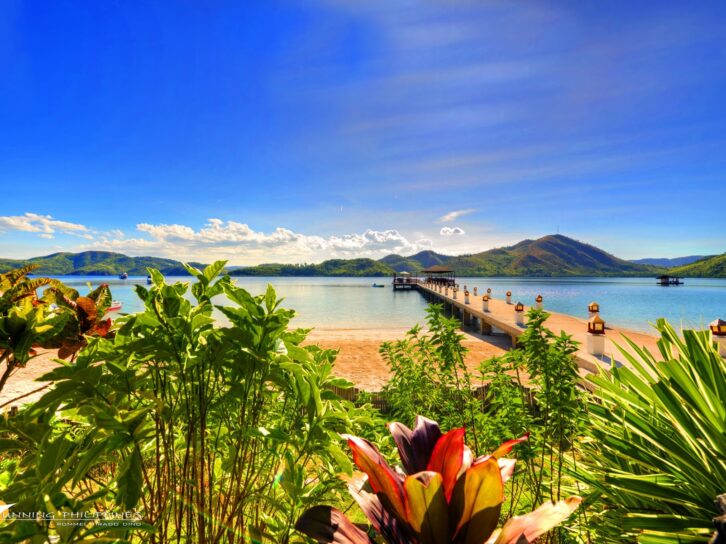



Diving Trip to the Philippines • Coron & Sangat Island
A comprehensive diving trip to the most beautiful dive sites in Coron and Sangat Island. World-famous shipwrecks, colorful reefs, and...
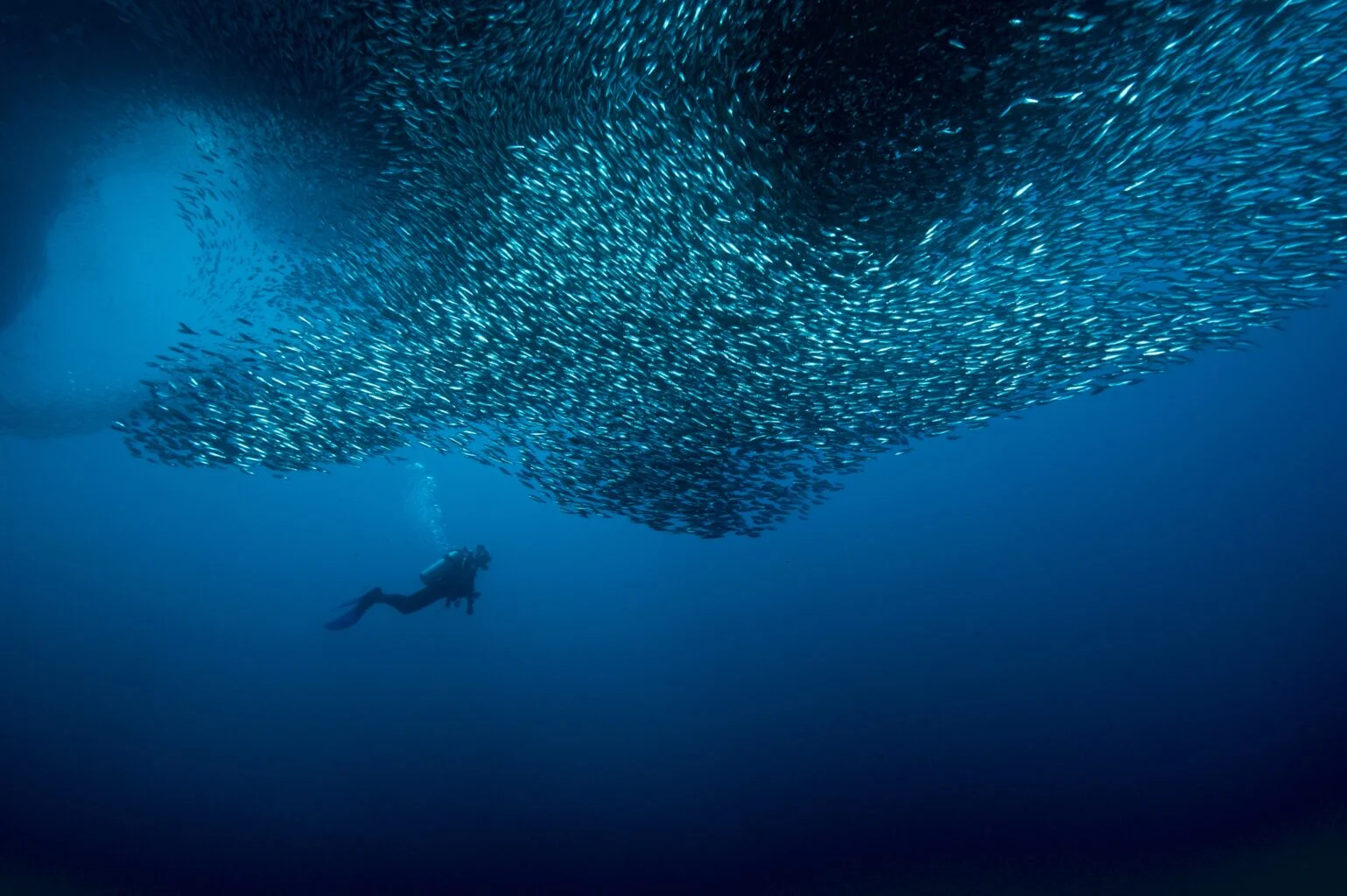

Group trip in the Philippines • Island Hopping: Moalboal, Dauin, and Cabilao
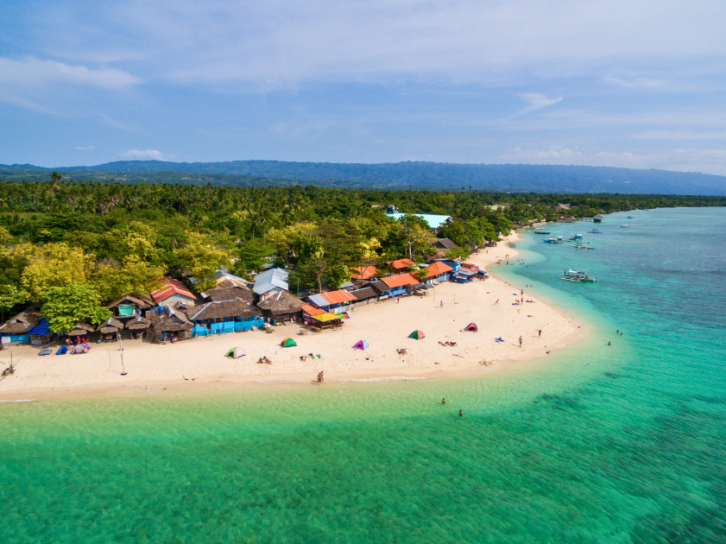
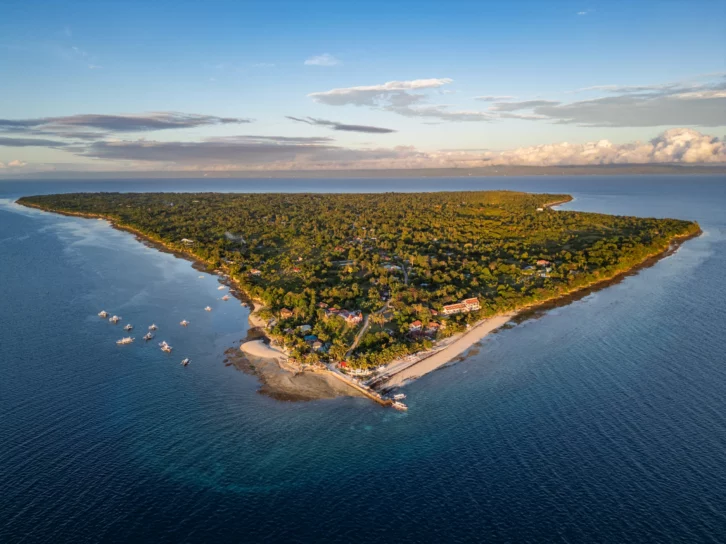
Discover three of the most beautiful diving destinations in the Philippines on a unique group trip. Dive among millions of...
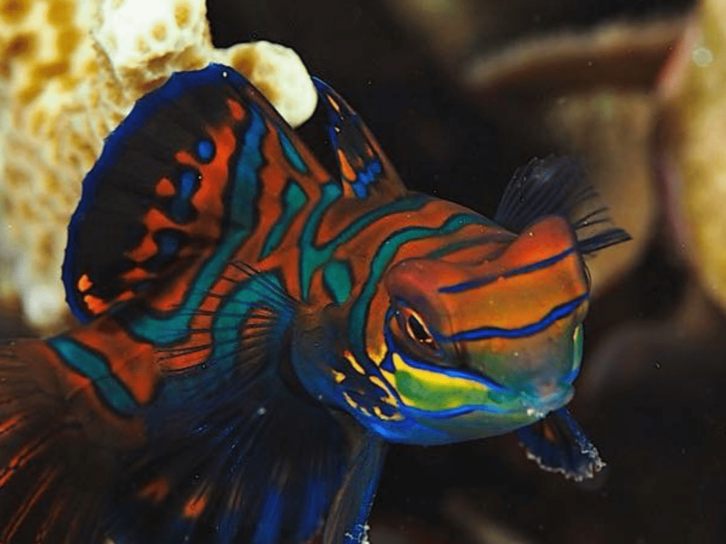
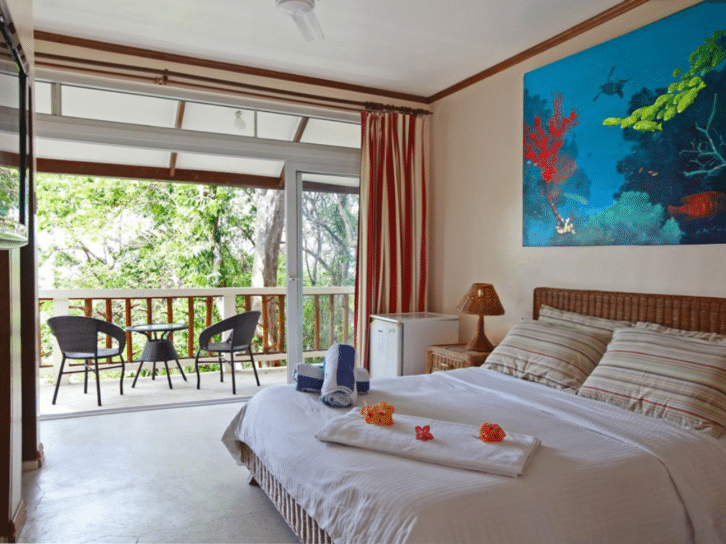
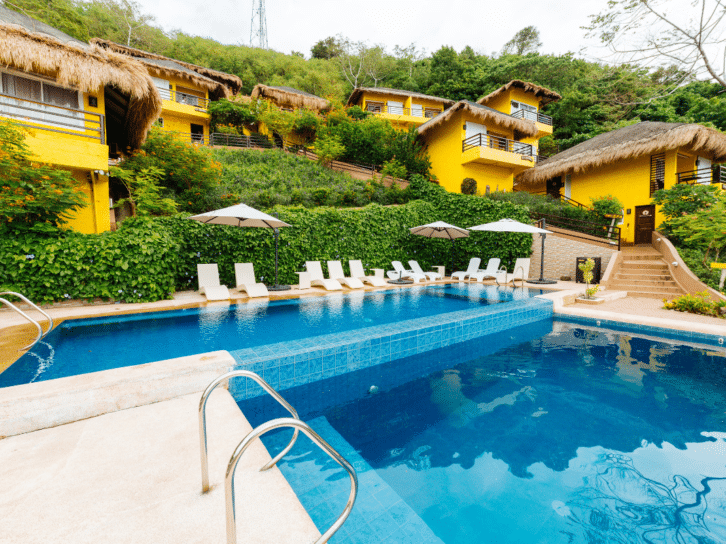
Critters & Reefs Unlimited – Philippines
Unlimited diving during your diving vacation in the Philippines. Up to 4 dives per day in Anilao and Puerto Galera.
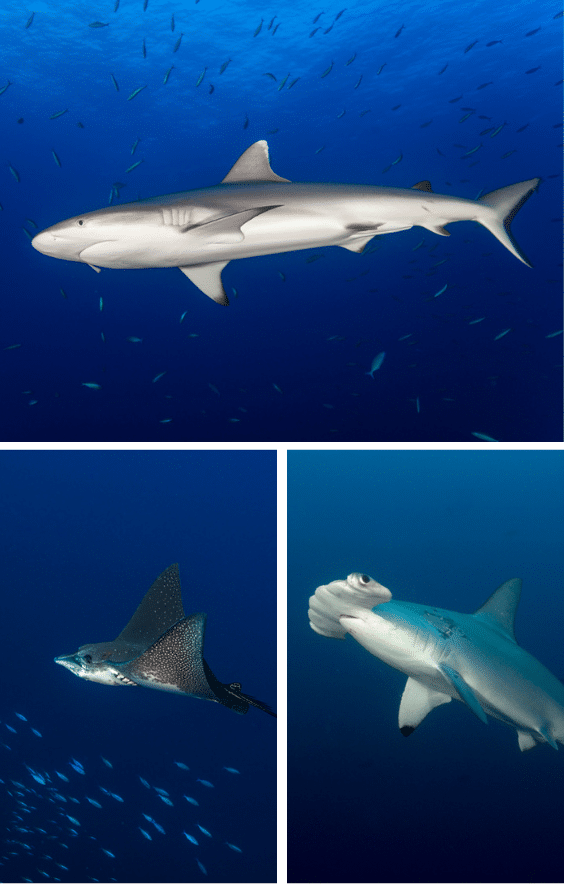
Dive Safari Tubbataha & Negros – Philippines
Do you love adventure and are looking for a relaxing diving vacation in the Philippines? Then book this combination trip...