Japan is a special destination, with particularly good dive sites. With thousands of islands, a huge coastline and diverse climates, you will find unprecedented diversity underwater. From tropical coral reefs full of manta rays in the south to wrecks, caves and even ice dives in the north – Japan is a diving destination full of surprises. In this blog we tell you about the different diving regions of Japan and what to expect underwater.
Diving in Japan: the different regions
Japan is located in the Pacific Ocean, a sea known for great life. Other iconic dive sites in this ocean include the Galápagos, Palau, Fiji and the Maldives, where divers can encounter large schools of pelagic fish, sharks and manta rays.
Japan is a large island kingdom that stretches from north to south and is completely surrounded by water. That makes for a huge diversity of diving areas: from tropical reefs and clear water in the south, to rugged, colder dives and wrecks in the north.
What makes diving in Japan truly unique is the combination of pristine nature, rich biodiversity and extraordinary underwater sites. You can dive among schools of hammerhead sharks at Mikomoto, past colorful reef walls in Okinawa, or explore the mysterious structures of Yonaguni reminiscent of a sunken city. In this guide, we explain the different regions and locations so you know what to expect.
1. Okinawa
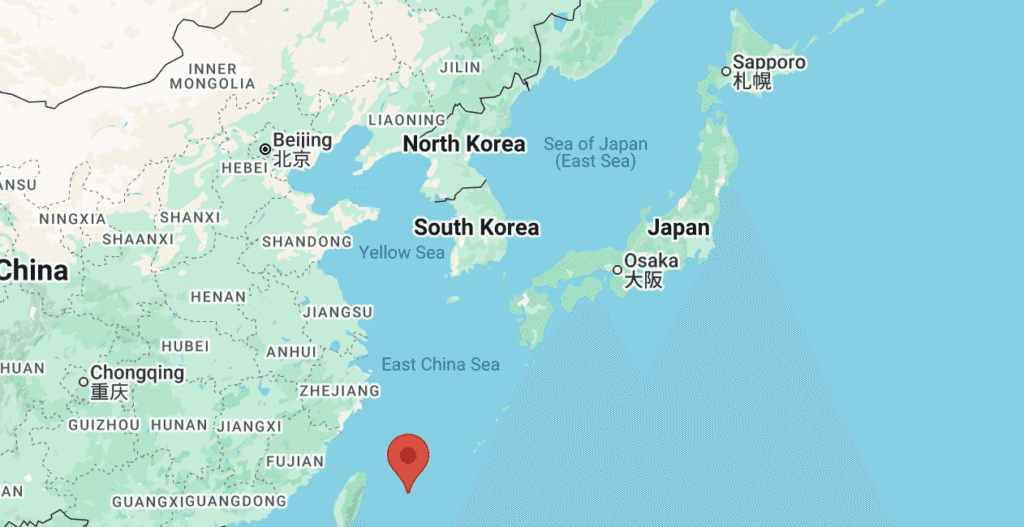
Located in the far south of Japan, Okinawa is made up of more than 150 islands. From Tokyo you fly in about three hours to this completely different side of the country. Due to the influence of the warm Kuroshio current, diving here feels completely different than on mainland Japan. Clear water, colorful reefs and a remarkably rich biodiversity define the underwater scene. Not for nothing is Okinawa often called the Hawaii of Japan.
What makes Okinawa so special is the combination of tropical conditions and Japanese organization. The water is relatively warm year-round, rarely dropping below 22°C. The coral reefs are extensive and unique within Japan, with both hard and soft corals. Thereby, Okinawa is suitable for divers of every level: from relaxed shore dives to challenging boat and drift dives. Thanks to the good infrastructure, there are plenty of dive centers and a wide range of dive boats sail daily.
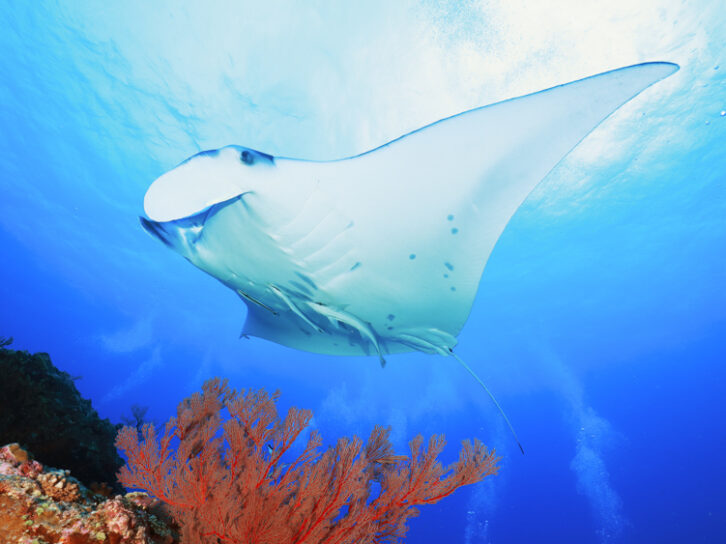
Underwater, the variety is great. You’ll encounter colorful reef fish here, schools of fusiliers migrating along the reefs, and sea turtles that can be seen almost year-round. Around Ishigaki, manta rays take center stage and can be admired at fixed cleaning stations. Macro lovers are also in for a treat with nudibranchs, shrimp and crabs of all shapes and colors. In the winter months, even humpback whales join the marine life, which can be spotted from the boat – and sometimes snorkeling.
Within Okinawa are several diving areas, each with its own character. The Okinawa main island is ideal for a first introduction, with many accessible shore dives and short boat times. The Kerama Islands are known for their crystal clear waters, white sandy bottoms and soft corals. Ishigaki and the Yaeyama Islands attract mostly divers hoping to see manta rays and large schools of fish. For experienced divers, Yonaguni is a spectacle in itself, with strong currents and the famous underwater monument that has captured the imagination of the world. We delve deeper into the different islands and regions of Okinawa in this blog.
Diving conditions & best travel time Okinawa
Visibility: more than 20 meters
Water temperature: about 22-29°C
Best period: April to November
Winter: cooler water, more wind, but chance of whales
2. Izu Peninsula
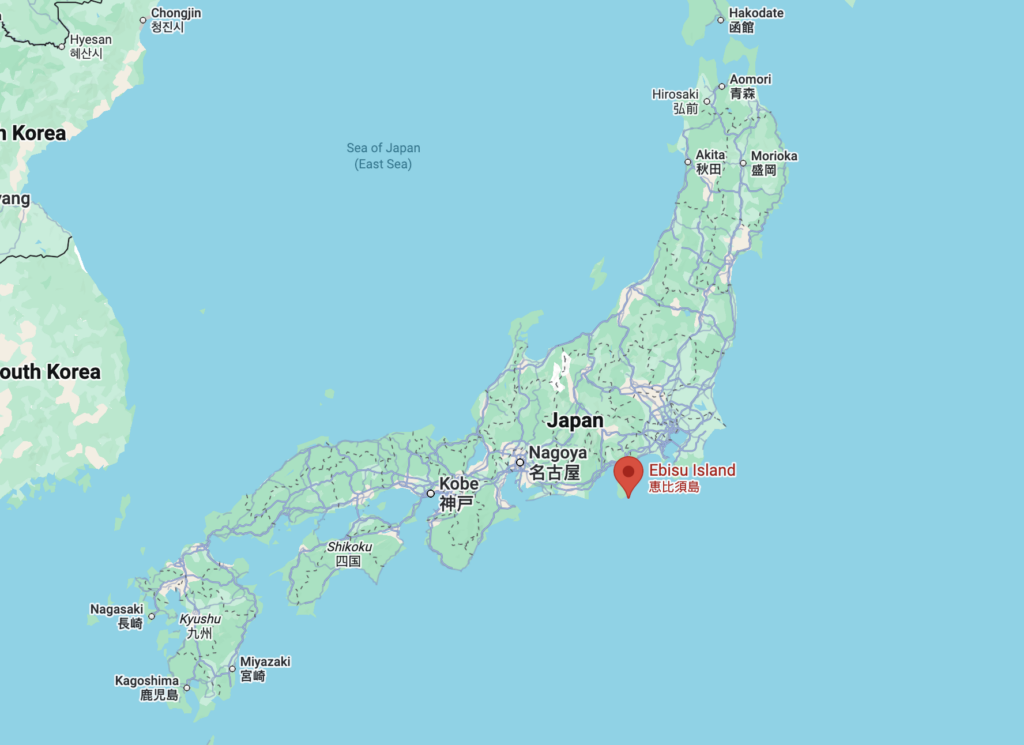
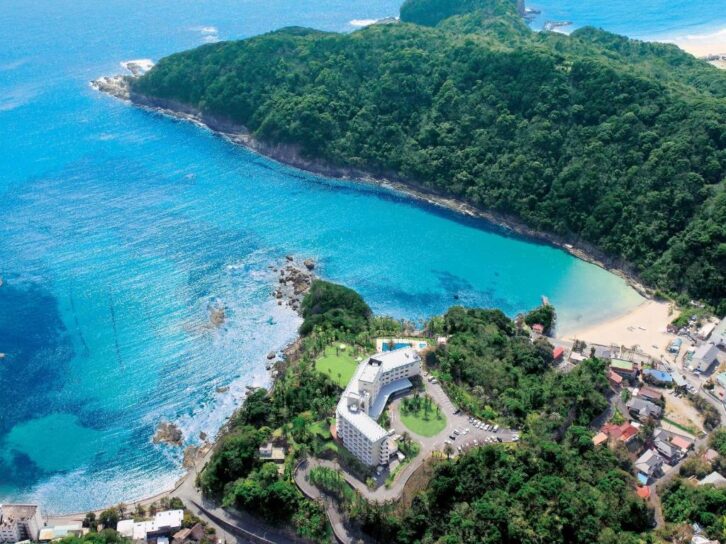
Located south of Tokyo, the Izu Peninsula is one of Japan’s most popular diving regions. From the capital you can reach the coast in two to three hours, making it ideal for a short diving trip or a longer stay. Its location on the Pacific Ocean provides varied diving conditions and rich marine life.
What makes Izu special is its combination of easy accessibility and great variety. Here, the warm Kuroshio current collides with cooler water layers, making the water nutrient-rich and abundant with life. Underwater, you’ll find a volcanic landscape: lava flows, rock formations, caves and overhangs. Where Okinawa is all about tropical reefs, Izu is more about fish, macro life and impressive structures.
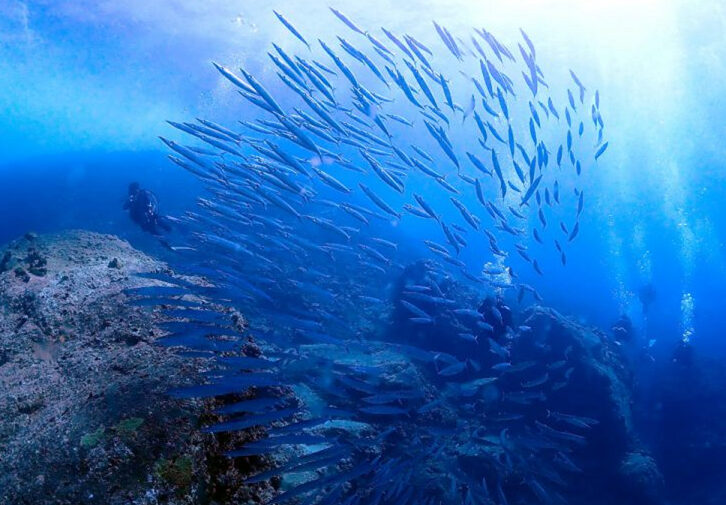
Izu is known for its biodiversity and seasonal species. You will see schools of reef fish, barracudas, seahorses and nudibranchs. Depending on the season, you may even encounter manta rays, sunfish (mola mola) or sharks. One of the most famous dive sites is Mikomoto-jima, a small island with steep walls and strong currents, loved by advanced divers for its abundant macro life and spectacular drop-offs. Here you can see schools of hammerhead sharks by the thousands. If you have ever seen a video of such a school passing by on Instagram, the video was definitely shot here.
Other popular dive areas include Osezaki and Ito, known for varied dive sites and larger schools of fish. For wreck diving, visit Atami, while Izu Oshima offers a more island feel with clear waters and impressive lava formations.
Diving conditions & best travel time Izu
Visibility: often more than 20 meters
Water temperature: about 16-27°C (depending on season and currents)
Best period: April to November
Winter: cooler water, more wind, but chance of large pelagic species such as mola mola
Hammerhead sharks: greatest chance from July through October
3. Tokyo / Chiba
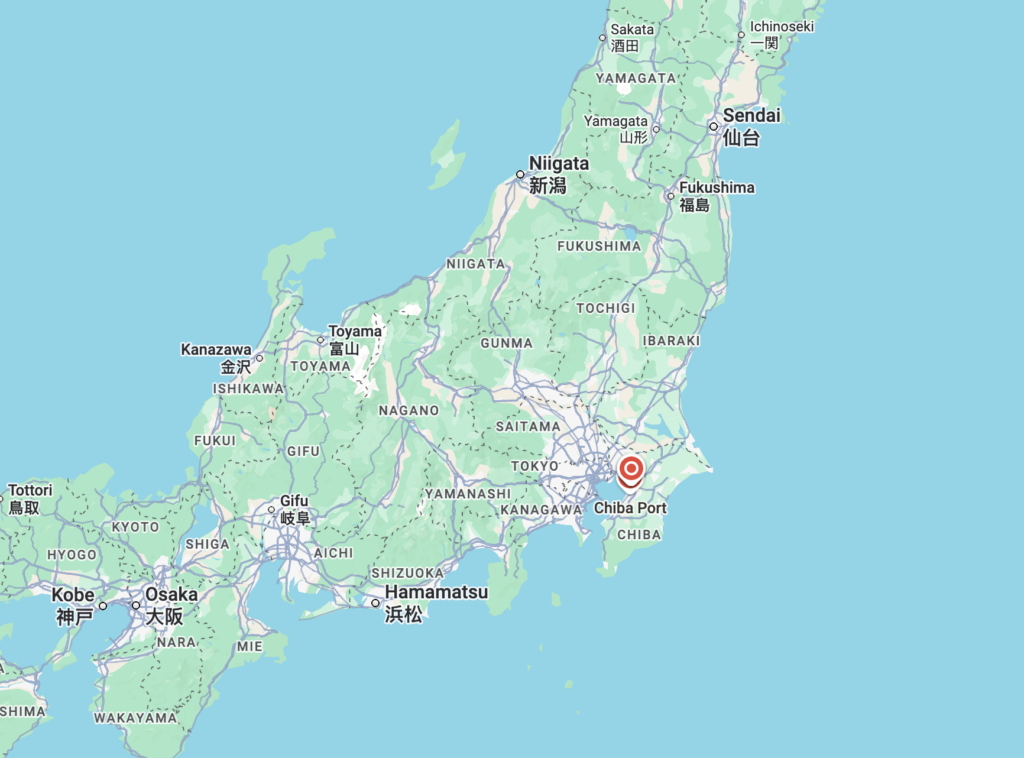
The region around Tokyo, especially the Boso Peninsula in Chiba, may not be the first thing you think of when you think of diving in Japan. Yet this area offers unique experiences for divers seeking a mix of accessibility, great marine life and surprising encounters. From busy Tokyo, you can get to the coast within an hour and a half to two hours, making diving here perfect to combine with a city break.
Chiba’s most iconic diving area is the so-called Shark Scramble, a place where large schools of hundreds of small sharks congregate. It’s a spectacular sight: the sharks swim around quietly, while divers swim among them and can observe the movements of aquatic life up close. These dives are suitable for both experienced and recreational divers, as long as you follow the instructions of the local guide.
Underwater, Chiba offers more than just sharks. The area has rock formations, wrecks and kelp forests, where schools of reef fish, barracudas and other pelagic species swim around. Macro-lovers will also find their favorite subjects here: shrimp, crabs and small seahorses can often be spotted. The variation in habitat makes every diving adventure different, even with multiple dives in the same location.
We do not offer dives at this site in our trips because the sharks here are actively fed and dependent on the fishermen. At the Shark Scramble, the sharks are fed to keep them away from the fishing nets, so they are not caught as bycatch. At the same time, this creates a unique and reliable diving experience for tourists. The feeding of banded houndsharks and rays is a community-supported conservation project, turning a problem for fishermen into a sustainable eco-tourism attraction.
Diving conditions & best travel time Tokyo / Chiba
Visibility: 10-20 meters (depending on current and season)
Water temperature: approx. 16-24°C
Best period: May to November
Winter: cooler water, more current, but also quieter with fewer divers
4. Shikoku
Located south of Honshu, Shikoku Island is one of Japan’s lesser-known diving destinations. Because of this, the marine life here often remains pristine and you can enjoy diving away from the crowds. From the larger cities in the region, Shikoku is easily accessible, but it immediately feels like a piece of remote paradise for those seeking peace and nature.
What makes Shikoku unique is the influence of the nutrient-rich Kuroshio Stream. This brings lots of plankton and nutritious water, making the area a hotspot for macro life. Divers will find a huge variety of small, colorful animals such as nudibranchs, shrimp, crabs and unusual fish, ideal for anyone focusing on macro photography. For photographers, Shikoku is therefore a veritable bible of subjects: every reef, rock and piece of sand can provide a new, surprising photo opportunity.
The underwater landscape is also very varied: rock formations, small caves and coral reefs alternate, and above water you will find beautiful waterfalls and quiet bays that contribute to the idyllic atmosphere of the island. The combination of rich biodiversity, quiet dive sites and photogenic conditions makes Shikoku perfect for divers seeking quality over quantity.
Diving conditions & best travel time Shikoku
Visibility: 10-20 meters, often better in late spring and summer
Water temperature: about 18-26°C
Best period: May to October
Winter: cooler water, quieter on the water, suitable for dry suit diving
5. Hokkaido
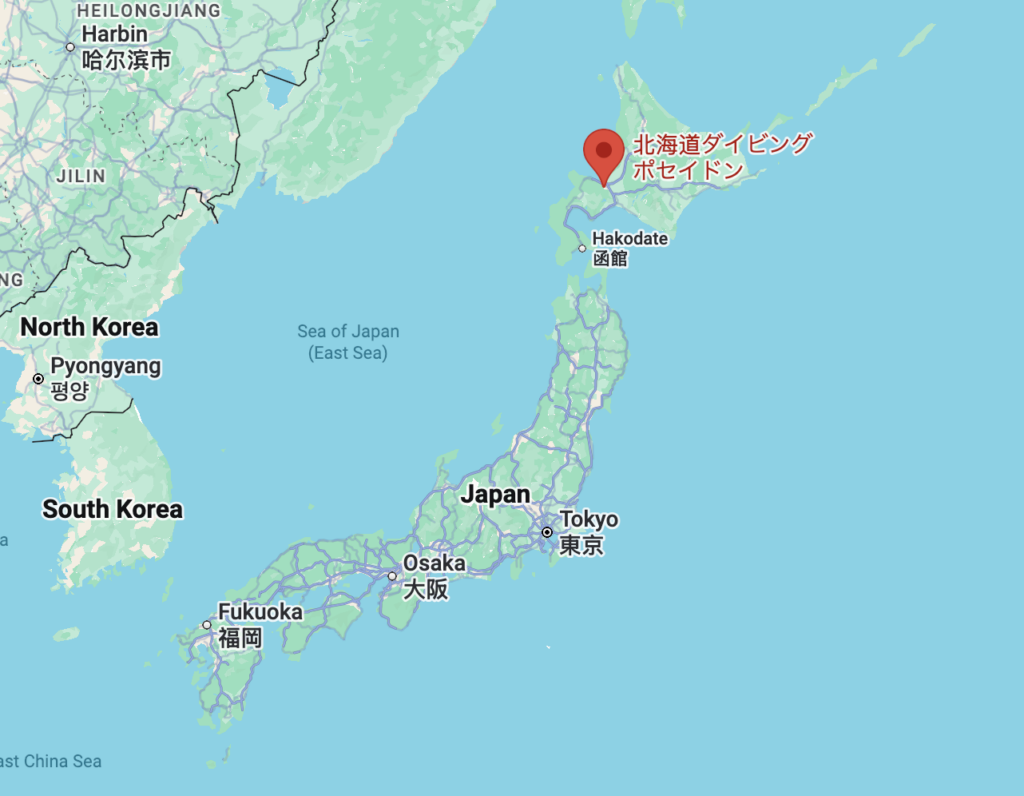
The northern island of Hokkaido stands in stark contrast to the tropical dives of Okinawa or the macro pearls of Shikoku. Here you will dive in cool, clear waters and discover a world that is virtually unique in Japan. Hokkaido is a bit more remote and challenging, making the region less crowded.
What makes Hokkaido special is the presence of cold-water fauna and the vast, rugged underwater landscapes. Divers will find rock formations, kelp forests and wrecks, as well as unusual species such as sea lions, thornback rays and, in certain seasons, sea birds and even ice diving experiences. The contrast between the cold water and the rich life makes these dives special and often spectacular, especially for photographers and adventurous divers.
In addition, Hokkaido is a place where seasons play a distinct role. Summer temperatures are milder and visibility good, while winter is more challenging: colder water, currents and icy conditions. For those who enjoy dry-suit diving and seek unique cold-water experiences, Hokkaido is paradise. It is the perfect choice for those who want to experience diving in Japan from a totally different perspective.
Diving conditions & best travel time Hokkaido
Visibility: 10-25 meters, depending on location and season
Water temperature: 2-18°C, depending on the time of year
Best period: June to September
Winter: very cold water, ice and snow, dry suit required, calm dives with special fauna
Going to Japan with EWDR
We currently have two sample tours to Japan in our offerings, both of which are round trips. We have worked out two itineraries that introduce you to the country in a beautiful way. One is a trip of more than three weeks where you first travel through Japan for two weeks and finish with a week of diving in Okinawa, and a shorter trip of two weeks where you combine the tour with diving at Mikomoto.
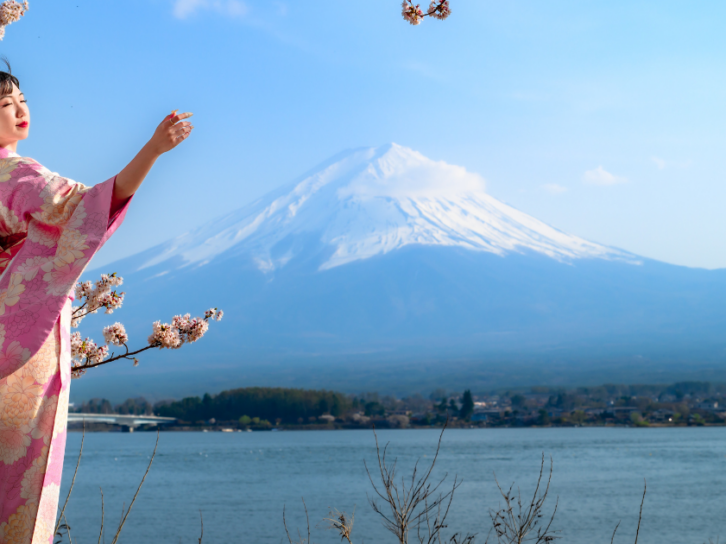
During these tours you will discover different kantan of Japan. You stay alternately in comfortable hotels with western beds and traditional Japanese lodgings, sleeping on futons and really stepping into the local culture for a while. Along the way you will visit cities such as Kyoto and Tokyo, but you will also come to areas where it is quieter and nature plays a bigger role, such as around Mount Fuji.
Part of the journey is by train. In Japan, this is not only practical and efficient, but also part of the experience itself. You travel leisurely through the country as the landscape slowly changes from busy cities to mountains, coasts and countryside.
It is precisely this variety that makes these trips so interesting. One day you walk past temples and traditional districts, the next day you are in the middle of nature with a view of Mount Fuji. And then you exchange the land for the underwater world, where you discover yet another totally different side of Japan.