Diving in Alor: a complete guide
Alor is one of Indonesia’s most pristine and diverse islands. Located in the province of East Nusa Tenggara, it is known for its rugged landscapes, traditional villages and an underwater world that is among the best in Asia. Despite its exceptional biodiversity, Alor is relatively unknown to the general public, giving you the feeling of being really far away from the masses. In this blog we tell you all about Alor as a diving destination.
Table of contents
General information about Alor
The island is part of the Alor Archipelago, a group of seventeen islands where ancient cultures, volcanic mountains and crystal clear waters converge. The currents around Alor bring nutrient-rich water to the reefs, making the dive sites there particularly healthy and colorful. At the same time, above water, the island offers a peaceful, authentic atmosphere with friendly locals, traditional weaving and unique coastal landscapes.
- Location: eastern Nusa Tenggara, east of Flores and near Timor-Leste
- Surface area: about 2,000 km²
- Population: about 200,000 inhabitants

Alor is often compared to other relatively remote and pristine diving destinations in Indonesia, where both spectacular walls and rich macro-life can be found. The most comparable spots are:
- Komodo: Like Alor, Komodo has a combination of steep walls, strong currents and colorful reefs. Both destinations are relatively quiet, far from mass tourism, and offer opportunities for big game such as manta rays. Perhaps the biggest difference is that Komodo is slightly more accessible and touristy than Alor.
Raja Ampat: Also, Alor is sometimes compared to Raja Ampat. It’s very different overwater here, but both places have immense biodiversity and pristine reefs.
- Lembeh / North Sulawesi: especially for muck-diving and spotting rare critters, Lembeh is comparable.


Why dive in Alor?
Diving in Alor is an experience you won’t find anywhere else in Indonesia quite like it. The reefs around the island are remarkably pristine, precisely because Alor is still relatively unvisited. Hard and soft corals here are still in excellent condition, giving every dive a colorful and vibrant character. Thanks to its location in an area where various ocean currents converge, biodiversity is exceptionally high. Here you’ll find a rare mix of macro life—such as frogfish, harlequin ghost pipefish, and seahorses—as well as pelagic life like hammerhead sharks, mola mola, thresher sharks, and pygmy blue whales.
The variety of diving conditions also makes Alor unique. Some sites have strong currents that carry nutrient-rich water and support a thriving reef ecosystem. The muck dive sites are relatively calm and perfect for exploring the underwater world in complete serenity. This combination makes the area attractive to experienced divers.
Alor is also known as a destination where you can regularly encounter large marine life. Depending on the season, you can spot thresher sharks, reef sharks, hammerhead sharks, dolphins, and even mola mola here. There’s also the whale migration, during which you have the chance to encounter the giants of the sea: the pygmy blue whale. Between dives, you’ll discover an island whose culture is just as fascinating as its underwater world. The locals are known for their friendliness, traditional villages, and unique weaving artistry. And above all: you’ll be diving here far away from mass tourism. No crowded boats, no overcrowded dive sites—just peace, nature, and pure Indonesia.
Best travel time for diving in Alor
The best time to dive in Alor is from April to November, during the dry season. During these months, weather conditions are generally stable, with little rain, calm seas and excellent diving conditions.
Visibility: Underwater visibility is optimal during this period, often ranging from 20 to 40 meters along the steep walls and around 15–25 meters at the popular muck diving sites. During the rainy season (December–March), the dive resorts are closed and diving is not possible on Alor.
Water temperature: The water is pleasantly warm, averaging 27–29°C. In shallower areas or where currents are stronger, it may feel slightly cooler, but a 5mm wetsuit is usually sufficient for comfort during dives. Due to the thermocline, it can also be significantly colder at depth. A difference of 7 to 8 °C compared to the surface is not uncommon at some dive sites.
Currents: Currents are present around Alor, but vary by dive site. Many walls have mild to moderate currents, ideal for drift diving and observing pelagic species. The muck diving sites are sometimes current-free, but more often than not, there is a current. This means it’s not a top destination for underwater photographers.
| Period | Diving conditions | Wetsuit Advice | Details |
|---|---|---|---|
| April–May | Good visibility (20–35 m at wall sites, 15–20 m at muck dive sites), calm seas, mild currents | 5 mm | Start of the dry season, ideal diving conditions, healthy reefs, comfortably warm water (27–29°C) |
| June–September | Excellent visibility (20–40 m), stable weather, currents usually mild to moderate | 5 mm | High season for diving, perfect drift diving at walls, macro diving at muck locations excellent. Whales often migrate along the coast from June to August, extra chance of spotting whales and dolphins |
| October–November | Good visibility (20–35 m), occasional stronger winds and waves, slightly variable currents | 5 mm | End of the dry season, slightly higher chance of rain showers, still ideal for all types of diving |
| December – March | Diving area is closed | Rainy season and rough seas; as a result, hotels and dive schools are closed during this period |
Where to dive in Alor?
Alor’s underwater landscape offers incredible variety: deep, vertical walls, coral-covered slopes, volcanic structures, black sand mass and strong currents full of pelagic life. All dive sites are located in Pantar Strait, the channel between Alor and the Pantar Islands, where two volcanic islands – Pura and Ternate – rise out of the sea. These islands and the unique geography of the Strait form one of Indonesia’s richest marine environments. Here is an overview of some great dive sites.
Panther Island (near Pura)
Some of the most iconic spots in Alor are located here:
- Bama Wall
An impressive vertical wall that descends to about 90 meters.
Divers often spot pelagic species swimming along the blue water. - Bakalang Jetty
A perfect macro dive with 15-meter high pillars completely covered with coral. A great place for angler fish, ghost whistle fish, nudibranchs and many other critters. - Yellow Corner (Monaseli)
The most famous spot for schools of scalloped hammerhead sharks. The maximum depth is about 32 meters and the current can be very strong – you must be fit enough to swim briefly against the current to reach the “corner.” Once there, you hook up with reef hooks and wait for hammerhead sharks to appear in the blue. In addition to hammerhead sharks, you will also find white tip sharks, black tip sharks, gray reefs, silky sharks, as well as mobulas, eagle rays, marble rays and sometimes oceanic manta rays. In strong currents, schools of fish gather along the edge, creating spectacular scenes.
Pulau Ternate
A volcanic island with dramatic and steep walls, ideal for relaxed drift diving, going with the current. The coral here is exceptionally healthy, full of soft and hard coral formations. You drift past schools of reef fish, beautiful sea fans, sponges and the occasional macro creatures hiding in crevices. It is also common to see larger marine life passing by in blue. Visibility is often excellent, up to 30-35 meters.
Pulau Pura
Pura offers a diverse range of environments: rolling coral reefs, patches of black sand and rock walls.
In this area, you are more likely to encounter large animals, including reef sharks, thresher sharks and occasionally even hammerhead sharks.
The currents around Pura tend to be stronger, making many dives exciting, sometimes fast drifts.
The coral is world-class: very healthy, colorful and full of fish, with dense schools swirling along the slopes.
South Alor
An area for divers who enjoy strong currents and adrenaline-packed drifts. Along Pulau Alor are some seven dive sites with walls, slopes and two sites with swim-throughs. The currents here can be extremely powerful, turning the underwater topography into unique formations. The marine life is abundant – large schools of fish, sharks and tuna – and during the cooler months (20-25°C) there is a chance to see Mola Mola.
Kalabahi Bay
A 10-km-long bay leading inland to the capital city of Alor. The north shore of the bay is a macrophotographer’s paradise, with black volcanic sand and poor visibility – perfect for spotting rare and unusual creatures.
Highlights include:
- Rhinopias (weedy scorpion fish) in various colors
- All types of angler fishing
- Many species of pipefish
- Octopuses: wonderpus, blue-ring octopus, mimic and even reports of hairy octopuses
- Shrimp: harlequin, spiny tiger, Donald Duck, hairy shrimp and more
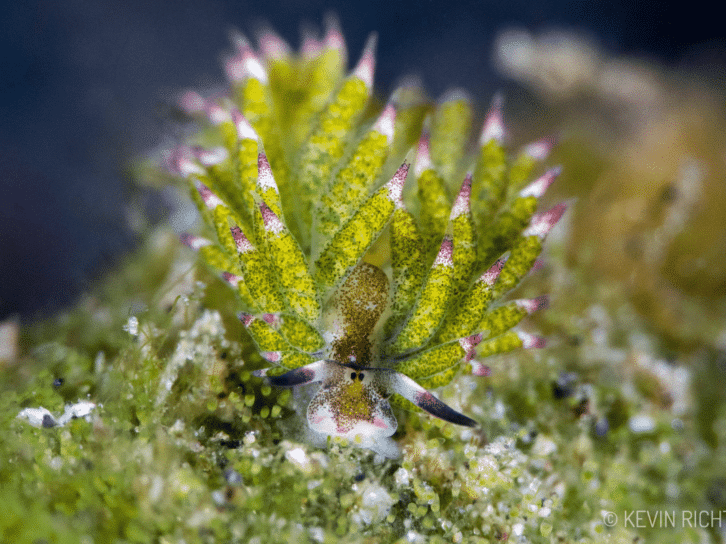
- An incredible variety of slugs
Expect to discover something new with every dive; it is a macro photographer’s paradise.
Moko House Reef
This is the house reef of one of the resorts on Alor. It is an easy and very beautiful dive, suitable for all levels. It has a gradual slope from 3 to 20 meters, before changing to a sandy bottom to about 35 meters.
Highlights include:
- Very healthy coral and rich fish life – like diving into an aquarium
- Nesting hawksbill turtles (mostly shy)
- Blacktip reef sharks of about 15 meters
- Excellent macro shots, both day and night: ornamental crabs, pipefish, seahorses, shrimp, octopus and regular wonder pools in the shallows.
During sunset and low tide, divers can explore the tide pools with a flashlight and often spot small critters hiding in the sand or rocks.
Marine life in Alor: what to expect during your dive?
It is bursting with life underwater and you can expect a good mix of macro life and large pelagic species. Below is an overview of some species, but it is not a complete list: there is much more to discover.
Large & marine mammals
- Bottlenose dolphins
- Spinner dolphins
- Sperm whale (whale)
- Pgymee blue whale
- Orcas (very small chance)
- Turtles (green, hawksbill)
- Dugong (at a fixed location)
Pelagics & predatory fish
- Reef Sharks
- Hammerheads
- Fox Sharks
- Mola mola
- Tuna
- Jacks
- Barracuda
- Napoleons (Maori wrasse)
Reefs & coral
- Soft corals
- Hard coral gardens
- Fan corals
- Sponge formations and coral mounds
Reef fish & schools
- Fusiliers in massive clouds
- Snappers
- Anthias carpets
- Butterflyfish
- Triggerfish
- Sweetlips & groupers
- Misses & clownfish
Marco & muck
- Flamboyant cuttlefish
- Harlequin shrimp
- Pygmy seahorses
- Ghost pipefish
- Frogfish
- Blue spotted octopus
- Wonderpus
- Rare crabs
Seasonal
- Whales (June–July and mid-September–November)
- Grote visactiviteit door sterke stromingen
Who is Alor a good destination for?
Alor is suitable for experienced divers; we recommend that you have at least an Advanced Open Water certification, 100 logged dives, and sufficient experience with drift diving. Keep in mind that during a dive, you may have to swim against the current, as well as deal with upward and downward currents. Because of this, it is definitely not a diving destination for beginner divers. Because of these currents, it’s also not an ideal spot for underwater photographers with large cameras.
What diving equipment do you need in Alor?
When fishing for Alor, there are a few items you should bring along in addition to your standard gear. A reef hook and/or pointer and a surface buoy with a reel are essential to have with you here.
Here is a list of the most common diving equipment for Alor.
Basic equipment
- Wetsuit: Water temperatures can range from 27 to 18°C. You’ll need at least a 5mm wetsuit; a hooded vest can also be a good option at colder dive sites. This should be arranged in advance with the dive school. You’ll always dive here in a full-length wetsuit. Due to the underwater currents and swell, you could be pushed against the reef, so you need to protect yourself from that as well.
- Mask & snorkel: A well-fitting proprietary mask is recommended for optimal vision and comfort. The snorkel is especially useful when waiting for the boat.
- Fins: In Alor it is also possible to make shore dives. So in that case it is nice to have open heel fins with booties. By the way, it is always nice if you have to walk across the beach to the boat for protection of your feet.
- Duikcomputer: Sterk aanbevolen voor een veilige duik en om je duikprofiel goed bij te houden, zeker als je meerdere duiken per dag maakt.
- BCD & regulator: The rental equipment available at local dive shops is limited, so it’s best to bring your own gear. Also, bring a DIN-INT adapter if you have one.
Additional accessories
- Underwater camera: The visibility in Alor is fantastic and you are guaranteed to see unusual animals. Given the dives with currents, you will be able to capture the best footage with a GoPro or other action camera. Keep in mind that with these types of cameras it is harder to capture small life well, these cameras have trouble focusing.
- Diving lamp: Not necessary, but can be nice when looking for small life. Keep in mind, of course, that you are not shining animals right in the eyes.
- Surface marker buoy: You’ll be doing a lot of drift dives, so it’s important that you’re always able to communicate your location to the boat using an SMB (surface marker buoy).
- Reef hook and/or pointer: For some dives, you’ll need a reef hook to secure yourself to the reef.
- Diving gloves and boots: Gloves are handy, but not essential. Boots, however, are essential.
- Dry bag: Since they are also boat dives, it is convenient to bring a dry bag for valuables. A dry bag is specially designed to keep belongings dry during boat trips. They are often made of sturdy, waterproof material with a roll-up closure at the top to keep water out.
Diving in Alor with EWDR
We currently have a number of sample itineraries to Alor on our website to give you an idea of what such a trip might look like. Since it’s a destination that requires a bit of travel to reach, we recommend spending at least 2 weeks there. 3 weeks is actually even better, so you can enjoy a nice balance between diving and exploring the island above water. All our trips are custom-made, so you can tailor the trip exactly to your preferences.


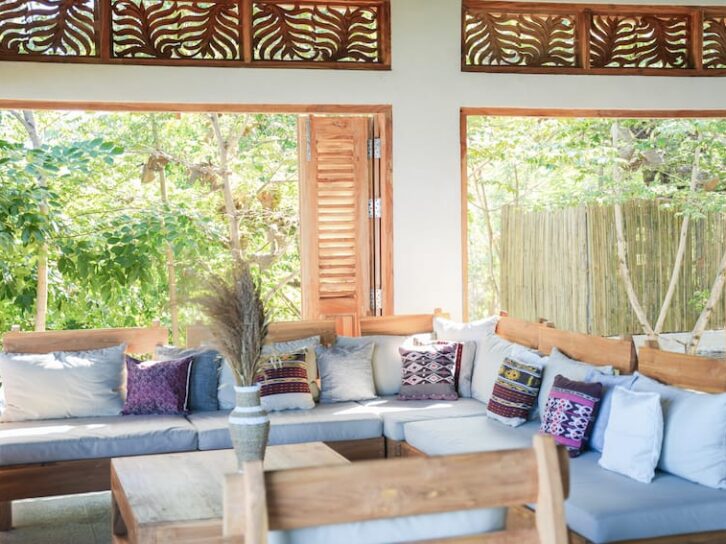


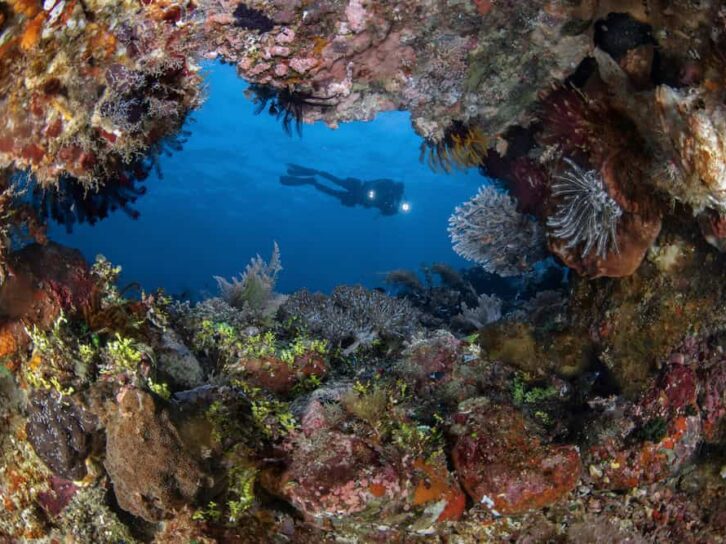
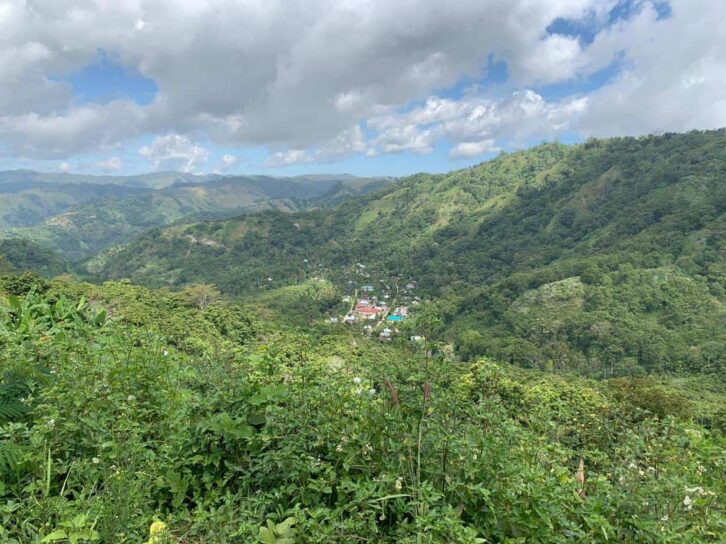
Alor Diving Trip • Alor Tanapi Dive Resort
Dive into the pristine waters of Alor and discover colorful reefs, large schools of fish, and unique marine life. Stay...


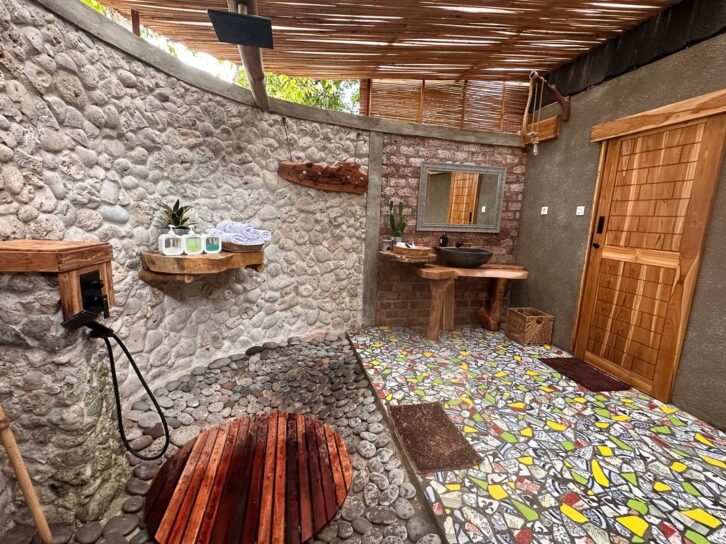
Alor Diving Trip • Moko Alor Dive Resort
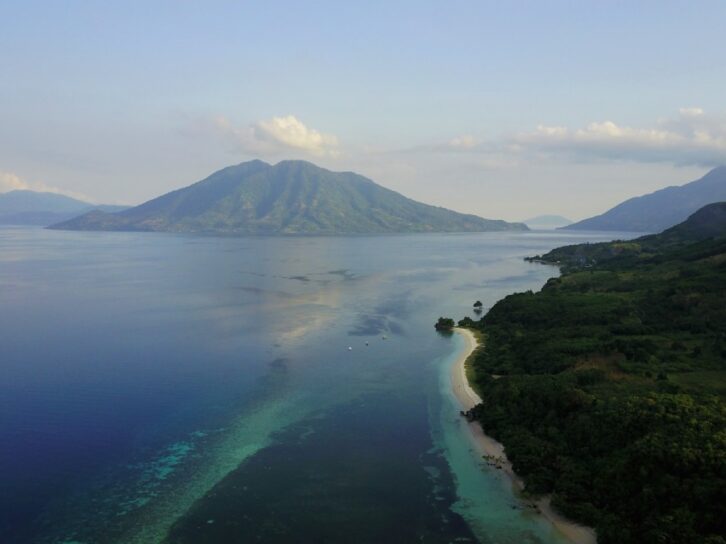
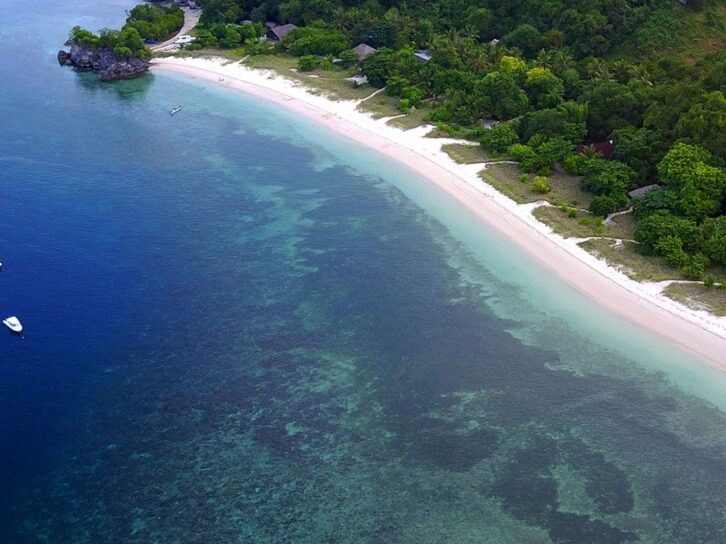
Explore unspoiled Alor and stay at the small, intimate Moko Alor. Enjoy colorful reefs, macro life, and breathtaking natural scenery.


Alor Diving Trip • Alor Divers Eco Resort on Pantar Island
A unique diving trip to the remote Pantar Island in the Alor Archipelago. Plenty of dive time, long dives, and...


Alor Diving Trip • Alami Alor Boutique Dive Resort
Stay at the intimate Alami Alor and discover Alor’s impressive underwater world. From this boutique resort, you’ll dive among colorful...