Snorkeling and swimming with humpback whales in Tonga: a complete guide
There are several places worldwide to spot whales, almost every month it is possible somewhere in the world. But being in the water with these giant animals is only possible in a few places. One such place is Tonga: a group of islands just about on the other side of the world. Here there are ecological tours, with great attention to respect for the whales, where you can swim and snorkel with humpback whales. In this blog we explain to you exactly how this works, when to be in Tonga and why the whales come to Tonga.
Table of contents
About whale migration
Whales can only be found in Tonga for a certain period of the year. It is quite normal for whales to migrate, a certain period of the year they are in the cold Antarctica where there are many nutrients, another period they are in Tonga, for example. The water in Tonga is warm and relatively shallow. These are the perfect conditions for the whales to mate and give birth. It is also a good and safe place for the calves to spend the first stage of life.
It is a considerable distance the whales travel: about 6,000 km. They take about 3 months on this journey, at an average speed of 16-20 kilometers per hour.
When it is winter in Antarctica, the humpback whales come to Tonga. So you can meet whales from late July through October. And since this is a place where calves are born, so you also have the chance to see calves. By the way, the calves are not really small; at birth they are already as big or even bigger than an adult dolphin!
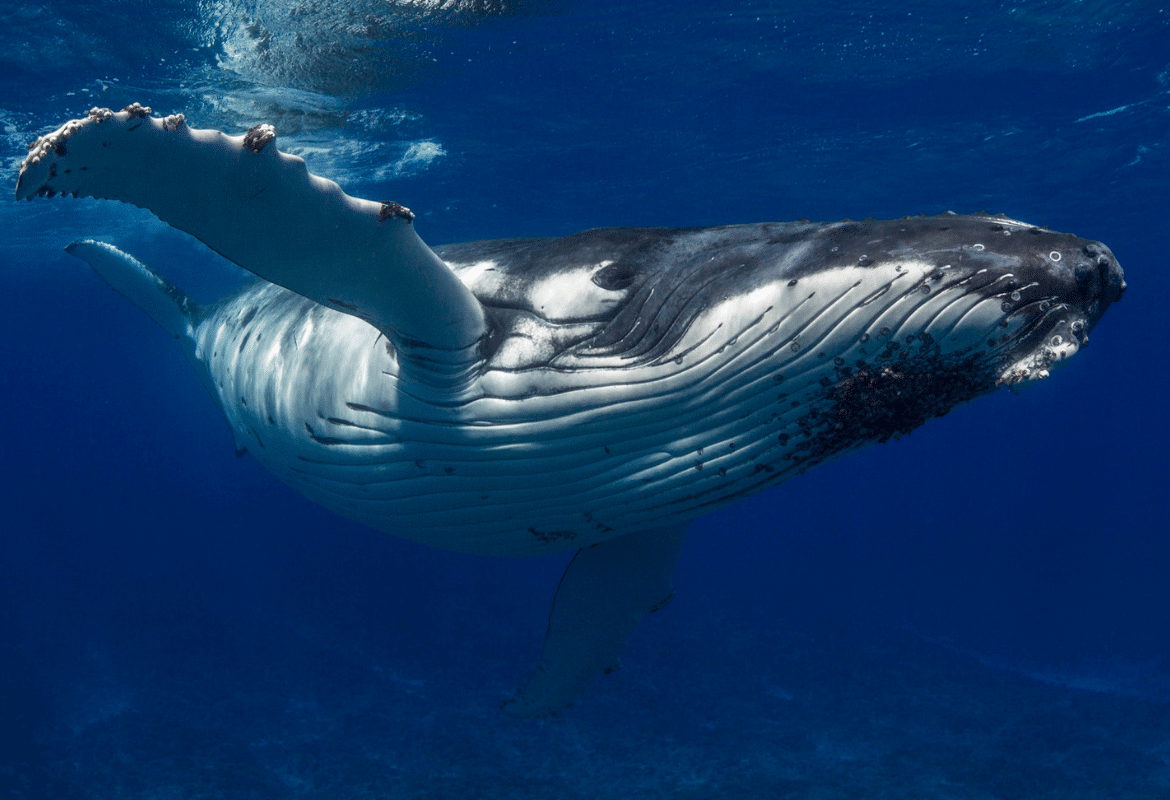
Adult humpbacks can reach 12-19 meters in length
Adult males average 13-14 meters; adult females 15-16 meters
On average, adult humpbacks weigh between 25-30 tons, but they can reach a weight of 40 tons
At birth, a calf is 4 to 5 meters long and weighs 2,000 kilograms.
Humpback whales grow quickly, thanks to nutritious mother’s milk. They experience the greatest growth in the first year of life.
Swimming and snorkeling with whales
So in Tonga it is possible to swim and snorkel with the whales. However, there are some rules you need to follow, as it is important not to disturb the natural behavior of the whales. For this reason, for example, it is also not possible to dive with the whales, the bubbles can disturb the whales (and especially the calves). Also while snorkeling it is important to keep sufficient distance, among other things.
Snorkeling with whales
It is not allowed to dive with the humpback whales, it is really about swimming and snorkeling
During the interactions you stay on the surface, so no freediving or duck diving is allowed
The use of a flash is not permitted
You should keep at least 10 meters away from the whale
The boat stays with a whale for a maximum of 90 minutes
There will be a break of at least 90 minutes after each encounter
Only a maximum of 4 people may be in the water at the same time (so if there are 6 people on the boat, there will be a rotation)
You are not allowed to touch the whales
You may not wear fins larger than 70 cm, measured from heel to fin tip. You wear closed heel fins.
It may sound strict, but it is really meant not to disturb the natural behavior of the whales. You will certainly find that your experience is not diminished by it: you are still incredibly close to these impressive animals.
What does an expedition day look like?
You will have to get out of bed early on a trip like this, as many expeditions start as early as 07:00. It is therefore good to stay in an accommodation that has breakfast included, so that this is already taken care of for you. We do our expeditions with Beluga Diving, which also has its own bed & breakfast next to the diving school (and also meeting point for the expeditions). So that way you can stay in bed for as long as possible 😉
When everyone is present, go to the boat. Beluga Diving has several boats of different sizes. You are with a maximum of 8 or a maximum of 12 people on the boat. So the groups are intentionally small, which is nice. You stay at sea almost all day, count on 6 to 7 hours. Lunch is provided, you get it on board. At the end of the day there is often the opportunity to snorkel and swim in a bay without whales.
During navigation, the guide who is on board will tell you more about the whales, their behavior, why they come to Tonga and much more. Of course, arrangements will also be explained to swim responsibly with the whales. Beluga Diving is an official tour operator, which means they follow strict rules regarding conservation. You will stay with the same whale for a maximum of 90 minutes, then you will move on to the next whales.
You can encounter the whales an average of 8 times a day .
Our trips to Tonga
Between late July and October, we offer trips to Tonga to experience this for yourself. We have put together an 8-day trip where you will spend 4 full days on the water looking for the whales. These days can be quite intense as they are long days on the boat. That’s why there are also 2 rest days in the program. During those rest days, you can do whatever you want: rest, dive, kayak or explore the island. Tonga has a rather unique culture, as it has never been a colony. There really is a lot to explore on the island. The accommodation is in Neiafu, a town on the island of Vava’u. Here you are close to the port, downtown and the beach. Actually everything is within walking distance, which makes it a quiet and relaxing stay.
Would you like to join our group tour? In September/October 2026 we are organizing a group trip to Tonga. You can pre-register for the waiting list by sending an email to info@ewdr.com or click on the trip below and fill out the form.
What equipment do you need in Tonga?
Snorkeling with whales in Tonga does not require extremely specialized equipment, but it is important to know what you need. Here is a list of the most common equipment needed for snorkeling in Tonga.
Basic equipment
Wetsuit: During whale season, the water is around 25°C, so the temperature is pleasant. You could bring a 3/4 mm wetsuit. If you get cold a little faster, a 5mm might be nicer. It is also good to wear a wetsuit for buoyancy. With a wetsuit it is easier to stay on the surface. Of course, duck diving and freediving are not allowed.
Mask & snorkel: You will be doing a lot of snorkeling, so it is nice if you have your own mask that fits well. Also make sure you have a good snorkel with a fine mouthpiece.
‼️Vinnen: You may not wear fins larger than 70 cm, measured from heel to fin tip. You wear closed in here.
Hood: not necessary, but it can be nice to wear a hood while snorkeling.
Additional accessories
Underwater camera: The visibility in the Bahamas is fantastic and you’re guaranteed to see sharks. A shame not to capture it, right? Bringing a camera is always a good idea.
BCD & regulator: Would you also like to do some diving during your visit to Tonga? You certainly can. It is also incredibly beautiful underwater. You can bring your own equipment, or rent it from the diving school.
Dive computer: Since you will stay on the surface, there is no need to carry it. You might consider bringing it along anyway to keep an eye on the temperature.
Diving gloves and boots: Not necessary due to the warm water, but for comfort, boots can be nice.
Dry bag: Since you will be on the boat a lot, it is convenient to bring a dry bag for valuables. A dry bag is specially designed to keep items dry during boat trips. They are often made of sturdy, waterproof material with a roll-up closure at the top to keep water out.
General information about Tonga
Tonga is special country for several reasons. For one, Tonga is the only country in Polynesia that has never been a colony and has always maintained its own traditional monarchy. Thus, there is a strong culture of its own here without too many outside influences. In addition, even today Tonga is the only kingdom in Polynesia. And did you know that here the sun rises first in the world? So the day starts here before any other place in the world.
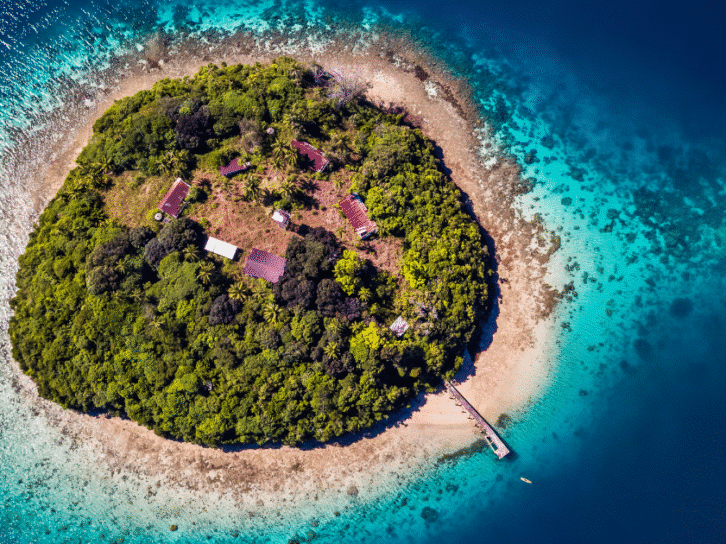
Tonga is an archipelago in Oceania and is a fairly remote destination. From Europe, it takes at least 2 days to reach it. The archipelago consists of about 170 islands, of which only 36 are inhabited. The kingdom is located about 700 km southeast of Fiji and 2000 km northeast of New Zealand. There are 3 island groups: Vava’u, Ha’apai and Tongatapu. Vava’u is the place to be if you want to spot whales and is the group that is the farthest north.
Snorkeling with whales on Tonga with EWDR
It might be a once in a lifetime experience, going to the other side of the world to snorkel with the whales. So since you also have to travel that far, it’s great to combine with a week of diving in Fiji, for example. We will help you create a tailor-made trip!