Diving in UNESCO World Heritage Sites
Some diving areas are so exceptional that they have received global recognition as UNESCO World Heritage Sites. This status is reserved for places unique to our planet, where biodiversity, ecological processes and natural beauty come together. For divers, this means diving in places that are not only visually stunning, but also internationally protected to preserve their ecological value. By the way, this is not a complete list; there are even more UNESCO World Heritage Sites worldwide.
Australia - Great Barrier Reef
Spanning more than 2,300 kilometers, the Great Barrier Reef is the largest coral reef system in the world. Divers here swim among thousands of species of tropical fish, colorful corals and majestic turtles. What makes this reef so special is its enormous diversity and the fact that it displays fully functioning ecosystems – from small reef fish to large predator species such as sharks. UNESCO status underscores that this area is not just a tourist hotspot, but a global heritage that must be protected from pollution and climate change.

Belize - Barrier Reef Reserve System
In the Caribbean lies the Belize Barrier Reef, including the famous Great Blue Hole, a huge underwater crater that attracts thousands of divers each year. Underwater, a world of vertical walls, vast coral gardens and an incredible density of fish species opens up. The reef forms a complete ecosystem, from coral and seagrass beds to large pelagic fish, and symbolizes one of the best-preserved marine habitats in the world. The combination of unique geological formation and biodiversity is exactly why UNESCO protects this area.

Ecuador - Galápagos Islands
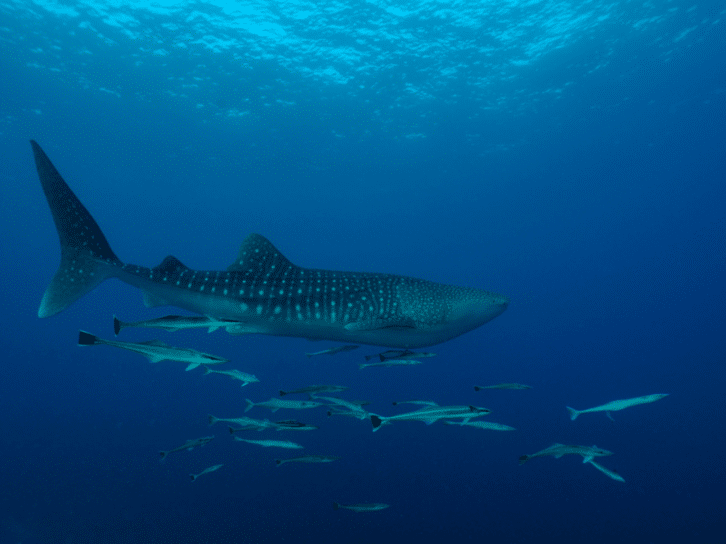
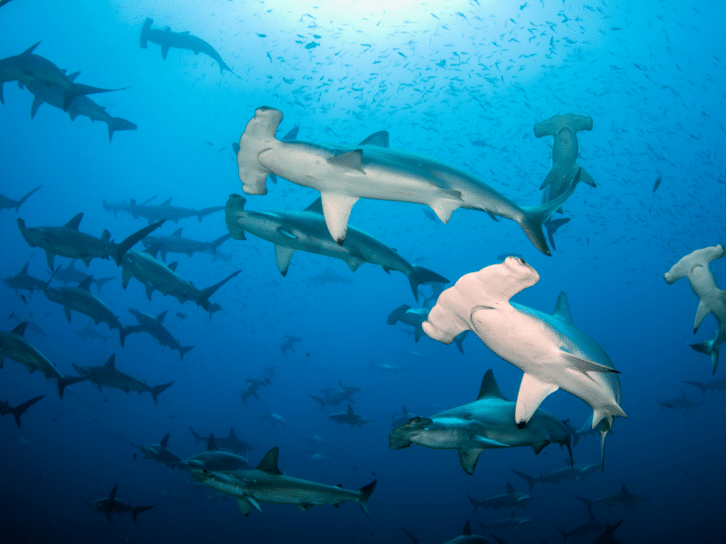
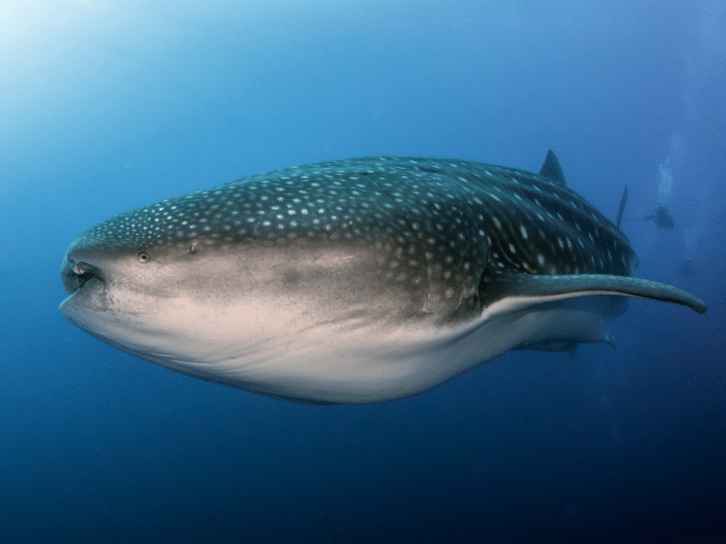
The Galápagos Islands are world famous for their unique fauna and flora, and they are also a spectacle underwater. Divers here can meet hammerhead sharks, whale sharks, sea lions and pelagic fish in an environment found nowhere else in the world. The reef and surrounding seas are a natural laboratory of evolution and biodiversity, something scientists have been watching for decades. Diving in the Galápagos is an adventure: currents are strong and encounters with large animals intense, but it provides an unforgettable experience.

Indonesia - Komodo National Park
Komodo National Park combines dramatic landscapes with underwater splendor. The reef is fed by powerful currents, allowing enormous biodiversity to flourish: from manta rays gliding gracefully by to colorful reef fish and predatory fish. For divers, it’s a game of current diving, with breathtaking drop-offs and surprising macro life. UNESCO recognizes this area not only for its biodiversity, but also because it is an example of a well-managed marine ecosystem in a relatively remote region.

Philippines - Tubbataha Reefs Natural Park
Tubbataha Reefs is located in the middle of the Sulu Sea and is accessible only by liveaboard. The reef is known as one of the most pristine marine areas in the world. Underwater you can see towering coral towers, vast expanses of sand and an incredible diversity of fish, sharks and turtles. Its remote nature contributes to its UNESCO World Heritage status because the ecosystem is virtually untouched by human intervention, providing a perfect example of what tropical reefs are originally like.
Palau - Rock Islands Southern Lagoon
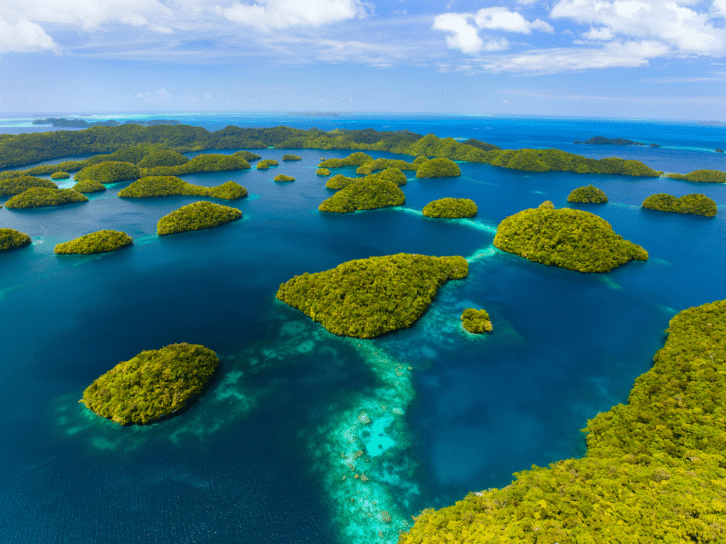
In Palau the Rock Islands Southern Lagoon and surrounding reefs offer an almost magical underwater world. Limestone islands rise dramatically from the water, while underwater reefs teem with life. Here you can dive among large schools of fish, sharks and colorful corals that form a surreal underwater landscape. UNESCO protects this area for its combination of ecological value and unique geological formations, making Palau one of the world’s most iconic liveaboard destinations.
Mexico - Socorro (Revillagigedo archipelago)
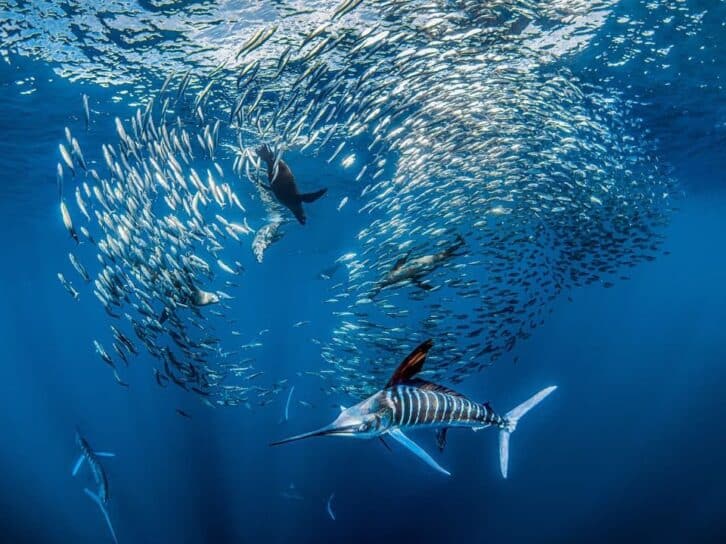
Socorro is a remote ocean paradise known for spectacular encounters with large pelagic species. During a liveaboard dive, manta rays, dolphins and various shark species often swim around the divers. The marine life is impressive and relatively untouched, making it one of the most exclusive diving experiences in the world. UNESCO status highlights the international value of this ecosystem and the importance of actively protecting this oceanic gem.
So diving in UNESCO World Heritage Sites means more than seeing beautiful reefs and big animals. It is diving in places globally recognized as essential to the preservation of our oceans, where every descent is a reminder of the fragility and beauty of marine life.

Mexico - Sea of Cortez
The Sea of Cortez (Gulf of California) has been a UNESCO World Heritage Site since 2005. The area includes islands and protected coastal zones and is recognized for its exceptional biodiversity and role as a kind of “natural laboratory” for evolution. Divers and snorkelers will discover a rich variety of marine life here, from schools of fish and sea lions to colorful coral reefs and mangrove ecosystems. The combination of unique nature and protection makes this area one of the most outstanding marine World Heritage Sites in North America.
Costa Rica - Cocos Island
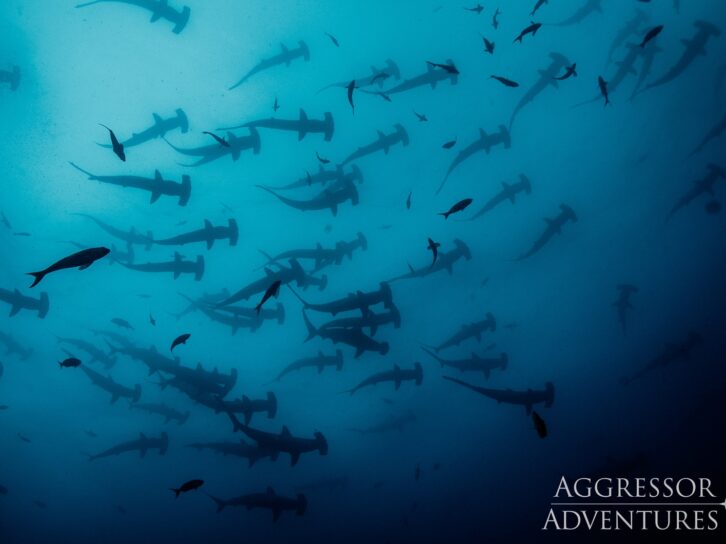
Far out in the Pacific Ocean lies Cocos Island, a remote paradise known as one of the richest diving areas in the world. This island is notorious among adventure divers for its huge populations of hammerhead sharks, manta rays and large pelagic fish that swim in the deep blue waters surrounding the island. The reef is completely untouched by human intervention and provides a perfect haven for migrating species. UNESCO status highlights the ecological value of this area: it is an invaluable global biodiversity hotspot. For liveaboard divers, this means an adventure that can only be experienced by a select few. A true bucket list diving destination.
Iceland - Silfra Gorge (Thingvellir National Park)
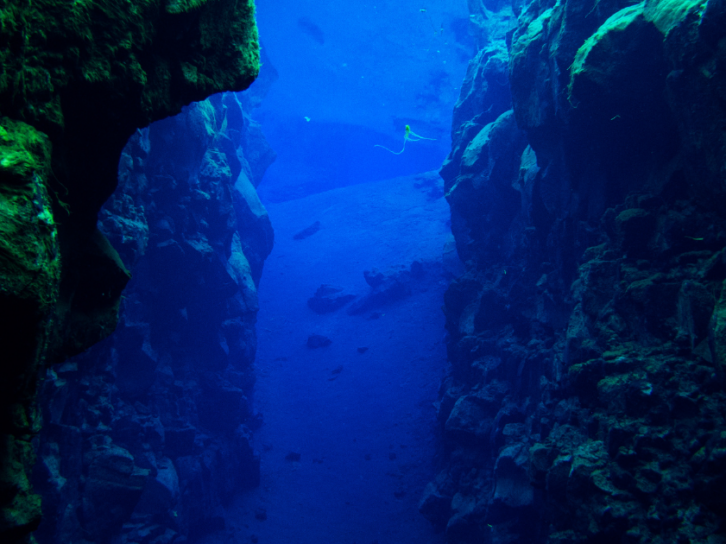
The Silfra Gorge is located in ThingvellirNational Park, a UNESCO World Heritage Site for its unique geology and history. Here you literally dive or snorkel between the North American and Eurasian tectonic plates, in crystal clear, icy waters with visibility often exceeding 100 meters. Combining spectacular nature with cultural heritage, the park offers an underwater experience found nowhere else in the world. Floating between two continents makes Silfra an unforgettable destination for divers and snorkelers alike.
Marshall Islands - Bikini Atoll Nuclear Test Site
Bikini Atoll in the Marshall Islands is a UNESCO World Heritage Site for its unique and fraught history. Nuclear tests were conducted here between 1946 and 1958, leaving the atoll uninhabited and allowing nature to take its course for decades. An impressive open-air museum was thus created underwater, with sunken warships now overgrown with coral and surrounded by rich marine life. Diving at Bikini Atoll is an intense combination of history and nature, where you literally float past silent witnesses of the past. This unique diving experience is only possible by liveaboard, including the Pacific Master.

Preliminary UNESCO list
You might also have expected Raja Ampat here, the Indonesian paradise known for its incredible biodiversity and colorful coral reefs. Although the diving area is breathtaking, it is on the provisional UNESCO list and does not yet have official World Heritage status. That does not mean it is any less special; Raja Ampat remains a dream location for divers, with pristine reefs, macro life and one of the richest underwater ecosystems in the world.
Before an area can officially become a UNESCO World Heritage Site, it must first appear on the country’s national preliminary list. This is a kind of candidate list of places that a country thinks might meet the strict criteria for World Heritage. Only once an area is on this preliminary list can the country submit an official nomination dossier to UNESCO and attempt to gain World Heritage status.
Diving in UNESCO World Heritage Sites means more than just seeing beautiful underwater landscapes. It is an experience that reminds you how special and fragile our oceans are, and why protection is so important. From the vast reefs of the Great Barrier Reef to the remote pelagic waters of Socorro, each destination shows that nature is at its best when we respect and preserve it.


Roundtrip Iceland – Diving in the Silfra Gorge
During this self-drive trip you will discover Iceland at your own pace along spectacular scenery. You will drive through a...


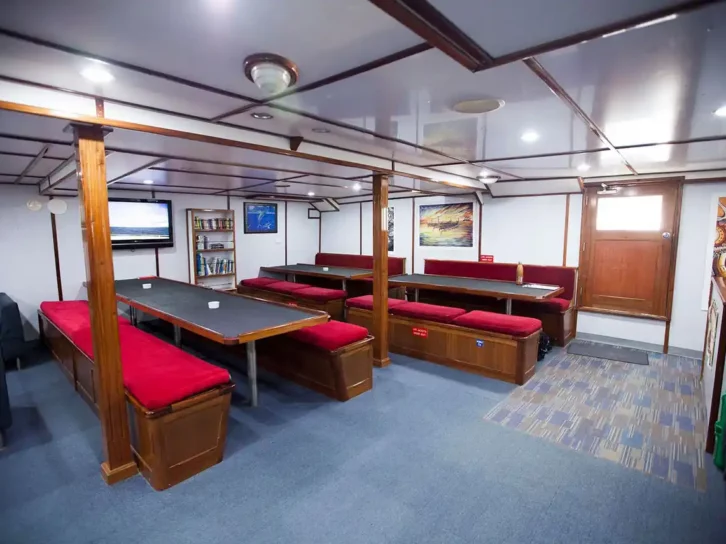


Liveaboard Pacific Master – Bikini Atoll: wreck diving in UNESCO World Heritage Site
Bikini Atoll in the Republic of the Marshall Islands is one of the world’s most iconic wreck diving destinations. Board...


Group trip Palau – A bucket list destination for divers (SOLD OUT)
In October 2027, we take you to Palau, one of the most impressive diving destinations in the world, located in...
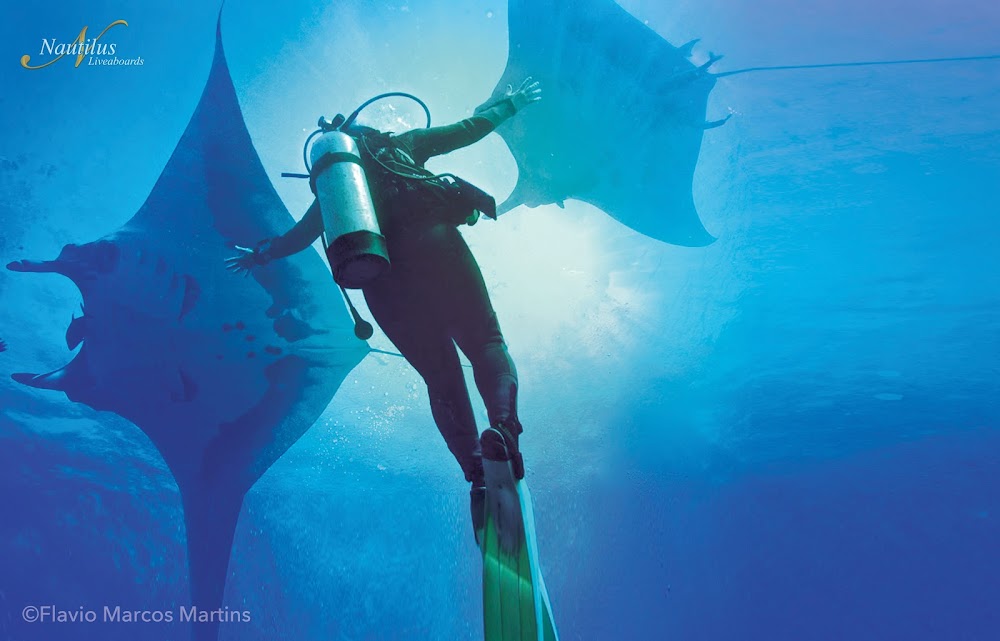


Liveaboard Nautilus – Socorro: the diving paradise full of manta rays and sharks!
Socorro, one of the most beautiful dive sites in the world. You dive here 600 km offshore with curious manta...
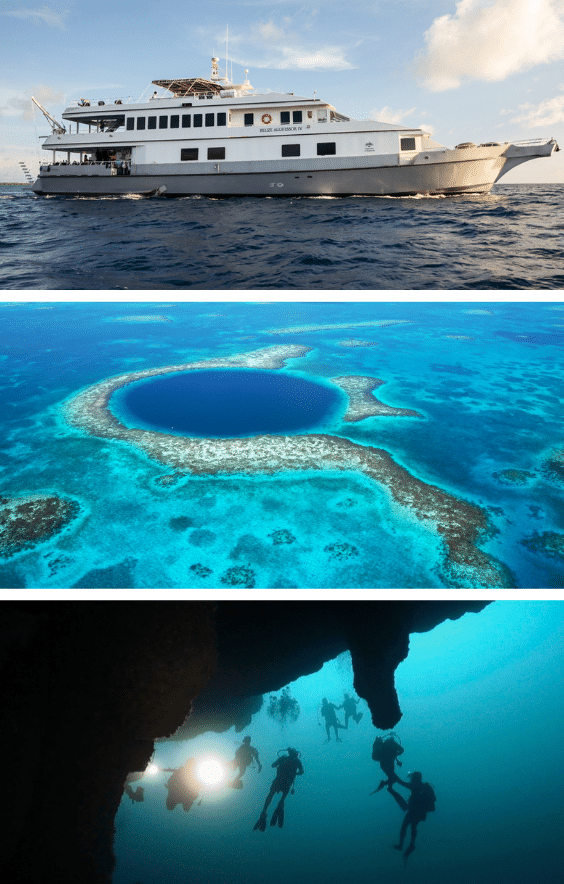


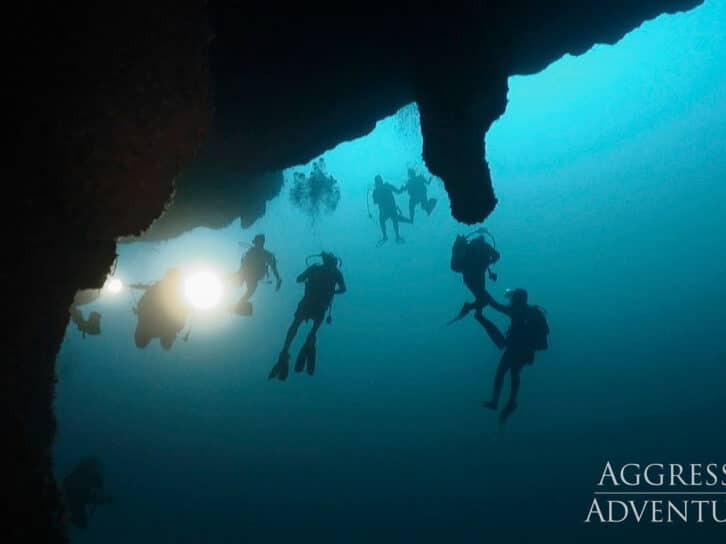

Liveboard Belize Aggressor – Diving the barrier reef & the Blue Hole
Experience an unforgettable liveaboard diving trip in Belize aboard the luxurious Belize Aggressor IV. Cruise past the country’s most beautiful...
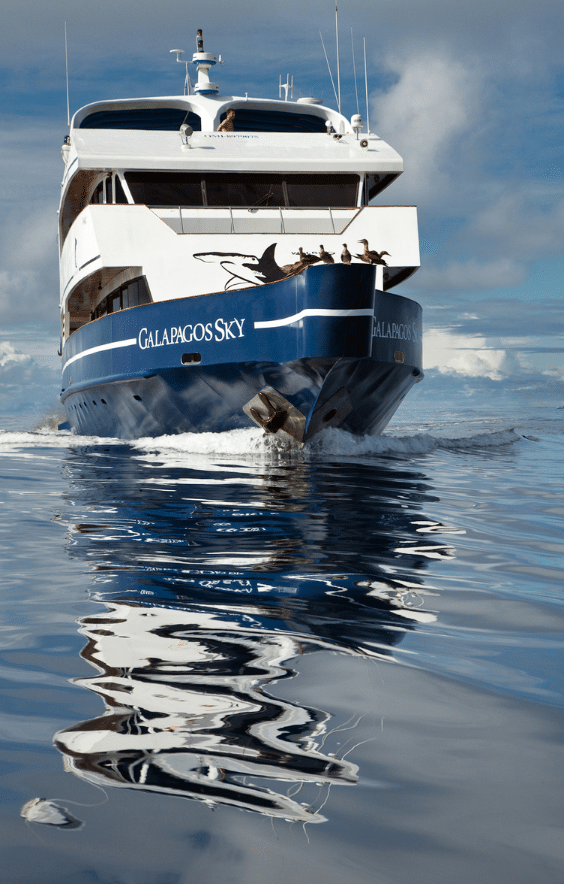
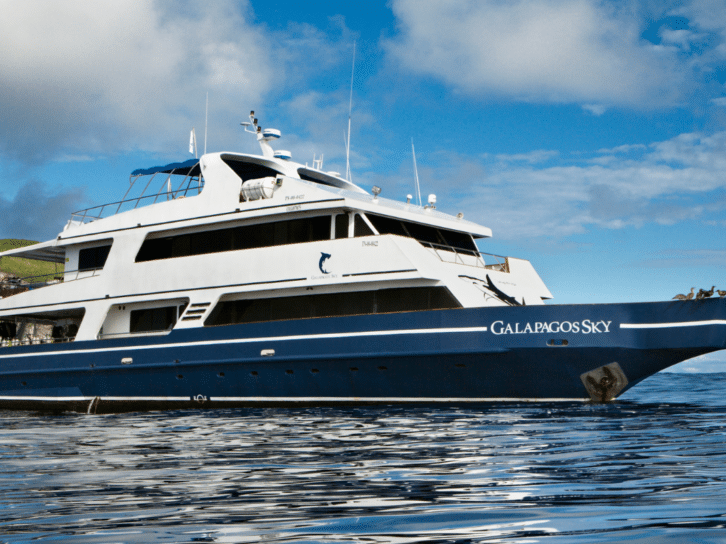
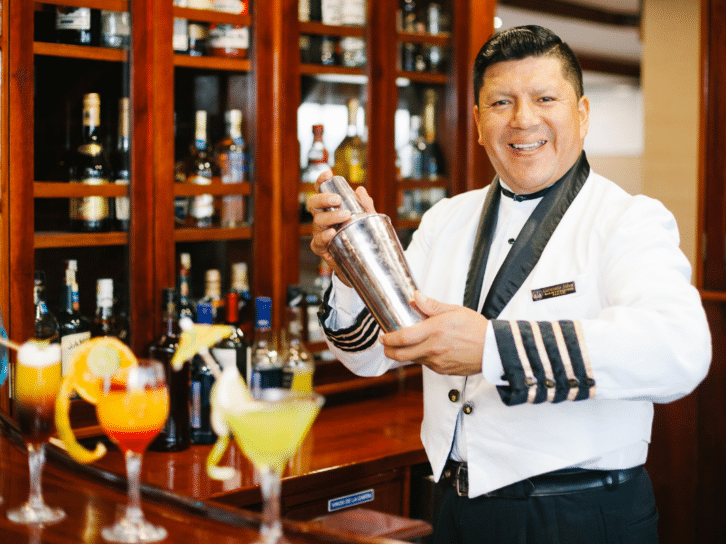

Exclusive Diving Trip on the Galapagos Sky
Experience an exclusive diving trip on the luxury liveaboard Galapagos Sky. Discover Darwin & Wolf in style on a very...