12 unusual critters you see while diving in Lembeh Strait, North Sulawesi
North Sulawesi is known as one of Indonesia’s most extraordinary diving destinations. The Lembeh Strait in particular is world famous among muck divers: divers who love discovering small, rare and often bizarre creatures on the black volcanic sand. These creatures are called critters in the diving world – a collective term for small, distinctive underwater inhabitants such as seahorses, cuttlefish and ghost whistlers.
What makes Lembeh unique is the enormous variety of these critters. Here you can encounter literally dozens of species during one dive, from brightly colored nudibranchs to mysterious bobbit worms. Species you might never have heard of beforehand or can imagine exist at all. For macro photographers this is paradise, but also for “ordinary” divers it is a fascinating world full of colors, patterns and surprising behavior. Below you can read about 12 special critters you definitely want to spot during a dive in Lembeh.
Mimic octopus
The mimic octopus is a master of disguise. It can mimic the appearance and behavior of other animals – such as a lionfish, sea snake or flatfish – to deter enemies. This intelligent octopus is usually found on sandy bottoms, where it crawls slowly in search of crabs and shrimp.
The bizarre thing, too, is that this is all instinct. Octopuses are solitary animals and the parents have even died by the time the eggs hatch and thus the new generation of octopuses are born. Everything the octopus knows and can do is purely by instinct.
Flamboyant sepia
The flamboyant cuttlefish is perhaps the star of Lembeh. With its wavy tentacles and brightly pulsing colors, it seems straight out of a science fiction movie. This tiny squid uses its color changes not only to communicate, but also to hypnotize prey before it strikes. You can often find it on the black sand, where it sometimes hides surprisingly well. To get around, this cuttlefish prefers to “walk” along the bottom, rather than swim. This is anomalous with the behavior of other species of cuttlefish. Another difference is that this is one of the few of its kind with poison.
Hairy anglerfish
The hairy angler fish is covered in strands that resemble algae or seaweed, as a result it blends completely into its surroundings. Instead of chasing prey, it uses a modified dorsal fin as a lure that it makes move like a worm. He stands incredibly fast and eats the prey in one go.
Harlequin ghost whale
This graceful fish is notable for its striking silhouette and rocking way of swimming. Harlequin ghost whale fish often live in pairs and hide among soft coral or feather star arms, where they become nearly invisible. Their variation in colors – from deep red to golden yellow – makes them popular with underwater photographers.
Pygmy seahorse
At less than two centimeters long, the pygmy seahorse is one of the smallest seahorses in the world. You can compare it to the size of a grain of rice. So you definitely need some patience to spot this seahorse. It usually lives on a specific fan coral species and is almost identical in color and texture to its host. A practiced eye (and a good guide) are essential to find this tiny beauty. You can take quite a dive to find them, but once you find one, it is well worth it.
Mandarin fish
The mandarin fish is a small but dazzling fish with a pattern of bright blue, orange and green. It often emerges at night to perform a short courtship dance. This colorful spectacle is one of the most beautiful moments Lembeh has to offer, perfect for photographers who love dramatic macro shots.
Bobbitworm
The bobbit worm is one of the sand’s most impressive predators. Hidden beneath the surface, it waits for fish to swim by and grabs at lightning speed with its powerful jaws. His segments are brightly colored, making him both terrifying and fascinating. For macro photographers, it offers spectacular close-ups of its fearsome but intriguing appearance.
Warty frogfish
This master of camouflage looks like a piece of coral or stone. He lies completely still and waits patiently for his prey, usually small fish or shrimp. His odd shapes and striking skin textures make him a favorite subject for photographers and an exciting critter to discover
Blue-ringed octopus
The blue-ringed octopus is a small but striking octopus, recognizable by its bright blue dots on a brown or yellowish body. Despite its small size, it is a master of camouflage and can burrow into the sand or hide among coral at lightning speed. Divers who spot it are often treated to a stunning display of sudden color changes and graceful movements. Despite its small size (about the size of a golf ball), it possesses one of the most powerful toxins in the ocean. Fortunately, he is shy and harmless as long as you keep your distance.
Ribbon eel
The ribbon eel is a slender, graceful fish often colored bright blue or yellow. It often sticks out of the sand or among coral dunes and moves gracefully back and forth. Spotting a ribbon eel always feels like a small moment of happiness because it makes such graceful and striking movements.
Harlequin shrimp
These small, brightly colored shrimp often live symbiotically with sea anemones. They move gently between tentacles and are a true delight for macrophotographers. Their colors and symmetrical patterns make them true gems of Lembeh.
Praying mantis shrimp
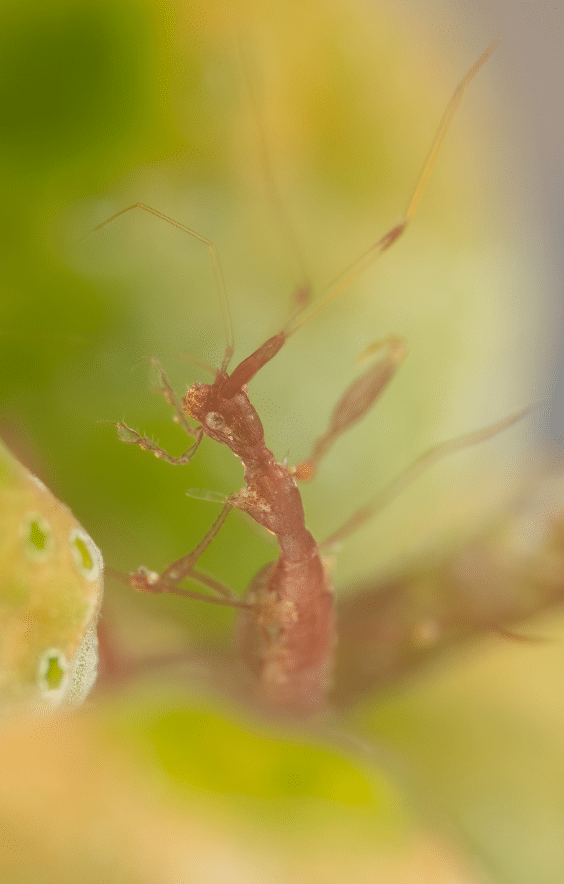
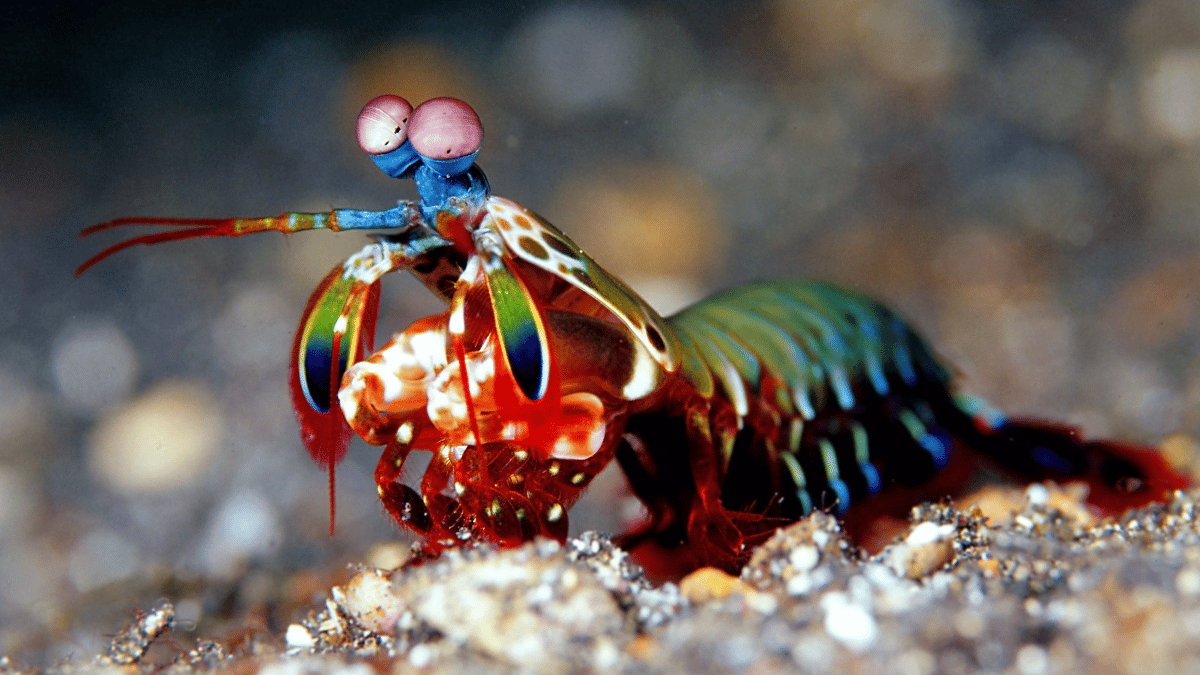
The mantis shrimp is famous for its powerful claws and cunning hunting technique. It often lies hidden in coral or sand, ready to stalk prey. These shrimp come in beautiful colors and are one of Lembeh’s most intriguing critters. You may know this shrimp by the name “mantis shrimp,” as this is the English name (and a lot shorter).
Want to read more?
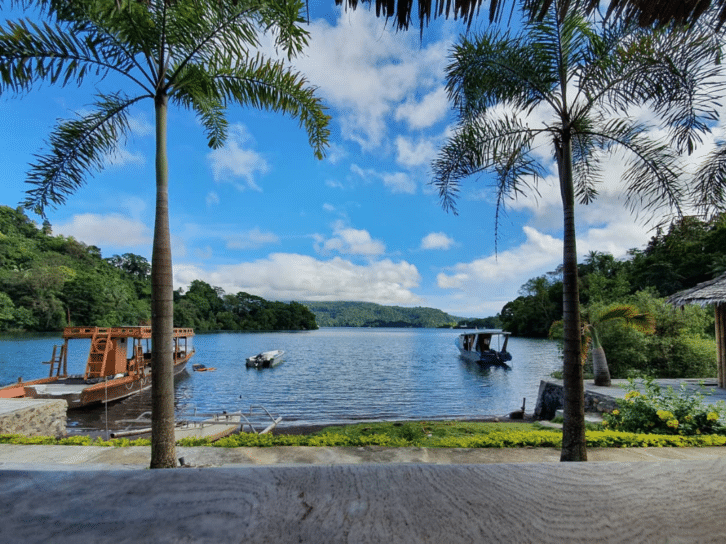
Lembeh is a destination every diver should experience someday. Besides the incredible muck dives, North Sulawesi also offers beautiful coral reefs, colorful walls and tranquil bays around Bunaken and Bangka. We organize a variety of trips to this region, from complete tours to resort specials aimed at critter enthusiasts and macro photographers. Whichever trip you choose, North Sulawesi reveals an underwater world you won’t find anywhere else in the world.
Would you like to travel to North Sulawesi? Check out our trips to this special place here.