Diving in Iceland: a complete guide
Iceland is a destination you won’t soon forget. Above water you will find glaciers, volcanoes and endless lava fields. Underwater you will discover a totally different world where crystal clear meltwater, impressive fault lines and rugged volcanic landscapes come together. Diving in Iceland is not a standard diving vacation, but a unique experience in one of the most special diving areas in the world.
In this guide you will read all about diving in Iceland. From the famous Silfra Gorge to what to expect underwater and what a diving trip through Iceland looks like.
Table of contents
General information about Iceland
Iceland is sparsely populated and relatively remote, but surprisingly easily accessible from Europe. Reykjavik is the main city and the starting point for most diving trips.
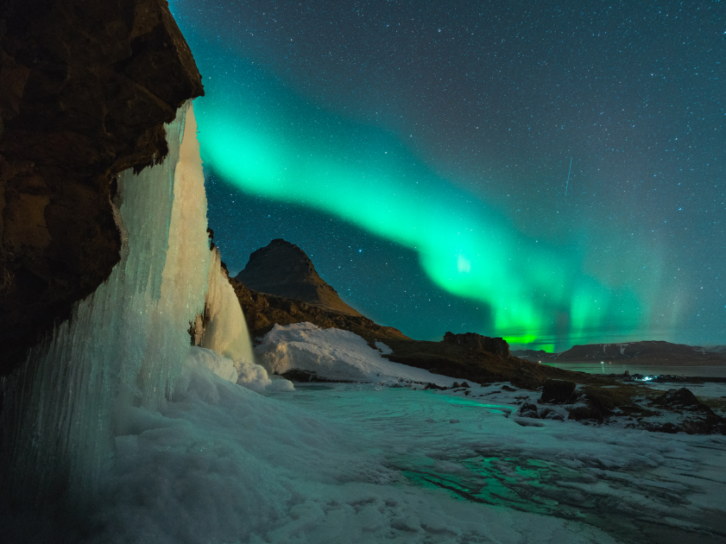
The country was formed by volcanic activity and geothermal forces. As a result, you will find hot springs, lava fields and geysers everywhere. Nature is rugged and pristine, constantly changing due to wind, water and volcanism.
Travel in Iceland is mostly done by rental car. The famous Ring Road runs completely around the island, giving access to many nature reserves and diving sites.

Why dive in Iceland?
Diving in Iceland is not about colorful reefs, but about geology, visibility and experience. The country lies at the separation of two tectonic plates, creating unique fissures and underwater landscapes. The absolute highlight of diving in Iceland, is in the Silfra Gorge. Here you literally dive between two continents in water with visibility up to more than 100 meters, giving an almost floating feeling while diving. It is also possible to dive in the sea. You can make these dives only in the summer period, since in the other months the conditions are too rough.
The dives are cold water dives with temperatures between 3 and 10 degrees Celsius. In Silfra the temperature remains stable around 3 to 4 degrees throughout the year. Therefore, diving is almost always done with a dry suit.
Diving in Silfra
Silfra is undoubtedly Iceland’s most famous diving site. Located in Þingvellir National Park, this gorge was created by the North American and Eurasian tectonic plates slowly moving apart. So during a dive in Silfra, you literally swim between two continents. That makes this place unique in the world.
The water in Silfra comes from meltwater from a glacier. This water is filtered through volcanic rock for decades before it enters the gorge. As a result, the water is extremely clear and almost completely free of suspended particles.
A dive in Silfra feels completely different from a normal dive. The vast visibility makes you feel like you are floating through a landscape of blue water, deep fissures and black lava walls. Some parts of the canyon are narrow and intimate while others feel open and spacious.
The dives in Silfra are calm and controlled. There is hardly any current and the route is clear. This makes it an accessible site for divers with cold-water experience.
Despite its popularity, Silfra rarely feels truly massive. Only a limited number of divers are allowed in the water at a time, and groups leave scattered throughout the day. Especially early in the morning or later in the day, there is a quiet atmosphere in the gorge.
Silfra is located in Þingvellir National Park, a UNESCO World Heritage site. This makes it not only one of the most unique dive sites in the world, but also a place of great natural and cultural value.
Want to dive in a UNESCO World Heritage Site? In this blog, we’ve described more extraordinary dive sites where nature, geology and diving come together in a way you won’t find anywhere else in the world.
Diving in the sea around Iceland
In addition to Silfra, Iceland also offers several sea dives along the coast. These dives are totally different in character and give a good idea of the rugged marine life around the island.
Along the coast you will dive among lava rocks, volcanic reefs and vast kelp forests. Some sites have impressive wall structures and small caves formed by ancient lava flows.
During these dives you may encounter starfish, crabs, lobsters and various cold-water fish species, among others. Wolf crabs, anemones and colorful nudibranchs are also frequently seen. In some areas, seals even swim around the dive sites.
Sea dives tend to be more adventurous than Silfra. Conditions are influenced more by wind, waves and currents so no two dives are the same. It is precisely these rough conditions that make it a special experience for many divers.
For divers who want to see more than just Silfra, these dives are a great addition during a tour of Iceland. The photos below are of the dives in both Bjarnagja and Garður and were taken by photographer Anders Nyberg.
Best travel time for Iceland
The best travel time for Iceland is April through September. During these months the days are long, the roads are passable and the chances of calm weather are greatest. Nature is at its best and you have plenty of time to explore the south coast and Snæfellsnes.
Diving in Silfra can be done year-round. The water remains consistently around three to four degrees Celsius with extremely good visibility, making the experience virtually the same in any season. Visibility in Silfra is among the best in the world, often exceeding one hundred meters. Currents are minimal, making dives relaxed and accessible.
In summer, you benefit from long days and relatively stable conditions. In winter, on the other hand, snow and ice create a completely different atmosphere over water.
Along the coast, conditions are more dependent on wind and weather. Visibility varies by location and season, but can be surprisingly clear on good days.
The cost of diving in Iceland
A diving trip to Iceland is higher in price than many other diving destinations. This is mainly due to logistics, specialized equipment and high costs in the country itself.
Virtually all dives are guided and Silfra is subject to strict rules around safety and wildlife management. In addition, dry suits are standard diving and operational costs in Iceland are high.
Accommodations, transportation and fuel are also at a higher price point in Iceland than in many other European destinations.
On the other hand, you dive in an environment you won’t find anywhere else in the world. The visibility, geology and complete experience make Iceland a unique destination for divers looking for something special.
What diving equipment do you need in Iceland?
In Iceland, a dry suit is mandatory at many dive sites due to the low water temperatures. As a result, the equipment looks slightly different from tropical diving destinations. While diving, you wear extra thermal layers under your drysuit to stay warm and comfortable.
During our tour of Iceland you will make three dives spread over three days. This includes the necessary diving equipment, including dry suit and other specialized materials suitable for cold water diving.
Many travelers choose not to bring their own full diving equipment to Iceland. Since you will make relatively few dives during the trip and it is mostly about the complete experience of the round trip, it is often more practical to use rental equipment locally. Especially dry suits take up a lot of space while traveling. Of course, you can bring personal items such as your own mask, computer or undersuit if you are comfortable doing so.
Basic equipment
- Drysuit: Most comfortable suit in the low temperatures in Iceland.
- Under suit: Good insulating material to keep you warm under your dry suit.
- Socks: Long and thick socks to wear under your drysuit.
- Mask & snorkel: A well-fitting personal mask is recommended for optimal visibility and comfort. The snorkel is especially useful when waiting for the boat or during snorkeling time.
- Fins: Closed fins, often slightly heavier so your feet don’t go up while diving.
- Dive computer: Highly recommended for safe diving and to keep a good record of your dive profile, especially if you make several dives a day. The use of a computer is often mandatory during a liveaboard.
- Gloves: Necessary in cold temperatures, 5 or 7 mm.
- BCD & regulator: You can often rent fine at local dive centers, but own equipment always gives comfort.
Additional accessories
- Underwater camera: The visibility in Silfra is fantastic. A shame not to capture it, right? Bringing a camera is always a good idea.
- Weights: You don’t need to bring this, of course, but it’s good to know. By using a dry suit, you will need more lead than normal.
Tours of Iceland
A tour of Iceland is not just about diving, but mostly about the impressive nature you will encounter along the way. While traveling through the country, volcanic landscapes, glaciers, waterfalls and black beaches constantly alternate. Almost every itinerary feels like you are traveling through several countries at once.
Along the south coast you will find some of Iceland’s most famous natural areas. Here you will pass black lava beaches like Reynisfjara, huge waterfalls like Seljalandsfoss and Skógafoss, and vast lava fields formed by volcanic eruptions.
Glaciers also play a big role in the landscape. In several places you can see huge masses of ice running from the mountains toward the sea. Combined with black volcanic soil, this creates a landscape that feels almost otherworldly.
During a round trip you often also visit the famous Golden Circle area with the active geyser Strokkur, the impressive Gullfoss waterfall and Þingvellir National Park. This national park is special not only because of Silfra, but also because of the huge fault lines visible in the landscape.
Another highlight is the Snæfellsnes Peninsula in western Iceland. This area is often called “Iceland in miniature” because almost all of the country’s landscapes converge here. You will find volcanoes, rugged coastlines, black beaches, lava fields and small fishing villages.
It is precisely the variety that makes a tour of Iceland so special. During one day of driving you can encounter several completely different landscapes, while nature everywhere feels grand and unspoiled.
Diving in Iceland with EWDR
Iceland is one of the most extraordinary diving destinations in the world. Here you do not dive among tropical reefs, but in crystal clear glacier water, volcanic landscapes and impressive fault lines between two continents.
Personally, we think a round trip through Iceland is the best way to experience the country. This way you combine unique diving with the impressive nature above water. From diving in the Silfra Gorge to driving along waterfalls, black beaches and vast lava fields.
During the trip you will make different types of dives. Of course Silfra is central, but you will also discover how versatile diving in Iceland can be with shore diving in the Atlantic Ocean and diving among volcanic formations.
In addition, it is precisely the combination of adventure, nature and roadtripping that makes this destination so special. Every day looks different and along the way you keep discovering new landscapes.
Curious about our trip? Check out our round trip through Iceland including diving in the Silfra Gorge here!


Roundtrip Iceland – Diving in the Silfra Gorge
During this self-drive trip you will discover Iceland at your own pace along spectacular scenery. You will drive through a...