Madagascar is not only known for its unique flora and fauna on land, but underwater is also a real discovery. Its coasts and islands are home to vast coral reefs, colorful fish, macro species and occasionally large marine life such as sea turtles, manta rays and even whale sharks. In this blog we take you to the most beautiful dive sites, from the Nosy Be archipelago to Ile Sainte Marie, and tell you what to expect underwater.
Table of contents
General information about Madagascar
We begin with a bit of geography: Madagascar is an impressive island located off the east coast of Africa. Millions of years ago, it broke away from the mainland and because of this, the island has really developed its own flora and fauna. You’ll see plants and animals here that you won’t find anywhere else in the world. It is also a huge island: only Greenland, New Guinea and Borneo are larger. So that makes Madagascar the 3rd largest island in the world. If you really want to see all of Madagascar, you will need at least 3 to 4 weeks. The distances are great and there is just so much to see. There are 19 national parks, 2 marine parks, 5 natural parks and 21 reserves.
You’ll also find French influences on the island. This is not surprising, because the island was a French colony for more than 60 years. You notice this in the culinary field, for example, but many people also speak French.
Why dive in Madagascar?
We can easily explain that to you: the coast of Madagascar is home to one of the largest and most diverse coral reef systems in the world. This reef is ecologically very important for marine biodiversity and at the same time offers a spectacular diving area. Underwater you will find colorful coral formations, a wide variety of reef fish, crabs, shrimp and even special macro species such as frogfish. Humpback whales and whale sharks can also be seen seasonally, making diving extra special.
The best diving spots in Madagascar are around the Nosy Be archipelago, particularly at Nosy Sakatia, Nosy Tanikely, Nosy Komba and Nosy Iranja. These islands are known for their healthy coral reefs, colorful fish, sea turtles and pristine underwater landscapes. Suitable for both beginners and experienced divers, the reefs offer a huge variety of macro and large marine life.
Another excellent diving destination is eastern Ile Sainte Marie (Nosy Boraha). This island is best known for its whale season from July to September, when you are very likely to spot humpback whales here, often in combination with dolphins and other large marine life. This combination of reefs, macro life and large marine life makes Madagascar one of the most versatile diving destinations in the region.
Diving around the Nosy Be archipelago
The Nosy Be archipelago consists of about 7 larger and several smaller islands. The largest island is Nosy Be, here tourism is most developed and there are several hotels, lodges and diving schools. You also have Nosy Sakatia, a quiet island known for macro diving and Nosy Tanikely, a marine national park where you can also do fantastic diving.
The other islands do not have a diving school, but it is possible to dive at these islands with the other diving schools. Only boat dives are conducted, and the dive sites range from 2 minutes boat ride or 40 minutes boat ride.
Marine life in Nosy Be: what to expect during your dive?
In our opinion, the Nosy Be archipelago is the most beautiful diving destination in Madagascar. The waters around the islands are clear, healthy and rich with life. For divers, there are colorful coral reefs, caves, rock formations as well as some interesting wrecks that make the area extra exciting. Underwater there is a huge variety of animals, from small macro life to large pelagic species.
Macro life
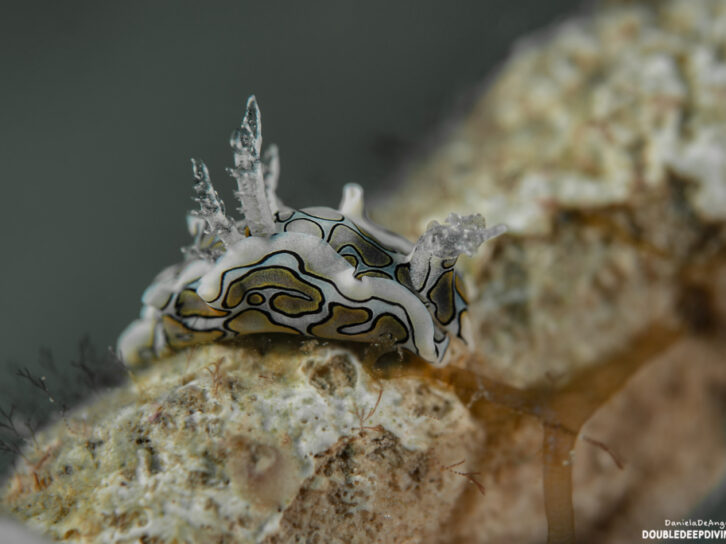
Nudibranchs
Seahorses
Shrimp and crabs
Small coral fish
Frogfish
Reef Fish
Parrotfish
Doctor Fish
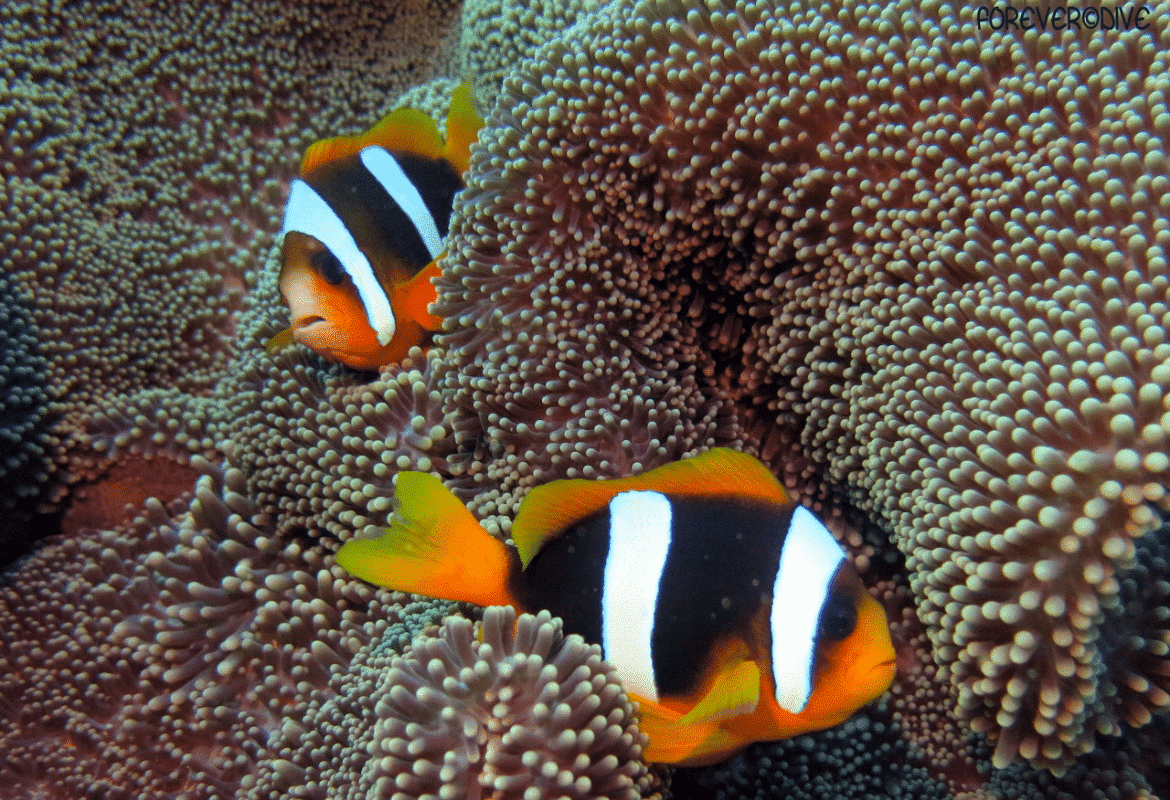
Anemonefish
Scorpion fish
Lionfish (invasive)
Rays, sharks & turtles
Eagle Rays
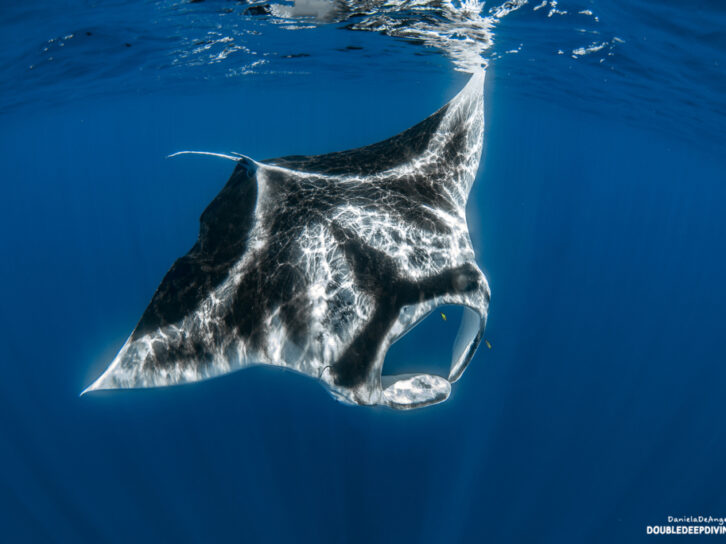
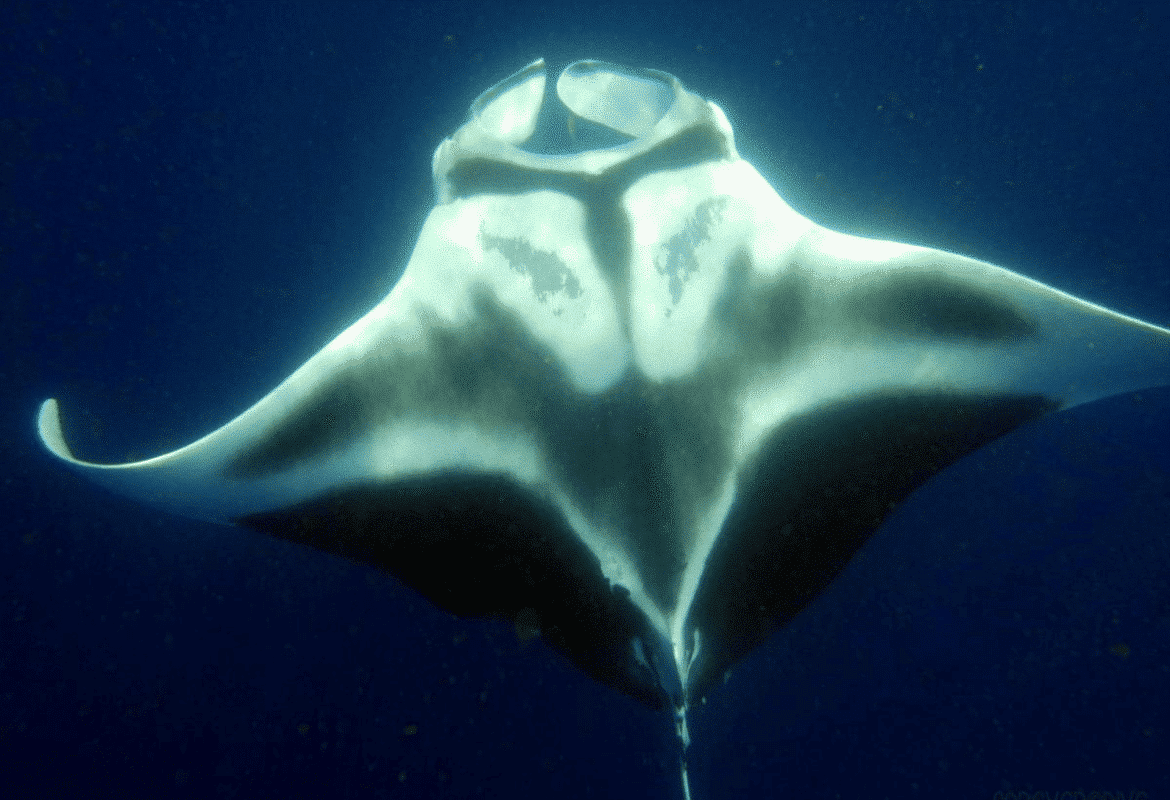
Mantas
Reef Sharks
Leopard Sharks
Whale shark (seasonal)
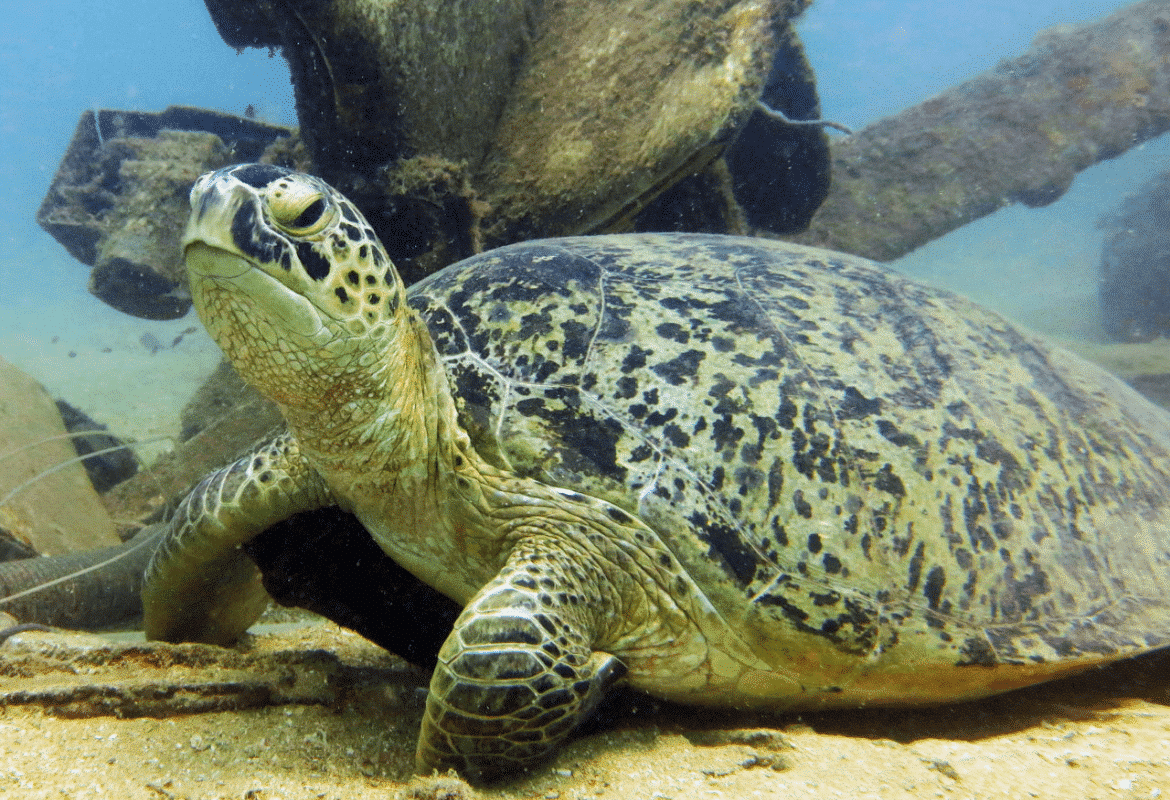
Green sea turtle
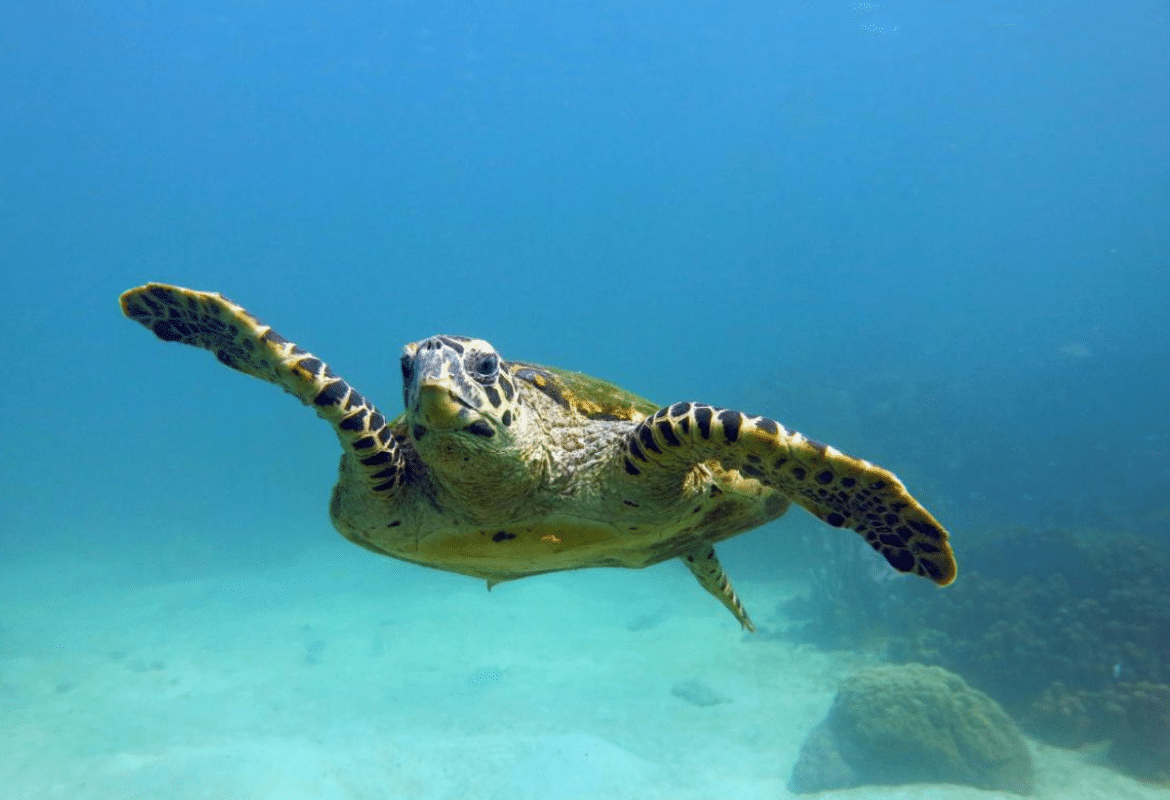
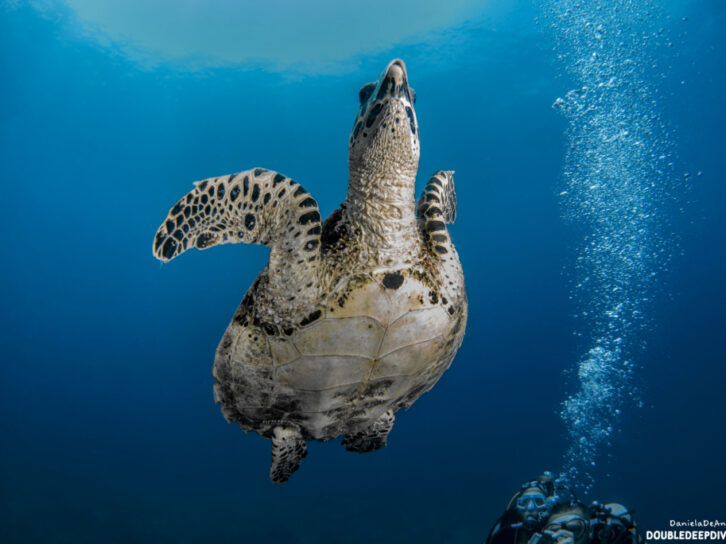
Hawksbill turtle
Molluscs and crustaceans
Octopuses
Squids
Sea Snails
Lobster
Pelagic species
Barracudas
Tuna
Walls and
Large schools of fish
Special encounters
Spinner Dolphins
Common dolphins
Humpback whales (seasonal)
Best travel time for Madagascar
The best travel time depends on what you want to see and do besides diving. It is best to combine your diving trip with a tour of Madagascar, but it is good to take into account the seasons.
The best travel time for diving around Nosy Be
For diving, the months from mid-March to December are ideal. The water is calm then, underwater visibility is usually between 15 and 30 meters, the water temperature ranges from 26 to 30 degrees and the current is generally mild. Those eager to see large marine life can expect whale sharks in October and November and humpback whales in August and September.
The best travel time for a tour of Madagascar
For touring and wildlife activities, it is important to consider the climate on the mainland. April and May are the best months for touring: calm, pleasant temperatures, everything is in bloom and animals are easy to spot. September, October and November is the spring period. Animals are most active and birds best to spot. Also, a lot of flowers are in bloom making it a lot more colorful than winter. Also, this is the period where you have the chance to spot whales.
June to August is winter: pleasant temperatures and cool nights in the highlands.
December to March is the rainy season: hot and humid, pleasant in the rainforest but hot in some places. The Tsingy de Bemaraha and the west coast of Madagascar in these months are not accessible due to mud roads and high water levels.
Period
Diving conditions
Wetsuit Advice
Details
December – March
Good visibility (15-25 m), calm water, warm (26-28°C)
3 mm shorty
Rainy season, some places hot and humid. Less suitable for touring on west coast.
April – May
Excellent visibility (20-30 m), calm water, pleasantly warm (26-30°C)
3 mm shorty
Best period for both diving and touring. Everything is in bloom, animals active.
June – August
Good visibility (20-30 m), calm sea, water 26-28°C
3 mm shorty
Winter period, pleasant temperatures, cool nights on highlands.
September – November
Very good visibility (20-30 m), calm to light current, water 27-29°C
3 mm shorty
Spring period: animals active, birds good to spot. Whales to be seen in September-November. Whale sharks in October-November. Chance of light rain.
What diving equipment do you need in Madagascar?
Given the warm water temperatures, it is accessible to many divers here. So you do not need specialized equipment. However, it is important to know what you need. Here is a list of the most common equipment for diving in Madagascar.
Basic equipment
Wetsuit: In the warm waters of Nosy Be, a 3 mm shorty or full wetsuit is usually sufficient. Should you really go for macro and photography, a 5mm may be finer. You will move less and cool down faster.
Mask & snorkel: A well-fitting personal mask is recommended for optimal visibility and comfort. The snorkel is especially useful when waiting for the boat or during snorkeling time.
Fins: You make all dives with the boat, so you can choose closed fins. For comfort, it may be nicer to wear open fins with booties. This is personal preference.
Dive computer: Highly recommended for safe diving and to keep a good record of your dive profile, especially if you make several dives a day.
BCD & regulator: You can often rent fine at local dive centers, but own equipment always gives comfort.
Additional accessories
Underwater camera: The visibility in Nosy Be is fantastic and a camera is always a good idea. Should you like to capture macro life, choose a camera or cover for your phone that will do this well. Action cameras like the GoPro are less suitable for this.
Dive light: Great to have with you to view macro life and necessary during night dives.
Surface marker buoy: Since you will be doing boat dives here, it is advisable to bring your own surface marker buoy (SMB). Also bring a reel so that you can already leave it up underwater if needed.
Weights: You don’t need to bring this, of course, but it’s good to know. Because of the warm water, you often need less lead than in colder waters.
Diving gloves and boots: Not necessary due to the soft coral and warm water, but boots can be nice for comfort.
Dry bag: Since these are mainly boat dives, it is convenient to bring a dry bag for valuables. A dry bag is specially designed to keep belongings dry during boat trips. They are often made of sturdy, waterproof material with a roll-up closure at the top to keep water out.
Diving in Madagascar with EWDR
Would you like to discover this African island? We are happy to help you with a customized diving trip! Given the size of the island, we have several options for round trips, as well as accommodation and type of diving on Nosy Be. View our sample trips here, or request a travel proposal.