Diving in Zanzibar - all you need to know
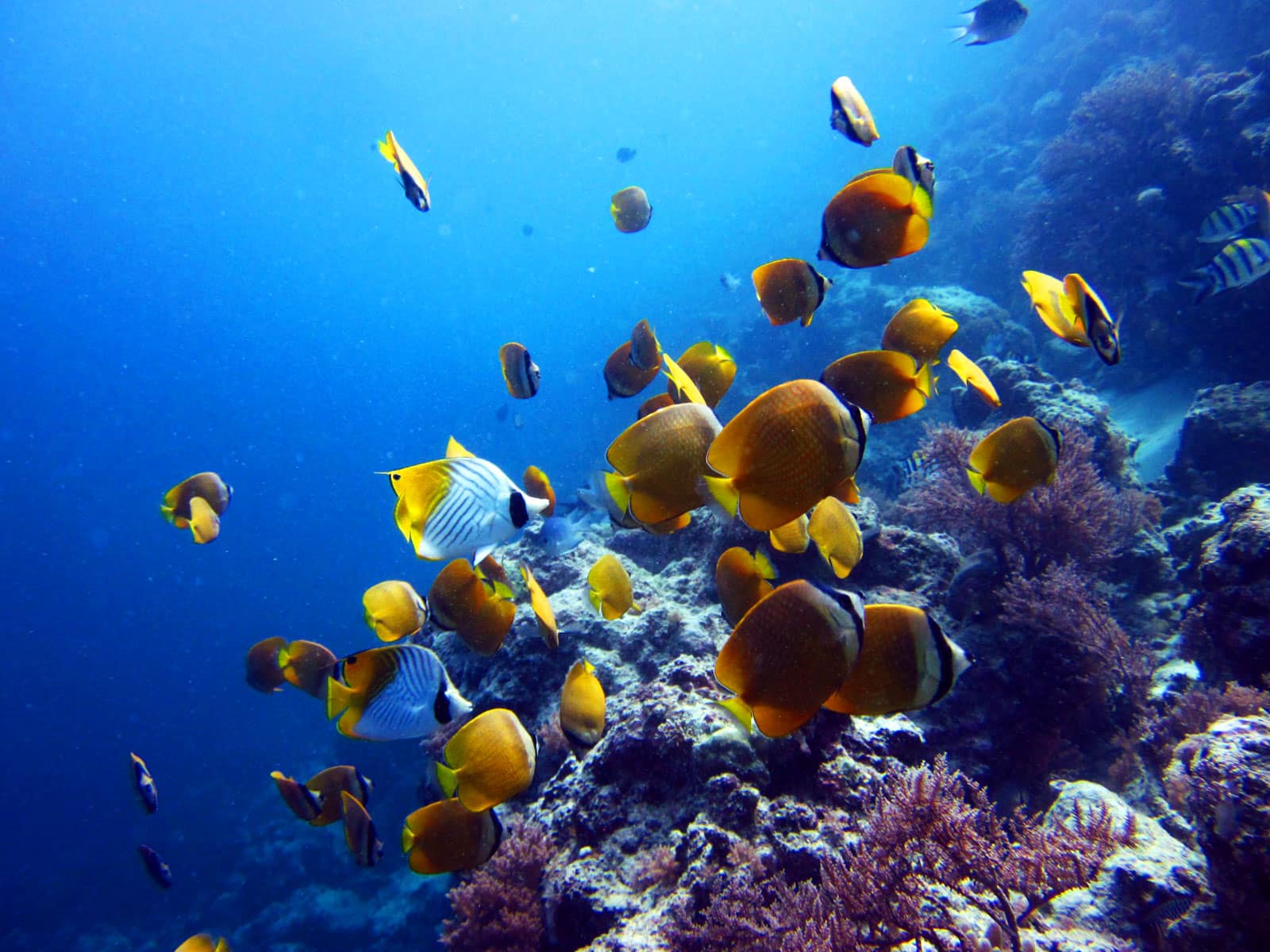
Evoking images of pearly white beaches, turquoise ocean and fragrant spices, Zanzibar is undoubtedly Tanzania’s most famous island. The tropical island attracts many visitors every year, including many divers. Underwater you will find colorful reefs and large schools of fish. The water is warm year-round, making it a popular spot for diving.
You will find many more tourists on Tanzania than on the other islands of Tanzania. Have you ever heard of Mafia Island and Pemba, for example? Here, too, you can do some wonderful diving – perhaps even better than on Zanzibar itself.
Table of contents
Why dive in Zanzibar?
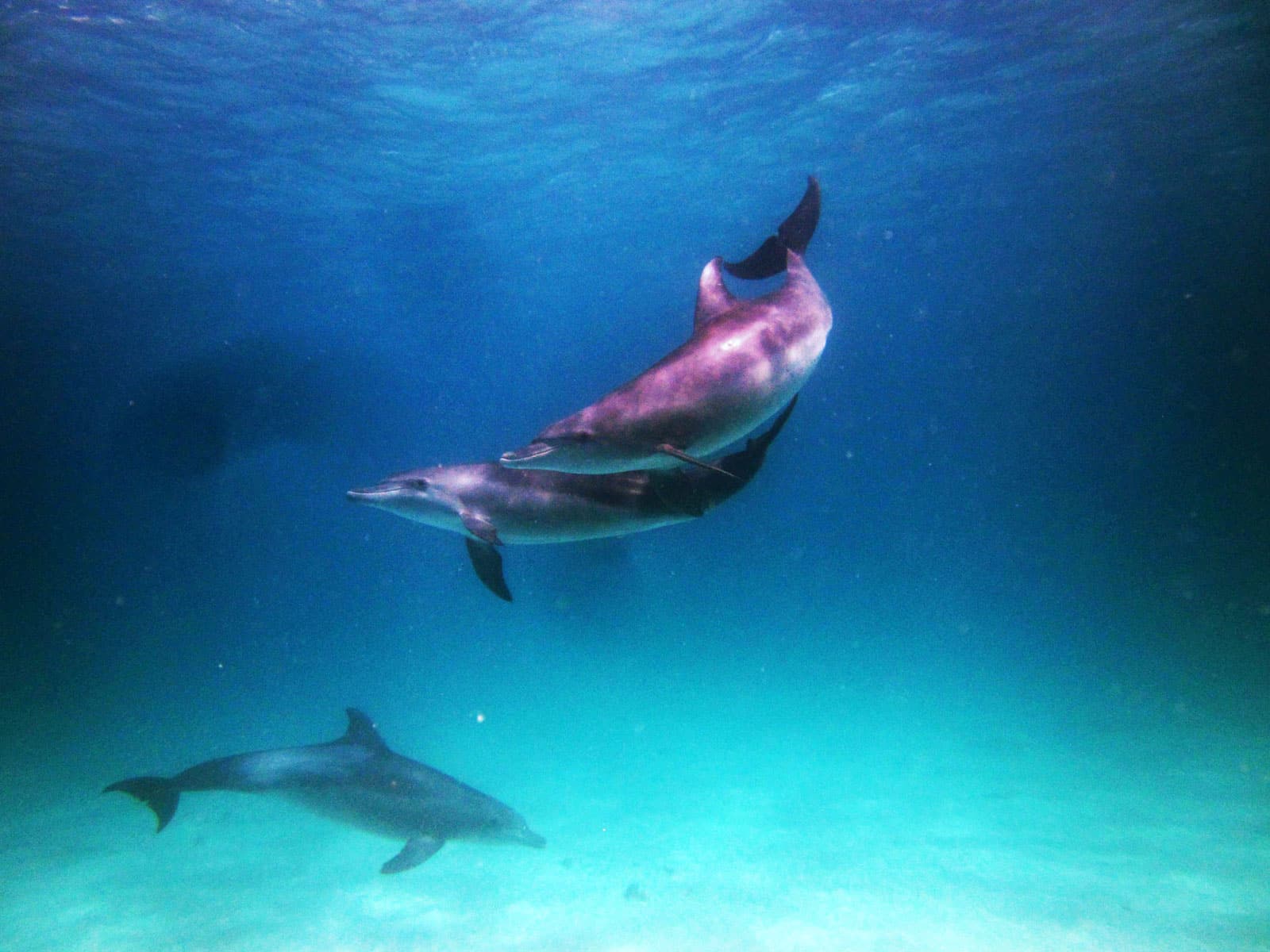
Zanzibar is Tanzania’s best-known and most accessible island, with frequent direct flights making it easily accessible. Diving on Zanzibar is relaxed and accessible: the water is wonderfully warm, visibility is generally good, and you’ll discover mostly colorful small marine life. The island offers a nice mix of lively reefs, interesting wrecks and quiet dive sites. You regularly spot dolphins, turtles and the occasional reef shark.
In Zanzibar, you make only boat dives. Most dives in northern Zanzibar range in depth from 14 to 18 meters. The current varies from zero to sometimes strong currents, this may be due to the large tidal changes that occur – high/low water can be a difference of nearly 5 meters.
Are you a novice diver? Then Zanzibar is an ideal destination. It is an excellent place to get your first diving license or make an introductory dive. Instead, are you looking for more challenging and exciting dives? Then consider a diving trip to the nearby islands of Pemba or Mafia, where the marine life is bigger and more active. We wrote about this too, read it via the button below.
Best travel time for diving in Zanzibar
Zanzibar can be visited year-round by divers, but some months offer better conditions than others. The best time to dive in Zanzibar is from November to March and July to October. April and May are the least suitable because of the rainy season.
View
Visibility is usually between 15 and 30 meters, especially in the dry season. In the rainy season, visibility can drop to 10 meters or less, depending on the dive site and currents.
Water temperature
The water is warm, with temperatures between 26°C and 30°C. In the cooler months (July-September) it can drop slightly toward 25-26°C.
Current
Currents are very dependent on the tides, but generally mild to moderate during dives, especially around Mnemba Atoll and the north coast. Stronger currents are found more near Pemba Island or deeper drop-offs.
| Period | Diving conditions | Wetsuit Advice | Details |
|---|---|---|---|
| November – March | Best visibility (20-30 m), calm sea, warm water | 3 mm or shorty | Ideal diving months, lots of marine life active, chance of whale sharks |
| April – May | Rainy, variable visibility, some dive centers closed | 3 mm | Long rainy season, not recommended for dive trips |
| June – October | Good visibility (15-25 m), slightly cooler sea, more current | 3 mm full | Chance of humpback whales (Aug-Oct), less crowded, suitable for advanced surfers |
Best dive sites in Zanzibar
There are quite a few places to dive around Zanzibar, but there are a few that are really noteworthy. Often this is because of the marine life you can find there or because of spectacular drop-offs. Read here about the 4 best dive sites on the island.
Mnemba Atoll (northeast coast)
Depth: 5-30 meters
Season: year-round (best conditions November to March)
Marine life: turtles, reef sharks, snappers, lionfish, parrotfish
Level: for all levels
Mnemba is undoubtedly Zanzibar’s most famous dive site. Located in a marine protected area, the atoll is known for its excellent visibility and vibrant underwater world. Divers here are treated to colorful corals, large schools of reef fish and almost guaranteed encounters with turtles. The dive sites around Mnemba – such as Aquarium and Kichwani – offer both shallow reefs for beginners and steeper drop-offs for the more experienced diver. The calm conditions and clear waters make this an ideal place for photography as well as training.
Leven Bank (north of Nungwi)
Depth: 12-35 meters
Season: year-round (best conditions July through October)
Marine life: barracudas, tuna, reef sharks, jacks, large schools of fish
Level: advanced
Leven Bank is an offshore reef in the middle of the sea, accessible by boat from Nungwi. This site offers no reef wall or island – it is pure open ocean – and you notice this: the marine life is vast and active. Currents are more frequent here, making for dynamic dives with a chance of seeing pelagic species. You dive here in the blue, above a reef plateau bustling with life. The depth and current make this site more suitable for experienced divers, but for those who dare, it is one of Zanzibar’s most spectacular dives.
Hunga Reef (near Kendwa/Nungwi)
Depth: 10-25 meters
Season: year-round
Marine life: lionfish, morays, nudibranchs, scorpionfish, cuttlefish
Level: for all skill levels
Hunga Reef is an accessible and colorful reef dive just off the coast of Kendwa and Nungwi. The site is known for its rich macro life and soft corals. It is a favorite site for both day and night dives. Among the rock formations and coral gardens you will find countless photogenic species: from tiny nudibranchs to cuttlefish and scorpion fish. The sea here is usually calm and currents mild, making this spot ideal for novice divers or a relaxing second dive of the day.
Kizimkazi Reef (south coast)
Depth: 6-20 meters
Season: year-round (best conditions November to March)
Marine life: dolphins, turtles, eagle rays, reef fish
Level: for all skill levels
Kizimkazi is on the quieter south coast of Zanzibar and is less well known than Mnemba, but certainly no less interesting. The reef here is healthier than in some of the busier spots and the chance to spot dolphins (above and below the water) makes this location unique. The shallow reef is colorful, varied and excellent for beginners or those who like relaxed diving without much current. The area is also popular with snorkelers. Do not expect deep drop-offs here, but rather a tranquil diving experience with lots of natural life.
Marine life in Zanzibar: what to expect during your dive?
In Zanzibar, you’ll find a mix of small and larger marine life. Think curious turtles swimming slowly by, fast schools of fish shooting through the clear water and sometimes even the shy reef shark gliding by in the background. In addition, colorful soft and hard corals provide a beautiful backdrop where macro fans can delight in spotting unusual small sea creatures. Here is an overview of what to expect underwater:
Sharks & Rays
- White tip reef shark
- Blacktip Reef Shark
- Nurse shark
- Eagle ray (eagle ray)
- Stingray (stingray).
Reef fish & schools
- Snappers (various species such as gray snapper)
- Barracudas
- Jacks (Horse-eye jack, Bigeye trevally)
- Lionfish (Lionfish)
- Parrotfish
- Trumpfish
- Angelfish (butterfly fish)
Sea Turtles
- Green sea turtle
- Hawksbill turtle (hawksbill turtle)
Other marine life
- Moray eels (green moray, spotted moray)
- Lobsters and crabs
- Sea cucumbers and starfish
- Cuttlefish and cuttlefish
- Seahorses (especially in seagrass beds)
- Soft and hard corals
- Various anemones and sponges
- Larger predatory fish such as groupers and tuna
Special encounters
- Dolphins (often off the south coast of Zanzibar)
- Whale shark (very rare, but sometimes spotted. Are more common at Mafia Island)
- Humpback whale (migrates past Zanzibar in August-October)
Wrecks
- The King Challenger: an old cargo ship lying on the seabed off the Mnemba Atoll.
- The MV Zan Air: a smaller wreck close to shore with lots of coral and fish.
- The Jembwani Wreck: wreck with healthy vegetation and lots of fish.
What diving equipment do you need in Zanzibar?
Diving in Zanzibar does not require extremely specialized equipment, but it is important to know what you need. Here is a list of the most common equipment for diving in Zanzibar.
Basic equipment
- Wetsuit: In the warm waters of Zanzibar, a 3 mm shorty or full wetsuit is usually sufficient. During the dry season (March to June) and night dives, a full 3 mm wetsuit can provide some extra comfort. For most dives, a thicker suit is not necessary.
- Mask & snorkel: A well-fitting personal mask is recommended for optimal visibility and comfort. The snorkel is especially useful when waiting for the boat or during snorkeling time.
- Fins: shore dives are actually not made, so you could bring closed fins. Open fins with shoes are also possible: choose what you like best.
- Dive computer: Highly recommended for safe diving and to keep a good record of your dive profile, especially if you are going to make several dives a day and during the week.
- BCD & regulator: You can often rent fine at local dive centers, but own equipment always gives comfort.
Additional accessories
- Underwater camera: Zanzibar has beautiful marine life and coral reefs, so a camera or actioncam is great for capturing your memories.
- Weights: You don’t need to bring this, of course, but it’s good to know. Because of the warm water, you often need less lead than in colder waters.
- Diving gloves and boots: Not necessary due to the soft coral and warm water, but boots can be nice for comfort.
- Dry bag: Since these are mainly boat dives, it is convenient to bring a dry bag for valuables. A dry bag is specially designed to keep belongings dry during boat trips. They are often made of sturdy, waterproof material with a roll-up closure at the top to keep water out.
Diving in Zanzibar with EWDR
Want to experience Zanzibar for yourself? We have a number of options for you. For example, combine your diving trip with a few days of safari on Tanzania’s mainland – after all, you’re in the area now. A combination with the other islands is also a very nice trip. This way you have more variety underwater and more chance to see pelagic species. Curious about what we can do for you? Feel free to contact us for a travel proposal.
Check out our trip to Zanzibar here
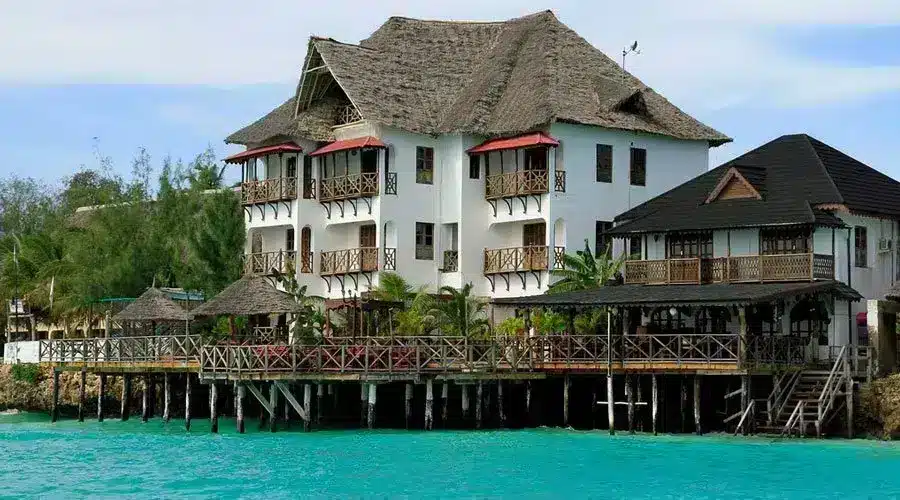

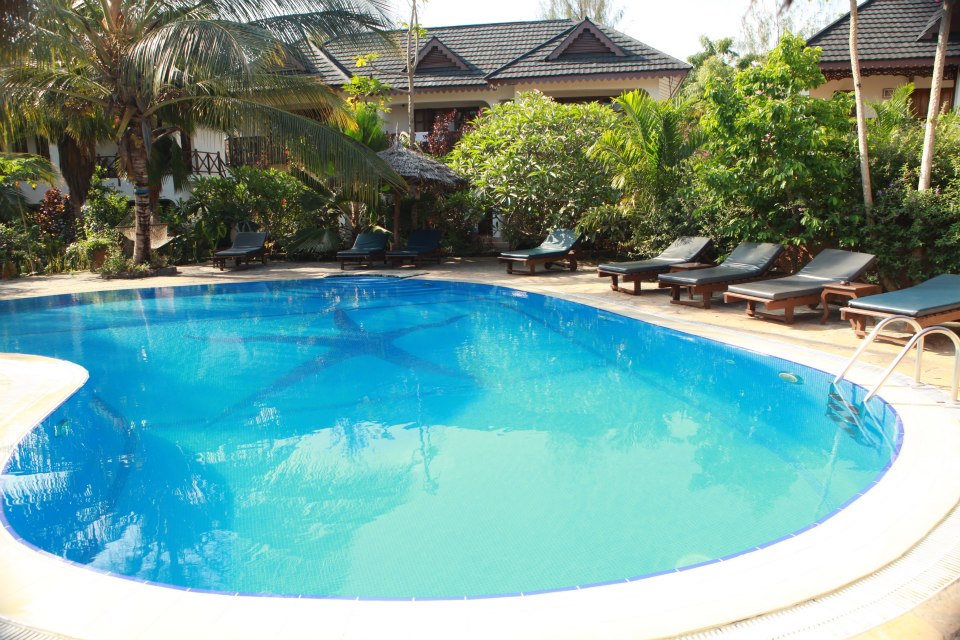
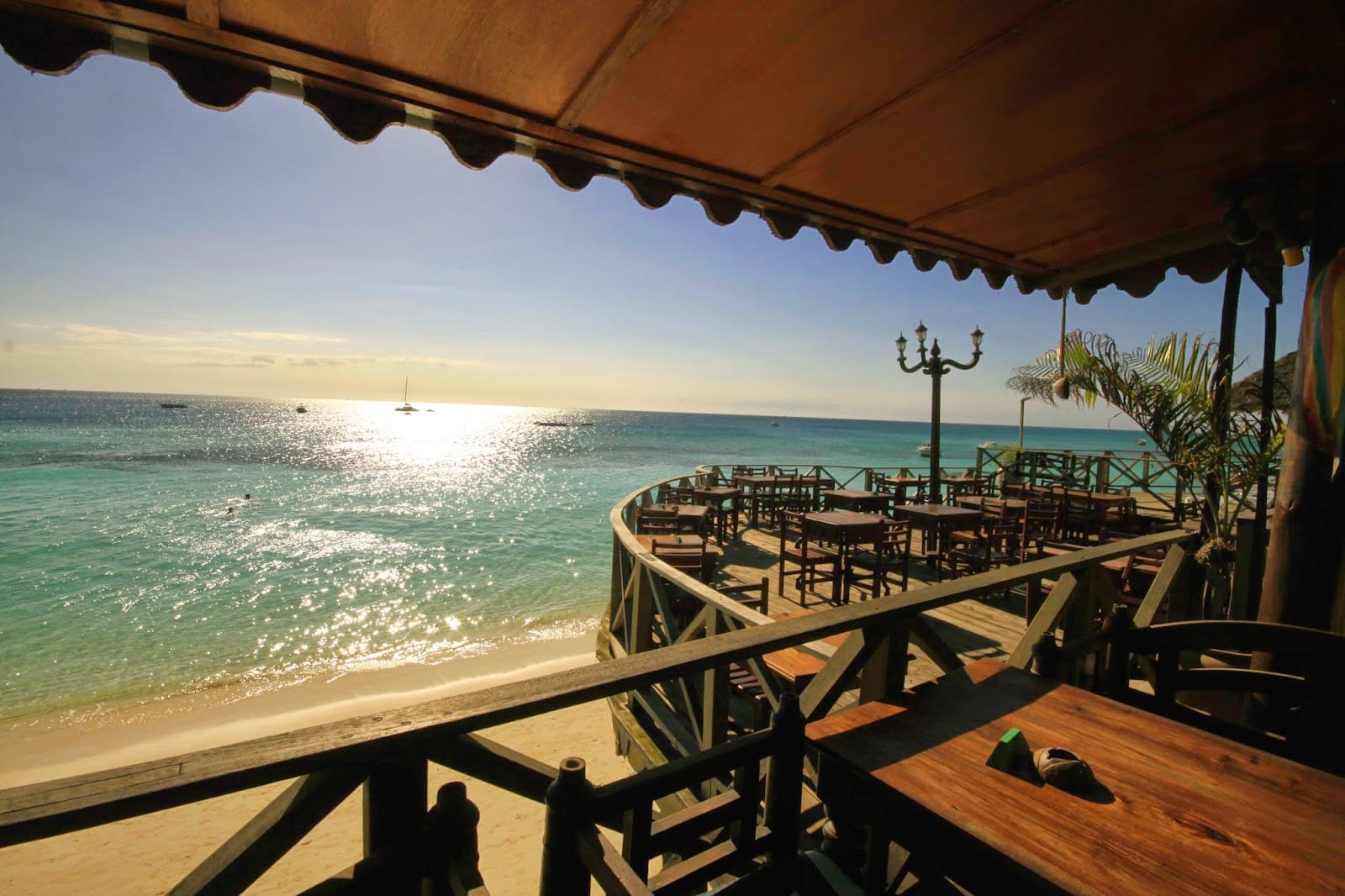

Langi Langi Beach Bungalows – Bounty trip
Sandy white beaches, turquoise waters and an African atmosphere. It is wonderful to be in the north of Zanzibar!