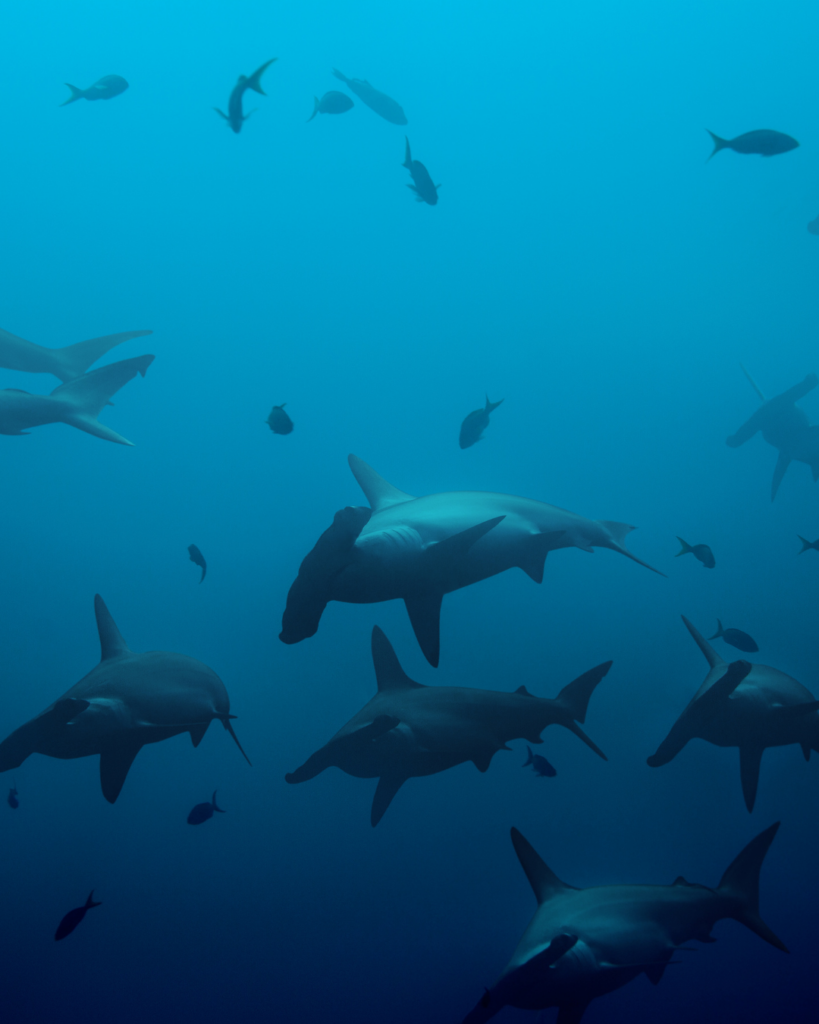
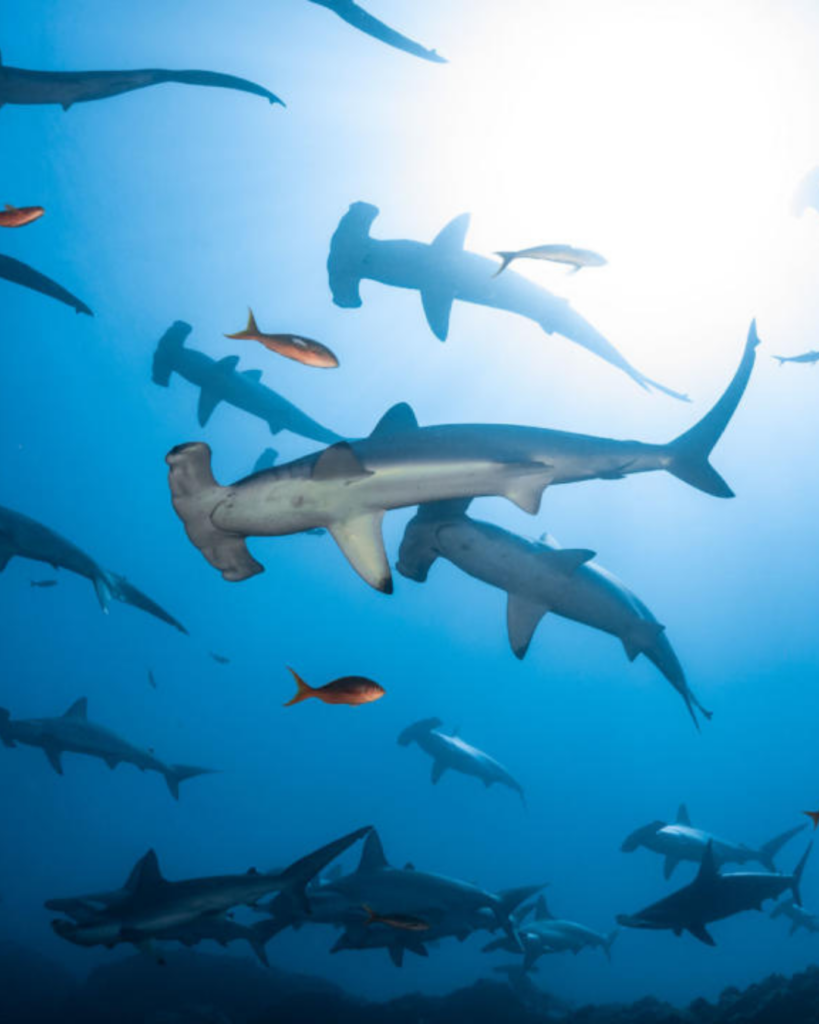
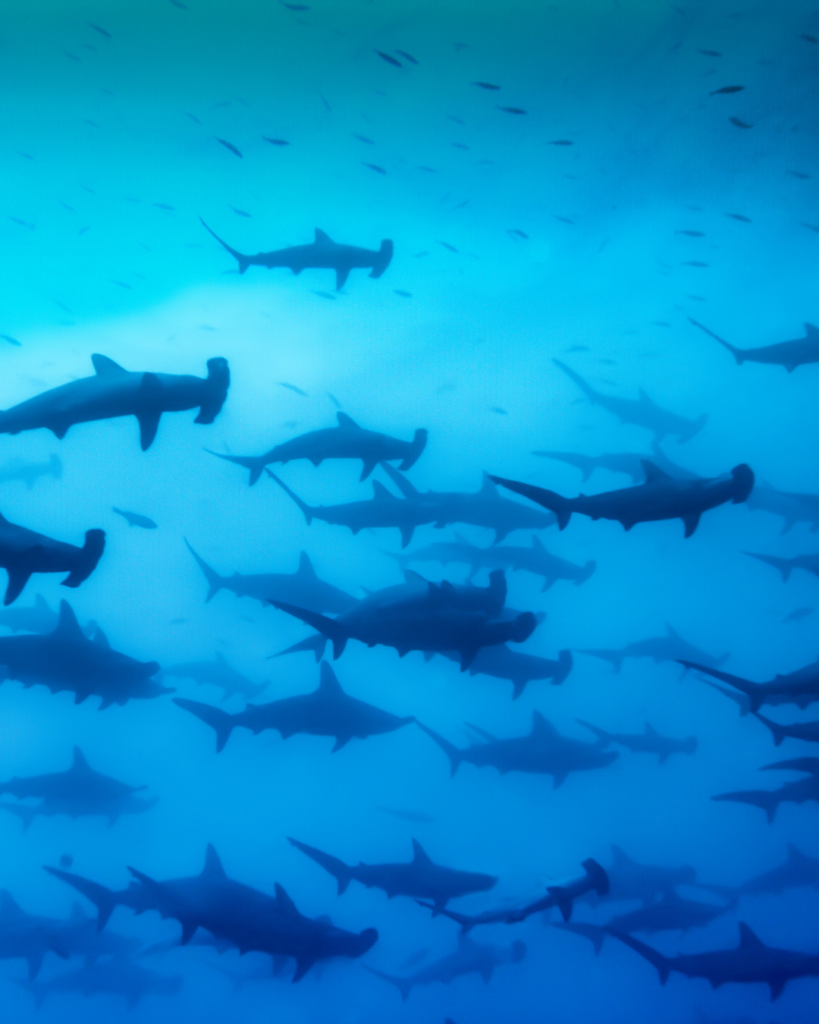
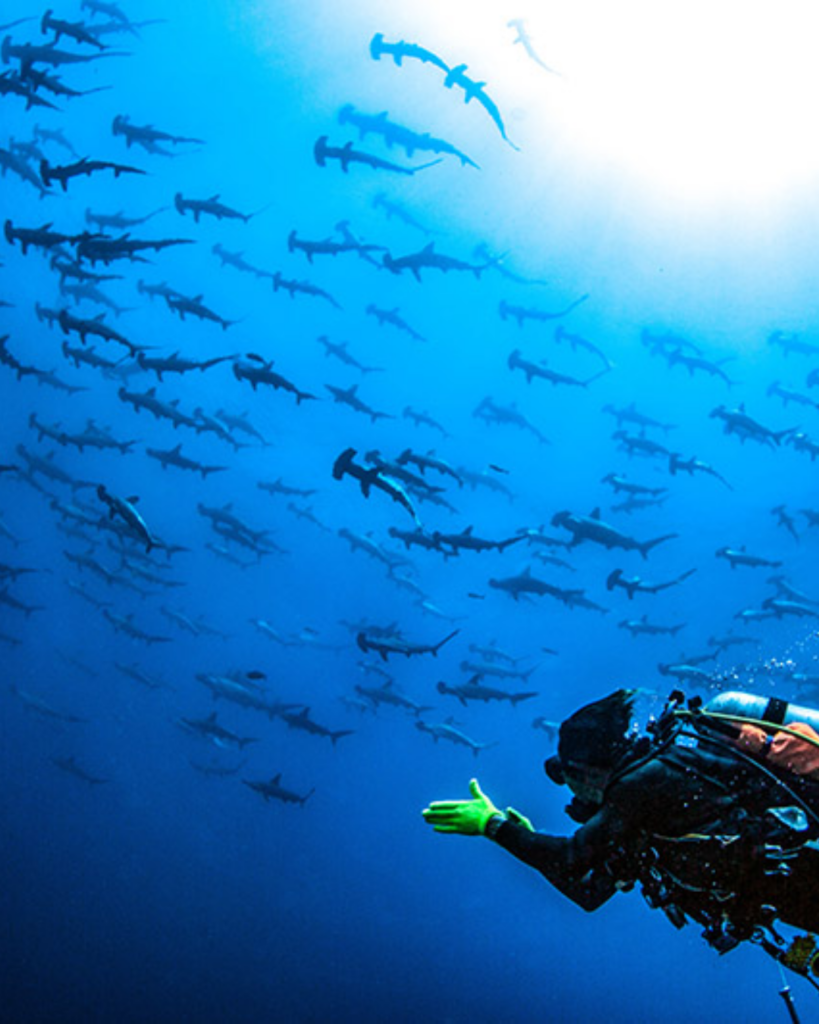
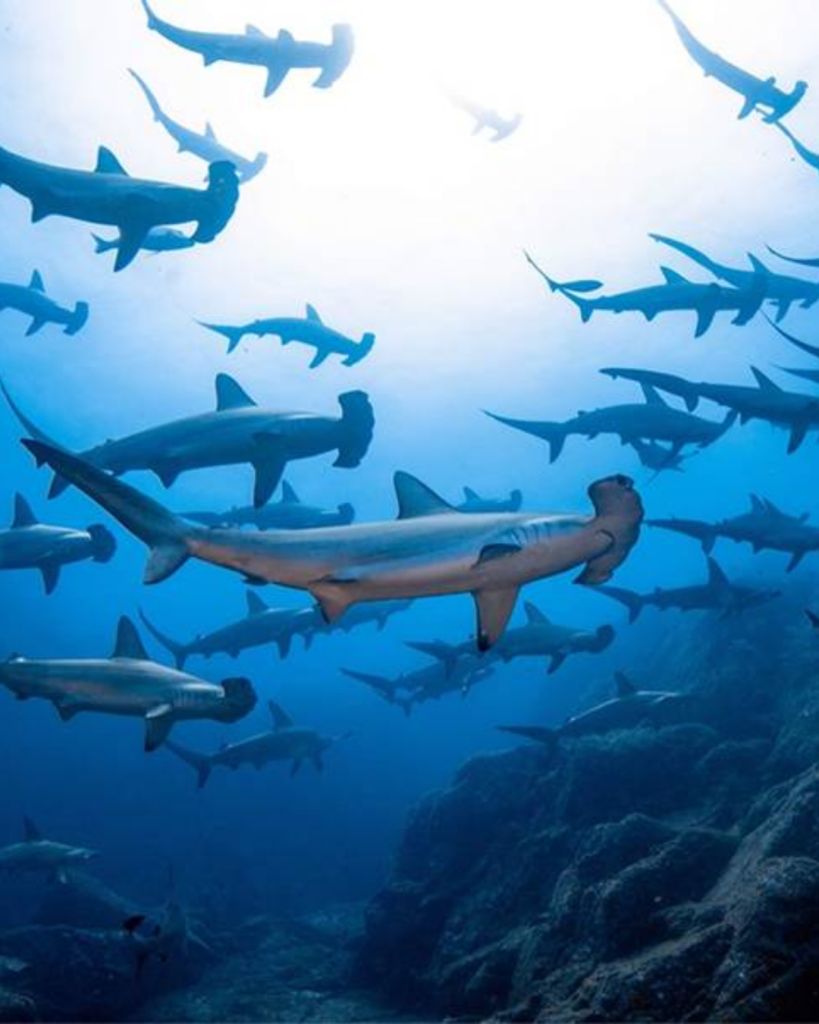
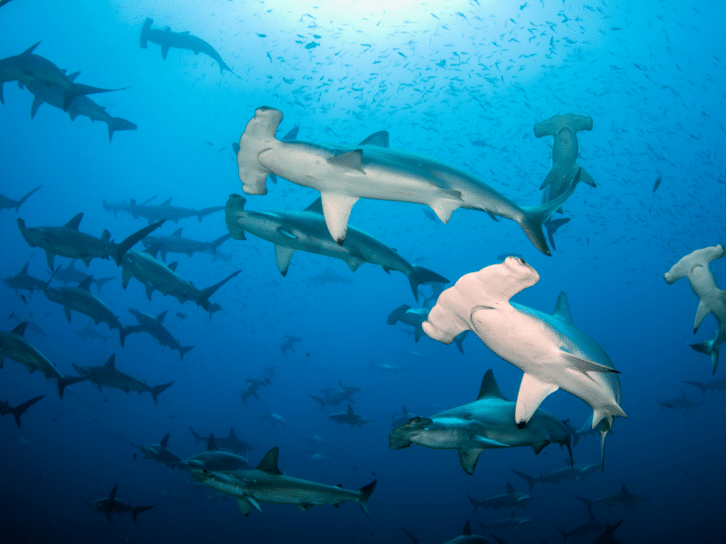
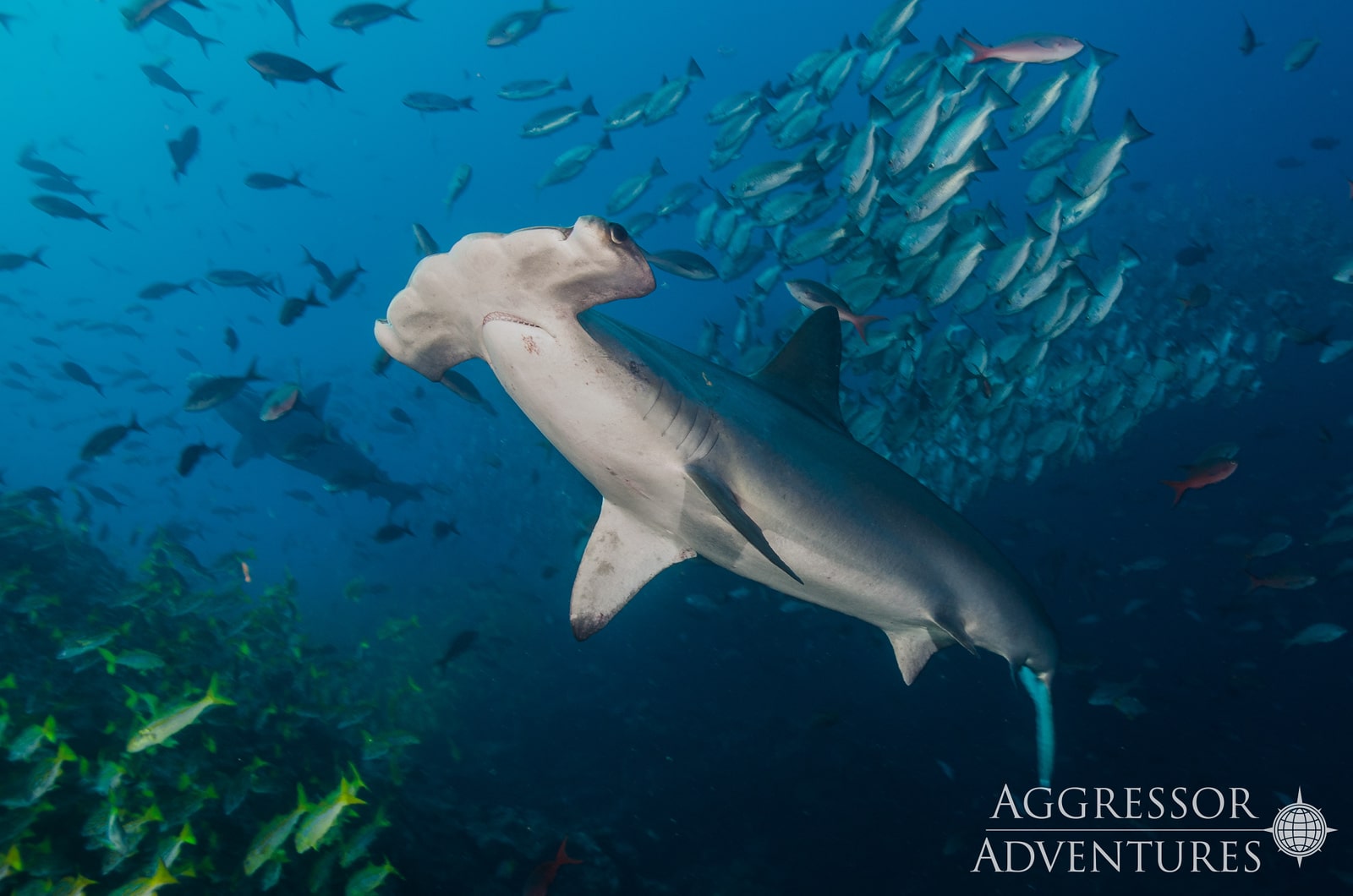
For many divers, a school of hammerhead sharks swimming toward you out of the blue is the ultimate bucket-list experience. The scalloped hammerhead, in particular, is known for its impressive schools, which sometimes consist of dozens or even hundreds of individuals. The moment they glide silently past you is something you won’t soon forget.
Hammerhead sharks are found in tropical and subtropical oceans around the world, but only a limited number of destinations offer a good chance of seeing them while diving. These are often remote islands, seamounts, and reefs where nutrient-rich water rises from the depths. As a result, these predators are drawn to the same areas where other pelagic species, such as manta rays and various shark species, are found.
In this guide, you’ll find out where you’re most likely to dive with hammerhead sharks, when the best time to travel is, and whether a destination is suitable for your skill level.
Table of contents
The hammerhead shark: a remarkable species of shark
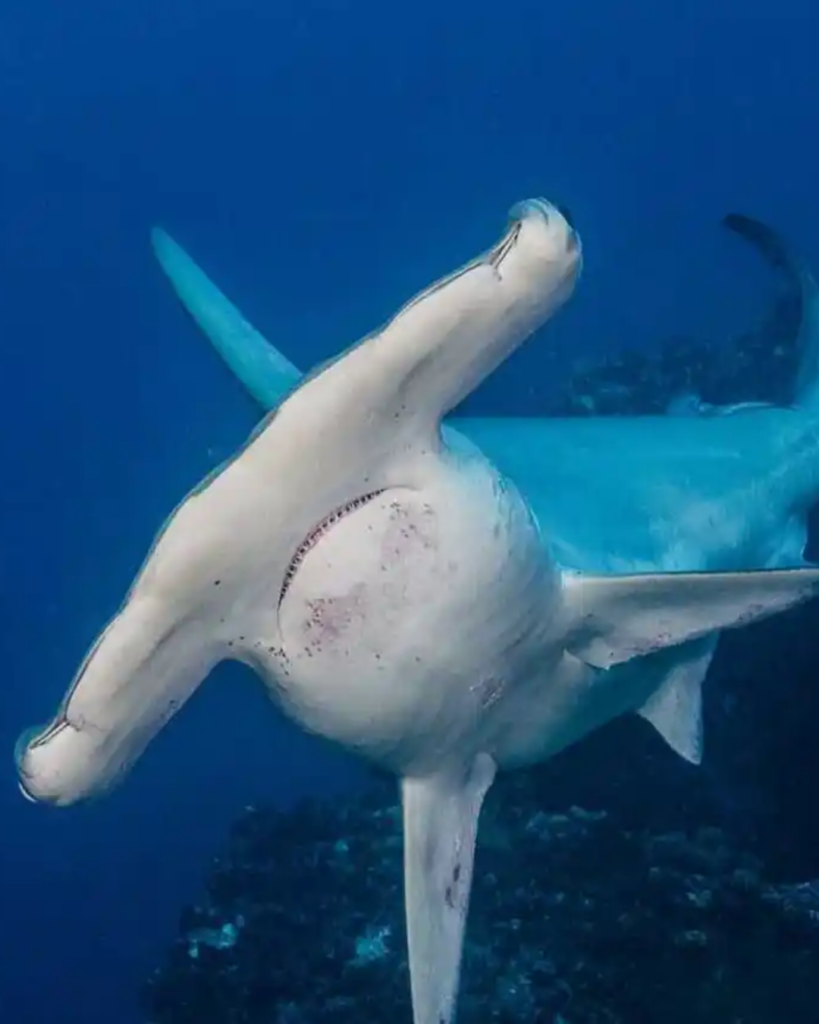
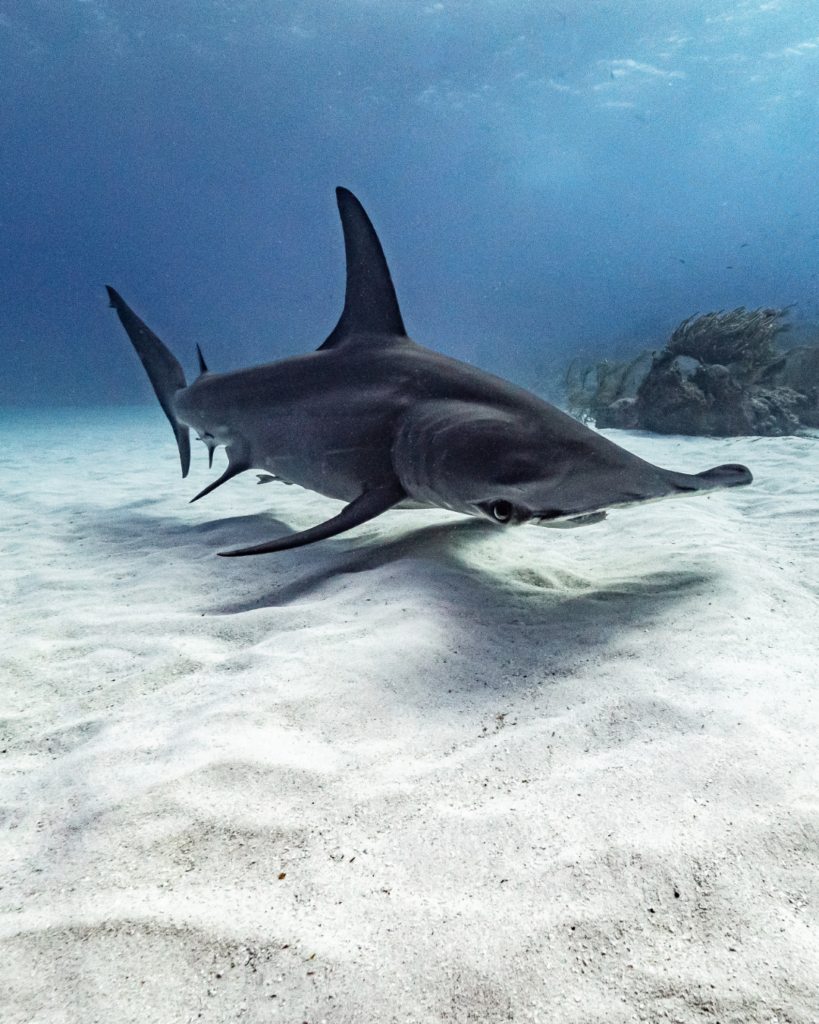
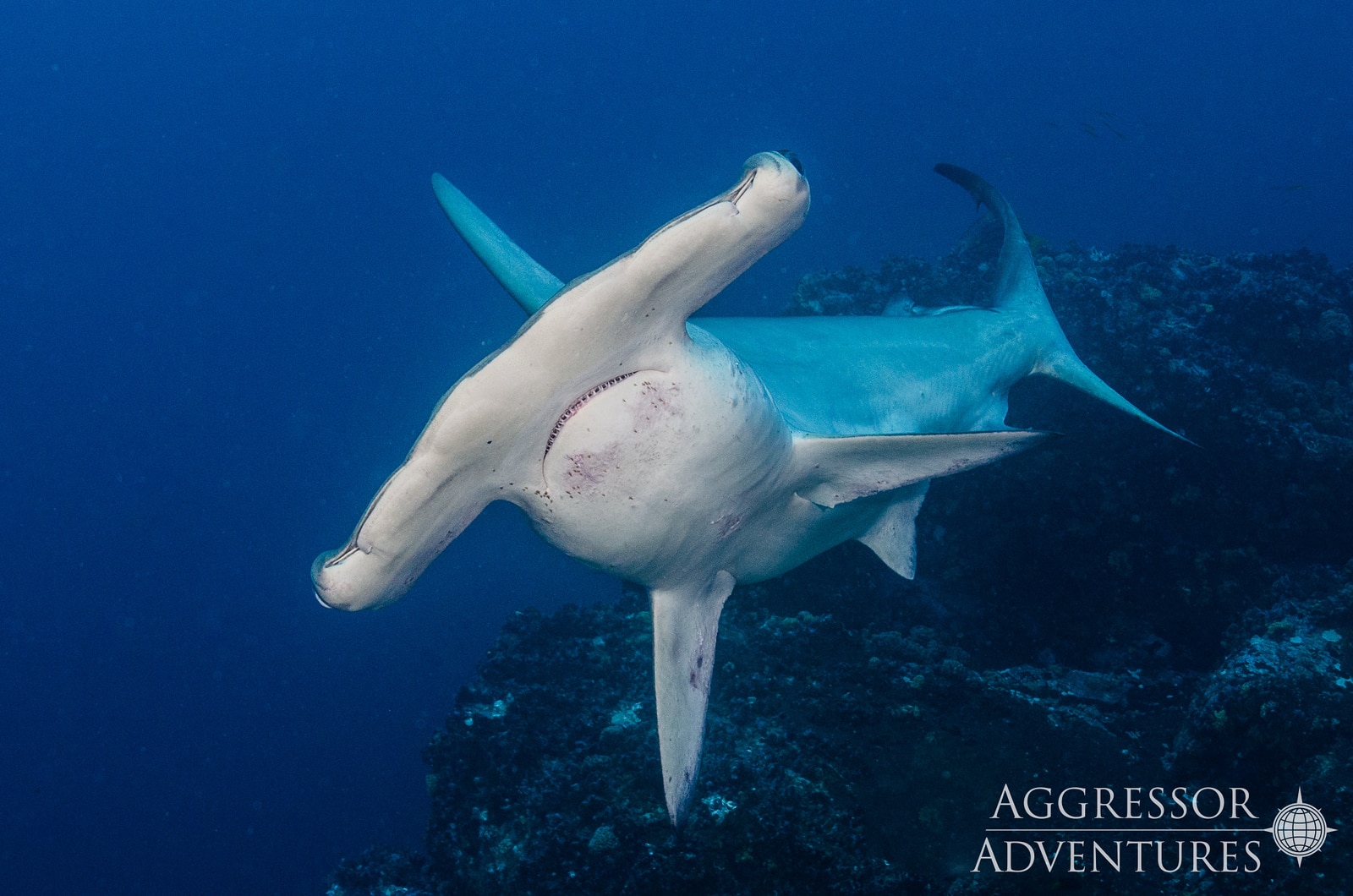
The best-known species among divers is the scalloped hammerhead shark (Sphyrna lewini). This species forms large schools that are mainly seen around oceanic islands and steep underwater cliffs. There is also the great hammerhead shark (Sphyrna mokarran), a much larger species that usually lives alone. You can encounter this species in the Bahamas, among other places.
The distinctive head, also known as the cephalofoil, gives the hammerhead shark an excellent field of vision and helps it locate prey such as rays and fish. Thanks to special sensory organs in its head, the shark can also detect electrical signals emitted by other animals.
Despite their imposing appearance, hammerhead sharks pose virtually no danger to humans. They are curious, but usually keep a safe distance and often swim peacefully by.
Where do hammerhead sharks live?
Hammerhead sharks spend much of their lives in the open ocean, but they gather in specific areas where conditions are favorable. They are mainly found in:
Oceanic islands;
undersea mountains (seamounts);
steep drop-offs;
reefs with strong currents;
areas where cold, nutrient-rich water rises to the surface (upwellings).
During the day, schools of scalloped hammerhead sharks often swim at depths between 20 and 40 meters, although they can be found much deeper. That’s why, during a dive, you’ll regularly see them gliding past from the deep blue. It’s worth listening carefully during the briefing to find out where you should position yourself; often, you’ll wait on a ledge or behind a rock until the sharks pass along the reef wall. These are therefore dives that require some experience on the part of the diver.
Galápagos, Ecuador
The Galápagos are among the world’s top destinations for diving with hammerhead sharks. Huge schools of scalloped hammerhead sharks regularly gather, especially around the remote islands of Darwin and Wolf. It’s not uncommon to see dozens or even hundreds of them swimming by at once.
The islands are located in the middle of the Pacific Ocean, where various ocean currents converge. The nutrient-rich waters attract an enormous diversity of pelagic species, giving you the chance to see whale sharks, Galápagos sharks, silky sharks, and manta rays all during the same dive.
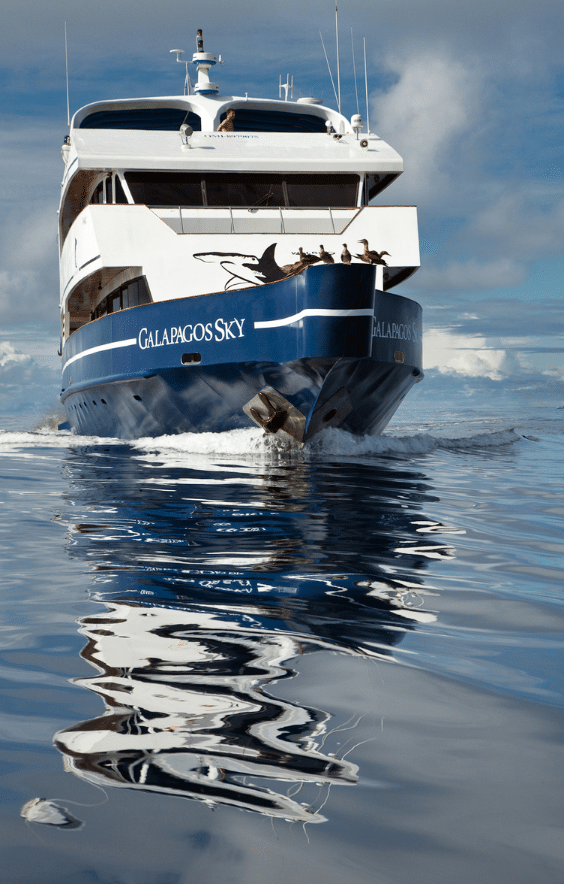
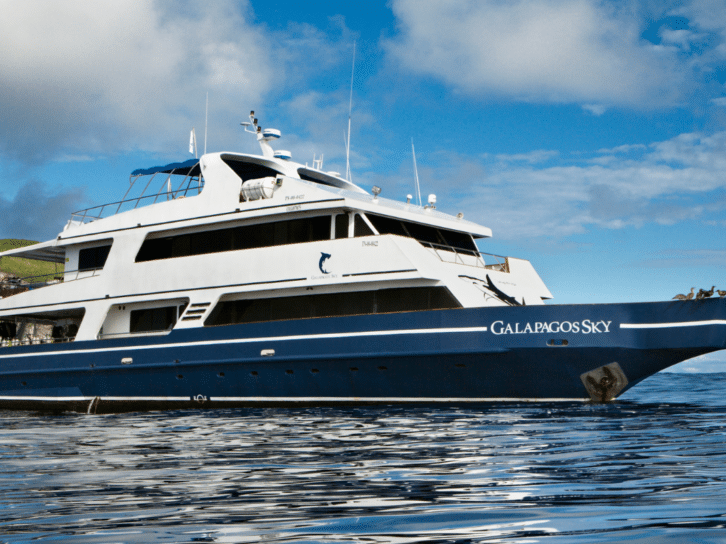
The best dive sites are accessible only by liveaboard. The dives take place in strong currents and are therefore best suited for experienced divers.
Cocos Island, Costa Rica
Cocos Island is located more than 500 kilometers off the coast of Costa Rica and is one of the most iconic shark destinations in the world. Schools of scalloped hammerhead sharks pass by the undersea mountains and steep reef walls almost every day.
While diving, you often seek shelter behind a rock as you gaze out over the deep blue. With a little luck, a school of hammerhead sharks will emerge from the depths, swimming calmly along the reef wall.
Cocos Island is accessible only by liveaboard. The often strong currents and deeper dives make this destination particularly suitable for experienced divers.
Socorro, Mexico
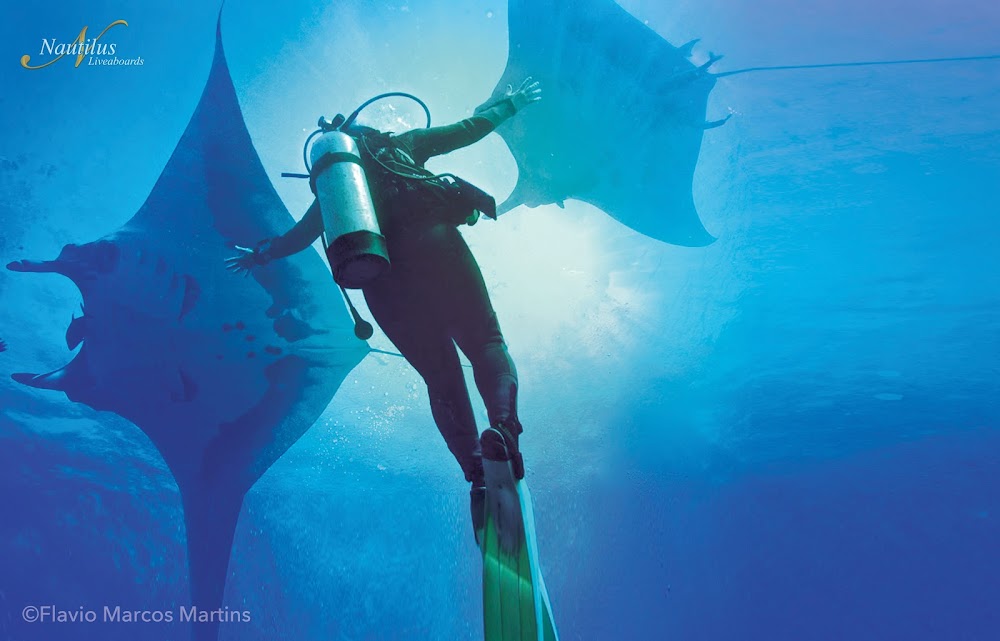
The Revillagigedo Archipelago, better known as Socorro, is best known for its impressive encounters with ocean manta rays. However, hammerhead sharks are also among the permanent residents of this remote archipelago in the Pacific Ocean.
At dive sites such as Roca Partida and El Boiler, schools of scalloped hammerhead sharks are regularly spotted. You may also see silky sharks, Galápagos sharks, dolphins, and—depending on the season—even whale sharks.
Socorro is accessible only by liveaboard. Due to the currents and its open-ocean setting, the dives are primarily suitable for advanced and experienced divers.
Malpelo, Colombia
Malpelo is a small, uninhabited rocky island located about 500 kilometers off the coast of Colombia. The island rises steeply from the Pacific Ocean and is known as one of the world’s most spectacular destinations for lovers of large sharks.
The steep walls and undersea ridges attract large schools of scalloped hammerhead sharks. During a good dive, dozens to hundreds of these sharks may pass along the reef, often accompanied by silky sharks and Galápagos sharks.
Malpelo is accessible only by liveaboard. The currents can be strong, so the dives are best suited for very experienced divers.
Mikomoto, Japan
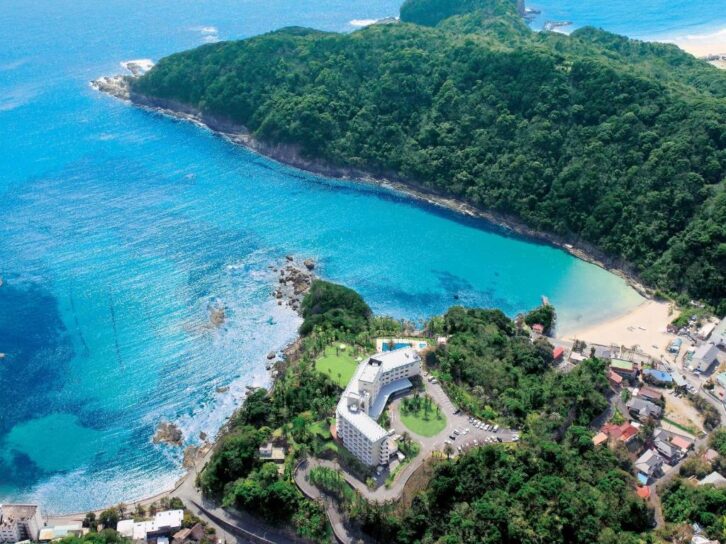
Off the coast of the Izu Peninsula lies Mikomoto, perhaps Japan’s most famous spot for diving with hammerhead sharks. During the summer season, impressive schools of scalloped hammerhead sharks regularly gather around the island.
The dives take place along steep reef walls where strong currents carry nutrient-rich water. It is precisely these conditions that make Mikomoto attractive to pelagic species.
Unlike many other destinations on this list, Mikomoto is easily accessible via day trips from the mainland. Due to the currents and drift diving, experience with drift diving is recommended.
Yonaguni, Okinawa, Japan
Located in the far southwest of Japan is Yonaguni, an island known worldwide for its mysterious underwater monument. During the winter months, however, large schools of scalloped hammerhead sharks also migrate past the island, making it a popular destination for shark enthusiasts.
The combination of clear water, strong currents, and the open ocean regularly leads to spectacular encounters with hammerhead sharks swimming by out of the blue.
Dives are conducted from local day boats. Due to the currents and sometimes challenging conditions, Yonaguni is best suited for experienced divers.
Bimini, Bahamas
Bimini is a unique destination on this list. Instead of schools of scalloped hammerhead sharks, you come here specifically to see the impressive great hammerhead shark, the largest species in the hammerhead shark family.
During the winter months, these impressive animals gather in the waters around Bimini. On special shark dives, you have an excellent chance of seeing a great hammerhead shark swimming calmly along the sandy bottom, often just a short distance from the divers.
The dives are conducted from day boats and, depending on the operator and conditions, are suitable for advanced divers. Although the currents are usually less strong than around oceanic islands, experience with sharks and good buoyancy control are a big advantage. Of course, there are also liveaboards that travel to this destination.
Other destinations where you can see hammerhead sharks
Although the destinations listed above are among the best places in the world to dive with hammerhead sharks, they are also regularly spotted at other locations. The likelihood of an encounter is often less predictable or depends on the season, but under the right conditions, you can have an unforgettable dive here as well.
Banda Sea in Indonesia: Schools of scalloped hammerhead sharks are frequently spotted around volcanic islands and undersea mountains, especially during liveaboard trips in September and October.
Red Sea in Egypt: On offshore reefs such as Daedalus Reef, Elphinstone, and Rocky Island, scalloped hammerhead sharks are regularly spotted, especially during the summer months. You’ll have the best chance of seeing them on a liveaboard.
Raja Ampat in Indonesia: Scalloped hammerhead sharks are occasionally spotted at a few remote dive sites, especially during seasonal transitions. However, sightings are less predictable than in the Banda Sea.
Papua New Guinea: On some liveaboards, hammerhead sharks are occasionally spotted around offshore reefs and atolls. Here, they are a nice bonus in addition to the enormous biodiversity.
Overview of the Best Destinations by Month
Destination
Jan
Feb
Mar
Apr
May
June
July
Aug
Sep
Oct
Nov
Dec
Galápagos
🟩
🟩
🟩
🟩
🟩
🟩
Cocos
🟩
🟩
🟩
🟩
🟩
🟩
Socorro
🟩
🟩
🟩
🟩
🟩
🟩
🟩
Malpelo
🟩
🟩
🟩
🟩
Mikomoto
🟩
🟩
🟩
🟩
🟩
Yonaguni
🟩
🟩
🟩
🟩
Bimini
🟩
🟩
🟩
🟩
Frequently Asked Questions About Diving with Hammerhead Sharks
Are hammerhead sharks dangerous to divers?
No. Hammerhead sharks are generally shy animals that prefer to avoid humans. During a dive, they usually swim quietly by and show little interest in divers. As with all wild animals, it’s important to keep a safe distance and respect their natural behavior.
Where are you most likely to see a school of hammerhead sharks?
You’ll have the best chance of seeing them at destinations such as the Galápagos, Cocos Island, Malpelo, Mikomoto, and Yonaguni. Large schools of scalloped hammerhead sharks are regularly sighted there.
As a beginner diver, can you dive with hammerhead sharks?
Most hammerhead shark dive sites are not suitable for beginners. The dives often take place in currents, at greater depths, and in the open ocean. An Advanced Open Water certification and experience with current diving are usually recommended. At some sites, you must also be able to demonstrate that you have completed at least 50 dives.
At what depth can you see hammerhead sharks?
Schools of scalloped hammerhead sharks are often seen at depths between 20 and 40 meters, but they can also be found much deeper. During a recreational dive, they are usually spotted off a reef or ledge in the open water. Hammerhead sharks prefer cold water, so they often stay below the thermocline. If the water is (too) warm, you’re less likely to see them—they’ll be much deeper down.
Do you need a liveaboard to dive with hammerhead sharks?
That depends on the destination. For the Galápagos, Cocos Island, Socorro, and Malpelo, a liveaboard is necessary to reach the best dive sites. Mikomoto, Yonaguni, and Bimini are easily accessible via day trips from a dive resort or hotel.
What is the difference between a scalloped hammerhead shark and a great hammerhead shark?
The scalloped hammerhead shark often lives in schools and is the species most divers hope to see at destinations such as the Galápagos and Cocos Island. The great hammerhead shark usually lives alone and is seen primarily around the Bahamas, where encounters with individual sharks are the highlight.
Why do hammerhead sharks gather in certain places?
Hammerhead sharks are attracted to undersea mountains, steep reef walls, and areas where nutrient-rich water rises from the depths. These areas offer plenty of food and cleaning stations where smaller fish remove parasites from the sharks.
Can you see hammerhead sharks with EWDR?
At EWDR, you’ll find liveaboards and diving trips to various destinations where you have the chance to see hammerhead sharks, including the Galápagos, Cocos Island, Socorro, Japan, and the Bahamas. Our travel specialists are happy to help you choose the destination that best suits your experience level and preferences.